







Legislation on poison, poultry and prostitution dominate | Rachel Gabel
Many weeks, my search history is odd but the past two weeks might worry our county sheriff if he didn’t know me as well as he does. This week has been the week of poison, poultry, and prostitution. Not to be confused, of course, by brodifacoum, beavers, and butorphanol. In other words, the Colorado Legislature is marching on.
SB26-065 Systemic Insecticide Use Limitations was introduced by sponsor Sen. Katie Wallace, a Democrat representing Boulder and Weld Counties. Boulder County was once one of the strongholds of agriculture in the state and Weld County is the fifth largest ag producing county in the U.S. Prior to introducing a bill with enormous effects on agriculture, Wallace told the room she had never before attended a meeting of the Senate Agriculture and Natural Resources Committee. I clutched my pearls. When she compared neonics, or treated seeds, to DDT, I could hear the collective blood pressure of the agriculture producers in the room rise.
The bill was ultimately killed in committee on a 5-2 vote.
SB26-062, Rodenticide Use Restrictions, is scheduled to be heard again in Senate Ag on March 4. This is the same day the Colorado Parks and Wildlife Commission meets to decide whether to adopt the newly minted CPW Director Laura McClellan’s recommendation that they deny two petitions. One is a citizen petition requesting mandatory checks for bobcats, swift fox, and beaver and the second is a citizen petition prohibiting the sale of furbearer furs.
The CPW Commission, who approved Clellan’s directorship in a lightning round meeting, ought to heed her written recommendations but there’s no telling. That meeting will be at the DoubleTree by Hilton Denver-Westminster and should be heavily attended by anyone interested in wildlife management, agriculture, hunting, or hearing from the new CPW Commission appointee Christopher Sichko of Boulder. Sichko, according to his biography, is an outdoorsman, angler, and small-game hunter who has fished Colorado waters his entire life, from foothill watersheds to alpine lakes and major river systems across the state. None of the sportspersons I’ve spoken to are familiar with him though I’m sure he’ll have the opportunity to meet hundreds of his stakeholders then.
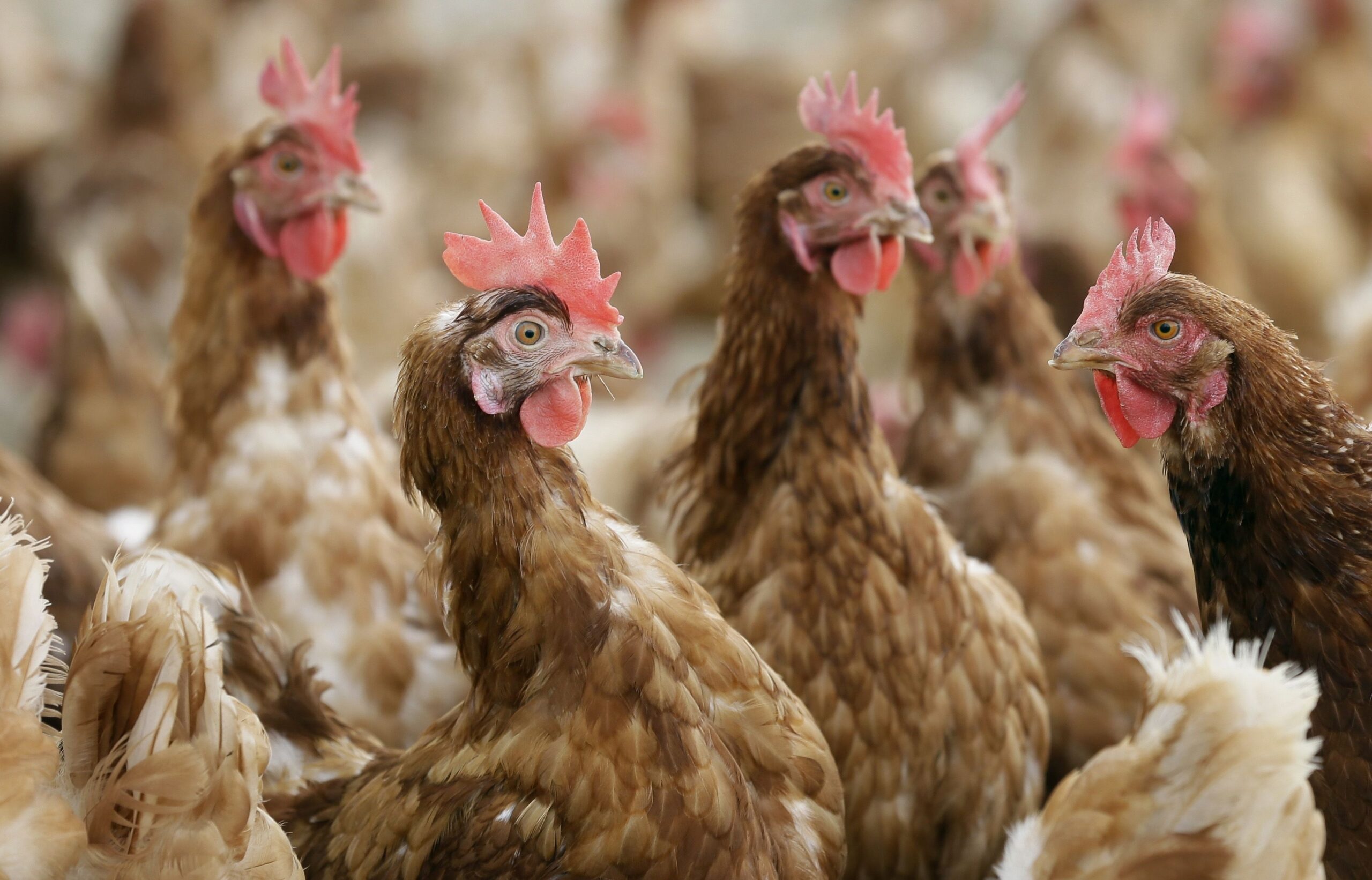
Earlier in the week, Senators Lisa Cutter and Elizabeth Velasco introduced SB26-123 Prohibit Ventilation Shutdown for Poultry, which will be heard in Senate Ag on March 12. In the midst of a still roiling battle against Highly Pathogenic Avian Influenza, this bill prohibits the Department of Agriculture and the State Veterinarian to utilize ventilation shutdown and prevents poultry producers required by the Colorado Department of Agriculture to depopulate a poultry flock due to disease to then seek funds from the diseased livestock indemnity fund.
The state’s egg producers are facing HPAI as they’re still scrambling to retrofit their barns to comply with HB20-1343, the unfunded mandatory production requirements that eggs raised or sold in the state be produced in a cage-free environment. As I understand, Sen. Cutter hosted a stakeholder call with the state’s agriculture trade organizations last week, after the bill’s introduction. Gee, thanks.
The stakeholder groups were opposed to the bill. Their opposition is not borne of a desire to treat livestock with anything other than respect but borne of a desire to fight disease outbreaks and an utter logistical nightmare proposed by proponents. The method the proponents of the bill are recommending is using nitrogen gas for depopulation of infected birds. The U.S. Department of Agriculture’s framework for the use of nitrogen for depopulation doesn’t even exist. If the state department of agriculture were made to utilize nitrogen for a large-scale depopulation, I doubt they would be able to secure enough tanker trucks to deliver the gas to the site. In the fight against disease, producers lack the luxury of time, and this bill is out of line, uninformed, and activist-driven by the Animal Welfare Institute.
I’ve said before that HB20-1343 avoided a ballot initiative threatened by World Animal Protection that would have required earlier transition to cage-free systems as well as prohibiting the sale of calves raised in veal crates or pork from sows raised in gestational crates. The language of the bill was a collaboration between Colorado Egg Producers, the Colorado Department of Agriculture, and Humane Society of the U.S. (HSUS). The fox in the henhouse needs to be shown the door.