CU Denver to showcase “TRANSformative Stories” about transgender, non-binary individuals | CLASSNOTES

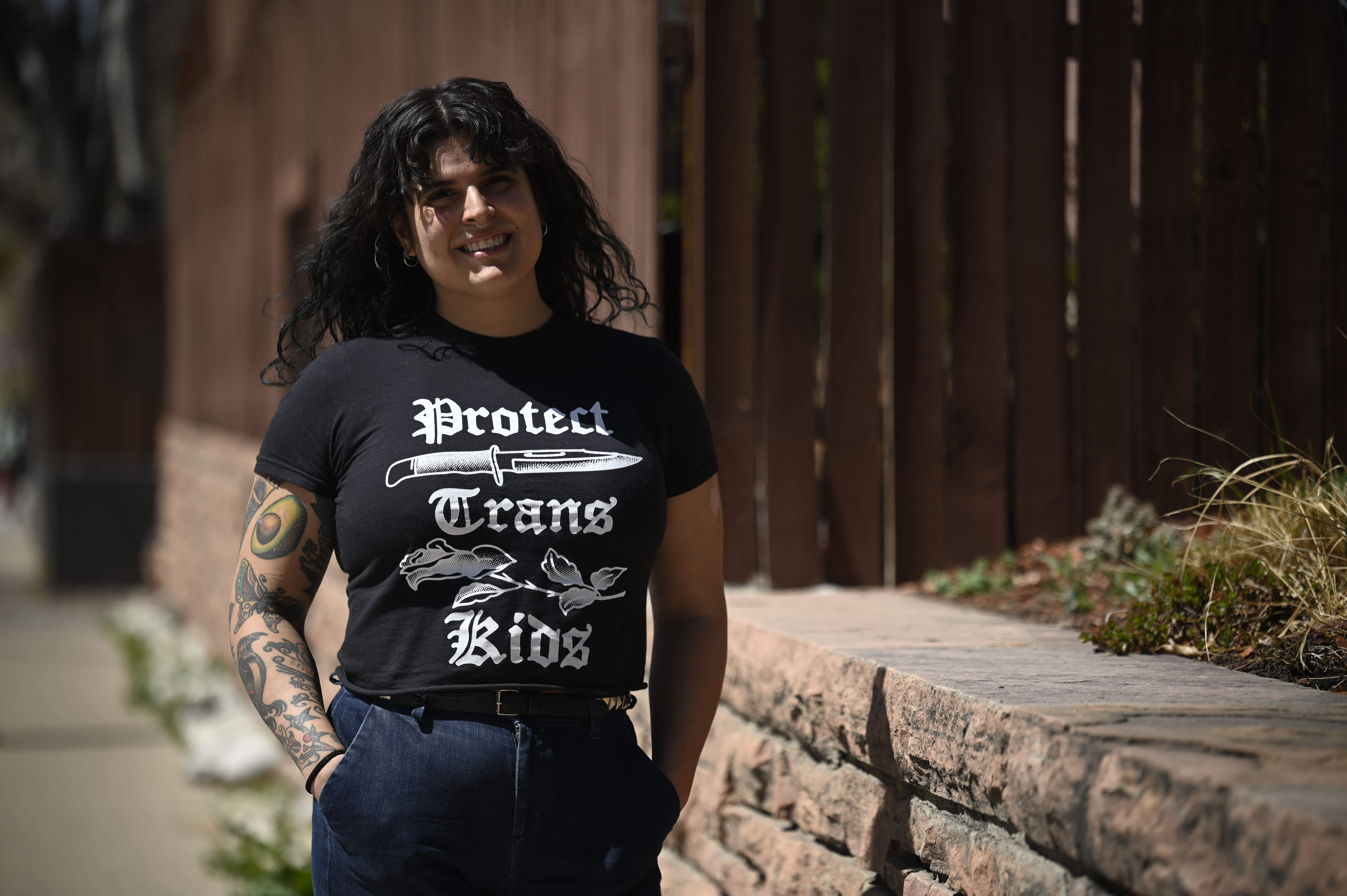
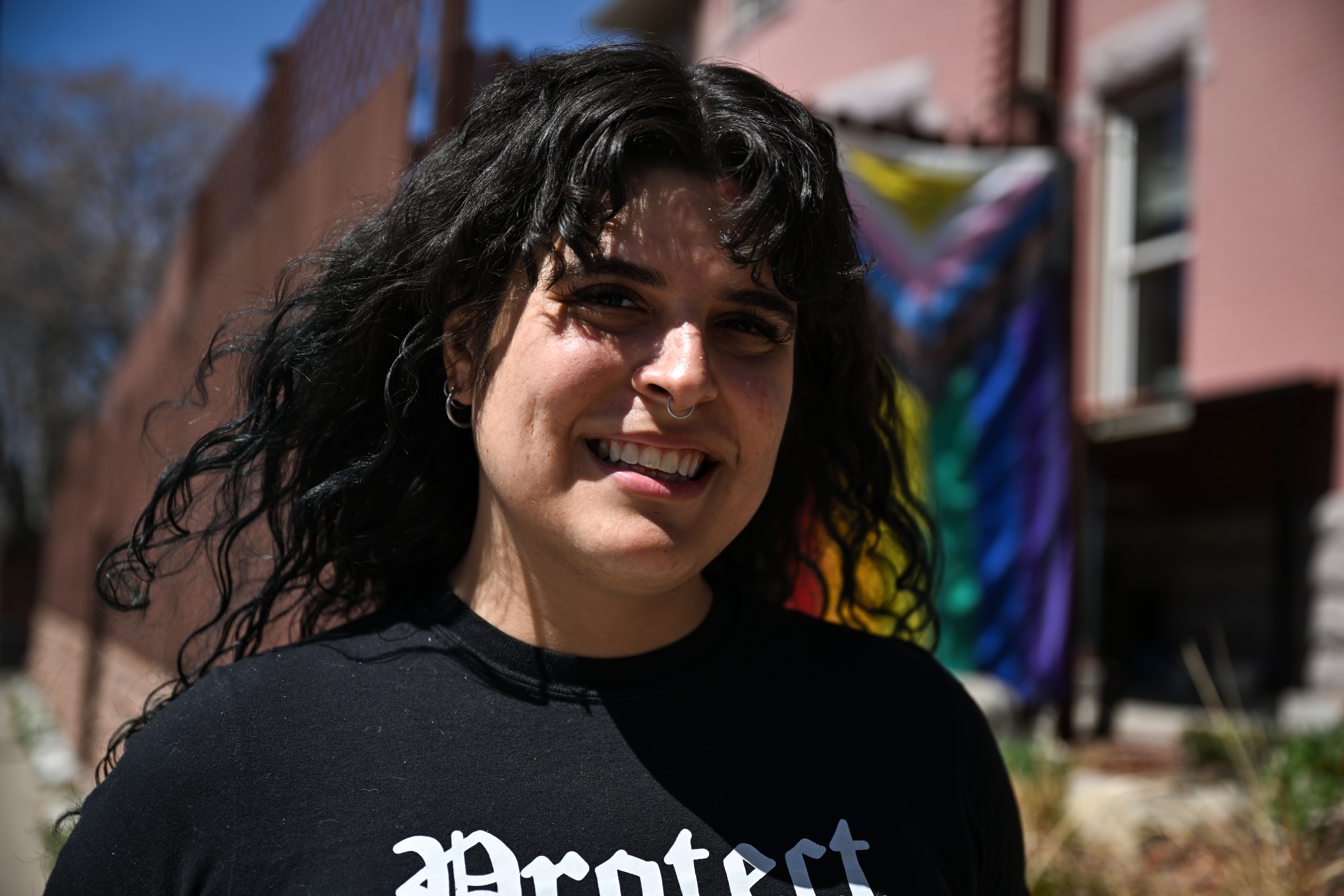
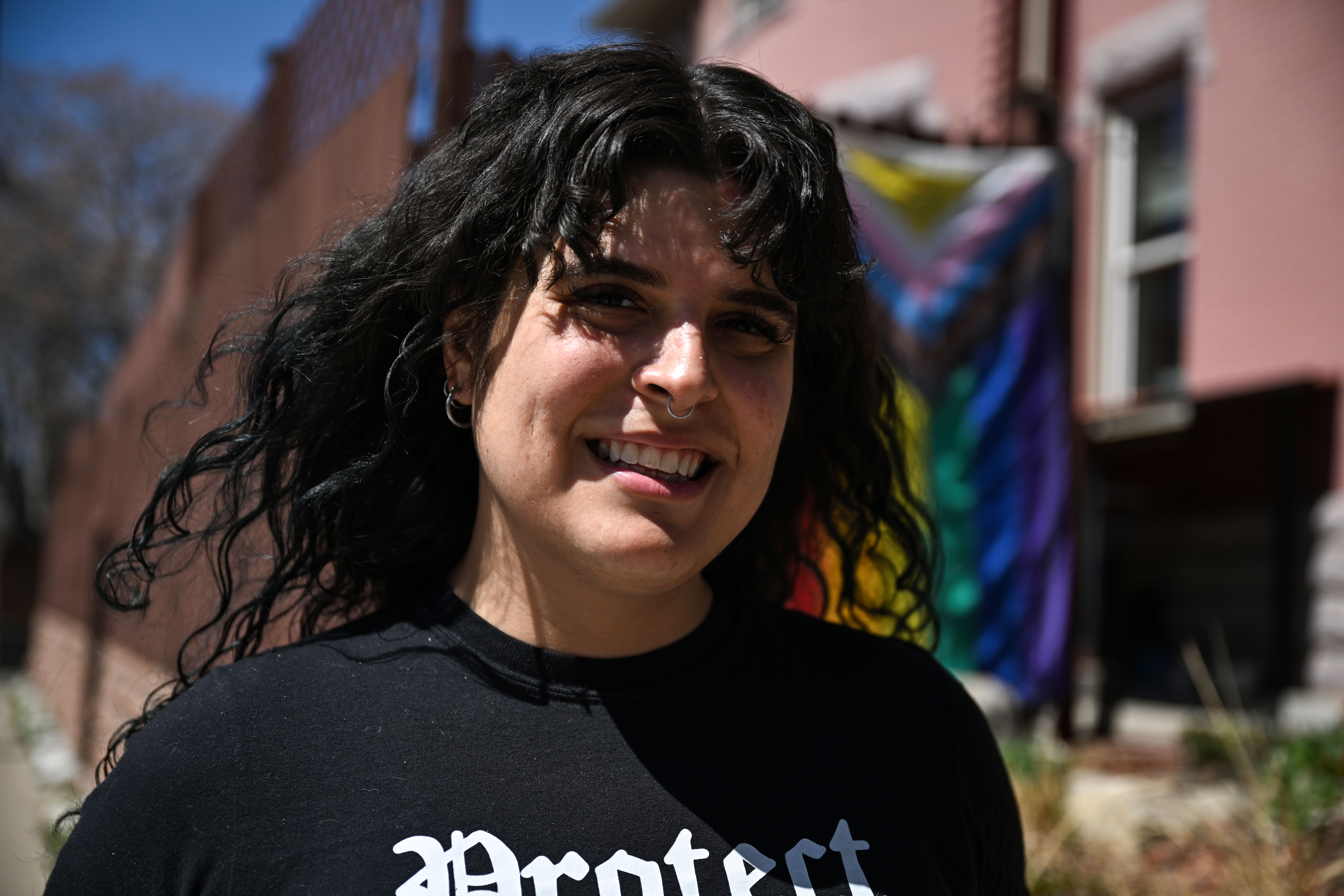
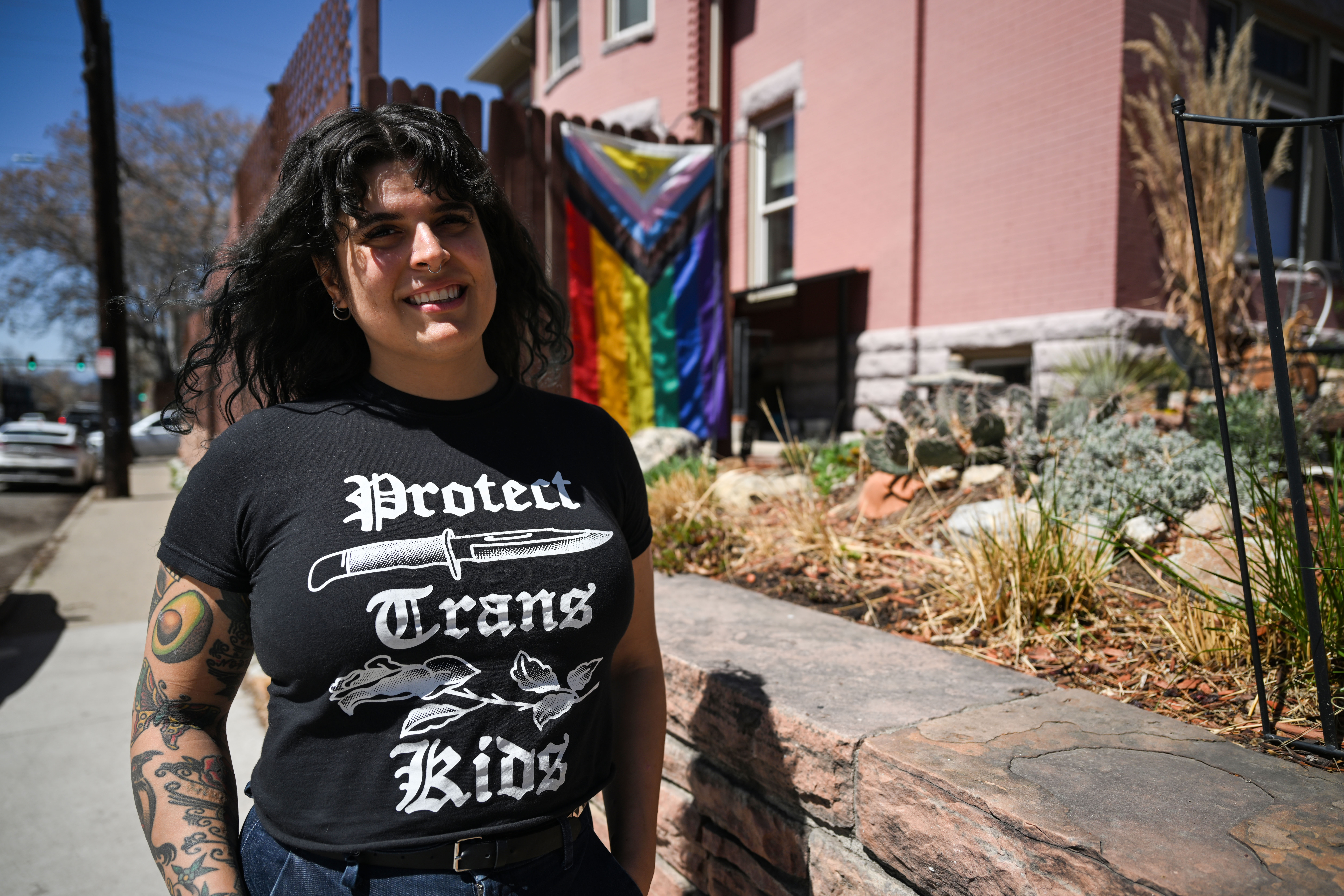
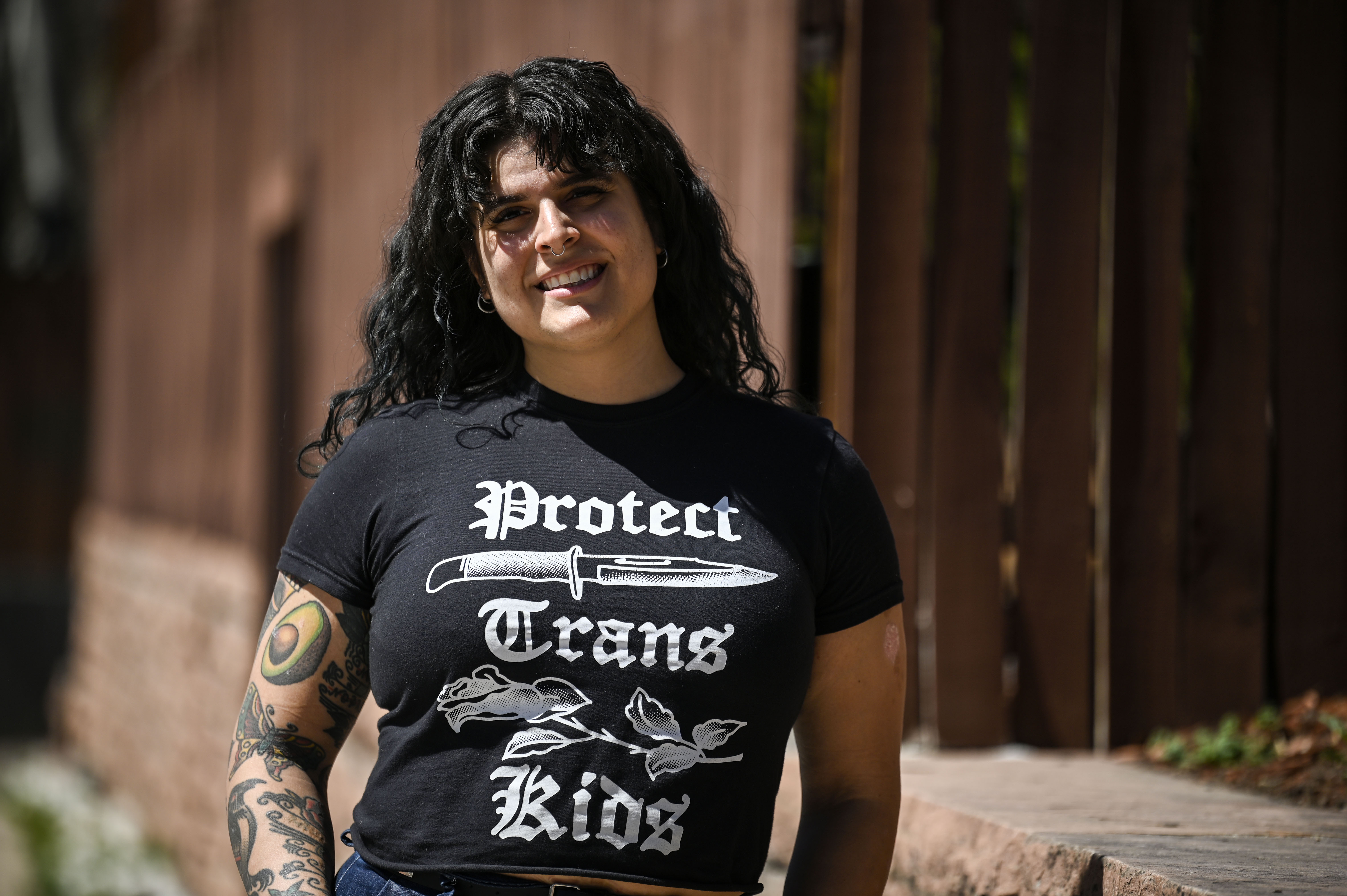
Ruby Sofia Lopez sees being a transgender woman as a political act because living openly challenges long-held societal norms about gender.
The 33-year-old Denverite grew up in an immigrant family in a small suburb outside of Chicago. With little exposure to the trans community — aside from watching Laverne Cox on “Orange is the New Black,” a dramedy TV series on Netflix — Lopez said she struggled to understand, let alone accept her trans identity.
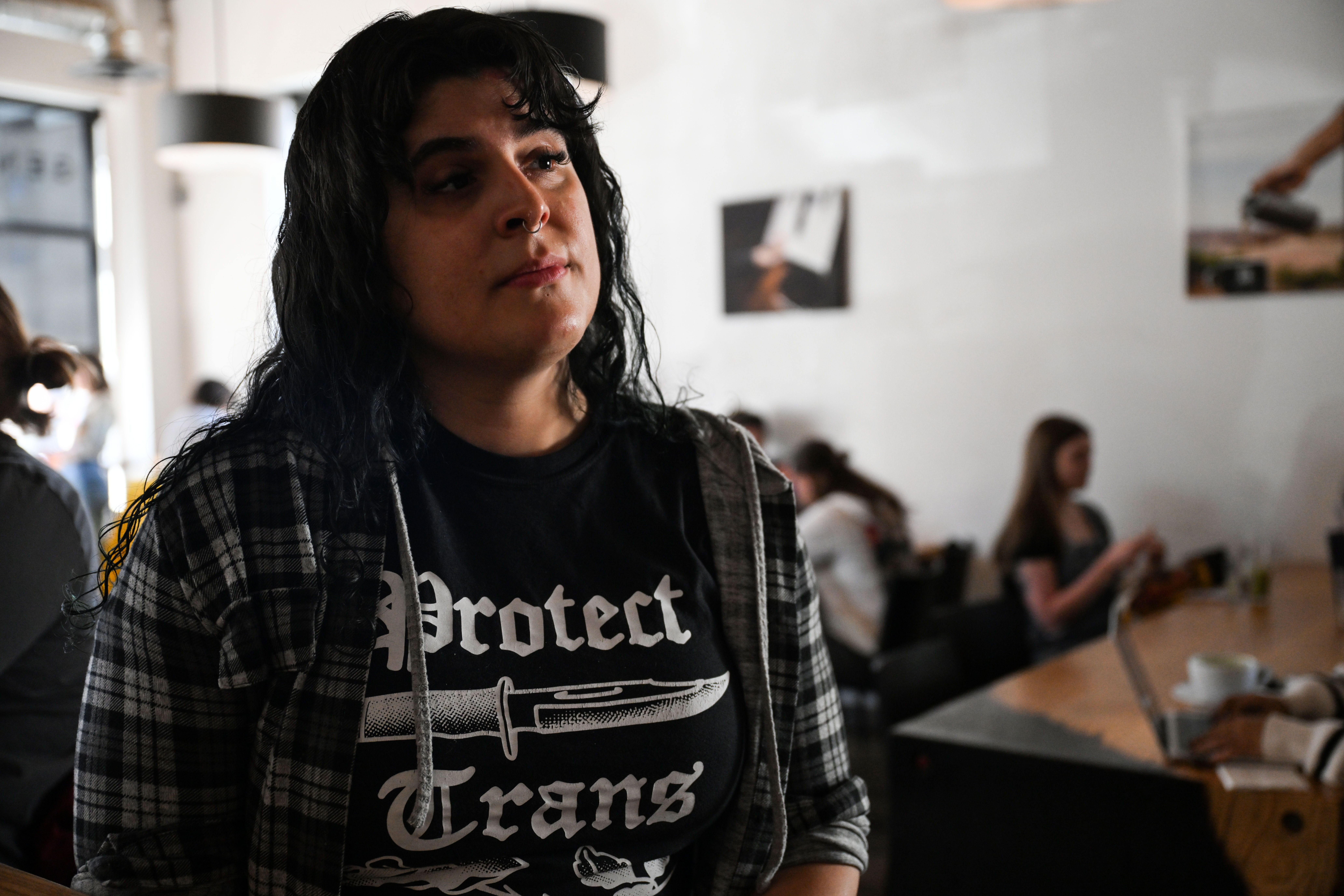
“I think my story is a story of what I would consider unnecessary self-imposed struggle for the sake of wanting to appease others at the cost of oneself,” Lopez said. “I don’t want other, younger trans folks to go through what I’ve gone through.”
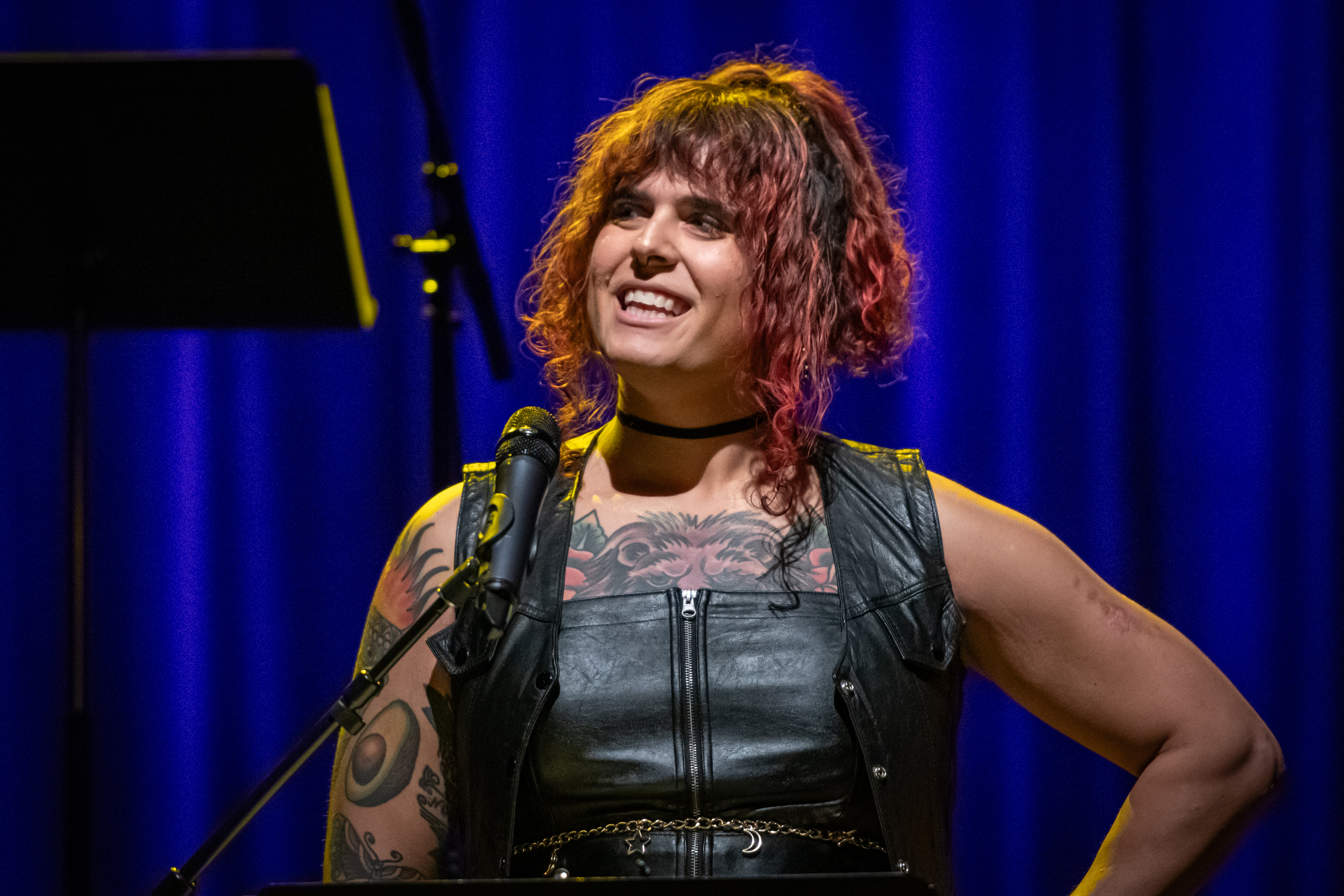
She’s one of three monologists who will be performing a soliloquy at the University of Colorado Denver at 4 p.m. on Tuesday, April 15. Brought to the stage by the Motus Theater, “TRANSformative Stories” features the stories of transgender and non-binary individuals — including Lopez — sharing their story, center stage.
The event will also feature a live musical underscore by violinist Anthony Salvo, followed by a community discussion.
Tickets are free. But registration is required.
“These are stories that deserve to be heard,” said Cristian Solano-Córdova, a Motus Theater spokesperson.
Created in Boulder in 2011, the Motus Theater’s mission is to create original productions that spark discussions on the “critical issues of our time,” according to the organization’s website.
The subject of transgender rights has become one of the most polarizing political and social issues in the United States.
While visibility has brought more public acceptance, it has also ignited an intense political backlash with dozens of states introducing or passing legislation targeting transgender individuals, particularly trans youth. State laws have frequently focused on restricting what is called “gender-affirming health care” — which can include counseling, hormone therapy and puberty blockers as well as surgeries for some adults — limiting sports participation and dictating the bathrooms transgender people can use.
Supporters contend these laws protect children and preserve fairness in athletics while critics call these measures discriminatory, arguing it jeopardizes the health and wellbeing of an already vulnerable population.
For many transgender Americans, like Lopez, the political environment can create the feeling that their queer identity is under constant scrutiny and attack.
“I feel like if we’re not telling our own stories, other people will,” Lopez said.
Editor’s note: Class Notes is a recurring update on area school districts from education reporter Nicole C. Brambila.