







Public scandals compel Colorado lawmakers to intervene | ANALYSIS
For the second year in a row, the Colorado legislature intervened to tackle scandals that many said have shaken the public’s faith in state institutions and industries.
In 2025, lawmakers passed three new laws aimed squarely at controversies surrounding the Colorado Bureau of Investigation. Last year, state lawmakers worked on regulations around who could work in the funeral industry.
This year’s bills are all tied to the misconduct allegations against Yvonne Woods, a nearly 30-year employee of the investigation lab accused of deleting data and manipulating DNA evidence in more than 1,000 instances.
Those errors are estimated to have cost CBI more than $11 million. Woods has since been indicted on 102 felony charges.
As the repercussions continue to mount, the conviction of a man in Boulder County was vacated after a retest of evidence by an independent lab in Virginia. The man had been arrested and convicted years after a 1994 murder in large part on the strength of a DNA analysis by Woods. His case was not among the 1,000 “anomalies” that CBI identified, leading some to speculate that the problem implicates many more.
Just before the close of the 120-day session, the legislature passed Senate Bill 304, which focuses on a backlog of rape kits. Under the proposal, rape kit testing will now be under the direction of the Department of Law.
SB 304, which awaits Gov. Jared Polis’ signature, also establishes a “Sexual Assault Forensic Medical Evidence Review Board” within the Department of Law.
The board would be charged with “reviewing and monitoring the effectiveness of current protocols, standards, and training practices in the criminal legal system response to sexual assault.” It would also be required to make victim-centered recommendations to the General Assembly by Nov. 1, 2026 on improvements under the federal Violence Against Women Act of 1994.
The bill initially called for $150,000 to fund a sexual assault kit coordinator. However, the funding was stripped against the backdrop of a $1.2 billion budget deficit.
Under SB 304, law enforcement must notify a victim at least every 90 days if the agency has not received the test kit results. The bill also requires an accredited crime lab to analyze those kits within 60 days of receipt.
Lawmakers approved two other bills to address the CBI scandal.
SB 170, sponsored by the Joint Budget Committee, allows the bureau to roll over existing funds to hire third-party labs to continue to process the growing backlog of rape test kits. Polis signed the measure into law on March 26.
HB 1275, which also awaits the governor’s signature, requires crime lab employees to report wrongful actions and an investigation by the lab director. It also creates a process for individuals to seek post-conviction relief if their case is implicated.
Scandal hit funeral industry in 2024
The CBI scandal comes a year after problems in the funeral industry surfaced, which some attributed to Colorado being one of the only states in the nation not to require licensing in the industry.
In 2024, the state legislature passed Senate Bill 173, which requires licensing for funeral home directors, mortuary science practitioners, embalmers, cremationists and natural reductionists.
The bill also mandates current practitioners to obtain a provisional license.
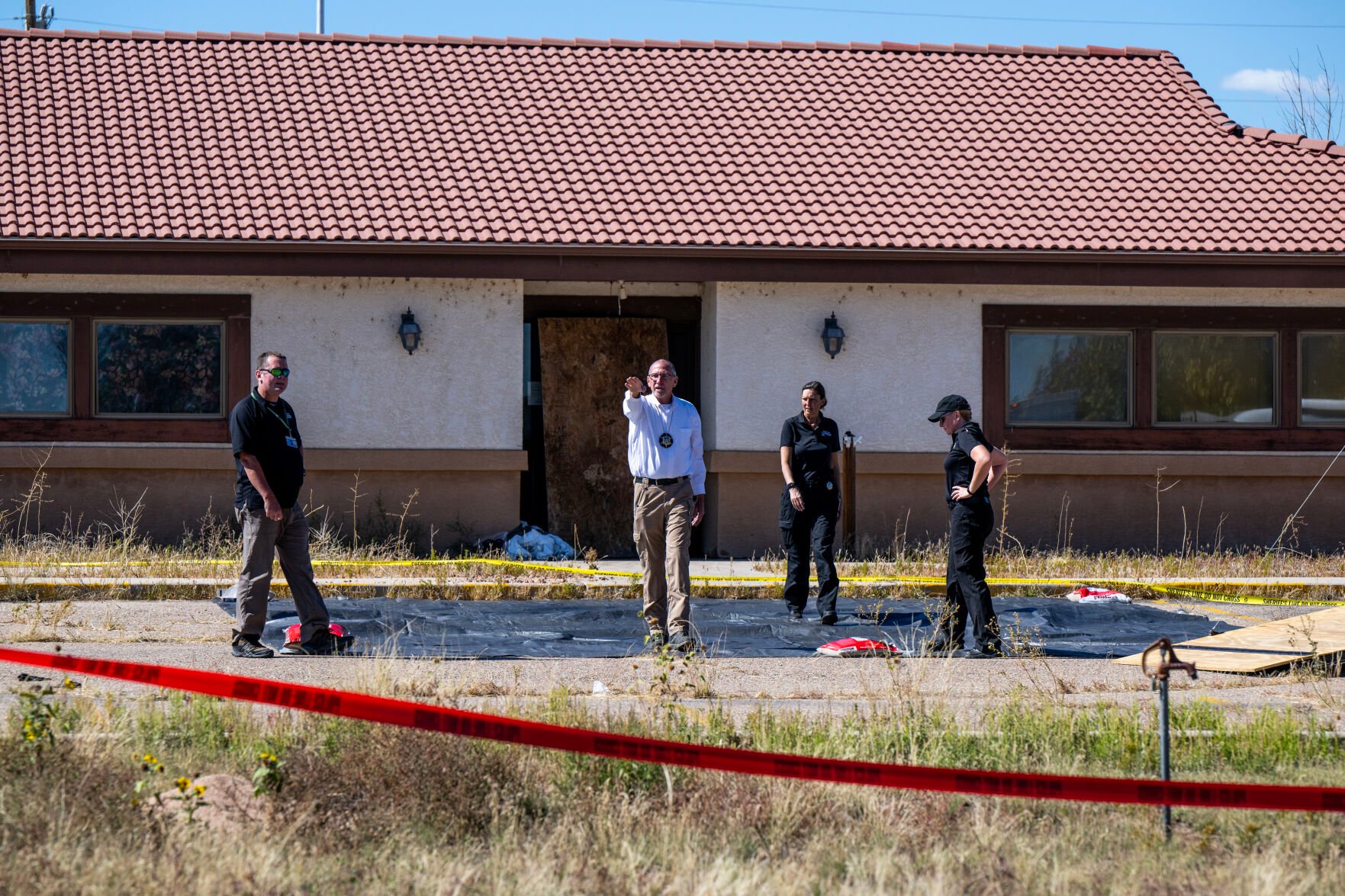
In Penrose, some 200 bodies were left to decompose at the Return to Nature funeral home. The couple who owned the funeral home face a slew of federal charges.
In Denver, the cremains of 30 people, plus the body of a woman left in a hearse for two years, were tied to another operator whose license had also expired.
Years before, a mother and daughter in Montrose who owned a funeral home are both serving time in federal prison for selling body parts.
Marianne Goodland and The Denver Gazette contributed to this report.