




Volcanic action on dark side of moon? 2 Denver space companies to look into it
ispace technologies and Blue Canyon Technologies will team up for a lunar landing in 2026
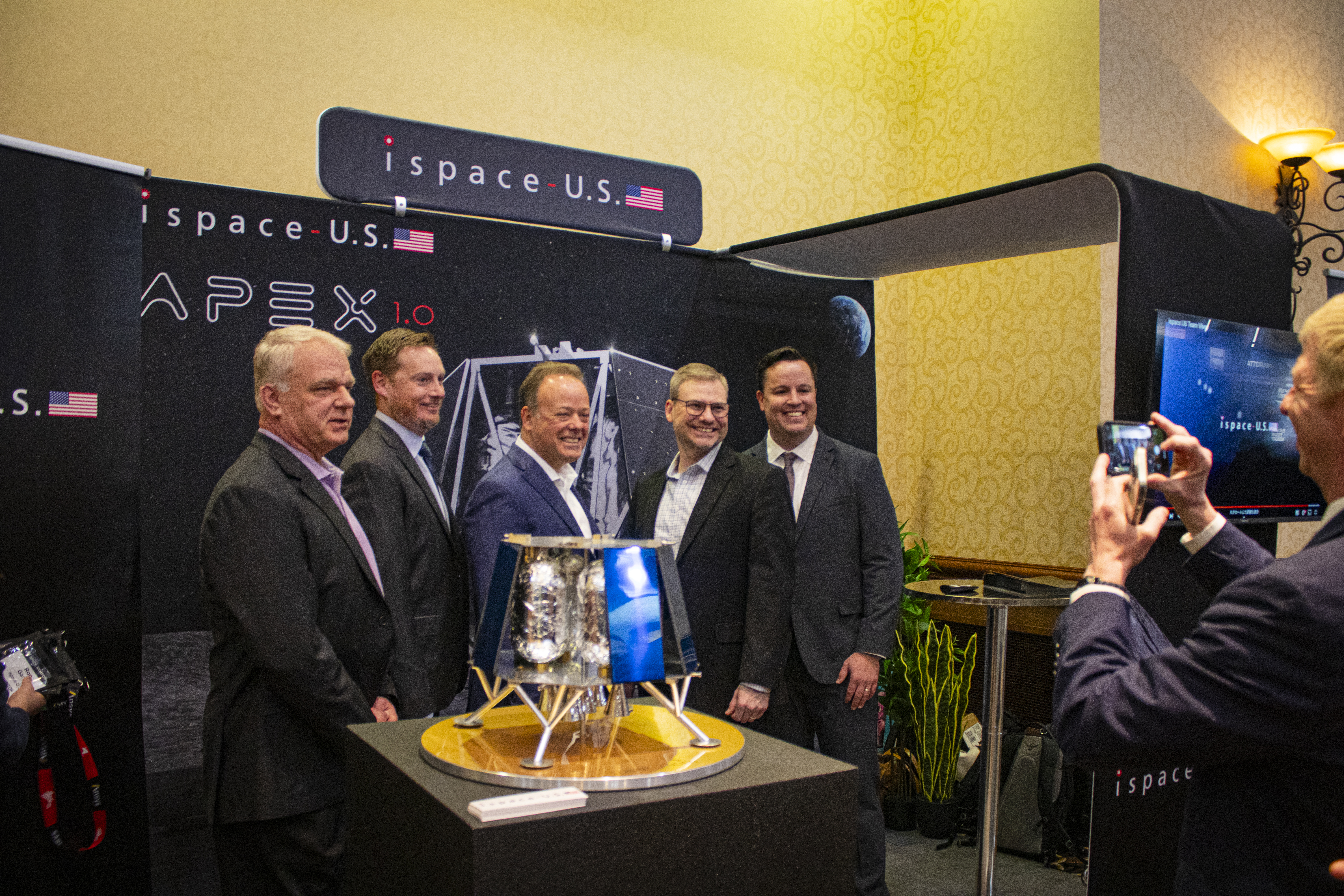
A massive crater near the lunar south pole is home to one of the most recent volcanic activities on the moon known to man.
The area could be critical to better understanding the moon’s history.
Two aerospace companies based in the metro Denver area announced Tuesday that they are working together on a mission to study the Schrödinger Basin on the dark side of the moon.
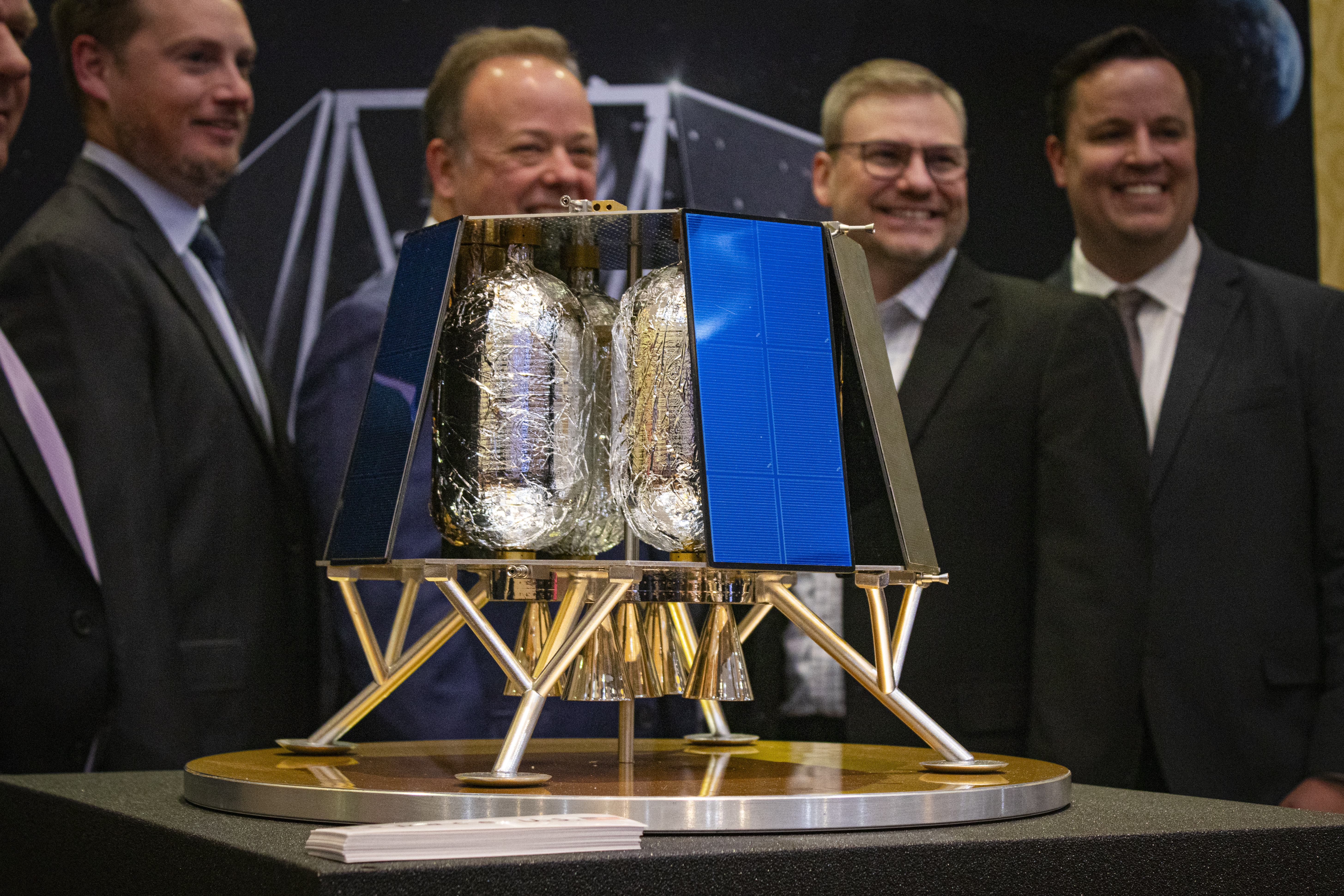
ispace technologies US, Inc. — a Tokyo company that opened its U.S. headquarters in Centennial last year — designed a lunar lander that will hold seismometers on board to collect the first seismic data of the far side of the moon for NASA.
The company will partner with Lafayette-based Blue Canyon Technologies, a subsidiary of Raytheon after it acquired the startup in 2020, to build two small satellite busses orbiting the moon to help relay communications from the machine back to Earth.
The partnership “opens up the far side of the moon for scientific discovery,” Ron Garan, ispace technologies U.S. CEO told The Denver Gazette.
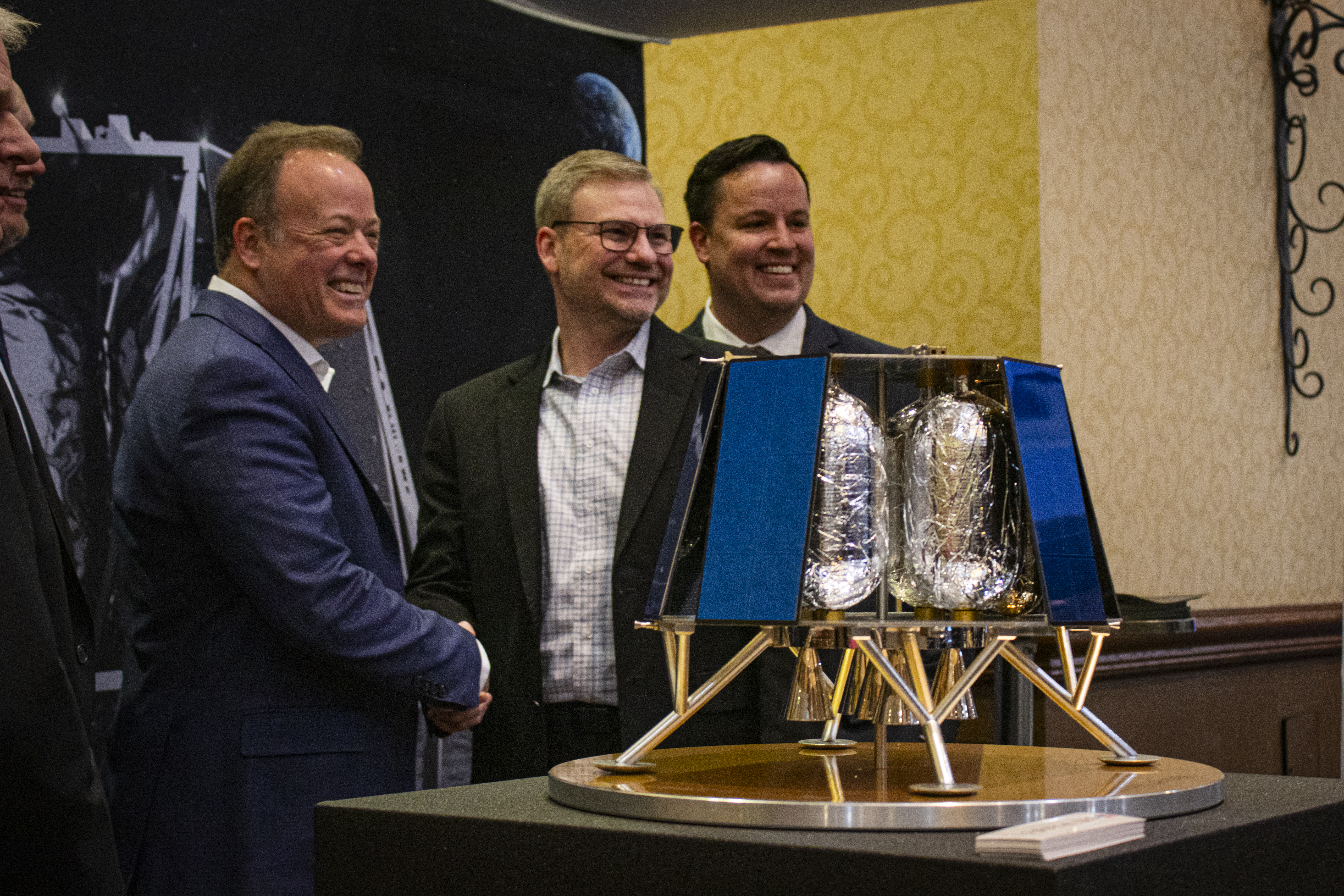
Executives from both companies met at the aerospace trade show Space Symposium, hosted at the Broadmoor Hotel in Colorado Springs until Thursday, to celebrate the official partnership.
The lunar lander will launch on board a SpaceX Falcon 9 rocket in 2026.
An age old question: What’s on the dark side of the moon?
The far side of the moon has been virtually unexplored compared to the side facing Earth. ispace would be one of the first companies for the U.S. to do a mission on the dark side.
“Schrödinger Basin really has a rich history of the entire moon development … There’s rocks and samples there that have never been even close to being seen,” said Ryan Whitley, ispace vice president of engineering.
Many people assume the moon’s tectonic movement is dead, Whitley said, but it’s still active and the crater is one of the most recent lunar sites of volcanic activity. According to NASA, the lander will also look into the moon’s structure and how it’s impacted by meteorites.
The CP-12 lander mission is led by Draper as ispace cannot contract directly with NASA because it’s based in Japan and not a majority U.S.-owned company, Whitley said.
The Draper Lunar Lander utilizes ispace’s Apex 1.0 lander design.
“We’re responsible for everything except for the software systems to land on the moon,” Whitley said, adding propulsion systems would be built in Durango by Agile Space and other parts will be built in ispace’s Denver facility. The full lander will be fully assembled in Washington before being sent to Cape Canaveral, Fla.
ispace’s U.S. headquarters — with more than 100 employees — is the design center for the Apex 1.0 lander and a mission control center.
It’s a difficult mission. The lunar lander will have to get on the moon’s surface blindly without real-time guidance.
But once it does land, then humans will have access to the device’s signals.
One thing to get there, another to get data back
Once it touches down, the lander will relay a signal to two Blue Canyon Technologies satellites orbiting the moon to send the information it collects back.
“The line of sight is obstructed by the moon itself when you’re on the far side. So you need orbiting satellites to be able to conduct the communications,” Garan said.
Blue Canyon Technologies is one of the leading manufacturers of small satellites and cube satellites, a quickly growing segment of the aerospace industry. The Lafayette-based company has two factories in Boulder.
Its other notable projects include a methane-detecting satellite in partnership with former Ball Aerospace, now known as Space and Mission Systems, and climate advocacy nonprofit Environmental Defense Fund.
The two satellites on board the Draper Lunar Lander will boost connections in an area hard to get signals from, since it faces away from the Earth, and will be important toward NASA’s goal to develop a robust lunar infrastructure for future colonization, said Blue Canyon Technologies General Manager Chris Winslett. It can also be used in future commercial activities.
“It’s actually able to have a viewpoint of the Earth and so by having two, it gives you twice as much ability to make those communications,” Winslett said.
Get OutThere
Signup today for free and be the first to get notified on new updates.
PREV
PREVIOUS
Audio: Jena Griswold impeachment resolution hearing
Click the play button above to listen to the audio of the impeachment resolution hearing.

Summer paradise offers beaches, boating, swimming and more in Colorado
Although Colorado is a landlocked state, it’s still possible to find many miles of shoreline to enjoy during the summer, including at Blue Mesa Reservoir and the Curecanti National Recreation Area. Blue Mesa Reservoir offers abundant recreation and plenty of lounge-worthy beaches, making it a summer paradise. Located on the upper reaches of the Gunnison […]