




With 2 high-profile cycling events gone, organized ride industry finds ways to thrive in Colorado
Cycling event experts say with more than 200 events annually, road cycling still an outdoor recreation staple here
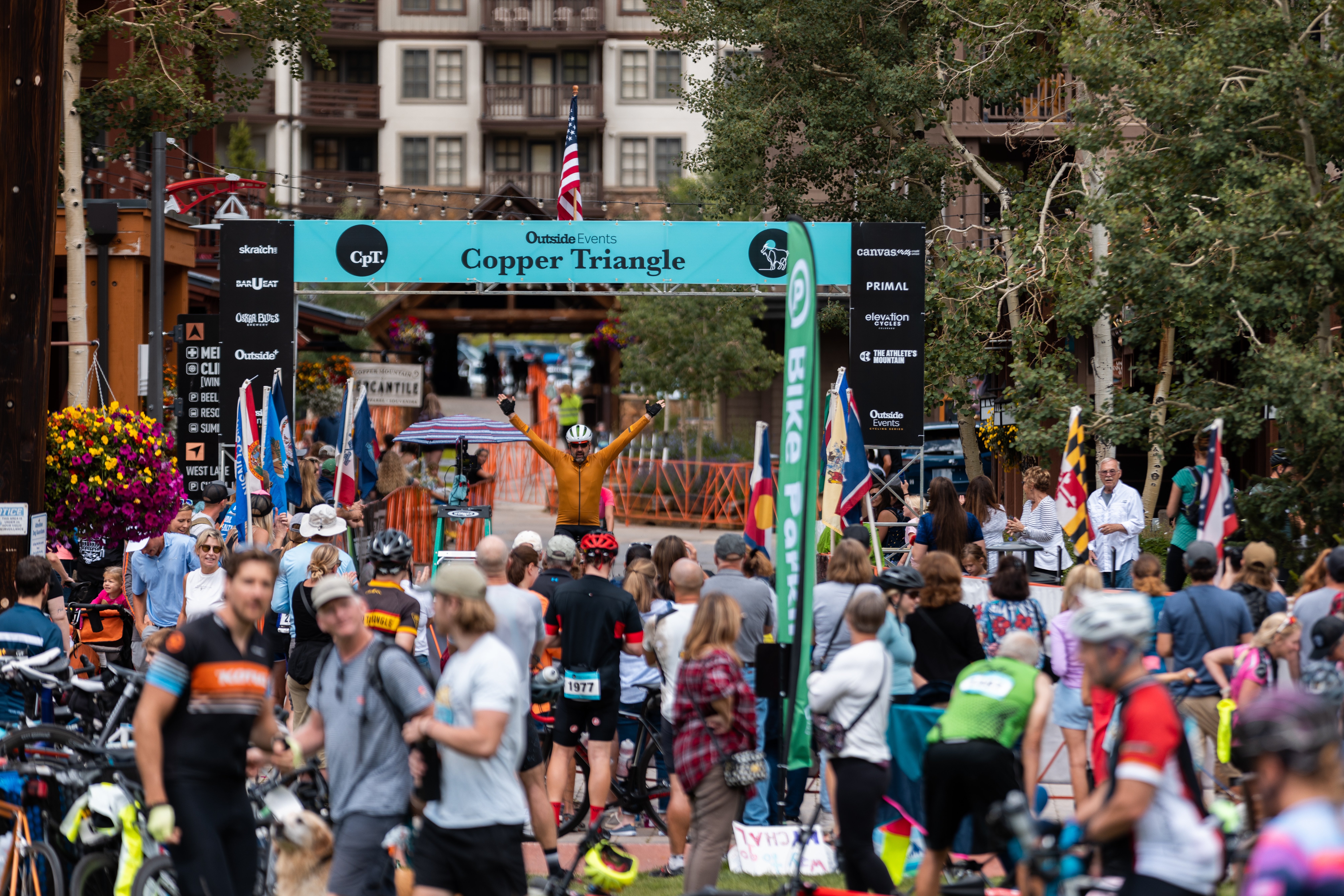
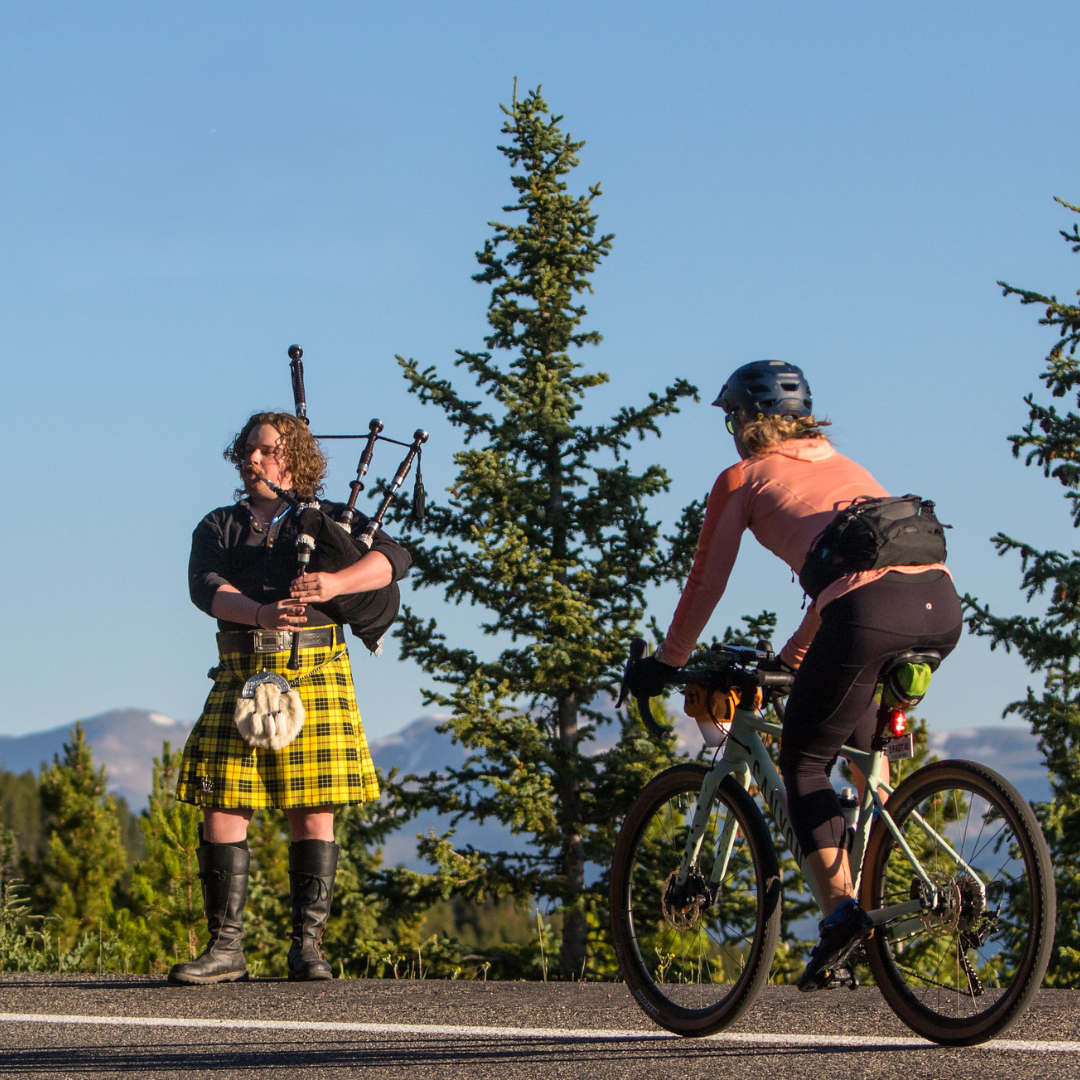
With the end of two popular and longtime Colorado organized cycling rides, some road riders worry aloud about the state of the industry, but they remain optimistic that, with the right mix, events will thrive.
First, the Elephant Rock ended in 2022 after 35 years. Considered the start of Colorado’s organized road cycling season, as it always happened in early June and drew as many as 7,800 riders at its peak. Organizers cited safety concerns in ending the ride. The growth of Castle rock — which was 10,000 residents in 1987 when the ride started and more than 80,000 by 2022, according to U.S. Census data — caused increased traffic and some friction with new neighborhoods around the Douglas County fairgrounds.
Next came the cancellation of Ride the Rockies in April after more than 30 years. The six-day event drew up to 2,000 riders at its peak, each traveling 60-80 miles of scenic Colorado mountains per day.
“There’s always ebbs and flows to any sport,” said Scott Olmsted, co-founder of the Copper Triangle ride and former director of the Elephant Rock.
But Bicycle Colorado, an advocacy group for more than 30 years with more than 10,000 members, said there are plenty of healthy organized road rides, despite headwinds of inflation, increasing popularity of mountain and gravel riding and ever-growing traffic causing safety worries.
“It’s still a pretty robust marketplace that’s contributing to a robust industry in Colorado,” said Peter Piccolo, Bicycle Colorado’s executive director.
The nonprofit group tracks some 132 competitive events statewide, as well as 14 local series organizers that hold four-to-six events each throughout the summer and finally more than 100 non-competitive, recreational events. Most all non-competitive events allow eBikes to increase participation and allow longtime riders who might have had to hang it up to keep going.
The thrill of the ride
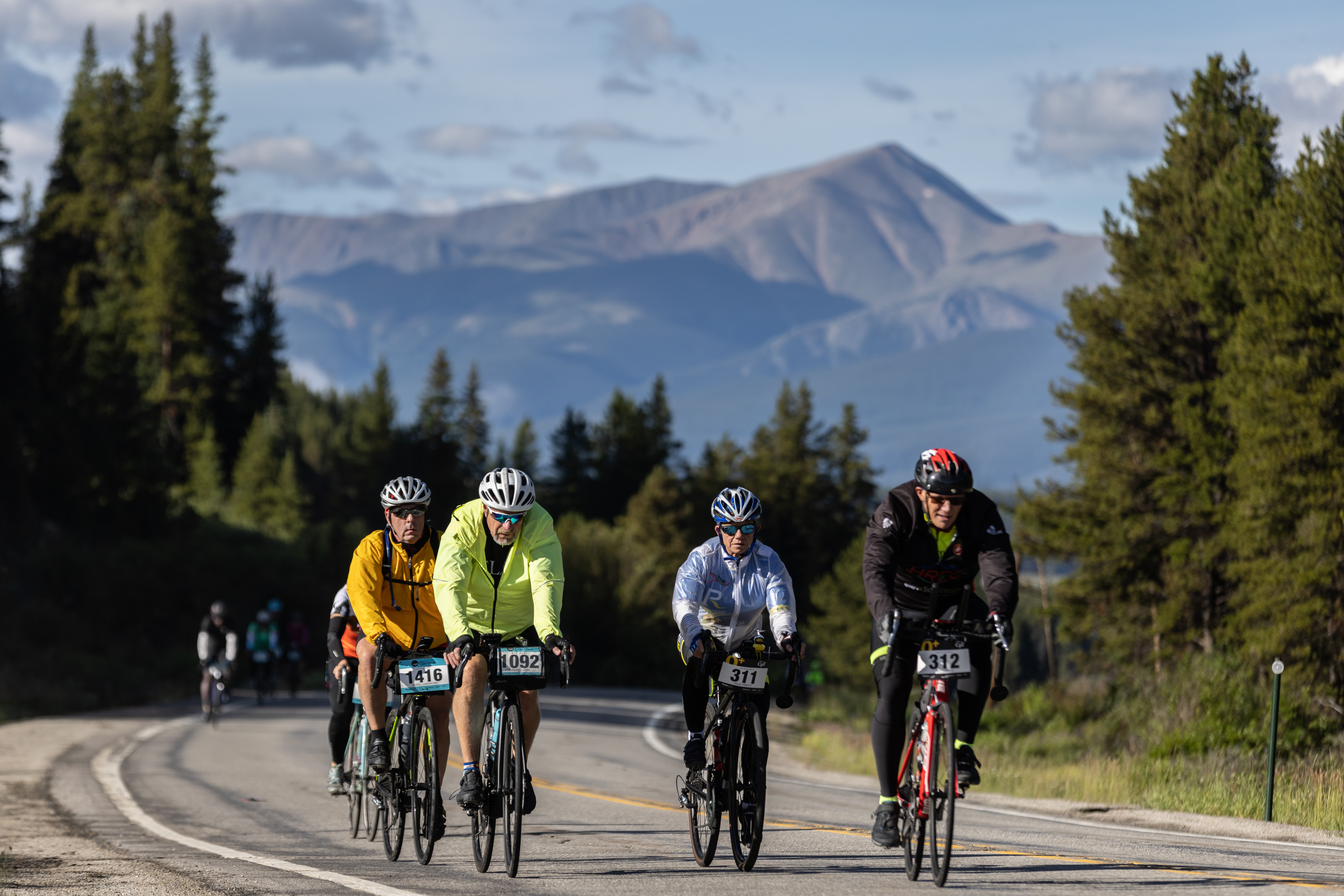
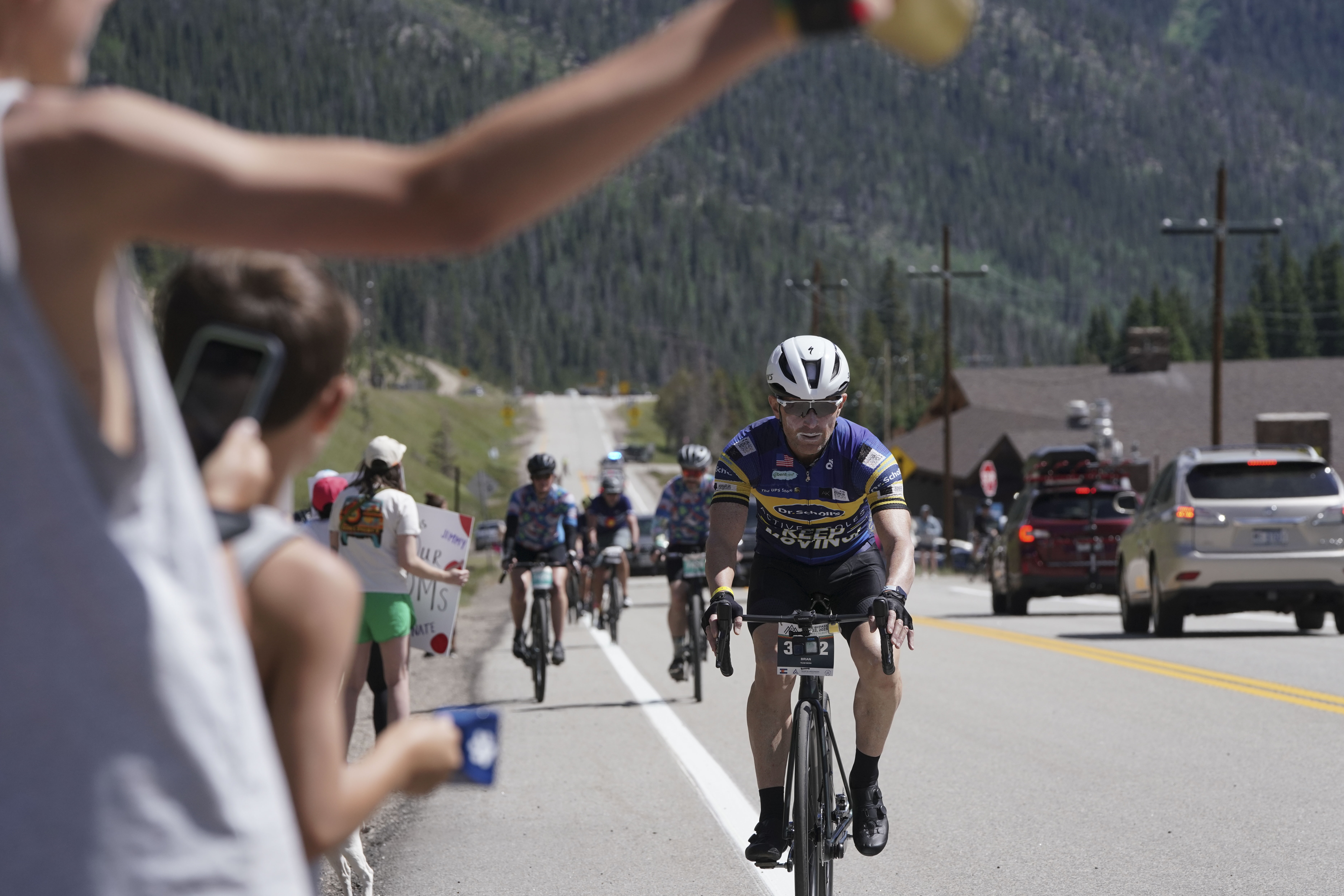
For many participants, it’s an incredible rush to traverse mountain passes, through several mountain towns, with hundreds of other riders and the support of traffic control from state and local law enforcement, aid stations stocked with water and energy food, as well as support and gear teams following to help with any hiccups.
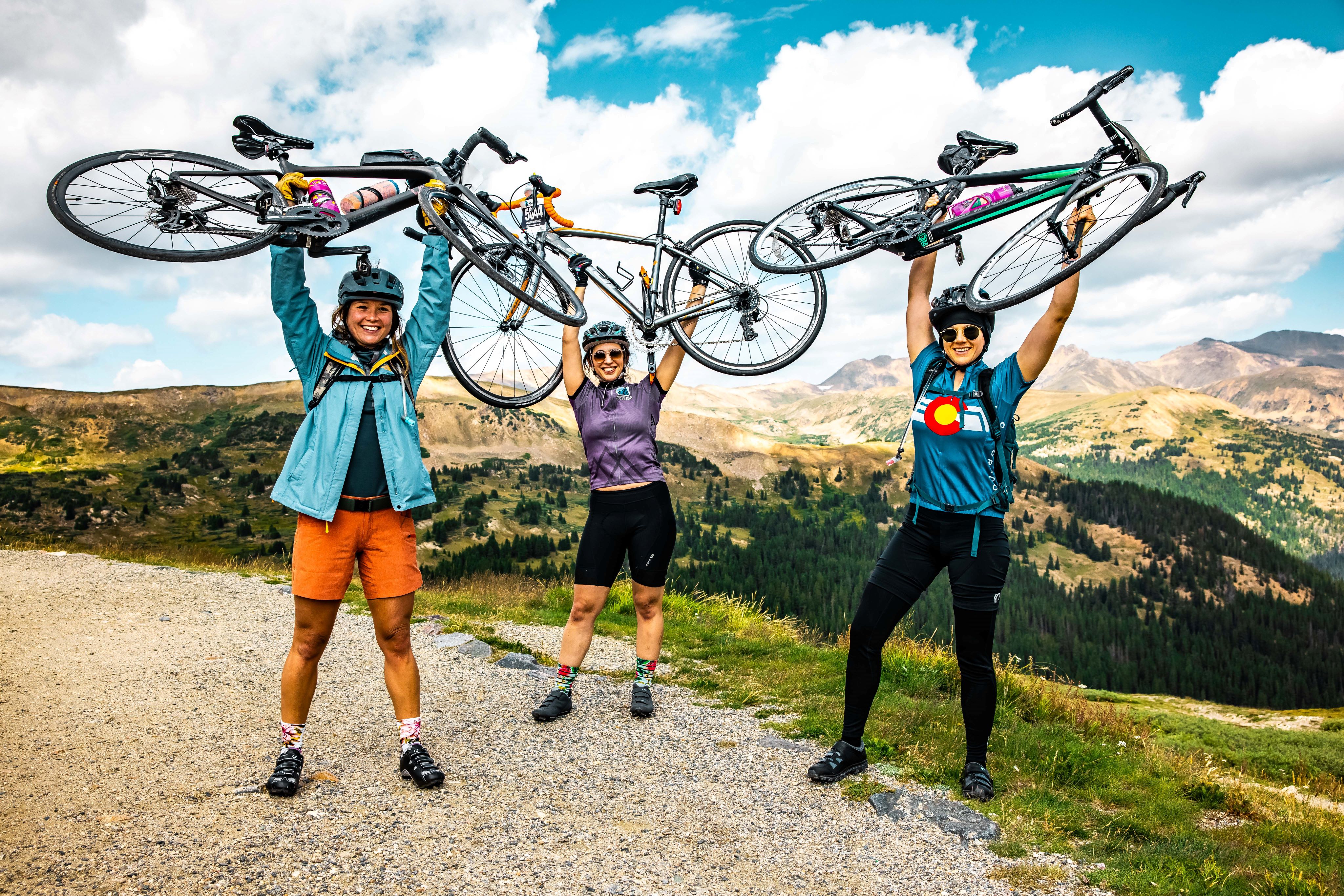
“You feel like a professional rider,” said Michael Ahlers, a Triple Bypass participant. “Bike fans watch the Tour de France and say, ‘I wish I could ride in a place like that.’ The Bypass has that mind-blowing ‘wow’ factor like ‘this is amazing.’ It’s so beautiful, you forget you’re working on that bike.”
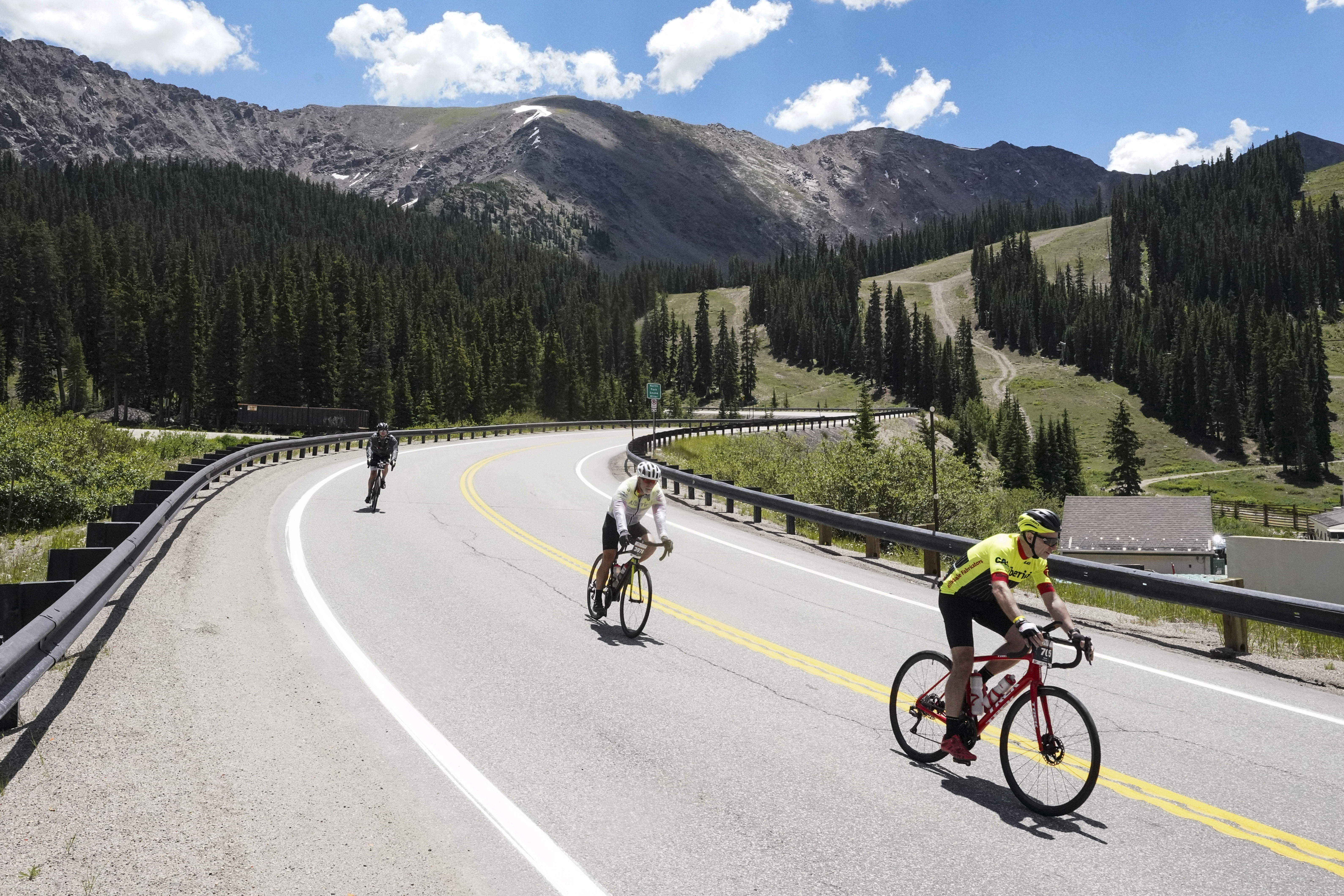
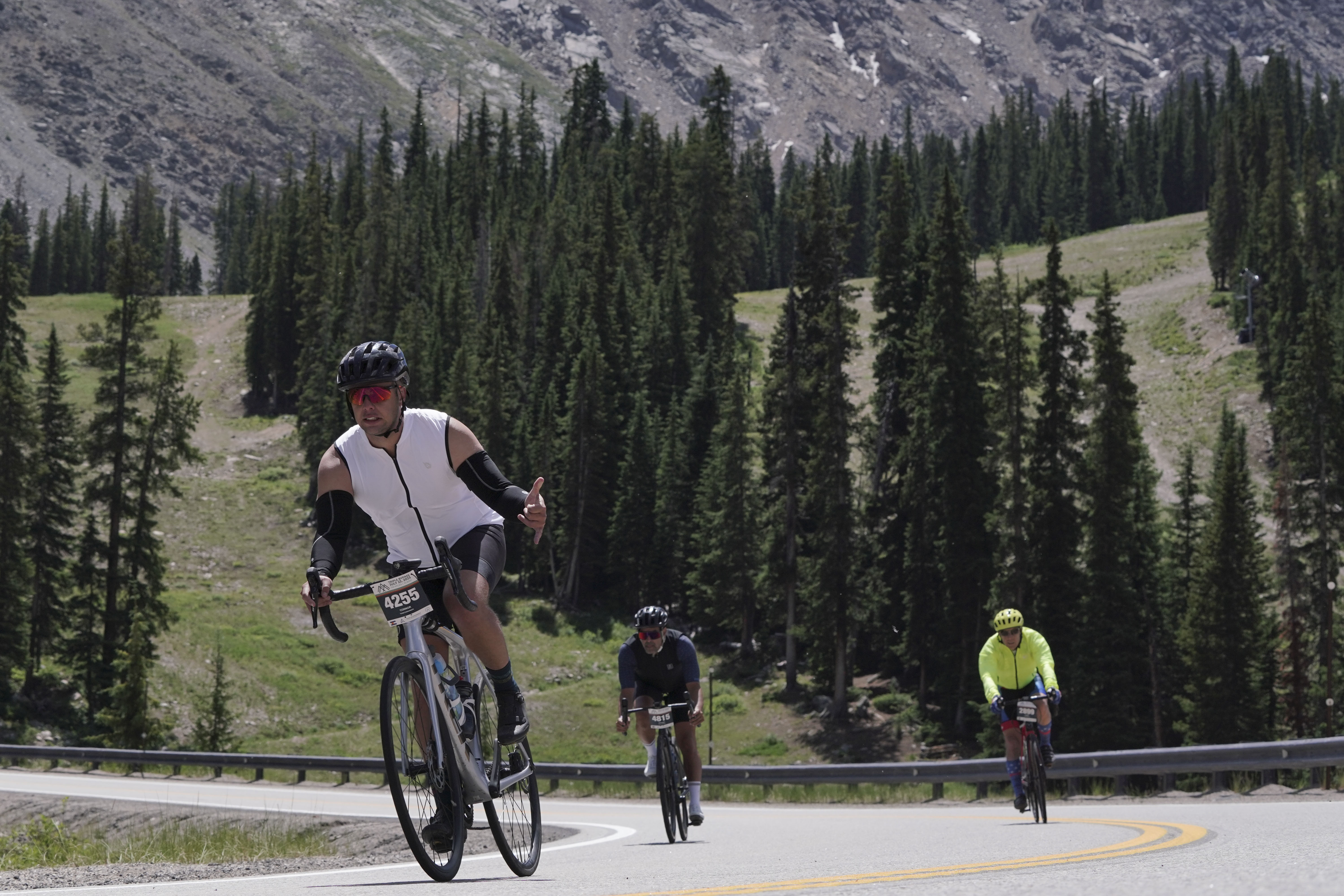
The Triple Bypass, which started in 1988 by a small group of riders with Team Evergreen, starts July 13 in Evergreen and includes three mountain passes (Juniper, Loveland and Vail) over the course of some 118+ miles.
“It’s a very unique and exceptional course,” said Jen Barbour, executive director of Team Evergreen. “We’re close to selling out again.”
Like with many organized road rides, there’s a charity component with the Triple. In recent years, it added the “Double Bypass,” which starts in Georgetown and finishes in Avon.
“Our goal is to get more people on bikes and give away money,” Barbour said.
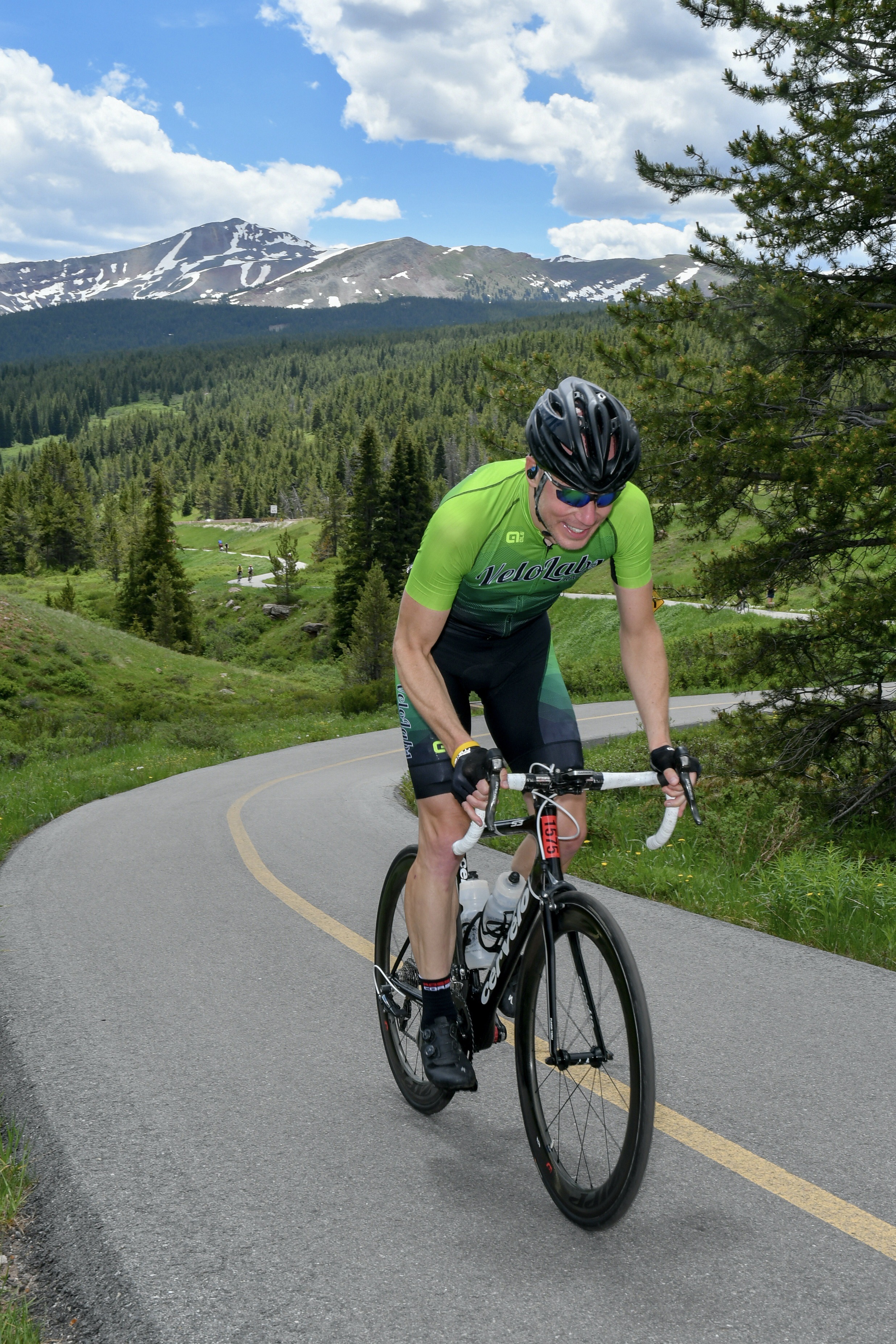
It’s tough the beat that feeling riders get from, say, the Copper Triangle, scheduled for Aug. 3. It starts and finishes in Copper Mountain. The 79-mile course takes riders over Fremont Pass, Tennessee Pass and finally Vail Pass. Riding into the cobblestone Main Street in Copper Mountain — with spectators cheering from balconies of condominiums and hotels, and fans ringing cowbells along the course route — is an experience tough to top, Olmsed said.
“Once you’ve finished, you’ve really accomplished something,” he said. “A big part is coming into Copper and the village and standing in the cheering community. They love it.”
Like everyone else, many organized road rides are facing inflation pressures. That includes increased costs from the towns and U.S. Forest Service for permits and traffic control, as well as port-a-potty rentals. They also deal with more competition from gravel, mountain bike rides, running events and summer tourism in general.
“If you look at the financial model, it’s a tough business model,” Piccolo said. “If an investor came to me and said, ‘I want to do this and have a really good return on my capital,’ I wouldn’t recommend it. I’m not saying you can’t make a little money, but I’m always a little cautious when larger, for-profit companies” look to organize an event.
Some road rides thrive
It’s kind of like when Coldwell Banker started the Denver Century Ride in 2010.
“They asked us to create a ride that showcased cool areas you could live in Denver, from downtown to the suburbs,” said Bruce Erley, executive producer. “They owned it for two years, but then realized they didn’t want the liability. They’re still the title sponsor, but now there’s one degree of separation.”
The ride, scheduled for Sept. 28, starts and finishes at The Shops at Northfield. Organizers recently signed a 10-year contract to keep it going to 2033.
“We have hundreds of turns and work with dozens of municipalities,” Erley said. “We want to be to cycling what the Colfax Marathon has done for running —showcases metro Denver.”
Sabra Nagel, former director of Ride the Rockies, said the Denver Century’s 50-mile ride is the event’s “fastest growing demographic.”
“People get to see parts the city they wouldn’t explore on their own, or on streets they’ve been afraid to ride (because of traffic) before,” Nagel said.
Up to 64 Denver Police Department officers provide traffic control, and offer “rolling closures” as they can to get cyclists through high-traffic intersections.
The route crosses City Park, Coors Field, Union Station, The Aquarium, Empower Field at Mile High, Meow Wolf and then it splits for century riders, who head out towards Lookout Mountain.
“There’s really safety in numbers and organized rides are popular for that reason,” Nagel said.
She laments the abrupt end to Ride the Rockies this year, especially for the towns that looked forward to 1,000-plus riders staying and visiting local businesses.
Nagel told CPR when the event was cancelled: “I feel bad for all the communities that have worked so hard to bring this event that I’m devastated for the financial impact some of these communities are going to see because their hotels have been booked full and now people are going to be canceling those reservations.”
Bicycle Colorado’s Piccolo said the more event organizers can make organized rides “more welcoming to entry-level riders, and those of all body shapes, genders and ages,” the better off they’ll succeed.
“I’m really optimistic about the future of bike events,” Piccolo said. “There’s work to be done, but it’s an important part of Colorado’s outdoor recreation industry.”
Get OutThere
Signup today for free and be the first to get notified on new updates.
PREV
PREVIOUS

Von Miller's 'Von's Vision' treating Colorado kids to free glasses Wednesday | Colorado Sunshine
Where good news shines Von Miller’s long gone as a Denver Bronco. His foundation is still doing work in Colorado. “Von’s Vision” is hosting free eye exams and glasses for kids ages 3-17 at Adventure Vision in Commerce City on Wednesday. Interested parties can call 888-446-8997 to schedule an appointment. Miller founded Von’s Vision in […]

Trump New York judgment nears as judge prepares jury instructions
NEW YORK — The legal framework that a Manhattan jury will use to evaluate the charges against former President Donald Trump will be unveiled by Judge Juan Merchan on Wednesday. The long-anticipated jury instructions will come nearly a week later than initially scheduled, amid widespread speculation about the precise legal criteria the jury will consider […]