Denver schools’ superintendent pay increased by $42,000 in 15 months
Alex Marrero's pay has grown to $346,529, from $276,000, in just over three years. He's the highest paid superintendent in Colorado.

Denver Public Schools Superintendent Alex Marrero has quietly seen his base pay grow by 14% in just 15 months, The Denver Gazette has learned.
The growth in his base pay is even higher — at 26% — when considering he started with the district at $276,000 a little more than three years ago.
About 19 months ago — at Marrero’s prompting — the board of education gave him about a 10% raise to $305,000.
That move made Marrero, who helms the state’s largest school district, the highest paid superintendent in Colorado at the time.
Then about three months later, Marrero got a cost-of-living or COLA adjustment, bumping the superintendent’s base pay to $329,400.44, Scott Pribble, a district spokesperson, said on Tuesday.
Marrero’s most recent pay bump was a 5.2% COLA adjustment in August.
A COLA adjustment is intended to keep salaries up with the cost of living. The state determines the Consumer Price Index, which is used to set the annual COLA adjustment amount.
COLA increases for Marrero and central office staffers do not require approval by the board of education.
Before coming to Denver, Marrero served as interim superintendent for the City School District of New Rochelle, which is outside New York City. The district serves roughly 11,000 students.
The superintendent’s base pay now is $346,529.12.
That means Marrero’s base pay has climbed more than $70,000 since joining the district in July 2021. That’s more than the $55,000 starting pay for district teachers.
On Monday, the board of education gave Marrero a largely positive annual review and a $17,326 bonus for meeting 75% of the goals set for him.
As Marrero and central staff received an annual cost-of-living increase in August, Denver Public Schools teachers decried not receiving their full 5.2% cost of living adjustment from the district.
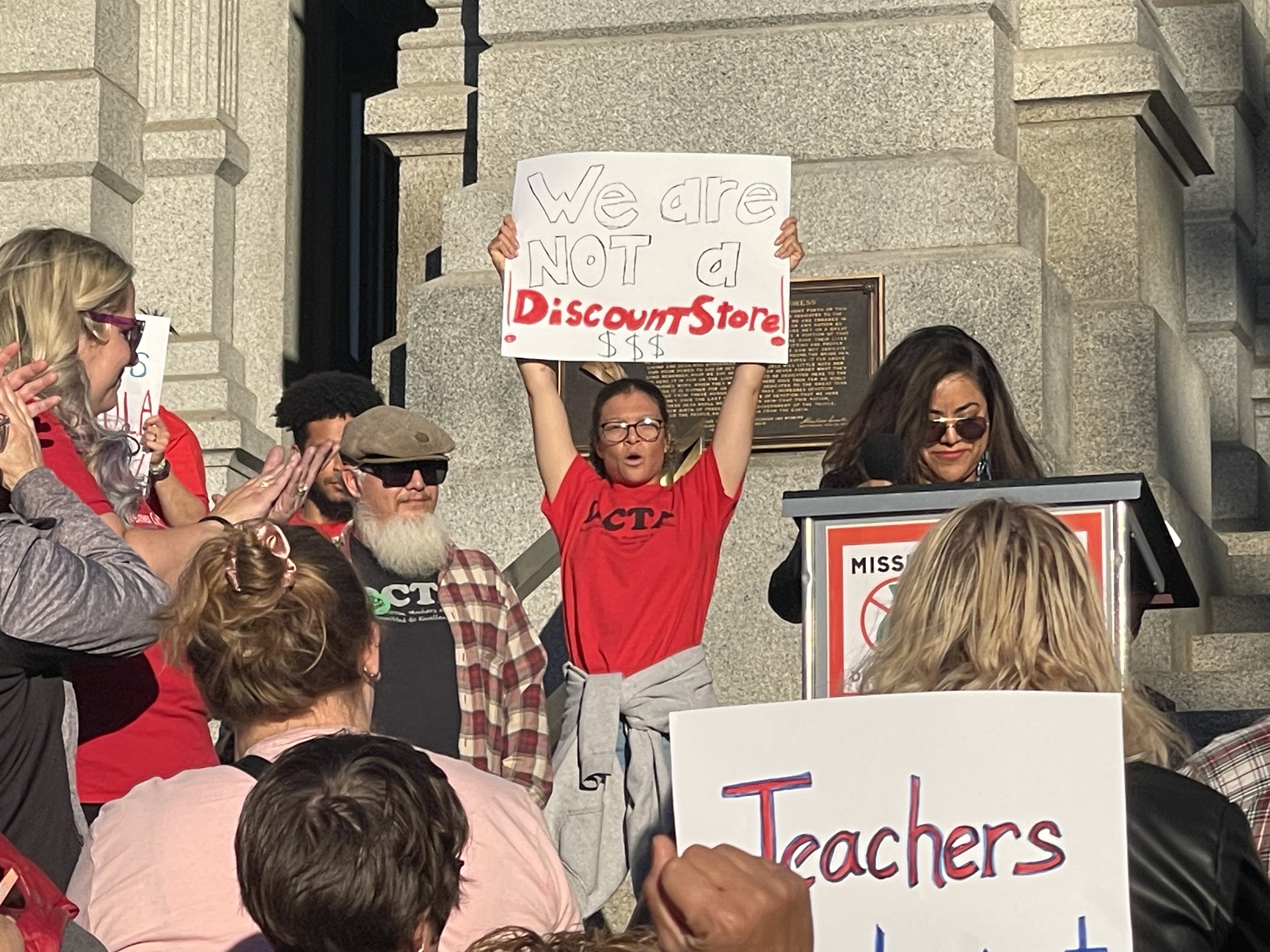
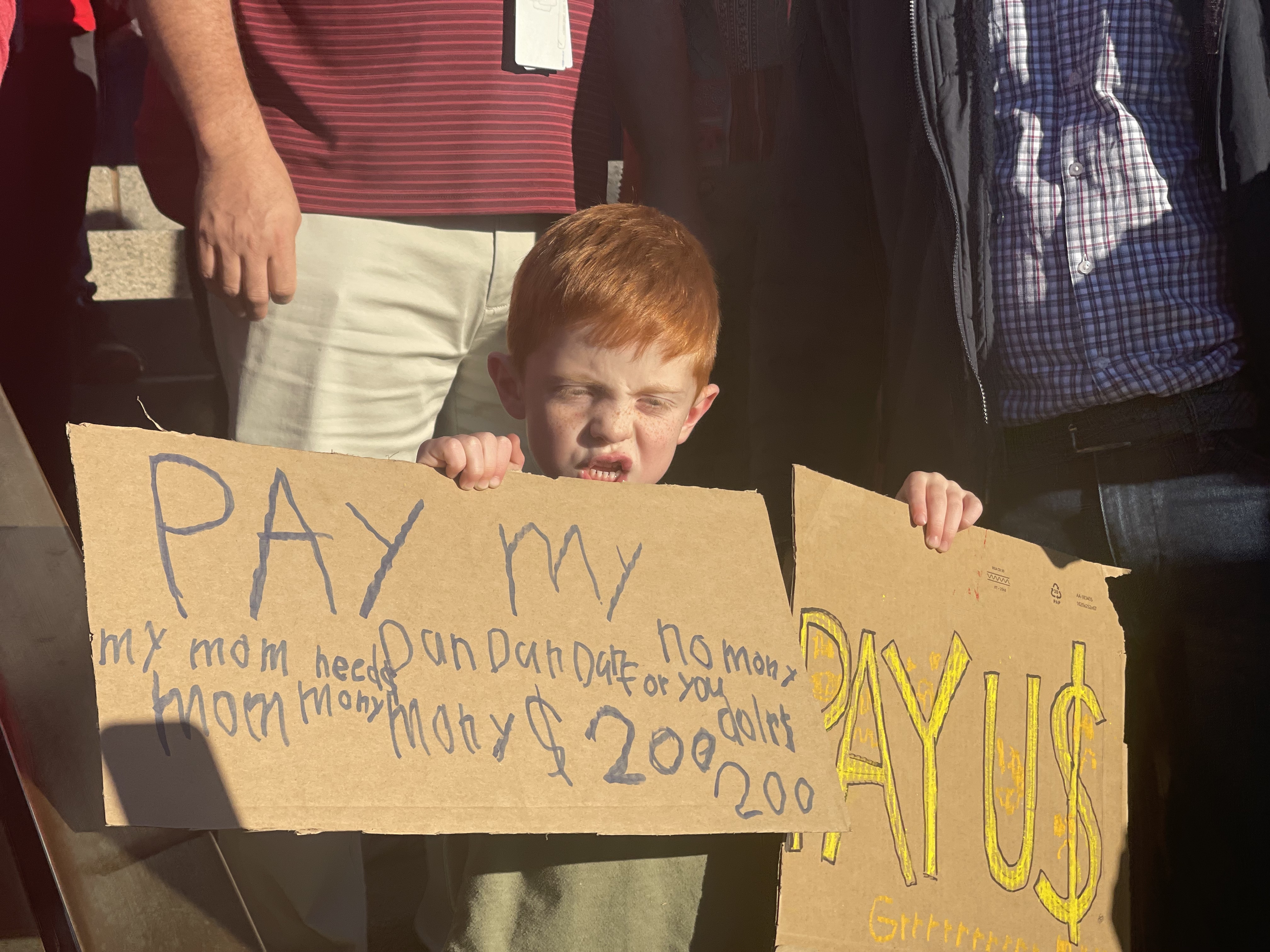
Hundreds of educators earlier this month marched from the state Capitol to district offices to protest the 2.06% COLA increase they received.
Teachers raises — called “steps and lanes” — and COLA adjustment combined this school year equaled roughly the full cost-of-living adjustment of 5.2%, Pribble said.
The sticking point appears to be whether Denver educators are due raises and a cost-of-living adjustment.
DPS officials have argued that not all of the triggers in the union contract were met for teachers and para-staff to receive the full cost-of-living increase this school year.
The irony is not lost on Rob Gould.
As president of the Denver Classroom Teachers Association, Gould has contended the district has nearly enough from turnover savings to pay educators the roughly $11.2 million needed to close the gap.
“The frustrating part for educators is the school board feels obligated to honor the superintendent’s contract, but they don’t honor it for educators,” Gould said.
The way Gould sees it, Marrero was able to meet his contract goals because of the district’s educators.
“It’s great that the superintendent met his performance metrics,” Gould said. “Those were achieved on the backs of dedicated educators who serve students.”
The teachers’ union represents more than 4,000 educators across the district.
Marrero’s performance review and pay boost come after weathering public criticism for perceived missteps over his handling of campus closures, school shootings and the nearly $100,000 renovation to sound-proof his new corner office.
“Raises for DPS staff members that are a part of a bargaining unit are bound by the language in their collective bargaining agreement,” Pribble said in an email to The Denver Gazette.
“The Denver Classroom Teachers Association received what is essentially a 5.2% raise,” he said. “The DCTA collective bargaining agreement ties their annual raises to the state’s Budget Stabilization (BS) factor.”
Introduced in 2010 during the Great Recession, the Budget Stabilization Factor — or BS Factor — is a tool the legislature used to reduce funding for school districts to balance the state budget, as required by statute.
Lawmakers eliminated the BS Factor earlier this year, returning public education funding to 1989 levels.
While not explicitly stated by district officials, it appears the district is arguing a full COLA is not due to educators because DPS will not receive the additional BS Factor funding this school year.
“Because of that, DCTA members received a total of 5.2% that was split between the next pay scale step and lane and the cost-of-living adjustment,” Pribble said. “Members will also receive a one-time payment of $1,000.”