Denver’s RTD sticks with diesel buses amid nationwide electric push
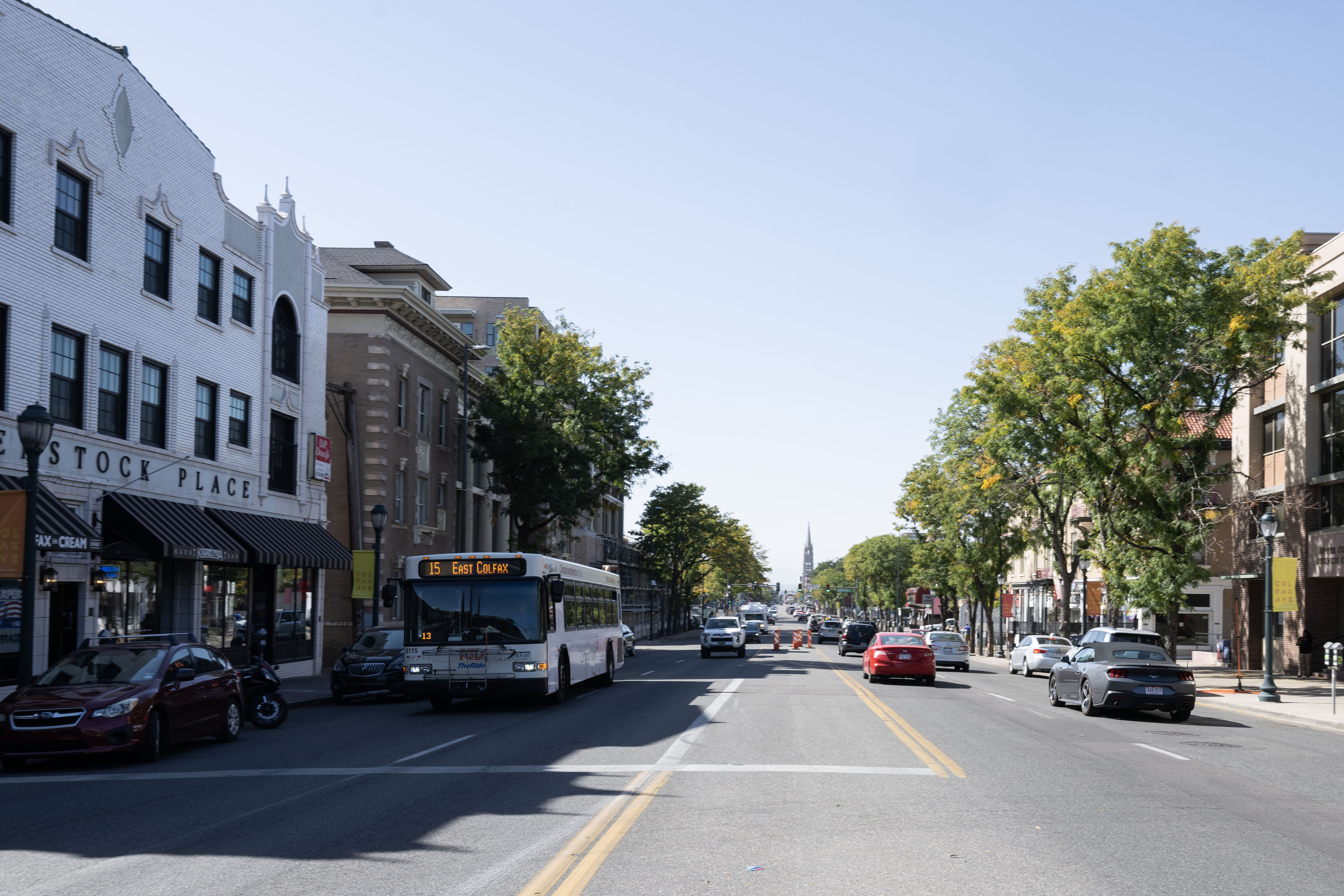
While many areas consider the switch to fully electric, hybrid-electric or trolleybus systems, Denver’s Regional Transportation District is sticking with a known variable: diesel powered buses.
Colfax Avenue is no stranger to these buses, which run up and down the busy urban road, moving about 20,000 people per day. These are also the same buses used on RTD’s free metro ride.
Deploying these buses bucks the trend, both in Colorado and elsewhere in the country, which is marching toward electrification.
Indeed, Mayor Mike Johnston has committed to get the city “back on track” to meet its own climate goals, some of which are right around the corner. And electric vehicles are all the rage, especially in transit circles.
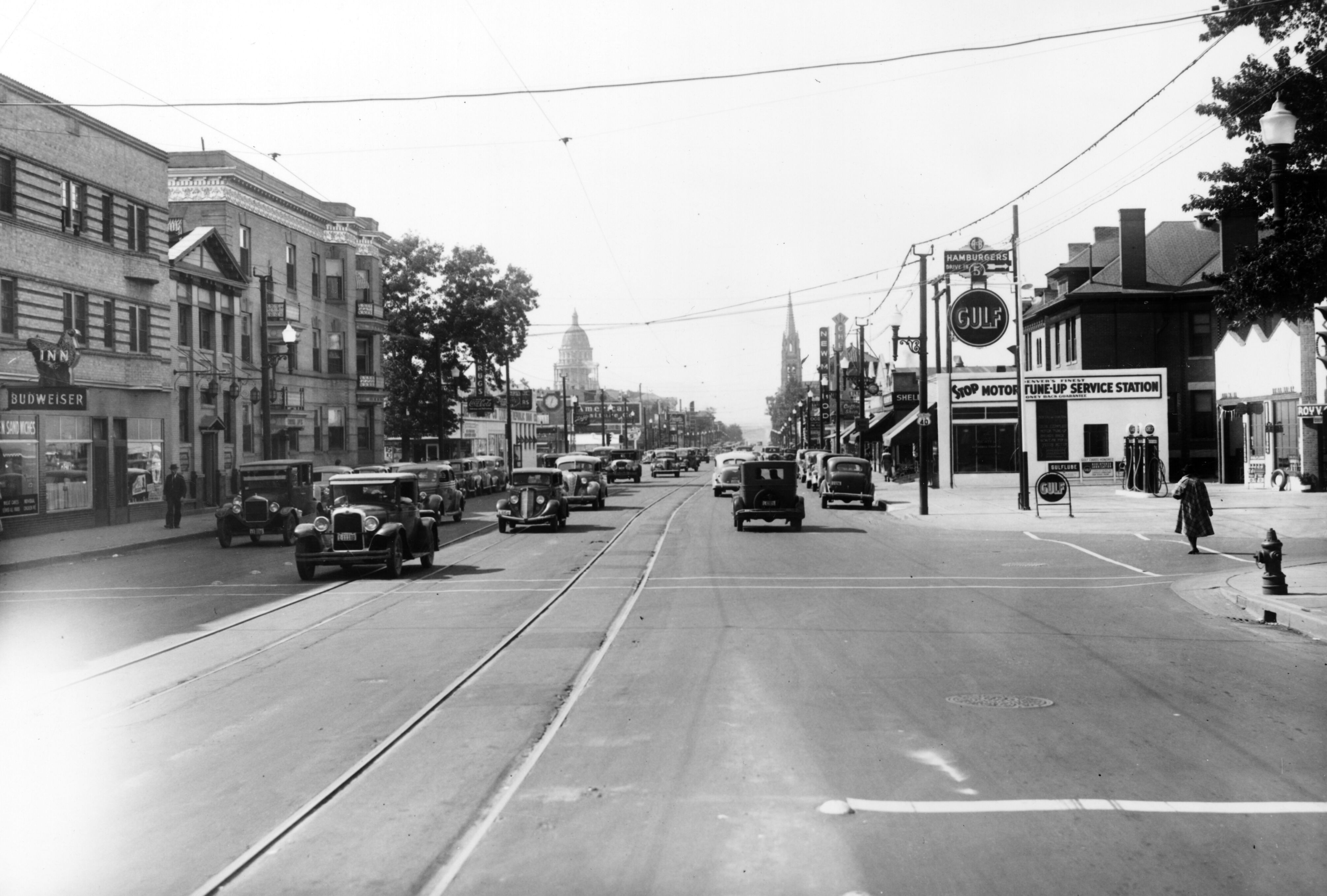
Even Colfax used to have its own fleet of electric trolleys when the Denver Tramway was the big transit company in Denver. The tracks from the line, called the 14, can still be found today under the asphalt and concrete of modern day Colfax Avenue.
Denver Tramway survived for 85 years, from 1885 to 1971 and was finally replaced outright by RTD in 1974.
Despite the fascination with trolleys and trains, RTD is planning to use existing buses for one very obvious reason: Cost and existing infrastructure.
“We are certainly looking at (electrification) as technology evolves,” Pauline Haberman, RTD’s manager of special projects, said. “But, right now, we do not have the facilities to maintain that kind of fleet, which really drove that decision.”
The Colfax bus rapid transit line (BRT), dubbed “Lynx,” will cost roughly $280 million in total. One study suggests a fully electric fleet would cost about $330 million.
Denver isn’t the only city in Colorado that has embraced BRT lines.
Fort Collins has been operating its own BRT line, called the MAX, for more than 10 years. It operates on a roughly similar stretch of road in terms of length, and, when per capita boarding, is considered, is roughly as busy as Denver’s 15 and 15L lines.
The line cost Fort Collins $89 million against Colfax’s $280 million.
There are significant differences, namely in the route MAX takes. Rather than using U.S. Highway 287/College Avenue, MAX runs along a dedicated road from Old Town Fort Collins to the city’s South Transit Center. A route of about 5.4 miles, roughly the same length as Colfax’s center running BRT in Denver.
Fort Collins’ bus line is free, runs every 10 minutes and is generally reliable, according to reports.
Rethinking public transit along Colfax has been a point of discussion in Denver circles for more than two decades, according to Department of Transportation and Infrastructure Director Amy Ford.
“Think about how far we’ve come, how we focus on what we do and how we create safe, reliable and invigorating mobility options on a street that has long been the history of how we move through Denver and Colorado,” Ford said. “We know that what we’re building and creating is only going to make it more vibrant, more dynamic and more engaging.”