Meet the new — and first — head blender at Stranahan’s Colorado Whiskey
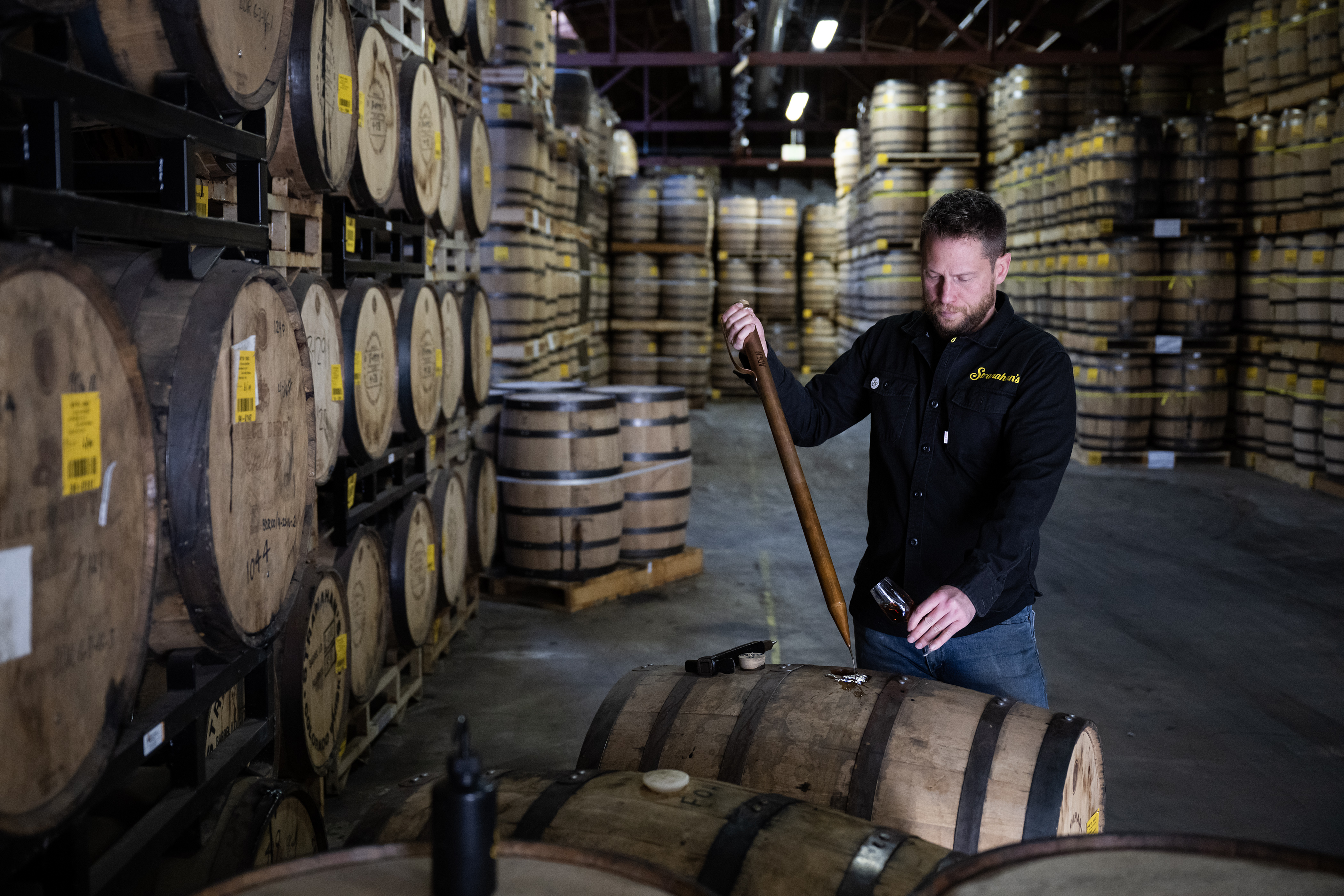
At the start of his career, Justin Aden kept tabs on the Denver-based distillery Stranahan’s from afar.
Aden had studied microbiology and molecular genetics at Michigan State University with the sole goal of becoming a distiller. His first gig was serving as distillery operator and research scientist at the university’s world-renowned artisan distilling program.
“I’ve never been anything but a whiskey man,” he said.
He has always admired Stranahan’s for its commitment to American Single Malt Whiskey throughout the years, he said, noting it was founded nearly 20 years ago when American-made single malt was lesser known, that it stuck to its guns while perfecting its recipe and that it refused to stray from the single malt course.
Stranahan’s does one thing and one thing only — touting itself as the nation’s No. 1 seller of American Single Malt Whiskey but with an operation that has remained dedicated to small batches.
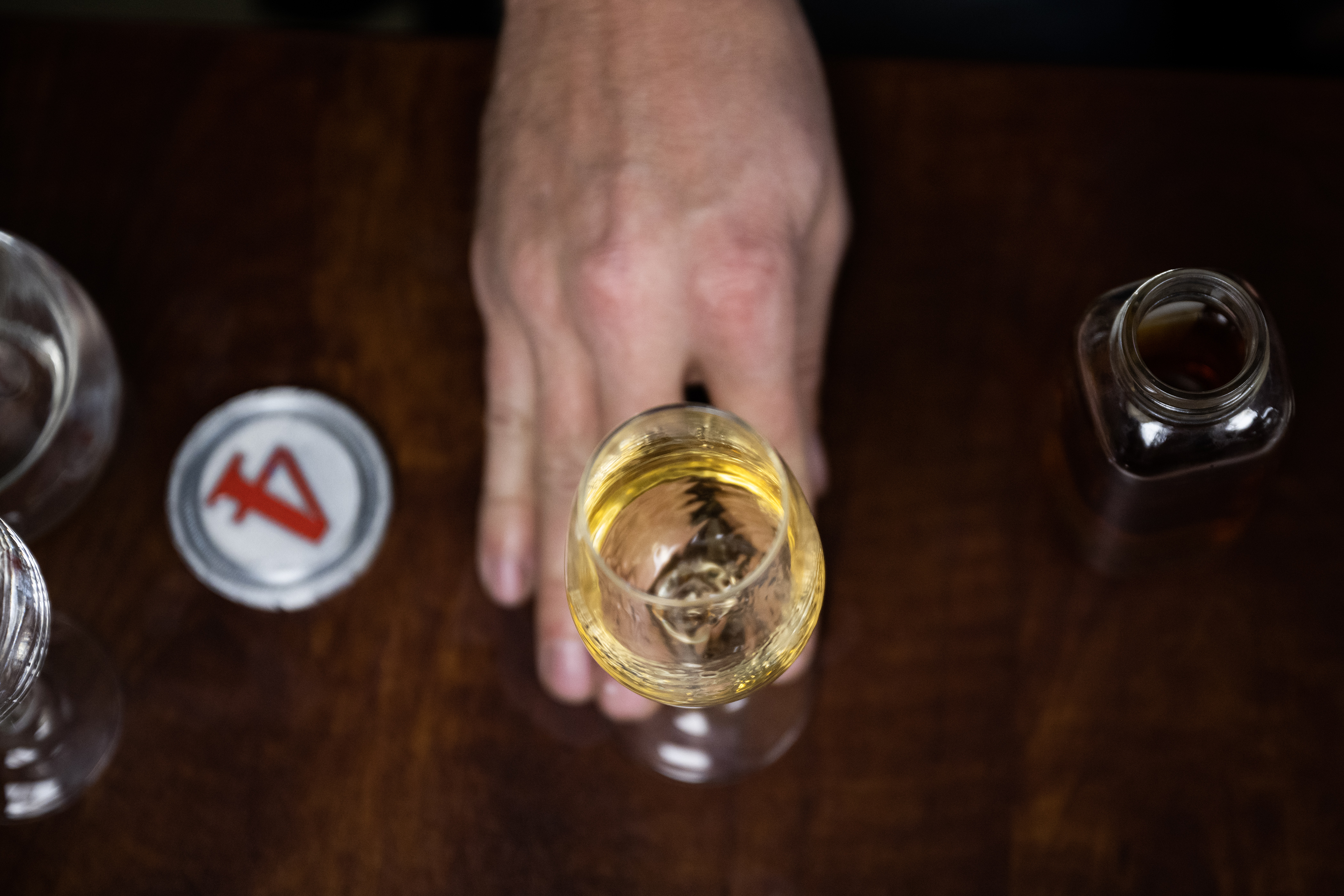
He always found the tin cup top a smart idea, too, Aden said.
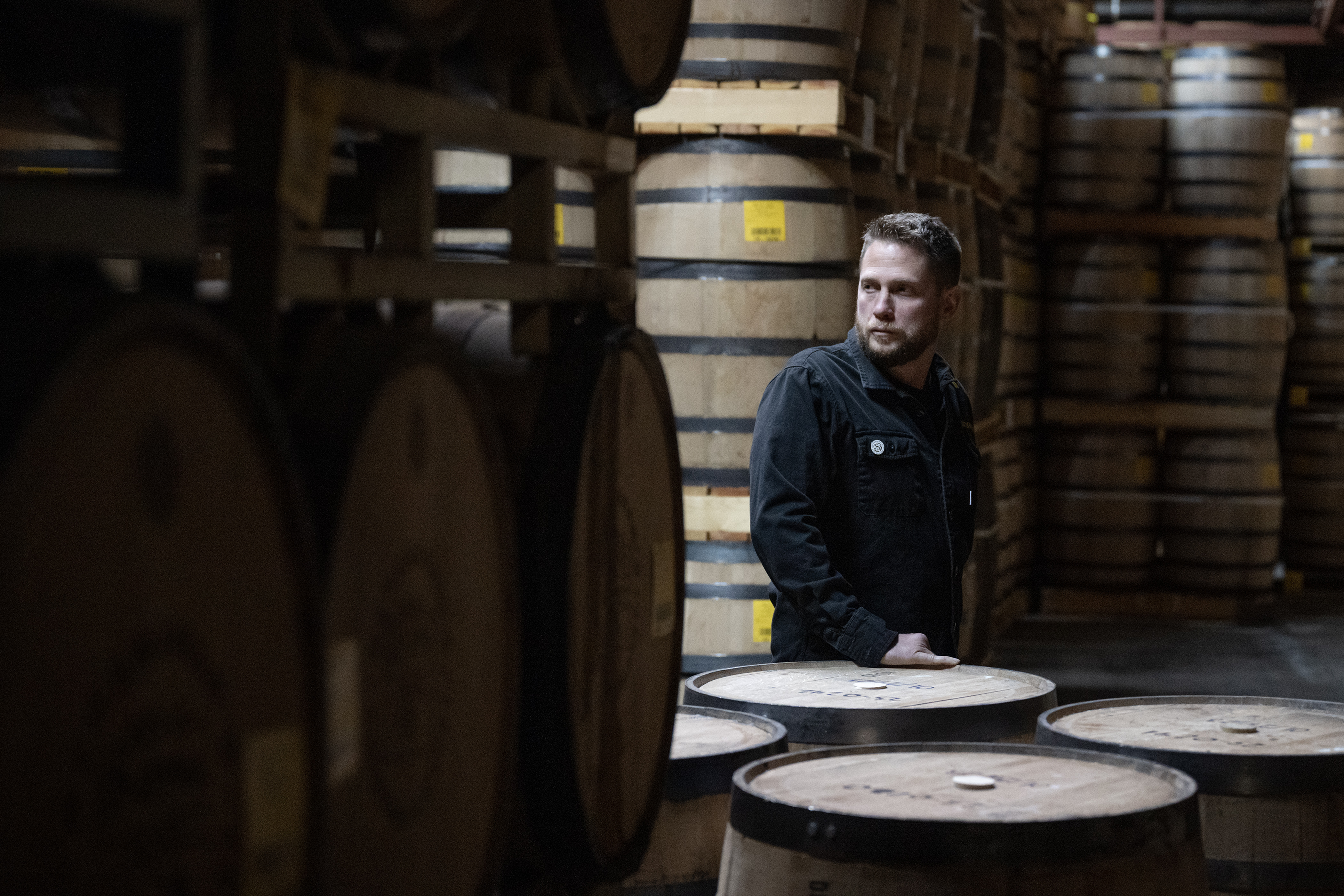
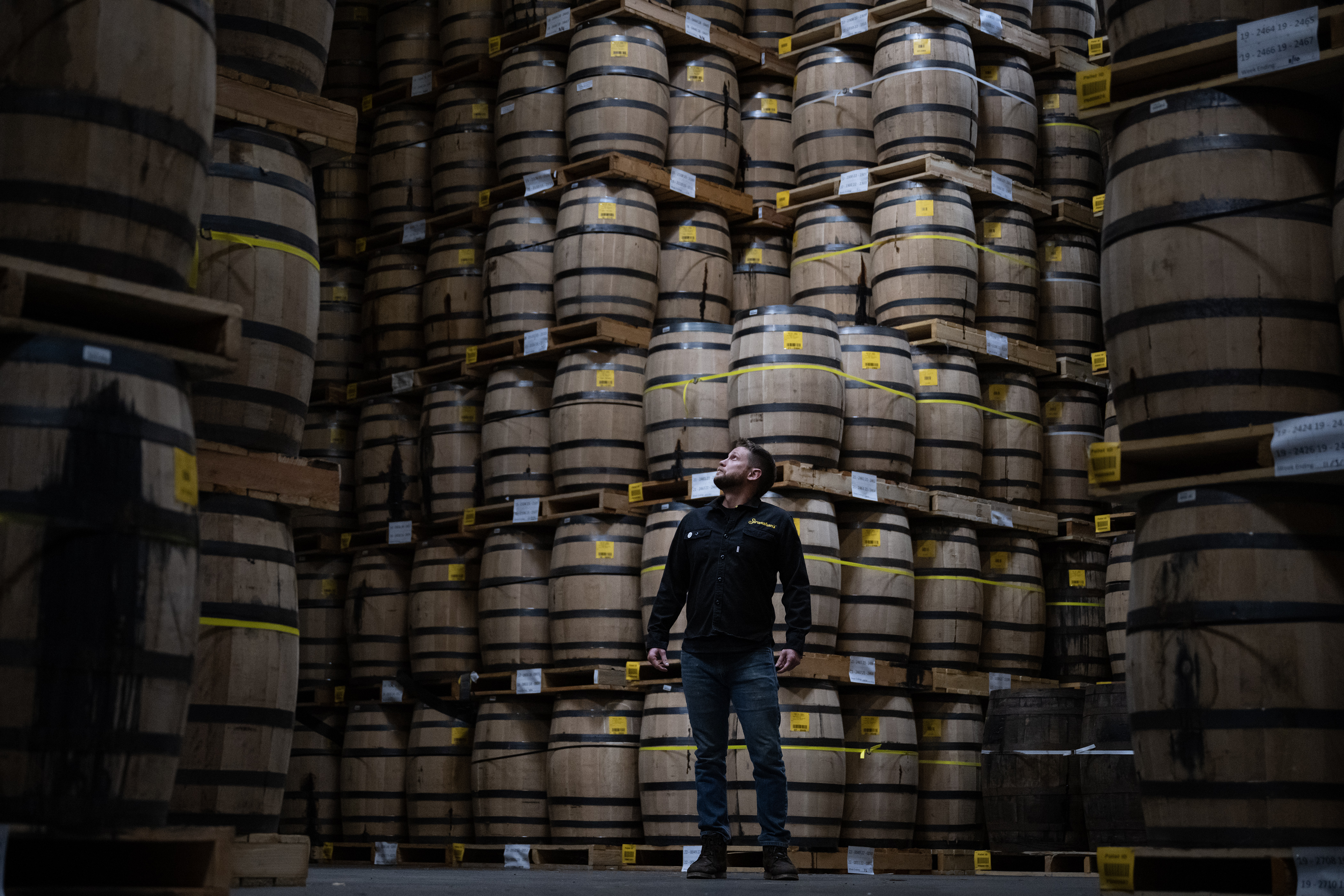
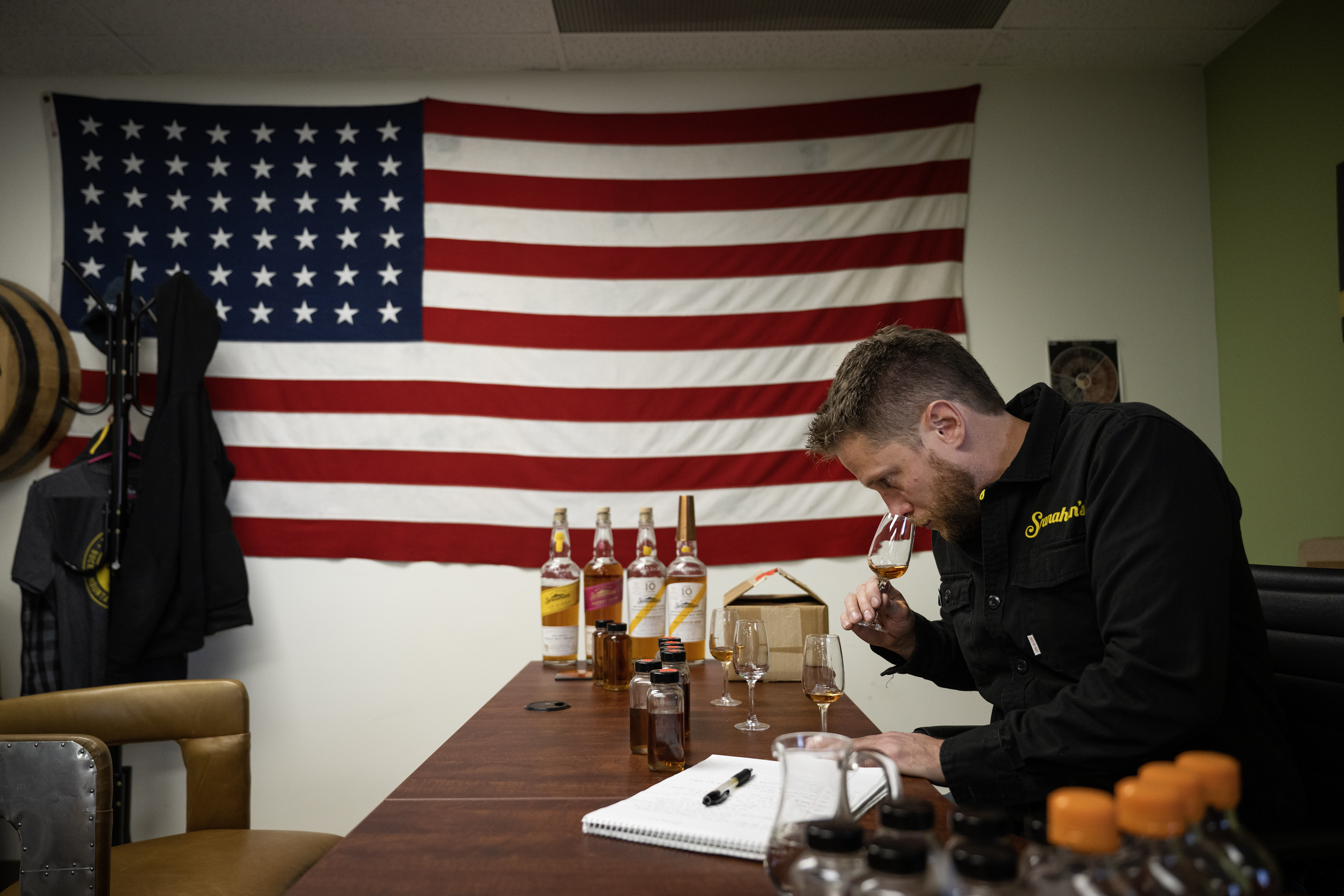
Now, Aden is the first head blender at the distillery, a surreal moment for him. Aden is still catching himself referring to the company as “they” when telling its origin story, having to correct himself and use “we.” The fact that the story he has long admired is now one in which he is a part of is still sinking in, he said.
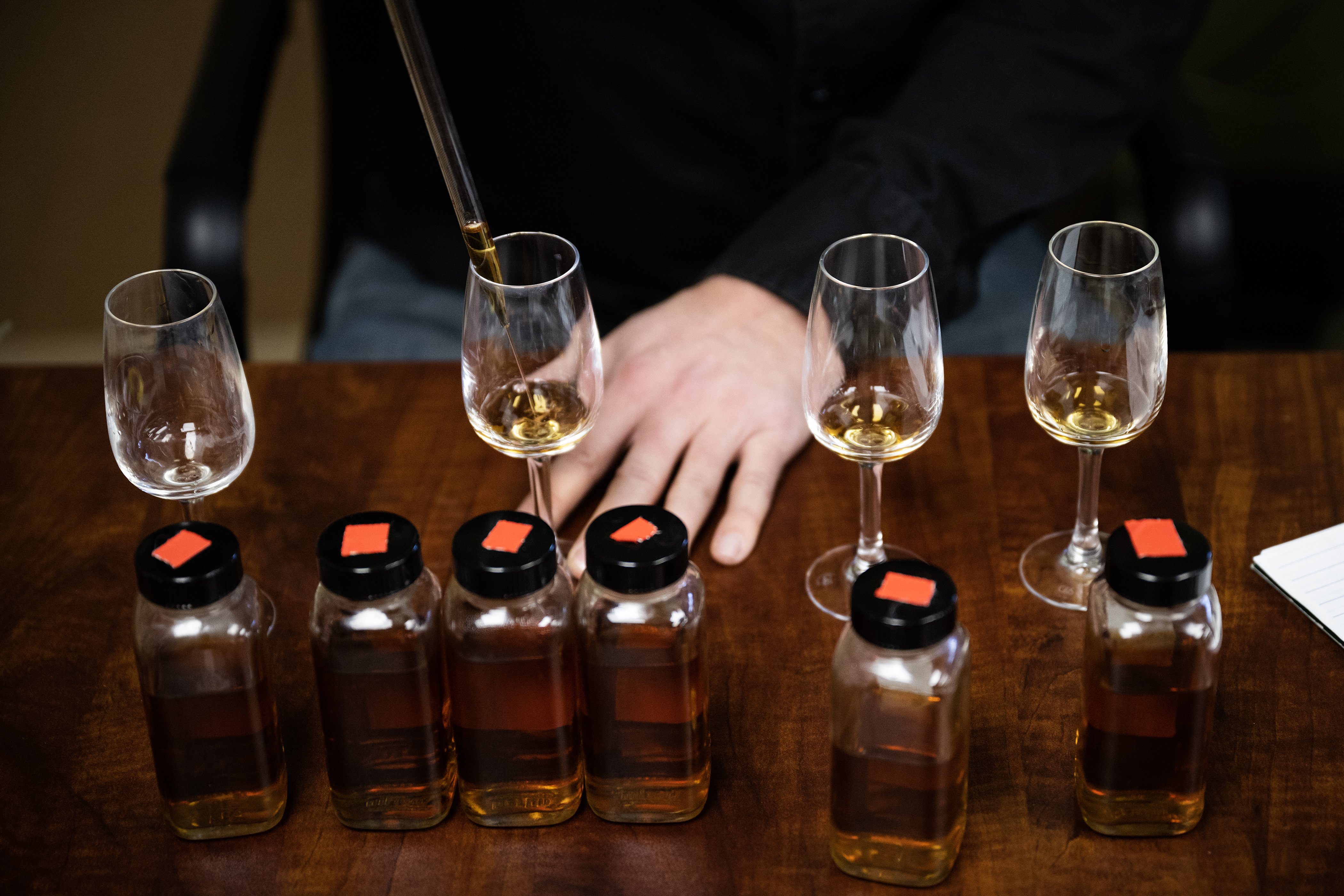
First on his plate was preparing for Stranahan’s annual “Snowflake” event, the release of a special winter bottle that blends rare casks and is available to purchase for one day only. The distillery allows eager customers to reserve a space to camp on its grounds to secure their place in line. Bottles sell out within hours, according to Stranahan’s.
On a bigger scale, Aden is also helping to prepare for heightened interest in American Single Malt Whiskey spurred by the Trade Tax Bureau’s proposal last year to create an official American Single Malt Whiskey category. The Colorado distillery community applauded creating the new category after years of lobbying the government to formally recognize the spirit.
Single malt whiskey, which has historically been tied to Scotland and Ireland, has exploded in the U.S. during the past two decades, Aden said. While a handful of U.S. craft distilleries made single malt in the late 1990s and early 2000s, today there are closer to 130, he said.
As American single malt takes off, Aden urged the community to remember companies such as Stranahan’s, which he says have forged the path for the U.S. to become a bigger player in single malt whiskey production.
“When the designation comes, we’re going to take a moment, cheers, and get back to work,” he said.
The proposed designation “undoubtedly” influenced his decision to join the Denver company, he said. Many craft distillery veterans have not seen the government recognize a new spirit, he said, and “the opportunity to be a part of a new category in the whiskey-making field is few and far between.”
“How could you not be romantic as hell about it,” he said. “To be at Stranahan’s for this moment.”