Southglenn Macy’s waves goodbye: latest big box store to die off

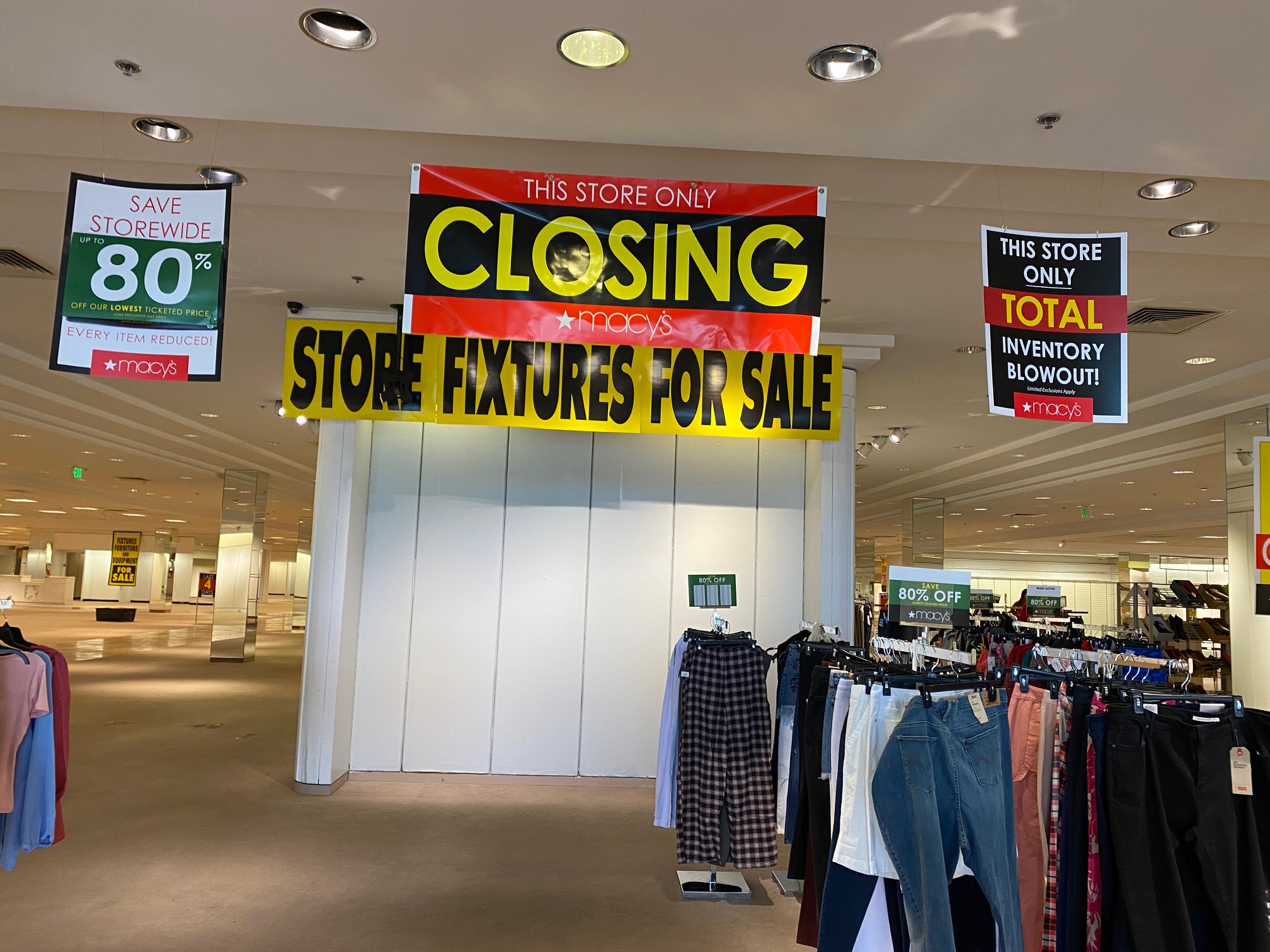
When one of South Denver’s iconic big-box stores locked the doors to its sprawling space for the final goodbye, there was nobody left inside — not even the mannequins.
“They were the first to go,” said one of the salesclerks, named Fern, who asked not to give her last name as it was against company policy. “People bought them for their parties.”
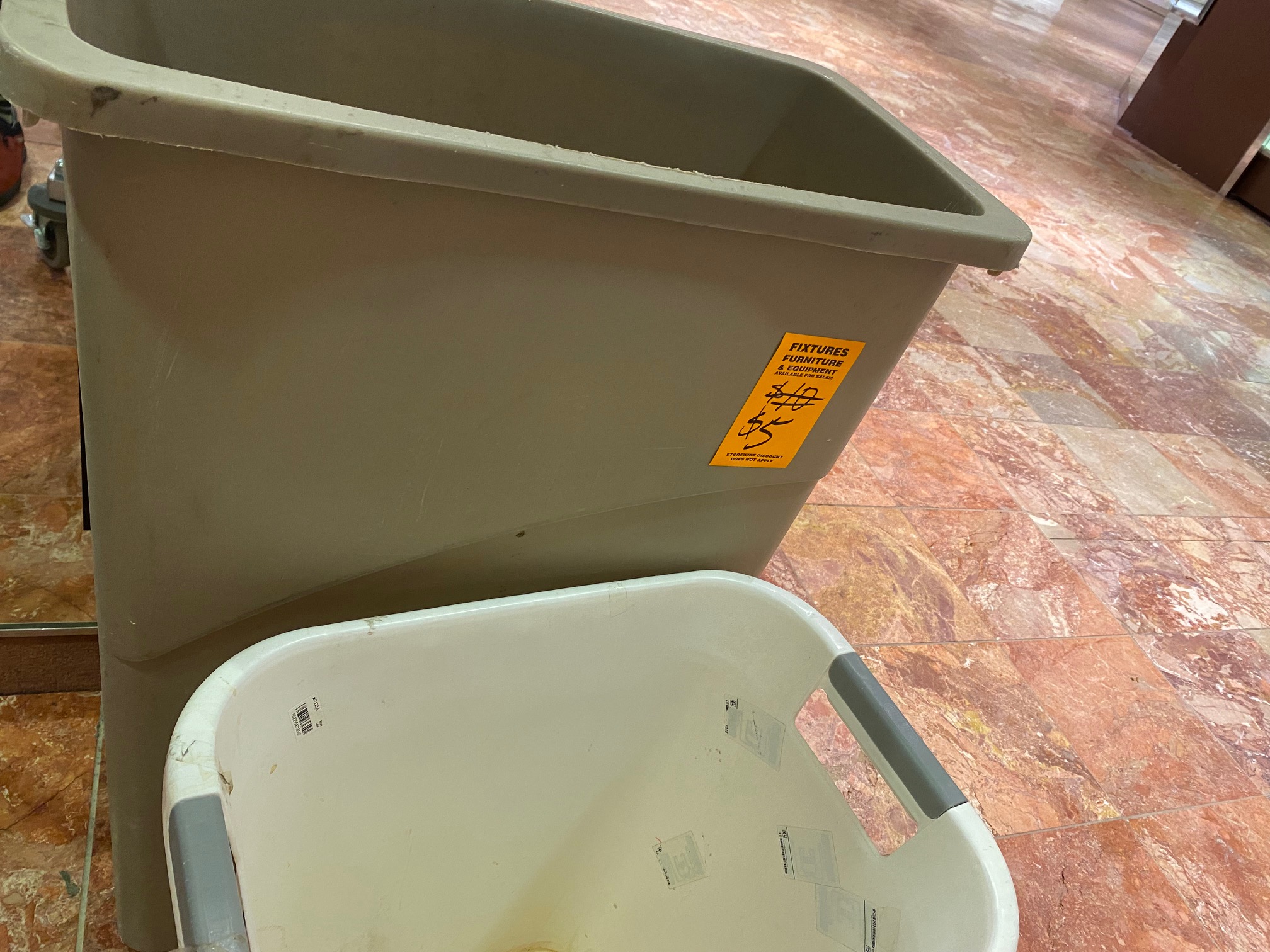
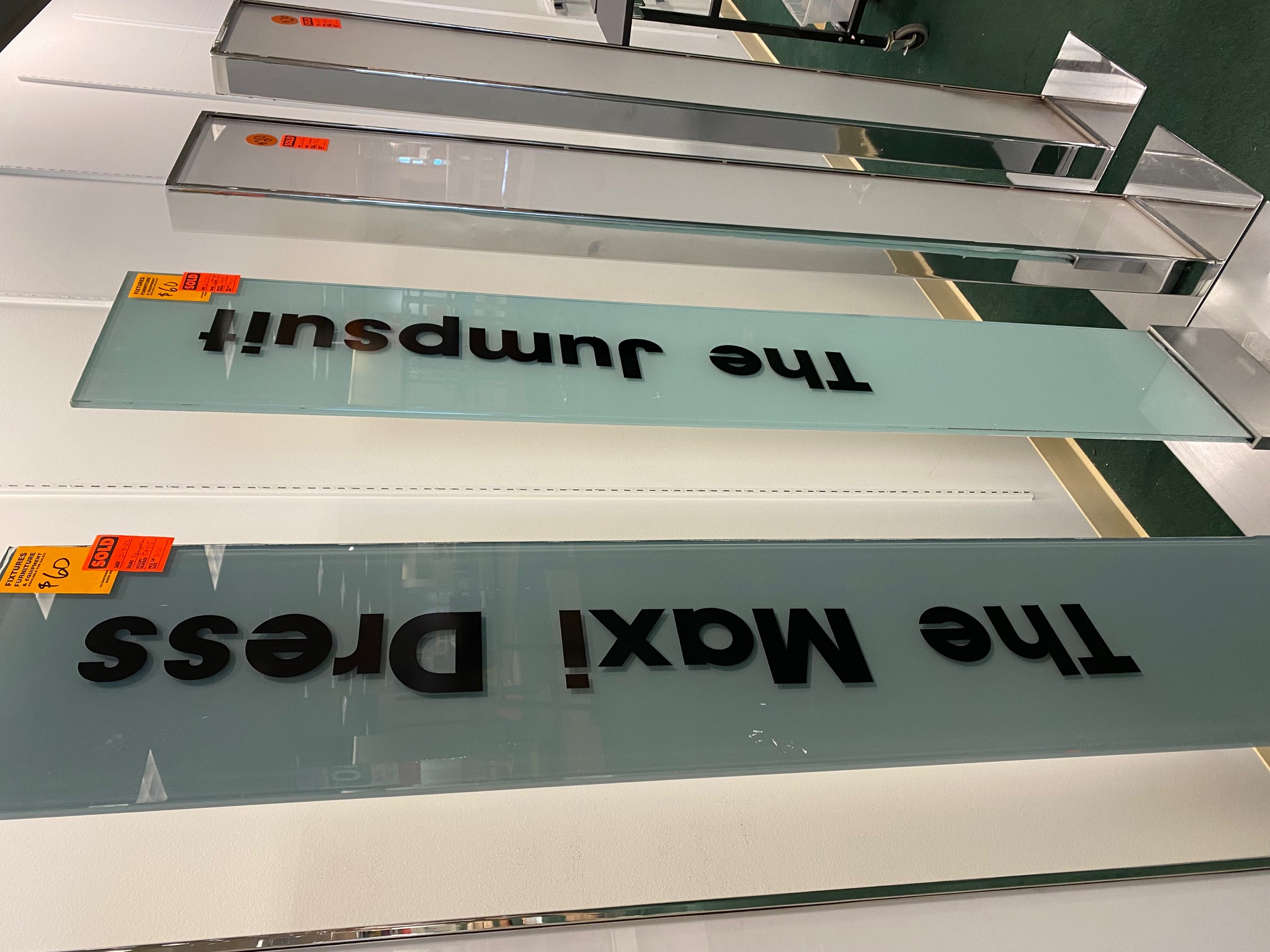
Final sale signs at the Southglenn Macy’s on its last day March 20 advertised “Everything Must Go,” and they meant it. Even items gathered from the store’s back offices went for bargains: $10 wheeled desk chairs, $5 trash cans and $1 staplers.
One couple drove off with a $20 metal cabinet marked down from $40 strapped into the cab of their truck, bound for their garage.
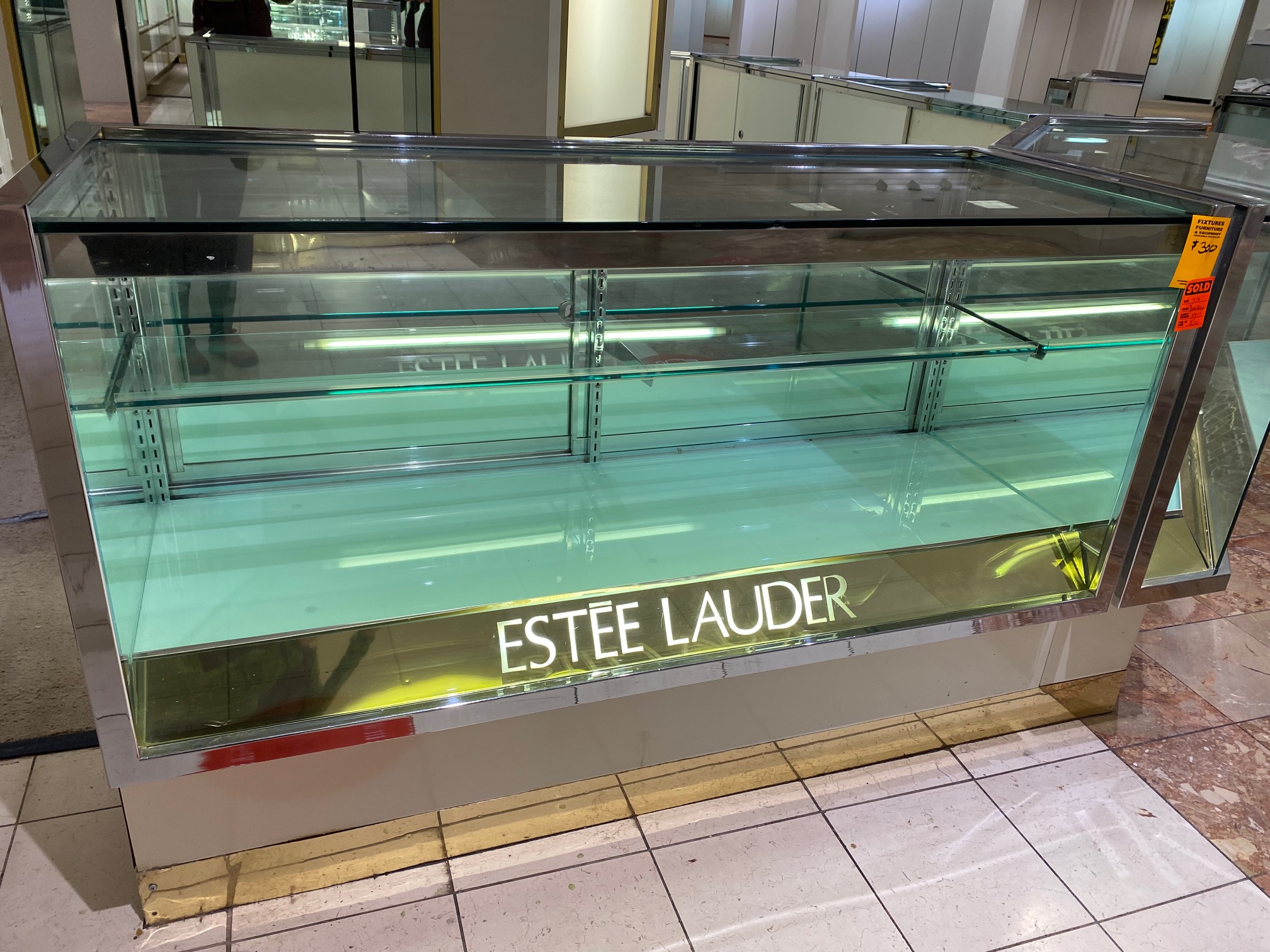
Even Macy’s long, glass makeup counters were for sale, including a heavy Estee Lauder case that went for $300. It was bought by a business owner with dreams of starting a store in Africa.
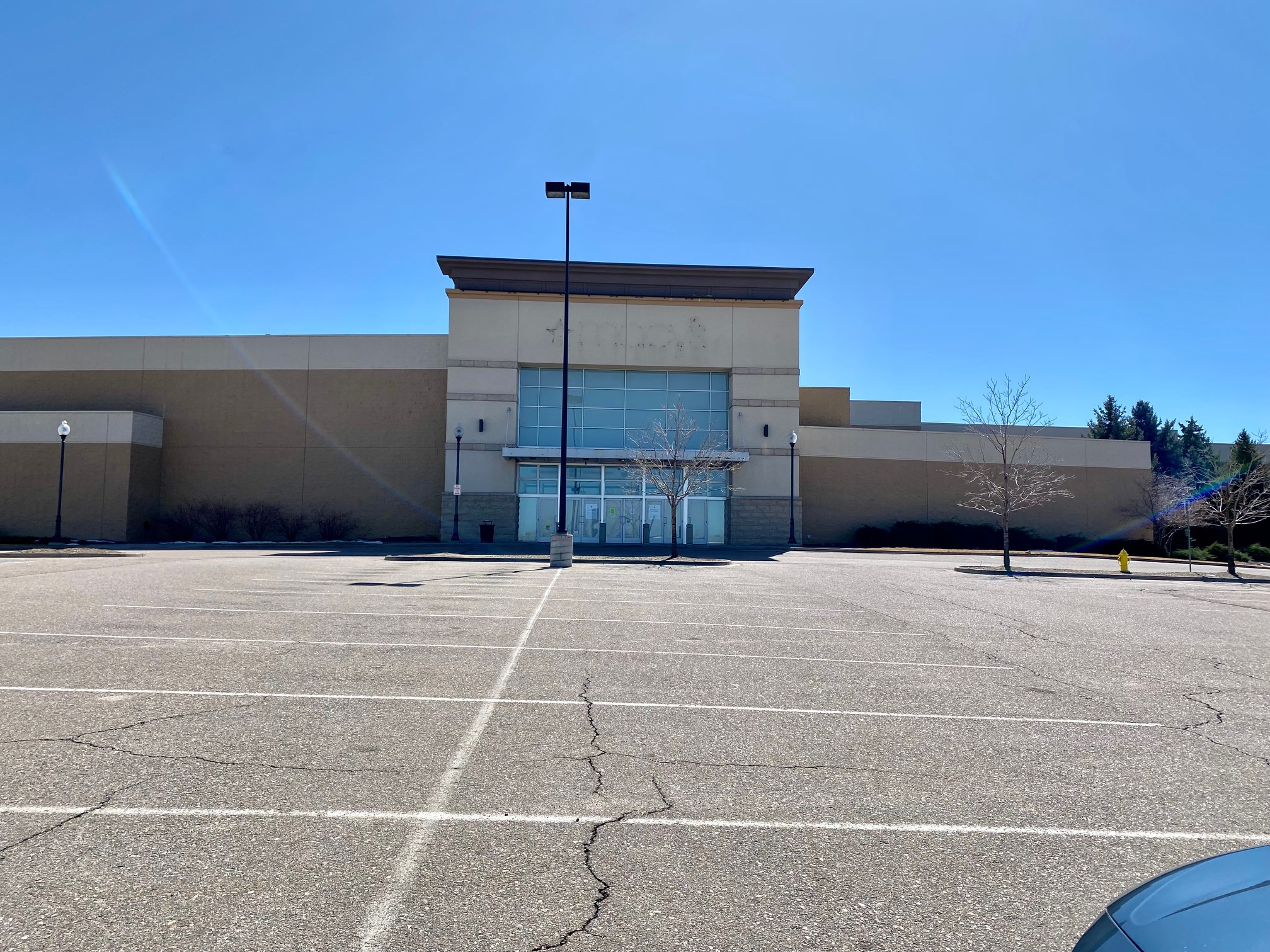
What’s ahead for the yawning, 164,000-square-foot space? Though the developer of the property, Alberta Development Partners LLC, told The Gazette that there are no immediate plans to redevelop, the city of Centennial’s website said it hopes to increase the number of residential units in The Streets at Southglenn from 350 to 1,125, adding that the days of brick-and-mortar stores are numbered. Since the pandemic, it explained, most people prefer to shop online, and further noted, “Any redevelopment needs to ensure enough property and sales taxes are generated to repay the bonds still in place from the original development.”
Donald Provost, founding principal of Alberta Development Partners, wrote The Gazette in an email, “We are in the process of evaluating a variety of development plans. Nothing is shelved.”
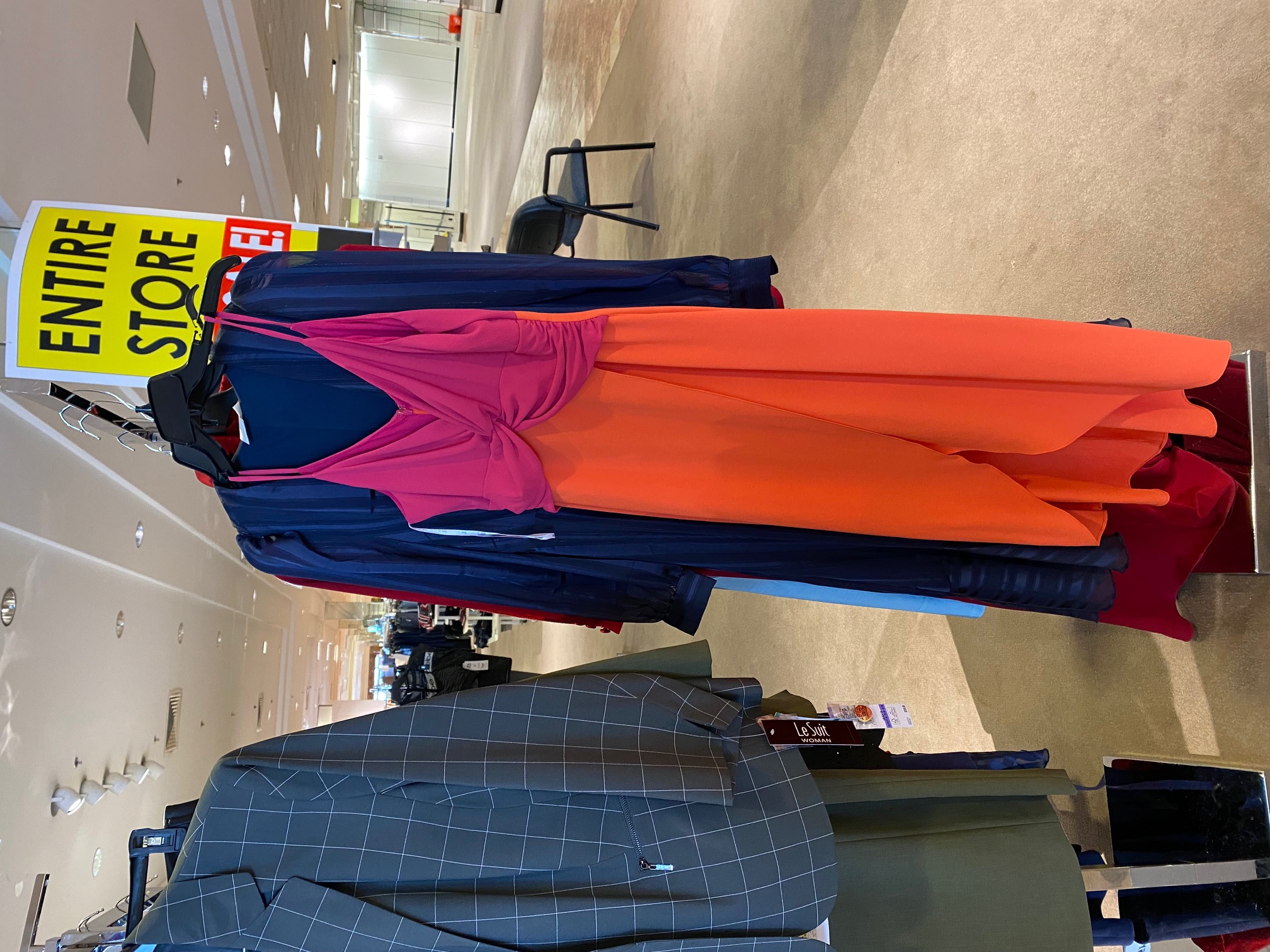
Speaking of shelves, those sold quickly, along with the last of the ugly socks and sequined holiday dresses. But it was the coveted pearl and diamond jewelry, which was slashed to 80% off plus an extra 30% Macy’s saved for the final afternoon, that the hard-core shoppers were waiting for. “The queue starts here!” a clerk said as people took a last-minute gander at the gleaming deals.
It was a percentage so confusing, Sandy Milonet sat on a bench outside scribbling the math to figure out how much it would cost to buy a ring. “It’s sad to see this store go,” she said. “I used to bring my daughters here for their dresses.”
Not everyone felt melancholy about Macy’s exit.
“This seems more corporate,” said Mary Keener, who was much more nostalgic when the Denver Dry Goods store closed in 1987. “My mom and I used to go there for tea.”
Fern was one of 50 employees who worked at the store. Julianne Olivo, with Macy’s external communications out of Chicago, said full-time workers will be placed at other stores, while those who couldn’t be relocated will be given a severance package.
“Macy’s Southglenn Streets is grateful to have served our customers and the community during the past 48 years,” said Olivo. According to the city of Centennial, the Macy’s brand took over from Foley’s in 2008.
Still, others see rich potential in the huge space. “Some people like the 1964 Mustang and some don’t. As blue smoke is coming out of the back, they all say they miss it, but I like the new car,” said Jeff Keener, president of the South Metro Chamber. “The reality today is that this is what’s needed for the community and the other businesses that are there to be successful. There’s nostalgia, but life goes on.”
Touchy-feely shopping making a comeback?
National retail experts say the days of actually feeling a towel and trying on a pair of pants could be making a comeback.
“The thing about retail is it’s a dynamic industry — it’s always changing,” said Mark Mathews, National Retail Federation’s vice president of research development and industry analysis.
Mathews said the pundits who have been predicting the demise of brick-and-mortar stores for years have gotten it all wrong.
“I liken it to them saying ATMs were going to kill bank branches. That hasn’t happened. Their roles have changed, and the ATMs took away some of the transactional items — but it didn’t kill branches,” he said. “We’ve seen a lot of stores become distribution centers as well.”
“While the foot traffic is still down to about 80% of what we saw in 2019, stores are selling more — they sold 21% more in 2021 than 2019,” Mathews said. “Retail volumes have gone up dramatically, both online and in-store. Think about how much savings has gone up. We saw a $600 billion shift in spending on services to spending on retail.”
That increase in spending was akin to adding 50 million more shoppers in population, said Mathews. “You wonder why the supply chain got stopped up.”
Olivo would not disclose numbers on how much or how little the Southglenn Macy’s anchor store was making at the end.
Still, Matthews said that one can rattle off the numbers when a mall closes, but you can’t put a number on what it meant to a community.
“Look, I’ve had my favorite store close. We all have. It’s traumatic. What people forget is we connect to shopping and retail brands in a way we don’t connect to other industries,” he said.
Employees like Fern see past the dollar signs. She was soft-spoken and subdued about the store’s demise, reflecting on the regular customers who took comfort there. Some would confide in her when they were sad or lonely, especially during the holidays. “Where will they go now?” she asked.