Advocates seek $32 million in property tax hike in Denver, argue libraries help solve America’s ills
If you ask Sonja Ulibarri, libraries are the antidote to the ills that plague America.
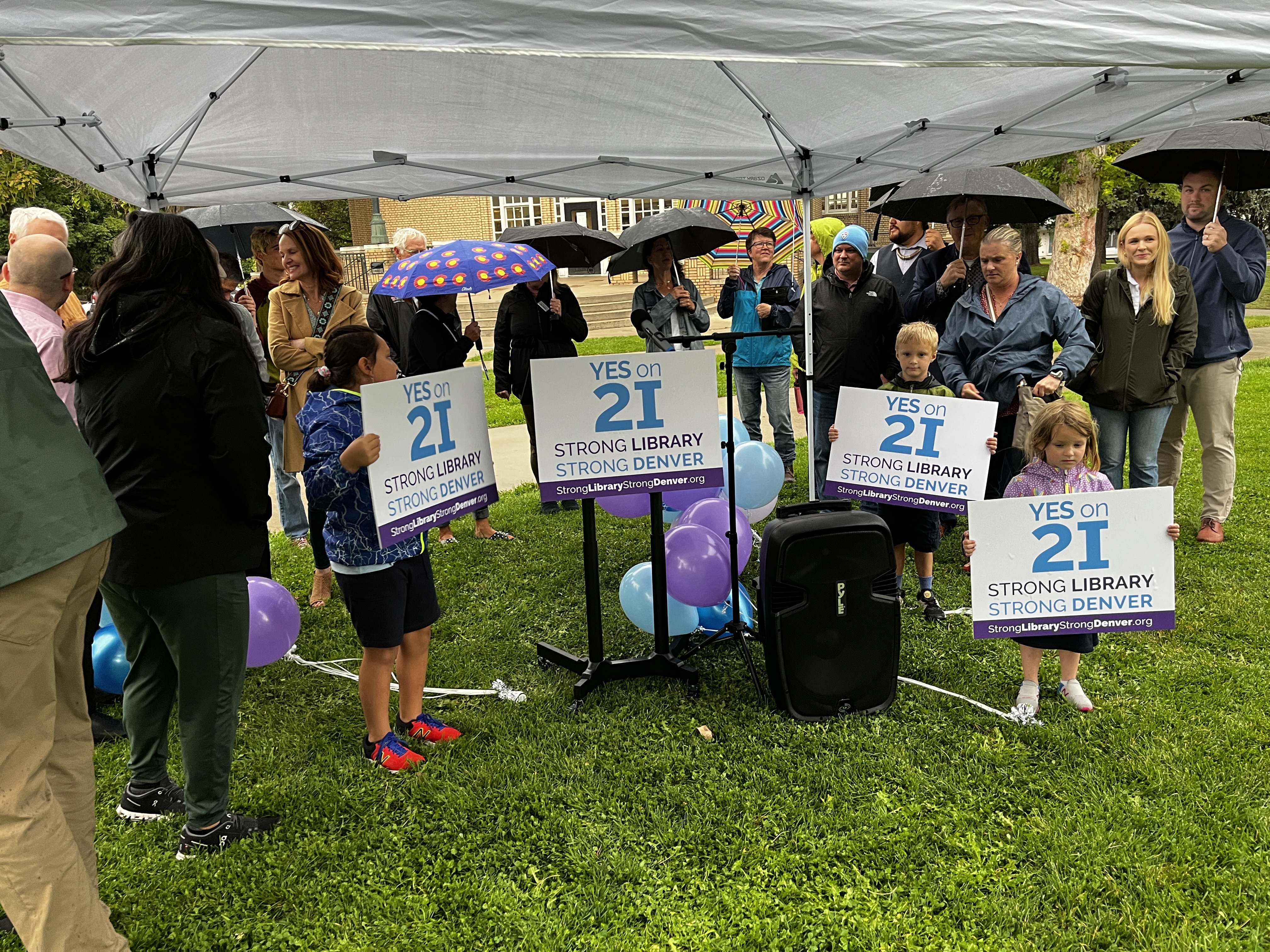
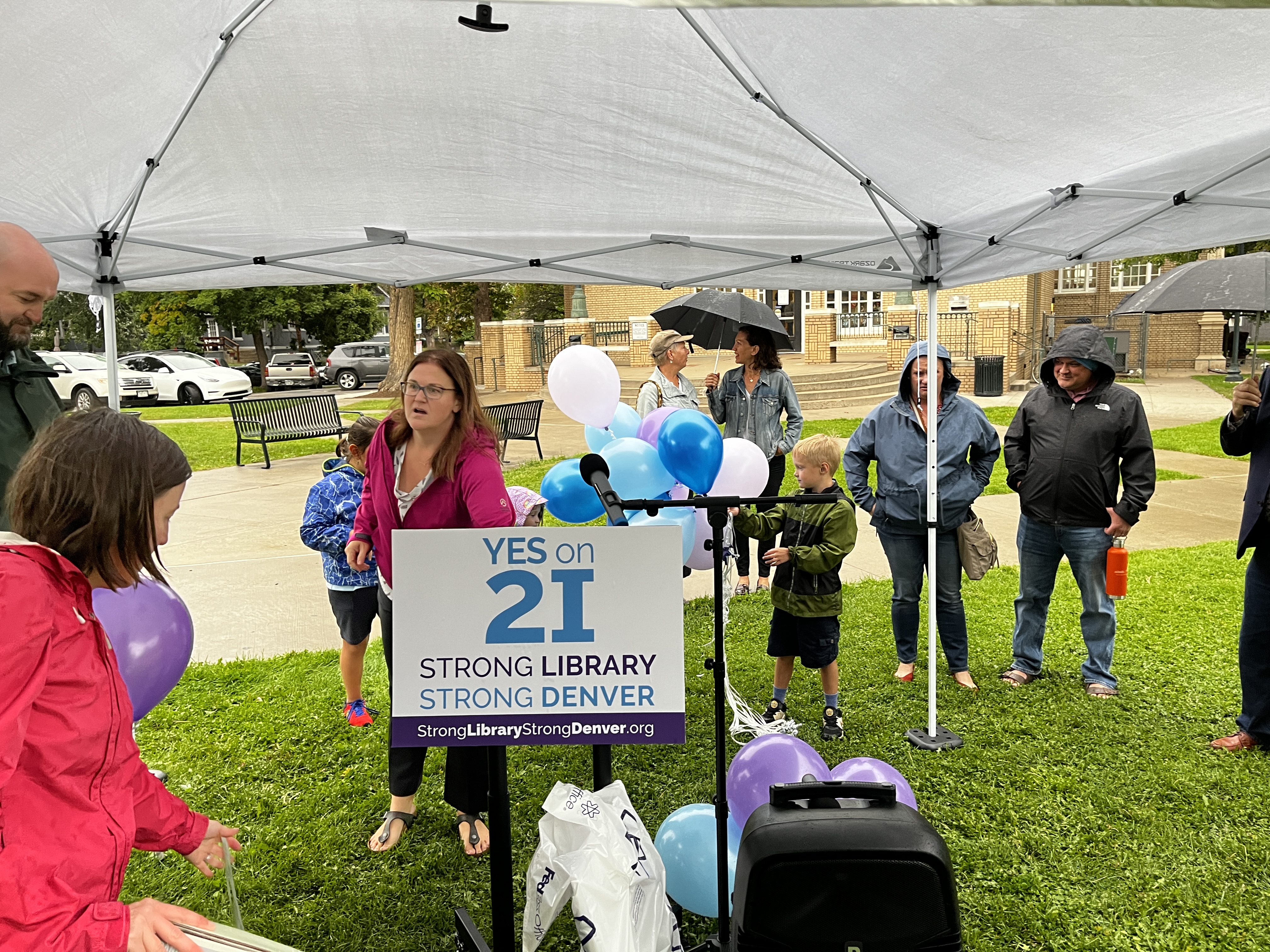
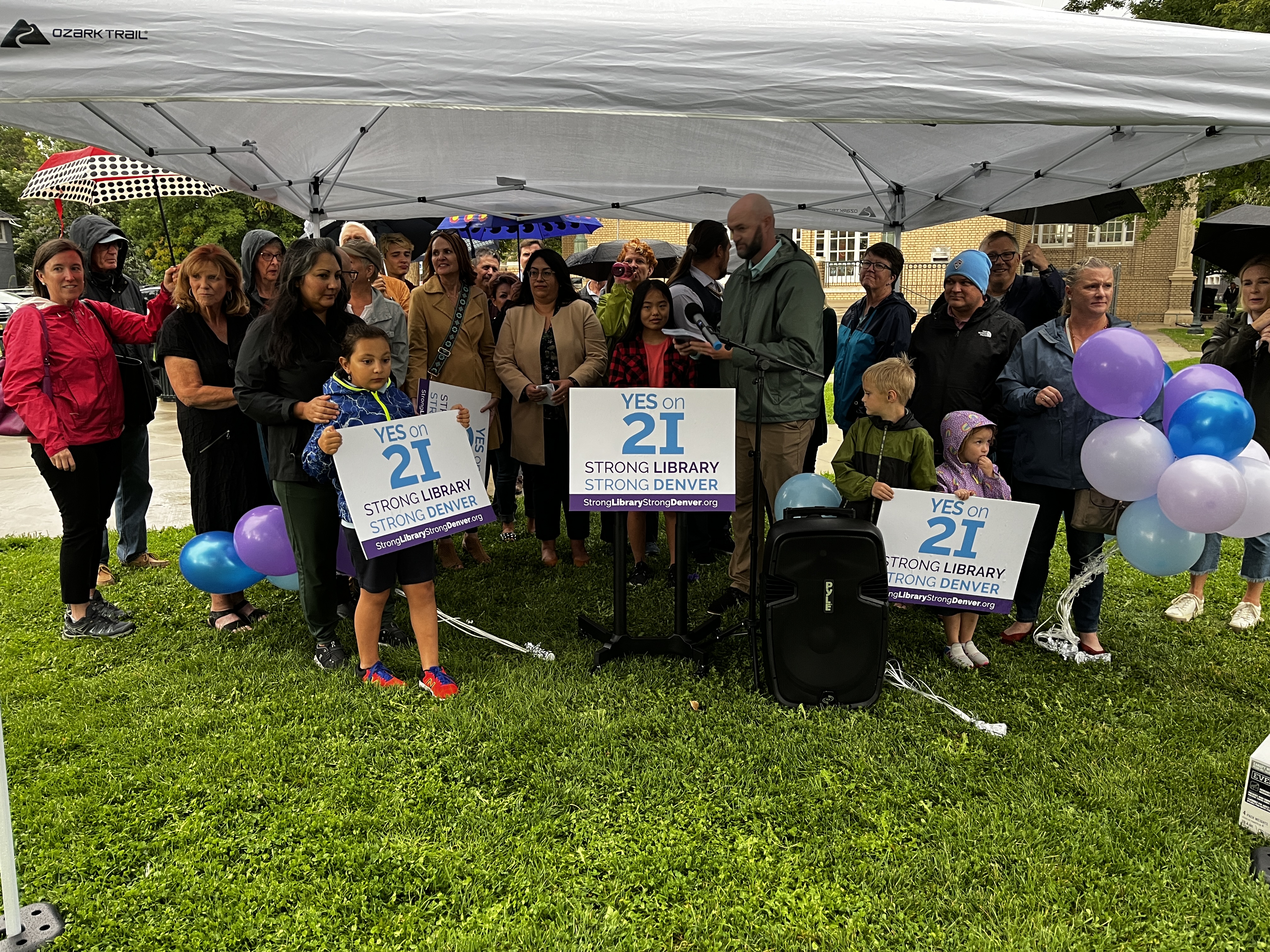
Ulibarri, a library commissioner and the CEO of the Denver chapter of Girls Inc., spoke in support of Question 2I during the campaign kickoff in Highland Park. The measure seeks to increase funding for Denver Public Libraries by hiking property taxes to the tune of $32 million.
Supporters are seeking to persuade Denver voters to approve the measure at a time of high inflation, driven by soaring energy prices, and, for the most part of 2022, spiking home prices. Some critics argue that the city’s budget can absorb increased funding for libraries without resorting to a tax hike.
If approved, the new tax would mean the average Denver homeowner paying $4.19 a month, or roughly $50 a year, for a home with an actual value of $469,000 based on 2021 property assessments.
Most Denver libraries close by 6 p.m. on weekdays and 5 p.m. on weekends, though some branches are closed on certain days. Supporters argue it will result in extended hours, increased librarian pay and expand the diversity of books and collections to ensure deeper cultural representation.
About $9.7 million would go toward adding more library hours, and the library would open on nights and weekends to accommodate students and people who work during the day, they said.
They said the funds would also go toward more programming, language services, and community outreach. The library would expand its collection to cut down wait times and increase programs for immigrants, refugees and others. They added it would allow more pieces to be added to collections that include underrepresented voices — something important to East High School sophomore Madeleine Senger.
A resident of northeast Denver, Senger said she has fond memories growing up and going to the Park Hill Branch Library. She even took her first steps in the library during one of the summer reading programs, she said.
“My grandmother sparked my love of reading by recommending books to me that I still have to this day,” Senger said. “This library initiative will allow libraries to stay open longer and be open on weekends, when students need them most.”
Another $4.5 million would help bring staff wages up to market rate, provide more training and professional development, and expand support services, according to a presentation from library staff.
Among the proposed capital spending, $13 million would go toward deferred maintenance and building improvements, such as fixing noncompliance with the Americans with Disabilities Act, replacing floors and updating community rooms.
Denver’s libraries are used by all members of the city, according to homeowner and mother Amy Brimah. She said libraries offer children a place to hang out, students a research spot and adults new learning programs.
“The other thing that’s really great about the library (is the) support that they provide for people who are transitioning,” she said. “Whether they’re looking for a job, or they’re opening a business, the library just provides a lot of support for people.”
The city council approved sending the measure to the ballot in August in an 11-1 vote.
A task force created in 2021, which explored new library funding, had considered an alternative plan to pursue a sales tax but leaned toward property taxes because the latter are more stable, according to task force memos. Supporters also said Denver has a relatively low property tax. The task force acknowledged property taxes would affect commercial properties more heavily than residential properties.
One council member — Chris Herndon from District 8 — questioned if the tax a good solution. Herndon, who voted against bringing the issue to the full council during a July committee meeting, said he does not dispute the library is critical to the community or seriously underfunded. But he argued against raising property taxes as its funding source.
“I’m of the belief that we could fund this through our annual budget process,” Herndon said.
District 7 Councilman Jolon Clark, who attended the campaign kickoff, said he has been impressed by Denverite’s willingness to support institutions, such as the library.
“The library is kind of that integral cultural institution that everyone in Denver loves and uses and understands the value of,” Clark said. “We saw during COVID just how important it was to have those backbone civic institutions.”
If it passes, Clark said the measure won’t be approved in time to make it into the 2023 budget.
Mayor Michael Hancock on Wednesday unveiled his new budget.
Clark said ballot language will specify that funds raised by the tax hike increase can only be used to fund libraries.
“You can’t budget for dollars until they’re approved, so these dollars are not in that budget,” he said. “This is new money for the library, and (the ballot question) includes continuation of effort clause that says you have to keep funding the library.”
Ulibarri said keeping libraries funded is critical, arguing that funding has not kept pace with Denver’s growth. Ballot question 2I is a way to address that with one of the few funding sources available, she said.
“By voting yes on 2I, Denver voters will create a stronger, more stable library, a library better prepared to meet the needs of this dynamic and diverse city today and for generations to come,” she said.