




New report shows price drivers pay for shoddy transportation funding
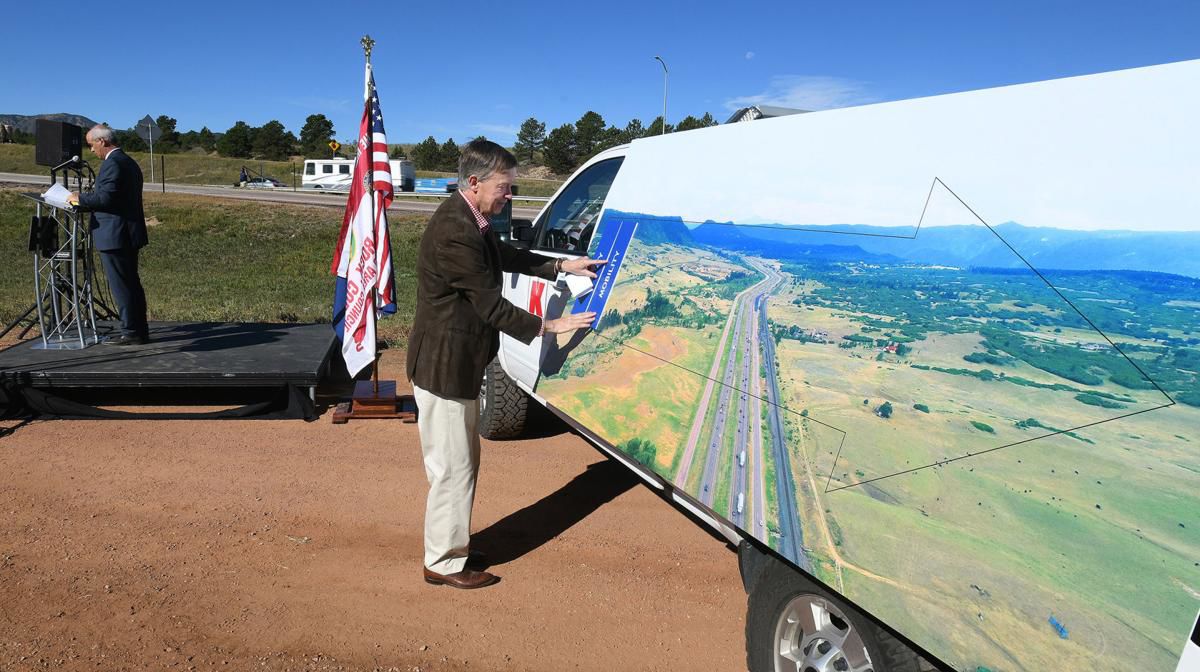
Legislators’ other priorities for more than a decade are costing metro drivers basically an extra house payment a year with lawn mowing: $2,000 in wear, tear, fuel and lost time behind the wheel, according to a new study by a national nonprofit transportation research group.
The 50-year-old, Washington, D.C.-based outfit, The Road Information Program (TRIP), used state and federal data to find out how much a price the state’s crowded, crumbling infrastructure is exacting. The report is called “Keeping Colorado Mobile.”
The cost of congestion to the average Denverite is $1,242 — a result of spending an additional 62 hours stuck in traffic and wasting an additional 26 gallons of fuel annually.
The TRIP report found that Colorado Springs’ residents have it a little better. There, the average motorist pays $838 annually for congestion on 44 extra hours commuting and 19 more gallons of gas or diesel.
That’s bad for air quality, but it’s also hard on your vehicle, when you add in Colorado’s state of disrepair.
Analysts found that 22% of Colorado’s roads bear pavement rated as being in poor condition, and 25% are in mediocre condition. In Denver, 37% of major local and state roads are in poor condition, and another 26% in mediocre shape. That costs the average driver another $732 a year in repairs, on top of lost time and fuel.
Rough roads are beating up vehicles and accelerating depreciation, the TRIP report indicates.
In the Springs, 30% of major roads are in poor condition and another 25% are mediocre, which cost drivers another $644 in extra operating costs.
Five percent of bridges across Colorado, state and local, are in poor condition, while 54% are only in fair shape.
The report itemizes the 25 most congested highways across the state; most are interstates and major highways in the Denver and Colorado Springs metro areas.
The annual report is timely: The legislature is again considering ways to find money to address a long, deep backlog of transportation needs.
During the Hickenlooper administration, before Jared Polis took office in 2019, estimated the backlog then was at $9 billion to catch up with a decade of growth.
Lawmakers in Denver, who are dealing with the economic fallout of the pandemic, also are talking seriously about investing in roads this year with a combination of state and federal dollars, possibly driven by a fee on gas.
Lawmakers could pass a fee with a vote of the 100 members of the General Assembly. If they call it a tax, they will have to go the voters because of the state constitution’s Taxpayer’s Bill of Rights. That’s proven to be a nonstarter the past few years, including two ballot issues that tried to raise money that failed on the ballot two years ago.
One ballot question would have taken the money out of the existing state budget. The other would have imposed a sales tax. Both lost with support in the 40% range.
“There’s nothing we’ve seen in our polling since that time that changes our calculus,” said Mike Kopp, the former state senator and gubernatorial candidate who leads the Colorado Concern business coalition.
Kopp was one of a handful of Colorado business leaders pushing for a solution from the legislature. The group is called A Way Forward. Economic development officials Tuesday said it’s costing other untold dollars in businesses that looked at the transportation system when picking a spot.
“We’re going to the legislature with a framework and saying, ‘Look, people are taking time and money away from their families, away from their jobs, and taking money out of their paychecks to fix their cars when they otherwise shouldn’t have to. It’s time to take a step forward.'”
Rachel Beck, the vice president of government affairs for the Colorado Springs Chamber of Commerce and EDC, talked about the loss of tourism or the frustration from business executives perpetually hitting the figurative wall of traffic jams.
“They tell us, ‘I used to be able to schedule a meeting at my branch in Denver and do something else the very same day; I can’t do that anymore,'” she said of Colorado Springs business people. “That’s lost time and productivity.”
Colorado has faced the question repeatedly in recent years, sometimes finding significant windfalls to invest, but never a sustained source of revenue.
Last year the Colorado Department of Transportation released a 10-year plan that projected the cost to handle the state’s biggest needs would cost $500 million more a year above historical baseline funding, paid for mostly by a gas tax that hasn’t been raised since 1992, as vehicles get better mileage or run on electricity.
Tony Milo, the longtime executive direct or the Colorado Contractors Association and a leader in the transportation coalition, said he’s optimistic this time is different. More people are voicing the problems and a broader range of leaders are saying they’re behind untangling Colorado’s transportation knot.
“I want to applaud our legislative leaders and Gov. Polis for making this a priority this legislative session,” he said. “We absolutely have to get it done.”
Milo cautioned about expectations: “It won’t be everything to every one, but it’s a first step.”
Kopp, the statehouse veteran and former Republican leader, said he, too, has seen a commitment this year that he hasn’t seen in that past, even as the state’s budget has withdrawn because of the virus-related recession. He called the 10-year plan with specific projects, put together by state highway director Shoshana Lew, gives him evidence to think this time is different. Polis, the leader of the Democrats, is leaning into the problem in a way he hasn’t seen any governor or legislative leaders do before.
Republicans have leaned back against the idea of raising fees, concerned a bit in how the Colorado Department of Transportation spends the money it already has.
“We do hope Republicans will share in the responsibility of coming to the table and working on this,” Kopp said Tuesday.
Get OutThere
Signup today for free and be the first to get notified on new updates.
New report shows price drivers pay for shoddy transportation funding
Legislators’ other priorities for more than a decade are costing metro drivers basically an extra house payment a year with lawn mowing: $2,000 in wear, tear, fuel and lost time behind the wheel, according to a new study by a national nonprofit transportation research group.
The 50-year-old, Washington, D.C.-based outfit, The Road Information Program (TRIP), used state and federal data to find out how much a price the state’s crowded, crumbling infrastructure is exacting. The report is called “Keeping Colorado Mobile.”
The cost of congestion to the average Denverite is $1,242 — a result of spending an additional 62 hours stuck in traffic and wasting an additional 26 gallons of fuel annually.
The TRIP report found that Colorado Springs’ residents have it a little better. There, the average motorist pays $838 annually for congestion on 44 extra hours commuting and 19 more gallons of gas or diesel.
That’s bad for air quality, but it’s also hard on your vehicle, when you add in Colorado’s state of disrepair.
Analysts found that 22% of Colorado’s roads bear pavement rated as being in poor condition, and 25% are in mediocre condition. In Denver, 37% of major local and state roads are in poor condition, and another 26% in mediocre shape. That costs the average drive another $732 a year in repairs, on top of lost time and fuel.
Rough roads are beating up vehicles and accelerating depreciation, the TRIP report indicates.
In the Springs, 30% of major roads are in poor condition and another 25% are mediocre, which cost drivers another $644 in extra operating costs.
Five percent of bridges across Colorado, state and local, are in poor condition, while 54% are only in fair shape.
The report itemizes the 25 most congested highways across the state; most are interstates and major highways in the Denver and Colorado Springs metro areas.
The annual report is timely: The legislature is again considering ways to find money to address a long, deep backlog of transportation needs.
During the Hickenlooper administration, before Jared Polis took office in 2019, estimated the backlog then was at $9 billion to catch up with a decade of growth.
Lawmakers in Denver, who are dealing with the economic fallout of the pandemic, also are talking seriously about investing in roads this year with a combination of state and federal dollars, possibly driven by a fee on gas.
Lawmakers could pass a fee with a vote of the 100 members of the General Assembly. If they call it a tax, they will have to go the voters because of the state constitution’s Taxpayer’s Bill of Rights. That’s proven to be a nonstarter the past few years, including two ballot issues that tried to raise money that failed on the ballot two years ago.
One ballot question would have taken the money out of the existing state budget. The other would have imposed a sales tax. Both lost with support in the 40% range.
“There’s nothing we’ve seen in our polling since that time that changes our calculus,” said Mike Kopp, the former state senator and gubernatorial candidate who leads the Colorado Concern business coalition.
Kopp was one of a handful of Colorado business leaders pushing for a solution from the legislature. The group is called A Way Forward. Economic development officials Tuesday said it’s costing other untold dollars in businesses that looked at the transportation system when picking a spot.
“We’re going to the legislature with a framework and saying, ‘Look, people are taking time and money away from their families, away from their jobs, and taking money out of their paychecks to fix their cars when they otherwise shouldn’t have to. It’s time to take a step forward.'”
Rachel Beck, the vice president of government affairs for the Colorado Springs Chamber of Commerce and EDC, talked about the loss of tourism or the frustration from business executives perpetually hitting the figurative wall of traffic jams.
“They tell us, ‘I used to be able to schedule a meeting at my branch in Denver and do something else the very same day; I can’t do that anymore,'” she said of Colorado Springs business people. “That’s lost time and productivity.”
Colorado has faced the question repeatedly in recent years, sometimes finding significant windfalls to invest, but never a sustained source of revenue.
Last year the Colorado Department of Transportation released a 10-year plan that projected the cost to handle the state’s biggest needs would cost $500 million more a year above historical baseline funding, paid for mostly by a gas tax that hasn’t been raised since 1992, as vehicles get better mileage or run on electricity.
Tony Milo, the longtime executive direct or the Colorado Contractors Association and a leader in the transportation coalition, said he’s optimistic this time is different. More people are voicing the problems and a broader range of leaders are saying they’re behind untangling Colorado’s transportation knot.
“I want to applaud our legislative leaders and Gov. Polis for making this a priority this legislative session,” he said. “We absolutely have to get it done.”
Milo cautioned about expectations: “It won’t be everything to every one, but it’s a first step.”
Kopp, the statehouse veteran and former Republican leader, said he, too, has seen a commitment this year that he hasn’t seen in that past, even as the state’s budget has withdrawn because of the virus-related recession. He called the 10-year plan with specific projects, put together by state highway director Shoshana Lew, gives him evidence to think this time is different. Polis, the leader of the Democrats, is leaning into the problem in a way he hasn’t seen any governor or legislative leaders do before.
Republicans have leaned back against the idea of raising fees, concerned a bit in how the Colorado Department of Transportation spends the money it already has.
“We do hope Republicans will share in the responsibility of coming to the table and working on this,” Kopp said Tuesday.
Get OutThere
Signup today for free and be the first to get notified on new updates.
New report shows price drivers pay for shoddy transportation funding
Get OutThere
Signup today for free and be the first to get notified on new updates.
PREV
PREVIOUS

Axton Ranch approved as Denver’s first new mountain park in over 80 years
The Denver City Council unanimously approved the addition of Axton Ranch to Denver’s Mountain Park System during the council meeting Monday night. With this approval, Axton Ranch — to be renamed Axton Ranch Mountain Park — is now the first new mountain park in Denver’s system since Conifer’s James Q. Newton Park in 1939. “Denver’s century-long legacy […]
Weld County to declare March 20 as ‘Meat-IN Day’ in response to Gov. Polis’ ‘MeatOut’
The Weld County Board of Commissioners plans to formally proclaim March 20 as “Ranching, Livestock and Meat-IN Day” on Wednesday in response to Gov. Jared Polis’ proclamation naming the day “MeatOut Day.” Polis announced MeatOut Day last week, establishing a state holiday in which Colorado residents are encouraged to avoid consuming animal products for 24 […]