




5 beginner fourteeners to help you get better at high-elevation hiking in Colorado

As summer nears, many Coloradans will set their sights on summiting their first 14,000-foot peak. Picking the right fourteener to climb can be crucial when it comes to safety and success. Here’s a list of which peaks I’d recommend climbing as you’re getting into fourteener climbing in Colorado. These peaks weren’t picked because they’re the easiest or shortest, they were picked because they’re doable for many beginners with proper training and offer a variety of experiences that will help you build your fourteener skills prior to moving onto harder routes.
Editor’s Note: Any fourteener hike can be deadly. Do you research beforehand on how to prepare and always stay up-to-date on trail conditions and weather. No fourteener climb is ‘easy’ or safe. Be a responsible hiker and make smart decisions, plan ahead, and never hesitate to turn back if that’s the best option.
1. Quandary Peak
Quandary Peak is the busiest fourteener in the state for a number of reasons, including that it’s convenient to access and that it’s not as difficult to summit compared to most peaks of a similar height.
The trail is very straightforward, making it easy to follow for first-timers and the number of other people using the trail makes it a little safer in the event that something does go wrong. Plus, the parking lot is very accessible, just off Hoosier Pass near Breckenridge, meaning there’s no 4WD road or chance of getting lost on the way to the trailhead.
Trail Name: Quandary Peak East Ridge
Class: Class 1
Length: 6.75 miles
Gain: 3,450 feet
More info: Click here
2. Mount Bierstadt
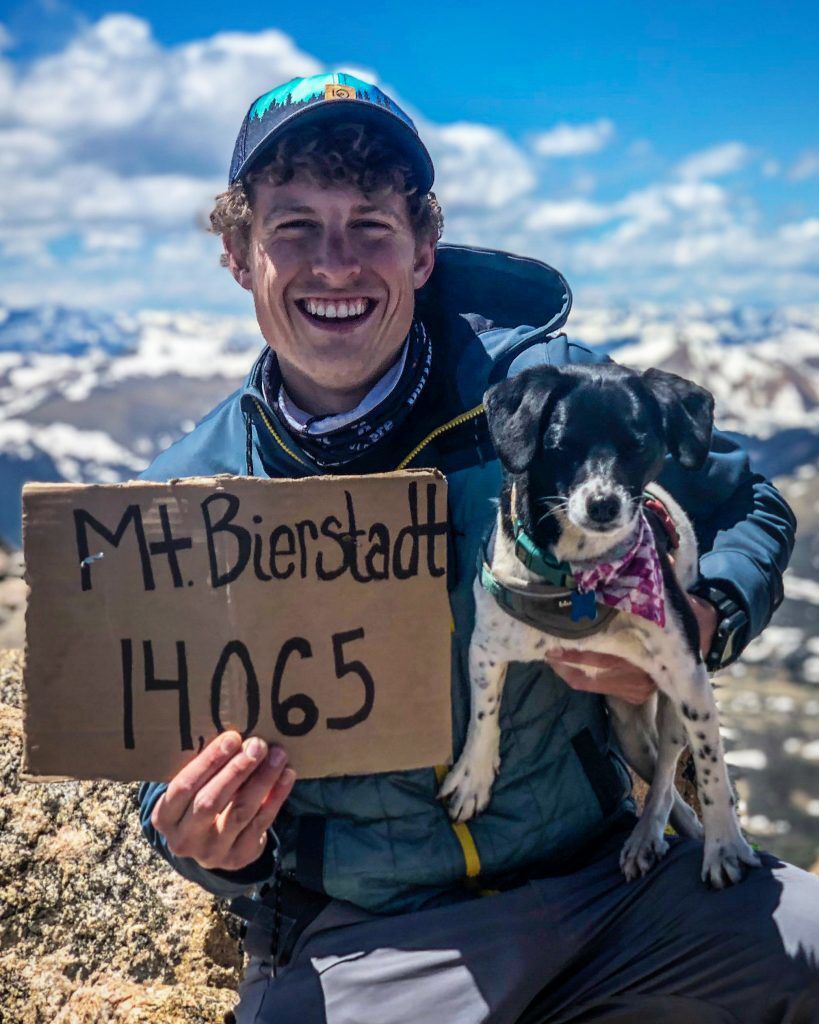
Another popular peak for beginners, the trail to the summit of Mount Bierstadt is very straightforward with the exception of some light scrambling and frequent winds. Bierstadt is also easy to find and park at.
This mountain is also known for being a peak that tends to dry out quickly following winter, making it accessible earlier in the season. Use a website like 14ers.com to check for up-to-date trail conditions prior to starting any hike. I’ll usually start monitoring conditions roughly a week out.
Trail Name: Mount Bierstadt West Slopes
Class: Class 2 (‘Moderate’ rockfall potential)
Length: 7 miles
Gain: 2,850 feet
More info: Click here
3. Mount Evans
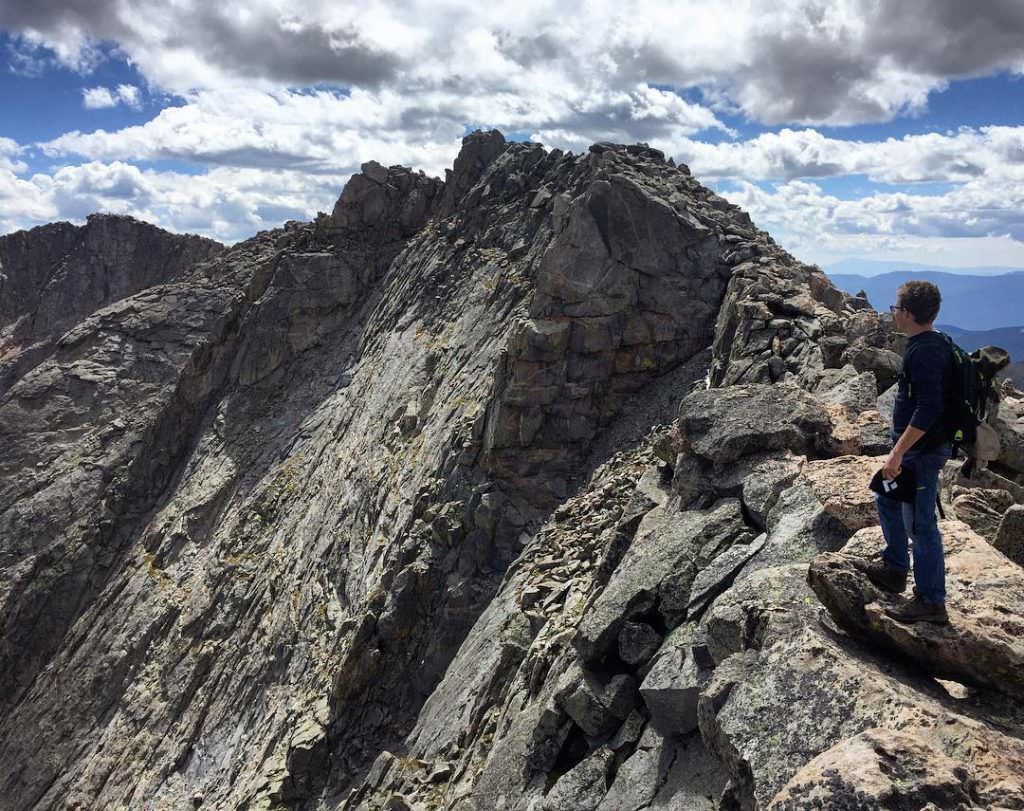
When the Summit Lake is accessible, Mount Evans offers a unique fourteener hike that’s well-trafficked, features varied terrain, and delivers on beautiful views.
It’s a bit weird when you get to the summit and see countless people that have simply taken the Mount Evans Highway to the top, but the fun scrambling and stunning backdrop makes this one very worth it.
Trail Name: West Ridge from Summit Lake
Class: Class 2 (‘Moderate’ exposure, rockfall potential, route-finding, and commitment)
Length: 5.5 miles
Gain: 2,000 feet
More info: Click here
Editor’s Note: Mount Evans Highway will not be open to vehicles during summer 2020, making hikes to this peak too difficult for a beginner.
4. Mount Belford
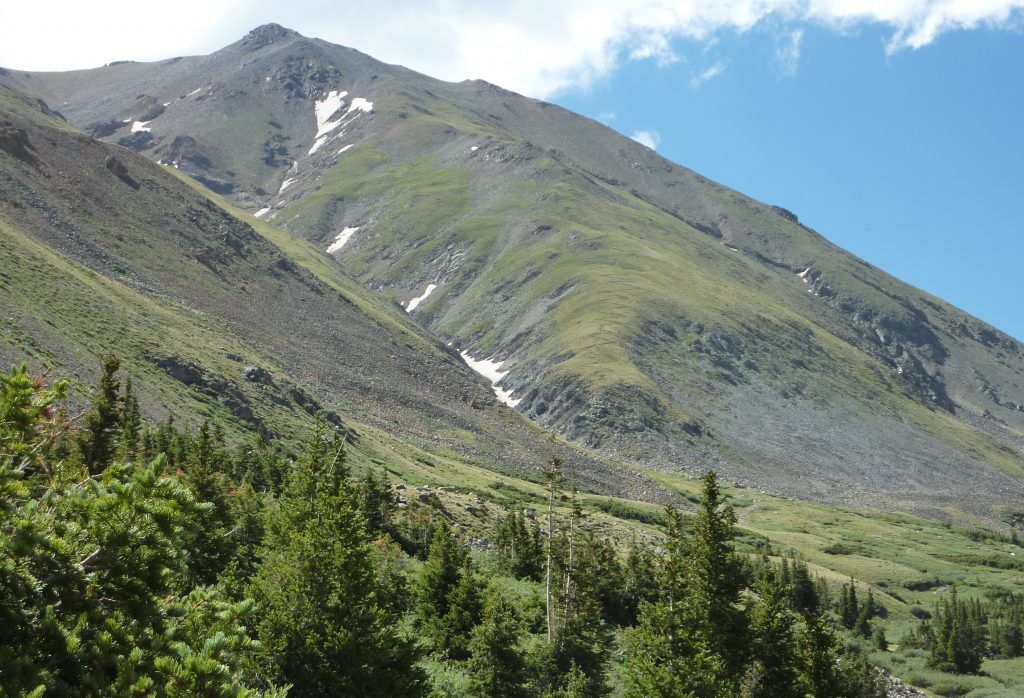
Slightly more adventurous than the other peaks on this list, you’ll find the well-marked trailhead for this high-elevation trail on a long gravel road. This one is steep and a little longer, but the trail is easy to follow to the summit.
Mount Belford is also nice because hikers have the option to climb an additional peak (Mount Oxford) via a saddle if they’re really looking to test themselves. Note that this two-peak hike is long and has a high level of commitment, but continues in Class 2 nature.
Plus, the trailhead also offers access to Missouri Mountain, which is another great option for beginners though more difficult at 10.5 miles and 4,500 feet of gain.
Trail Name: Mount Belford Northwest Ridge
Class: Class 2 (‘Moderate’ exposure, rockfall potential, route-finding, and commitment)
Length: 8 miles
Gain: 4,500 feet
More info: Click here
5. La Plata Peak
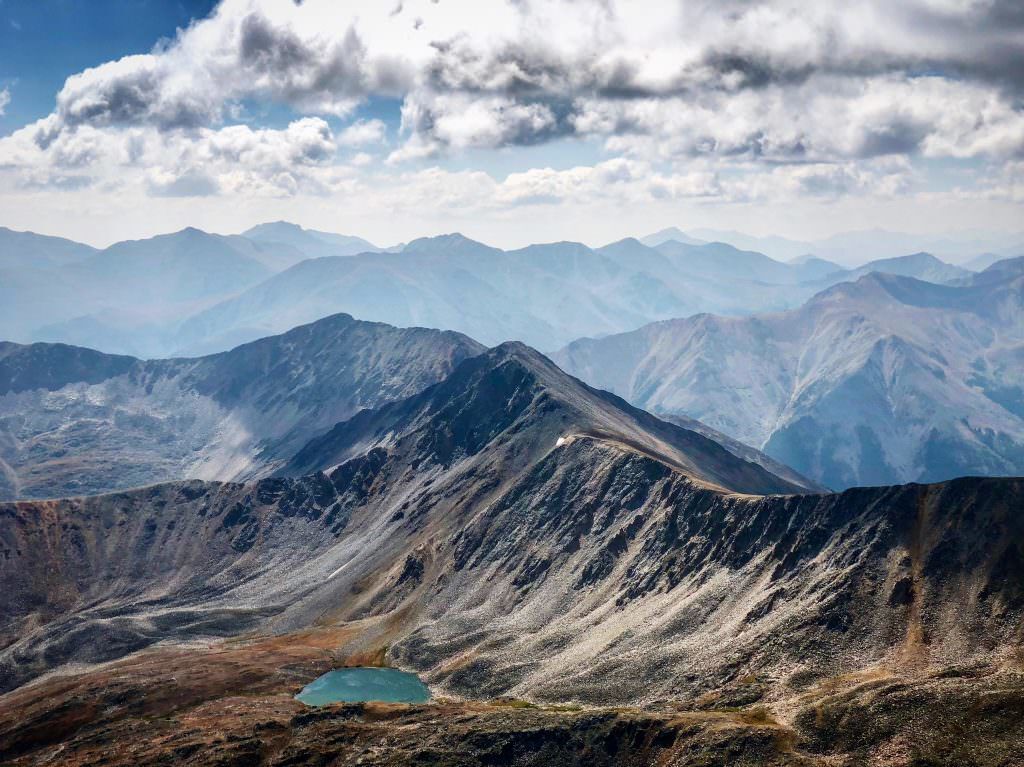
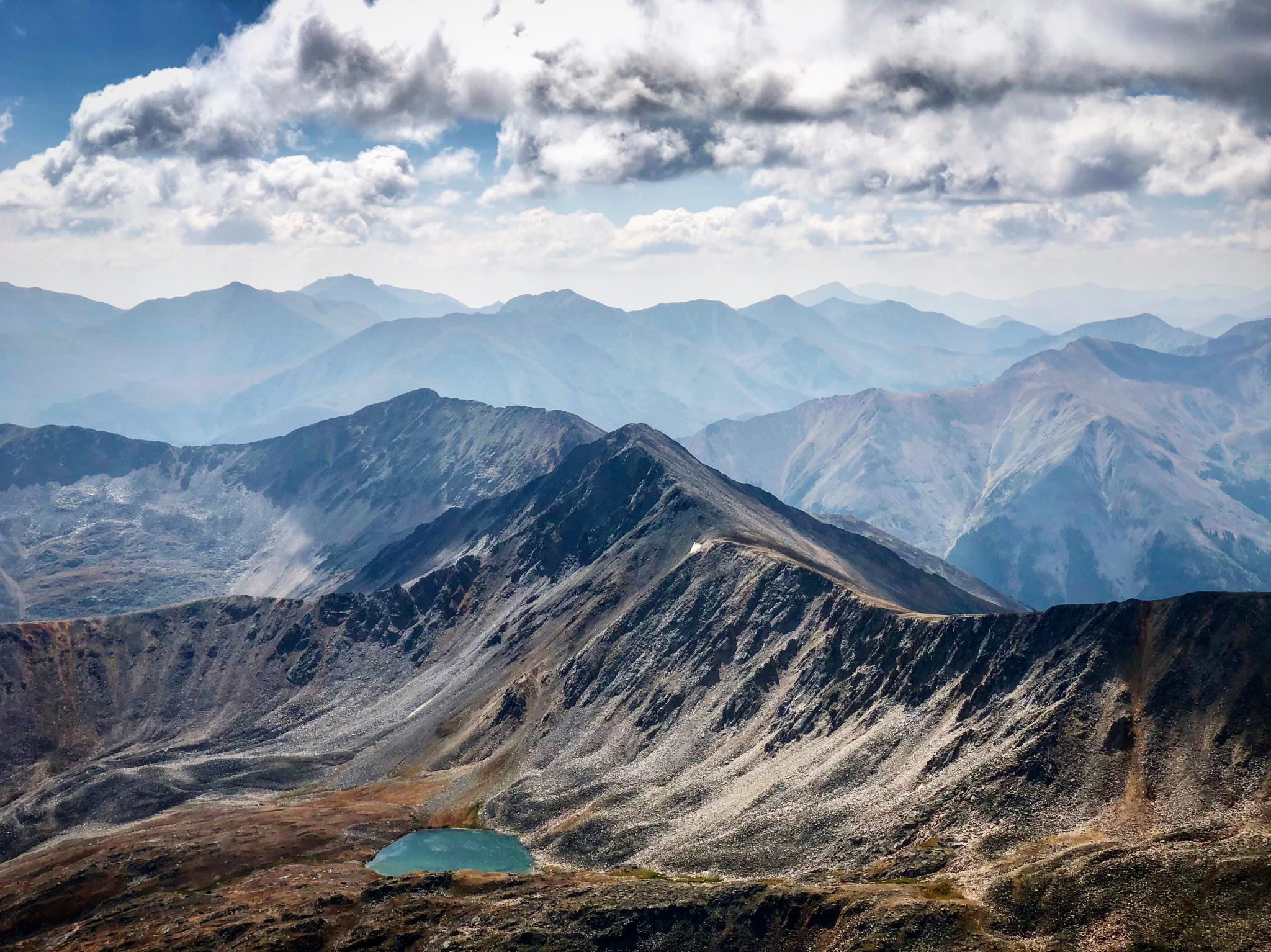
Though a long and strenuous Class 2 grind, La Plata Peak trail is easy to follow and doesn’t really have too many hazards. Plus, the ridgeline trail provides one of the most scenic fourteener summit climbs around.
Trail Name: La Plata Peak Northwest Ridge
Class: Class 2 (‘Moderate’ exposure, rockfall potential, and commitment)
Length: 9.25 miles
Gain: 4,500 feet
More info: Click here
Get OutThere
Signup today for free and be the first to get notified on new updates.
PREV
PREVIOUS
Droves of Colorado residents looking for an escape creates capacity issue at trailheads
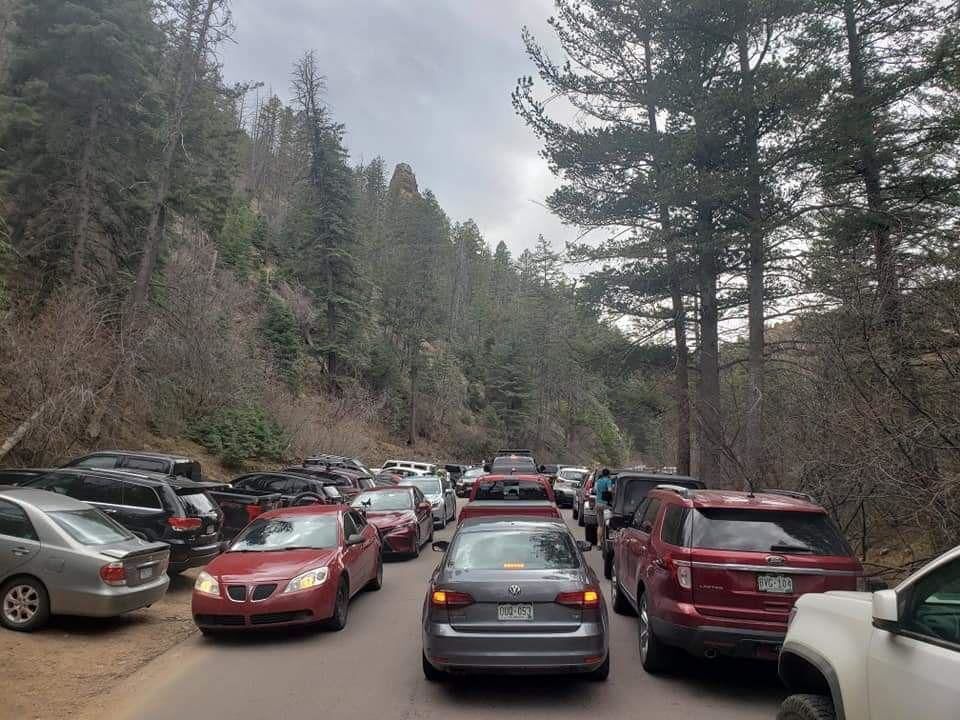
For months it has looked like summer at Colorado Springs trailheads — packed not by tourists but by locals in what has been a COVID-19 trend along the Front Range. Now, Gov. Jared Polis has emboldened Coloradans to hit the trails, adding “the vast, great outdoors” to his “safer at home” guidelines. Now, “we’ve certainly […]