







Lakewood voters reject city’s ‘density’ zoning changes
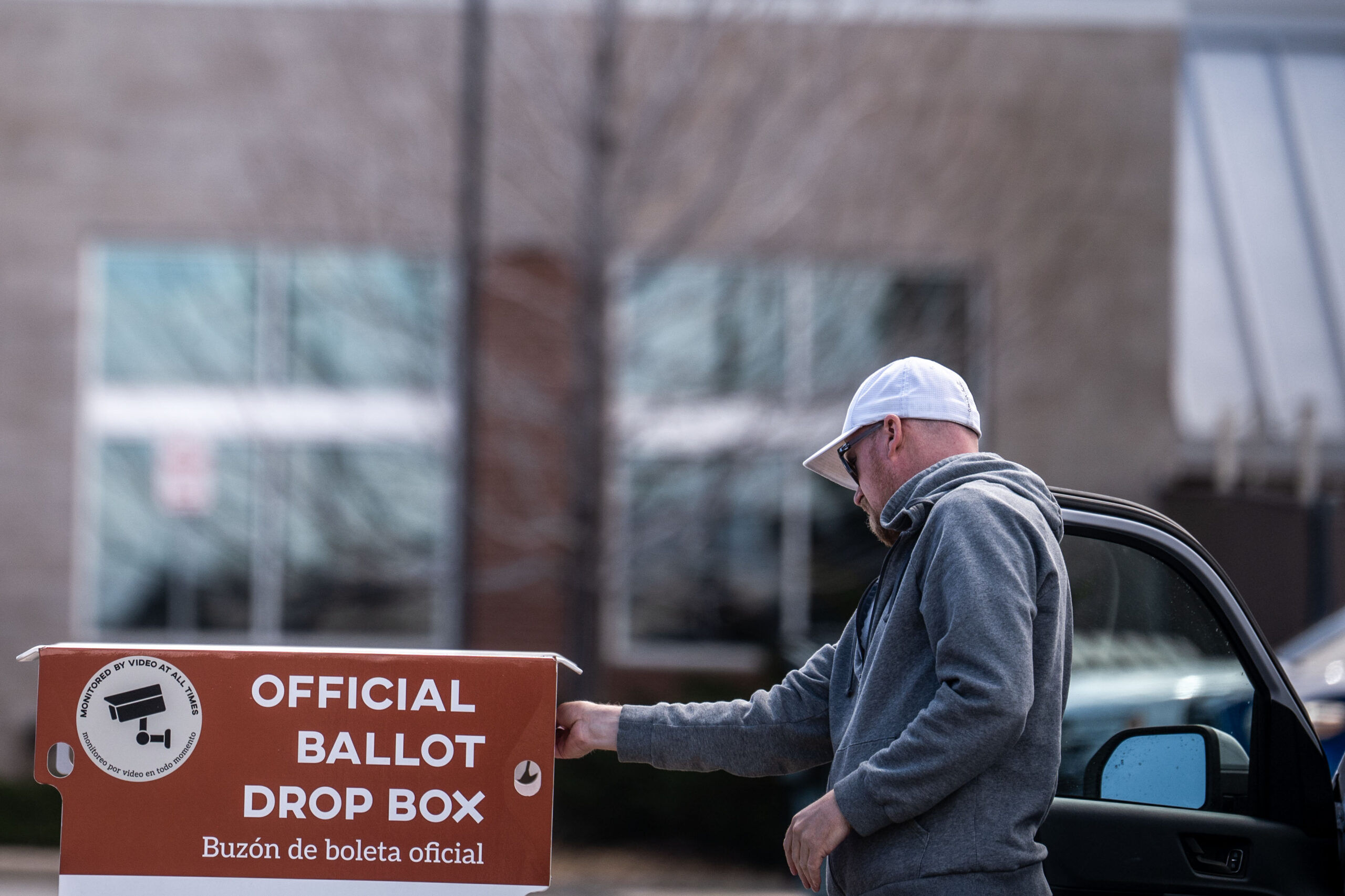
Lakewood voters rebuffed zoning changes approved by the City Council that seek to allow for more housing “density,” according to the initial and unofficial count Tuesday night.
It’s the second time in five months that metro Denver voters have rejected efforts to permit multiplexes and similar types of housing in mostly single-family home neighborhoods. Last November, Littleton residents also sided with critics in voting against the city’s “density” campaign.
A group of Lakewood residents gathered sufficient signatures to force a public vote on a 400-page zoning code update and four related ordinances approved by the City Council last year. The measures aim to spur multifamily housing development, according to supporters. Critics said they would alter the character of neighborhoods without achieving their ends.
Here are the results as of 10 p.m.
Question 1: 15,724 yes; 8,696 no
Question 2: 15,643 yes; 8,796 no
Question 3: 15,692 yes; 8,724 no
Question 4: 15,661 yes; 8,746 no
The special election asked voters whether they would like to repeal the ordinances — so a “yes” vote means zoning would go back to the way it was before the 2025 changes.
A “no” vote keeps the new zoning outlined in the ordinances.
The full certification of the election results is scheduled to be completed on April 16, according to a city spokesperson.
“Lakewood voters sent a clear message tonight. The people want a voice in decisions that impact their neighborhoods,” said Karen Gordy, head of Lakewood Citizens Alliance. “While these initial results are strong, we respect the process and will wait for the final certified count.”
“When homeowners are inaccurately told that their home is under threat, they vote accordingly,” countered Sophia Mayott-Guerrero, Make Lakewood Livable campaign manager and a former councilmember. “Lakewood’s zoning was rolled back in a record low turnout, and the people who would have most benefited from the zoning reform were the least likely to vote in an oddly timed special election.”
The battle in Lakewood echoed the larger debate around “density,” a concept embraced by neighboring Denver, where supporters frame it as a solution for many urban problems. The reasoning is encompassed in the “15-minute city” idea envisioning a community where employers, shops, schools, medical care, and recreation all lie within a 15-minute walk, bike or bus ride from where residents live.
Opponents, meanwhile, are widely skeptical about “density” as a cure-all, and, along with it, about rapid transit as a means to enable that.
The rezoning fight

Proposed changes to the city’s zoning code hit councilmembers’ desks in February 2025. After months of heated discussions, the council approved them in October.
The zoning changes went into effect in January but were paused after the petition to put them on the ballot for voters to decide was deemed sufficient.
The new zoning code aimed to increase housing options by removing the term “single-family zoning” from city documents. In its place, the city adopted the term “residential dwellings” — an umbrella category encompassing single-family homes, duplexes, triplexes and townhomes.
The changes mostly fall in line with new state requirements like House Bill 24-1152, which mandates cities to allow 500 to 750-square-foot accessory dwelling units wherever single-family homes are allowed, and House Bill 24-1304, which prohibits cities from requiring minimum parking for multifamily complexes built in a “transit service area.”
Two groups — Lakewood Citizens Alliance and Lakewood Stronger Together — began speaking out on social media in opposition to the zoning changes and gathered signatures.
Meanwhile, others, such as Make Lakewood Livable, promoted the zoning changes.
Once the opposition garnered enough petition signatures, the City Council had two options: repeal the petitioned ordinances or hold a special election. They decided on the latter.
There were four questions on the ballots in the special election that will cost $155,000.
Ordinance 2025-29 includes the city adopting the term “residential dwellings.”
Ordinance 2025-27 involves the elimination of parking minimums for residences located in transit corridors and designated affordable housing developments.
The remaining two ordinances address updated zoning definitions and planning procedures (Ordinance 2025-28) and revisions to the city’s zoning map (Ordinance 2025-30).
What people are saying
The groups for and against the zoning changes had alleged campaign flier theft, misinformation and fearmongering.
“I have yet to see a bulldozer. No single-family homes are being destroyed. We are not in a warzone, like it sounds like,” resident Amber Varwig said in September. “We’re going to lose our seniors and our kids because we don’t have the housing that they need to survive here.”
“We do not want the city to look like Denver. How come you are the only city that bowed down to pressure?” Cheryl Ramirez asked at a City Council meeting last year. “Does Lakewood have a plan for where they’re going to get their water when it runs out? Why are you rushing through this plan like a bulldozer?”
Meanwhile, the Green Mountain Water and Sanitation District (GMWSD) — which provides water and sewer service to around 48,000 people in west Lakewood — filed a lawsuit against the city in November regarding the changes. The district claimed the city did not consult with it prior to drafting and approving the changes.
“Decades of water conservation efforts have led to a hardened system — there is very little room to eliminate watering one yard and repurpose that water for multiple toilets and showers instead,” GMWSD President Karen Morgan said in a letter in August.
Meanwhile, the city of Lakewood filed a complaint against the district on March 19, claiming election electioneering over an informational card sent out to residents.
Under the city’s campaign and finance codes, the district is required to report to the City Clerk how much it spent on electioneering material. The district is estimated to have spent about $8,550 but filed nothing with the city, the complaint said.