




River otter was reintroduced to Colorado 50 years ago – and CPW wants the public to help track effort’s success
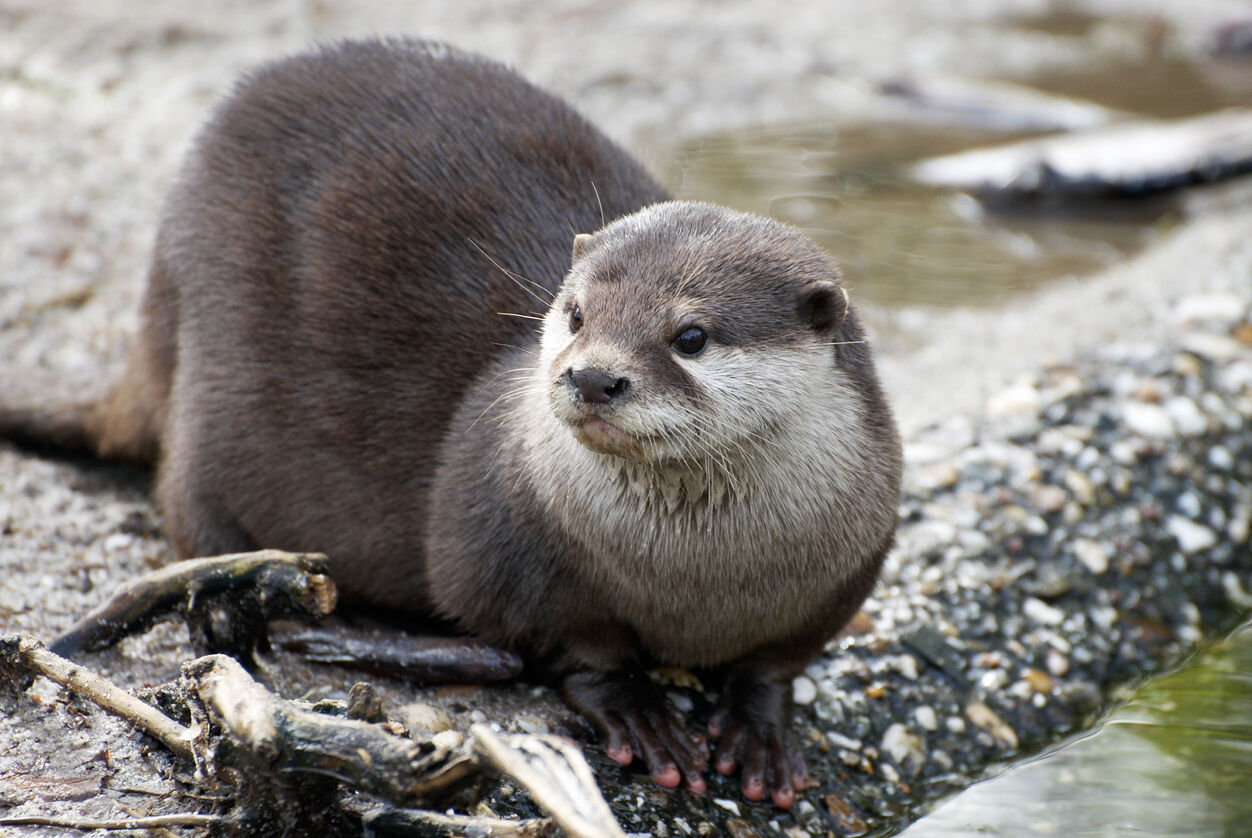
Colorado Parks and Wildlife (CPW) is seeking the public’s help in documenting river otter distribution around the state through a new “community science project” as part of the agency’s 2026 Otter Yearlong Engagement and Assessment of River Otters (Y.E.A.R).
The project will be on the iNaturalist platform, which is a free online social network and citizen science platform allowing users to record and share observations. Residents and visitors can submit photos and locations of river otters or signs of their presence, including tracks or scat, on the platform.
The public can participate by downloading the iNaturalist app and searching for the “Otter Y.E.A.R. 2026 project.” Photos can then be submitted, and participants can also include location details to improve data quality.
The 2026 Otter Y.E.A.R. project marks the 50th anniversary of river otter reintroduction in Colorado. According to a press release from CPW, the animals once lived in major rivers in Colorado, but were wiped out by the early 1900s because there were not rules governing the take of wildlife or water pollution. The Colorado Division of Wildlife (now CPW) later reintroduced 120 river otters between 1976 and 1991.
“Coloradans who enjoy river otters today have that opportunity because of the vision and dedicated work 50 years ago by Division of Wildlife employees and several graduate students, along with the Pittnam-Robertson dollars used to fund the effort,” said River Otter Program Manager Bob Inman. “This year’s survey will help us understand the extent of reintroduction success and any limitation to it.”
CPW reintroduced river otters to the Cheeseman Reservoir, the Gunnison River, the Piedra River, the stretch of the upper Colorado River running through Rocky Mountain National Park and the Dolores River. According to CPW, the river otter’s status switched from endangered to threatened after reintroduction efforts increased the animal’s population.
As well as being a top river predator, river otters are a crucial indicator of river health, according to CPW. If the river otter population is increasing, it signifies that the ecosystem is healthy.
Participants in the project will even have the chance to see their submissions featured in monthly “Otter Photo of the Month” highlights that will be posted on CPW’s social media channels.
In addition to the public participation project, CPW staff and partner organizations will be conducting surveys throughout the year, including “scheduled efforts” on the Yampa, Green, Colorado, and Gunnison Rivers. The information collected in 2026 will help inform future conservation work like possible reintroduction efforts into habitats that are still unoccupied.
Learn more about river otters in Colorado and the project here.
STAY INFORMED: Get free Colorado news with our daily newsletter (Click here)
Get OutThere
Signup today for free and be the first to get notified on new updates.
PREV
PREVIOUS

Weekly Weather Outlook for Colorado: April 13 through April 19
This week is set to begin with mild temperatures around Colorado, with it turning cooler and wetter (with some chances for rain showers, thunderstorms, and snow storms in the mountains) towards the middle of the week. Temperatures are then expected to heat back up again at the end of the week. Here’s a look at […]
Multiple Colorado mountain towns rank among 'best retirement towns' in U.S.
As well as being known for stunning views and excellent outdoor recreation, the American Rockies are becoming popular as a retirement destination. World Atlas recently ranked the six best retirement towns in the Rocky Mountains, and three Colorado towns made the list. Glenwood Springs was included on the list. The town’s biggest attraction is its […]