







DPS board advances bell-to-bell cellphone ban, approves “Safe Zones” policy
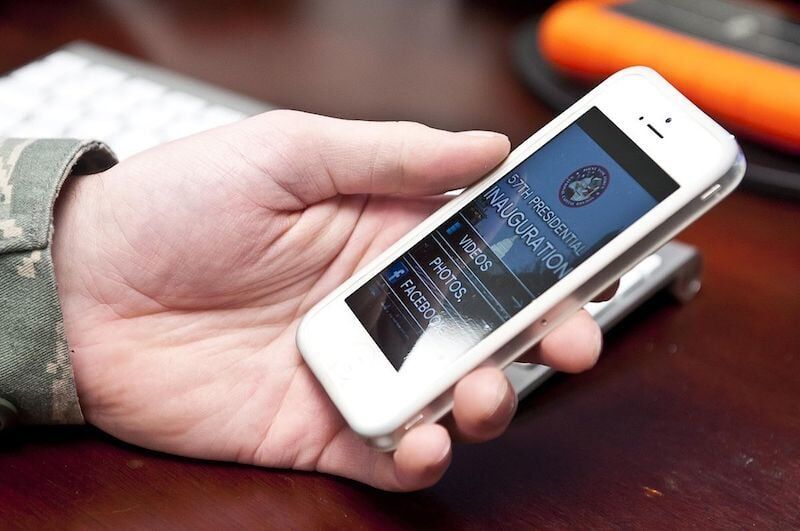
The Denver Public Schools Board of Education unanimously voted on Thursday to create a bell-to-bell cellphone ban for students, advancing the measure for adoption before the July 1 state mandate.
The ban drew wide support from the community committee tasked with creating a policy, with 100% of members agreeing there should be no smartphones, watches, ear buds (that connect to a cellphone), non-issued computers or tablets during school hours.
“Students also acknowledged that putting phones away only for instructional time, which is the current approach in most of our high schools that do have policies, doesn’t actually work due to inconsistent enforcement,” Sarah Almy Moore, a committee member, has said.
The committee also recommended that adequate and secure storage should be provided.
The costs of implementing the ban are, as yet, unknown. It would apply to all students.
Committee members acknowledged that emerging technology means the policy will likely need to be updated.
“We’re looking at a policy that can outlast us,” Nestor Bravo, a committee member and Lincoln High School principal, has said.
In addition to the cellphone policy, board members also approved on final read a policy amendment that designates all district school properties as “Safe Zones” — barring federal immigration agents from interacting with students and staff without a judicial warrant.
This vote, too, was unanimous.
The amendment specifically forbids U.S. Immigration and Customs Enforcement access to school property without a judge’s signature, cooperating with detainer requests and collecting and sharing student information with federal officials.
It also prohibits School Resource Officers, or SROs, from sharing information with federal agents or issuing citations and making arrests that could put a student at risk of deportation.
General Counsel Aaron Thompson’s office will be tasked with verifying whether a warrant is valid.
But Thompson was originally uncertain about who is authorized to sign an administrative warrant — a key distinction with the new amendment.
Thompson initially said immigration judges sign administrative warrants, but was publicly corrected by Director Marlene De La Rosa, who previously worked at the U.S. Department of Justice immigration court.
“OK, well, I’m gonna take your word for it,” Thompson told De La Rosa.
The exchange underscores the difference between administrative immigration warrants and judicial warrants signed by a judge — a distinction central to the policy the board voted on.
Administrative warrants — which are issued internally by immigration officials, not judges — do not permit ICE agents to forcibly enter private residences to arrest someone with a final removal order. Only a judicial warrant can do that.
Individuals are protected from unreasonable searches and seizures under the Fourth Amendment. Supported by an oath, warrants are supposed to describe the place to be searched as well as the persons or things seized. The Fourth Amendment protects everyone — regardless of citizenship — from unreasonable search and seizures.
Superintendent Alex Marrero told the board that he would expedite implementation, which without doing so would mean the new policy would go into effect next school year.
“This can be done in a matter of a week and it would be implemented immediately,” Marrero said.
The board also approved a policy for facility uses, particularly when a campus is closed.
Having adopted in 2021 what’s called a “policy governance” model, the board is still building out those policies.
Policy governance establishes the responsibilities and relationship between the superintendent and the Board of Education. In theory, the model allows the board to focus on advancing its vision for the district.