




“If you care, leave them there”: CPW tells public not to ‘help’ baby animals
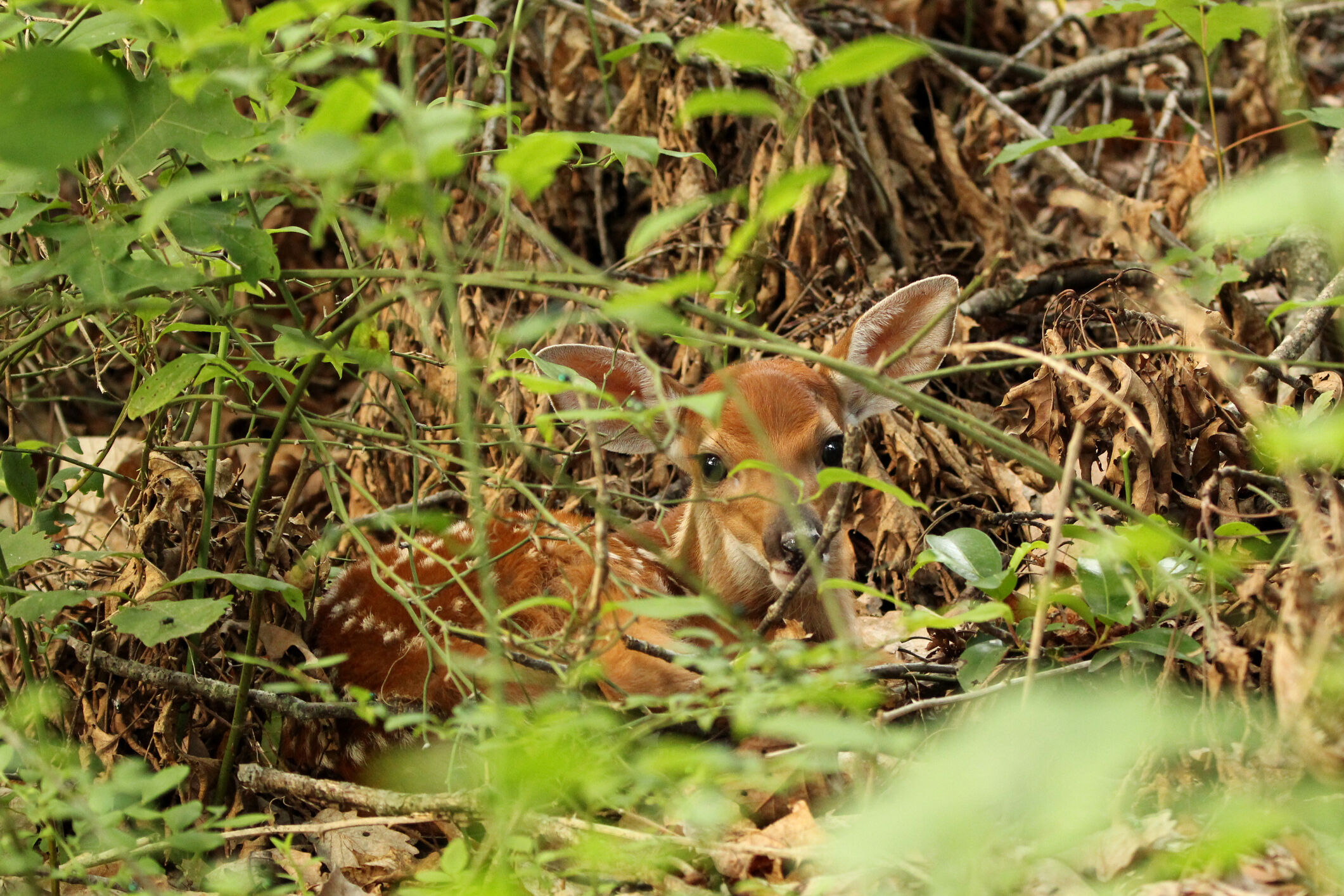
With Mother’s Day coming in hot, Colorado Parks and Wildlife issued a reminder to the public not to interfere with wildlife younglings they encounter this spring.
“The public can support wildlife families by respecting natural behaviors and allowing animal mothers to do what they do best — care for their young in the wild,” reads the report.
A common issue related to the topic involves humans encountering a young animal that seems abandoned, picking it up and trying to find it help. ‘Seems’ is the key word – these animals typically aren’t abandoned, with parents out getting food or keeping predators away.
“Every year, CPW and local parks receive an increase in office visits and calls from people who report they “rescued” young wildlife,” reads the press release. “Many people wrongly believe they are “helping” young animals by picking them up, bringing them to a CPW office or taking them home to feed them. People routinely orphan young wildlife by essentially kidnapping them from their natural environment.”
A good example of this can be seen in deer behavior, with mother deer often leaving their fawn alone for long periods of time, ensuring the young deer is in a place where it’s relatively protected. Some sources indicate the a mother deer can leave the fawn for 12 hours or more while feeding, then returning to nurse. Fawns have a reduced scent at birth, which allows them to better hide from predators, thus when the mother with her stronger scent leaves, she’s drawing predators away from the fawn, as well.
When it comes to encounters with young wildlife, here are a few tips that can help keep all parties involved safe:
- Do not feed or approach the young wildlife. Instead, keep your distance.
- Do not get between a mother and her youngling. This can prompt aggression in many species. If you notice you’ve inadvertently positioned yourself in such a way, try to remove yourself from the situation.
- Don’t linger when you find young wildlife, as this can cause stress for a nearby adult.
- Keep dogs on a leash to keep them from chasing wildlife or finding hidden young.
- If you happen to see an animal that appears sick or injured, don’t intervene yourself. Instead, call the local Colorado Parks and Wildlife office and let them determine how to handle the situation.
- Be aware that young wildlife may be found in seemingly odd places – under decks, in tall grass, beside a walking path, etc. Keep an eye out for young wildlife and avoid it as much as possible.
“It’s critical to understand that humans are poor substitutes for a wild animal’s natural parents,” said District Wildlife Manager Drew Vrbenec. “In almost every case, picking up baby wildlife is the wrong thing to do. When you incorrectly handle young wildlife, you can transfer your scent to the animal. Our smell can cause a mother to fail to recognize her own baby, leading to true abandonment of healthy offspring. If you find young wildlife, enjoy a quick glimpse, leave the animal where it is, keep pets out of the area and don’t hover so close that the parents are afraid to return to the area.”
Colorado Parks and Wildlife did provide one caveat for when it come to helping a young animal. If a nestling baby bird – with its eyes closed and no feathers – is found alive outside of the nest, it is generally okay to put it back into the nest, just make sure you’re wearing gloves and a mask when you do so in order to prevent a transfer of disease in either direction.
Learn more about living with wildlife here.
STAY INFORMED: Get free Colorado news with our daily newsletter (Click here)
Get OutThere
Signup today for free and be the first to get notified on new updates.
PREV
PREVIOUS

In 1863, 'America's first serial killers' are believed to have murdered 32 people across Colorado
While many historians seem to consider H. H. Holmes to be ‘America’s first serial killer,’ a murderous spree involving dozens of victims that took place in rugged and remote Colorado just two years after Holmes was born belies that claim. The story starts with the 1828 birth of Felipe Nerio Espinosa, born in the New […]
Man killed in apparent bear attack at national park in northern U.S.
On May 6, search and rescue crews found the body of a missing hiker in Montana’s Glacier National Park, discovering that the body had injuries consistent with what would be sustained in a bear encounter. Local news reports that the body was that of Florida man Anthony Pollio, 33 and of Fort Lauderdale, who was […]