







EPA proposes more flexibility in coal ash rules as Colorado sites face ongoing cleanup
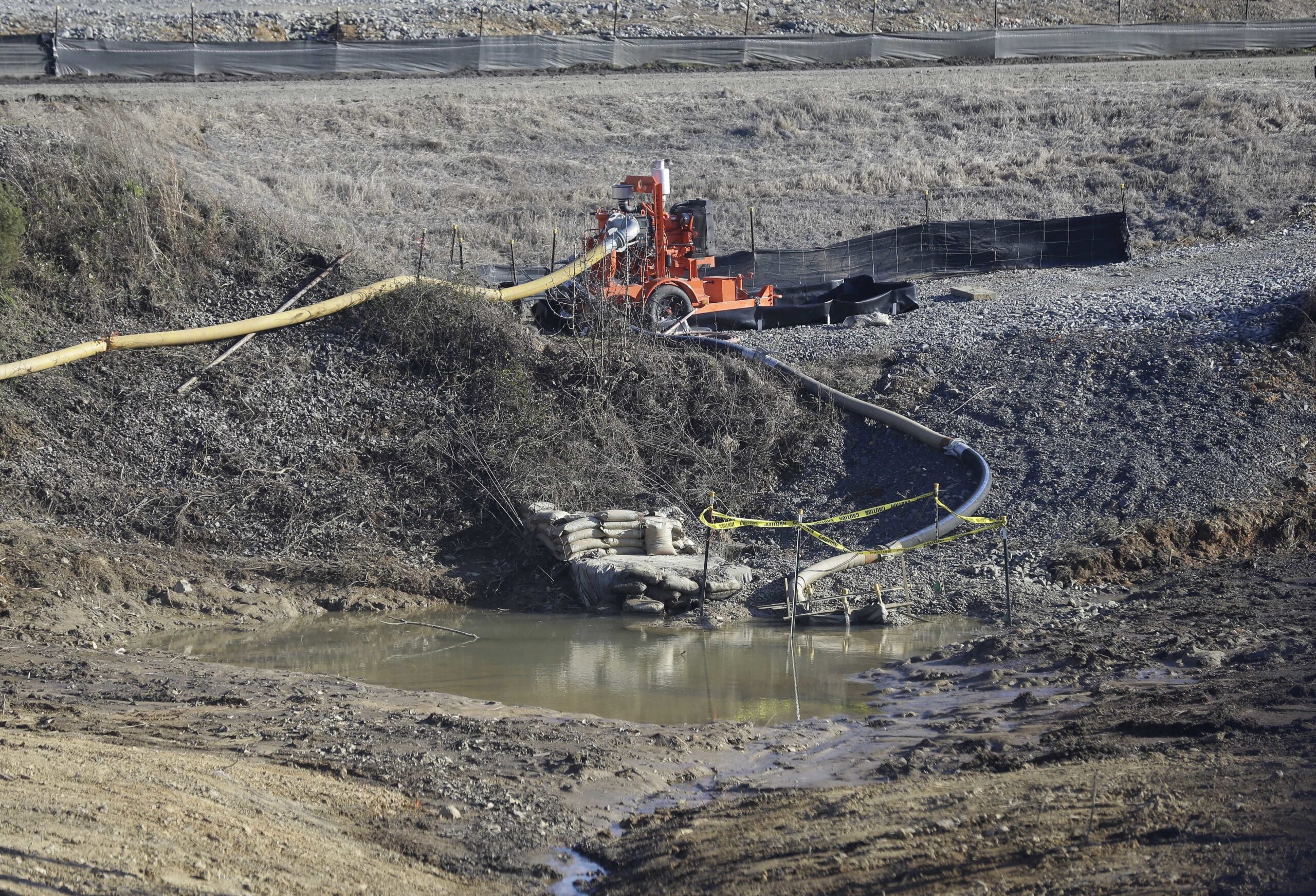
The Valmont power station east of Boulder remains a high-profile example of cleanup challenges at older sites
The Environmental Protection Agency has proposed changes to federal coal ash regulations that would give utilities and state authorities more site-specific options for managing the toxic byproducts of coal-burning power plants at disposal sites created prior to federal regulation.
But some environmental groups worry the changes would weaken longstanding safeguards and delay cleanups at contaminated sites.
The proposal would revise parts of the coal combustion residuals framework. Officials said the revisions address practical compliance challenges at older disposal sites, promote reuse of the material in products, such as concrete, and allow decisions tailored to conditions at individual locations.
Legacy disposal units refer to older coal ash ponds, landfills and other storage areas built and used before the stricter federal rules took effect, according to EPA documents.
The first major federal coal ash rules were enacted in 2015 during the Obama administration. Further changes were adopted in 2024 during the Biden administration.
Many of these older sites were constructed decades ago without modern liners and have been monitored for contamination only in recent years.
The EPA states in its proposal documents that the changes maintain essential requirements through state or federal permitting programs and do not eliminate remediation obligations. Facilities would still need to monitor groundwater, address contamination, and meet closure standards — but with greater flexibility to account for site-specific conditions.
In Colorado, the Valmont power station east of Boulder, which has converted from coal to natural gas generation, offers one example of the challenges.
Xcel Energy has documented groundwater contamination with elevated levels of lithium, selenium and other substances at the former coal plant. The utility has proposed a pump-and-treat system, combined with excavation of a large portion of the ash for beneficial reuse. State health department officials are overseeing the process, which includes public input.
“Protecting our customers and the environment is a priority,” said Michelle Aguayo, spokesperson for Xcel Energy, in a statement to The Denver Gazette. “We’re committed to responsibly managing impacts from our operations, including from prior coal plants like Valmont.”
She said the company has kept local health officials, the Colorado Department of Public Health and Environment, and the EPA informed every step of the way and remains in close communication with nearby residents.
Aguayo noted that groundwater remedy installation is expected in the second quarter of 2027, with targeted coal ash removal starting in 2029, and that current testing shows no drinking water in the area exceeding groundwater protection standards.
At a nationwide online public hearing on Thursday that lasted approximately 10 hours, roughly 65 speakers addressed the proposal. All but one or two opposed the changes.
Environmental groups and many members of the public argued that the revisions would weaken longstanding safeguards and delay cleanups at contaminated sites across the country.
Cindy Warren, a retired pathologist living in Boulder, said at the hearing that the Valmont site illustrates ongoing risks.
“In Boulder, we are experiencing these risks firsthand,” Warren said. “Xcel’s Valmont Power Station has a regulated unlined landfill which is contaminating groundwater with selenium and lithium, and this plume is moving offsite.”
Kate Kinnamon, a graduate student at Appalachian State University, said scientists have documented harm from coal ash releases.
“The safe amount of heavy metals that a human can consume does not change on a case-by-case basis,” Kinnamon said.
EPA officials pushed back on criticisms in its explanatory materials. The agency states that the proposal does not broadly exempt sites from oversight. Instead, it adjusts the framework for older units to make compliance more practical while keeping groundwater monitoring, corrective action, and closure requirements in place through permitting processes.
Agency officials note that the changes would allow beneficial reuse of ash in ways that encapsulate the material, potentially reducing long-term disposal needs. They argue that uniform national mandates have proven difficult to implement at older sites and that site-specific decisions by qualified permitting authorities can better balance protection with feasibility.
In Colorado, work at Valmont and other former coal plant sites would continue under state oversight regardless of the final federal rule.
Supporters of the proposal, including representatives from the coal ash industry, said the revisions recognize that coal ash can be a valuable material when properly managed. They point to its established use in concrete production as an example of environmentally beneficial recycling.
Opponents counter that any relaxation of standards risks prolonging contamination at sites like Valmont and others around the state. They urge the agency to maintain or strengthen the existing rules.
The public comment period on the proposal remains open until June 12, and the agency has said it will review all input before issuing a final rule.