







Protect your health this summer and breathe easier
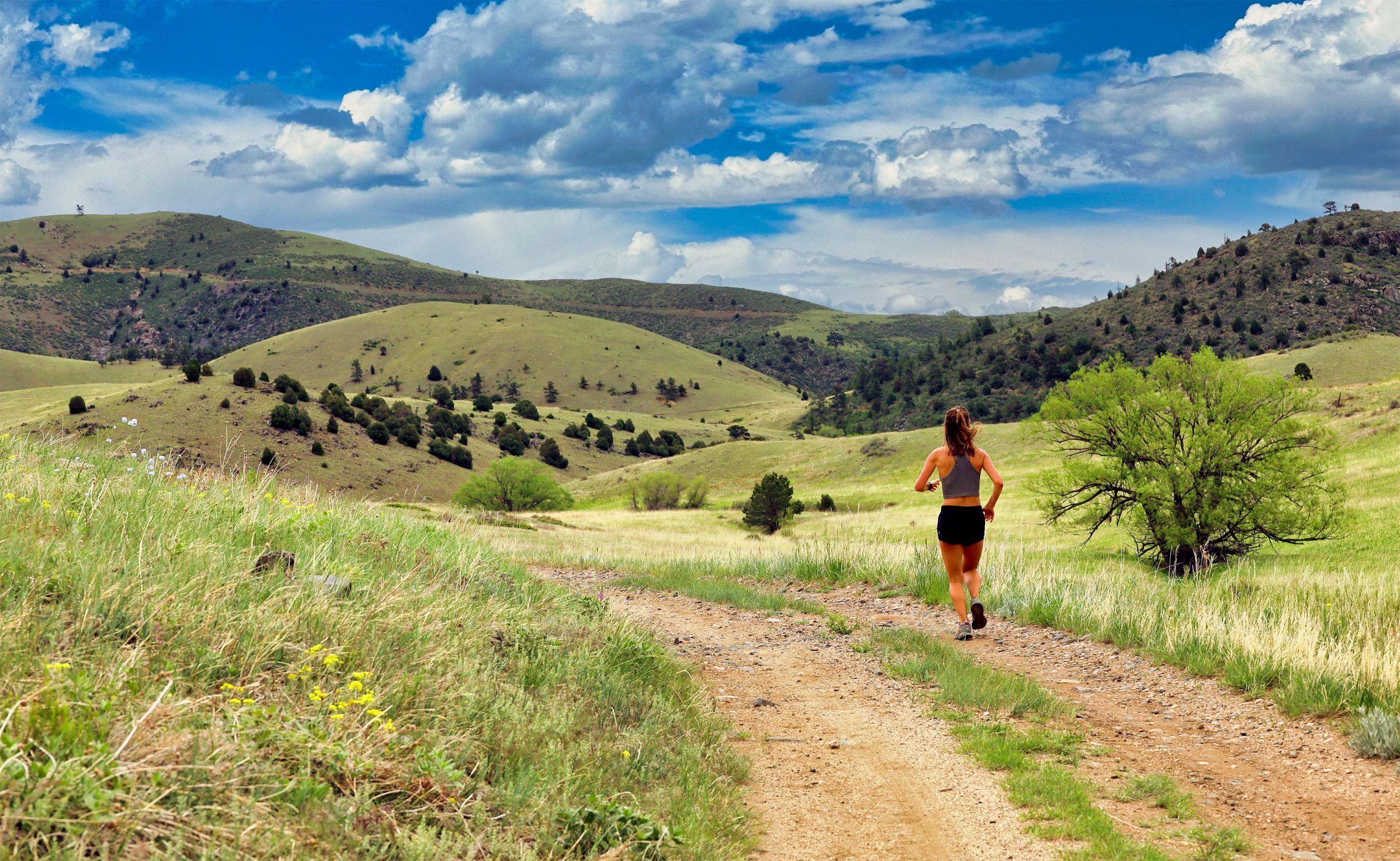
Picture this: It’s another hot, sunny, blue-sky day in the Colorado Front Range. This kind of summer day is the perfect one to spend outside — to walk the dog, go for a run or a hike, to ride your bike, take the kids to the park, or perhaps just lounge out on the lawn or by the pool.
Despite the beautiful weather, however, you may feel some irritation in your throat, or a tightness in your chest while you’re outside, or after a more intense outdoor activity. Your asthma — or your child’s asthma — may also be acting up.
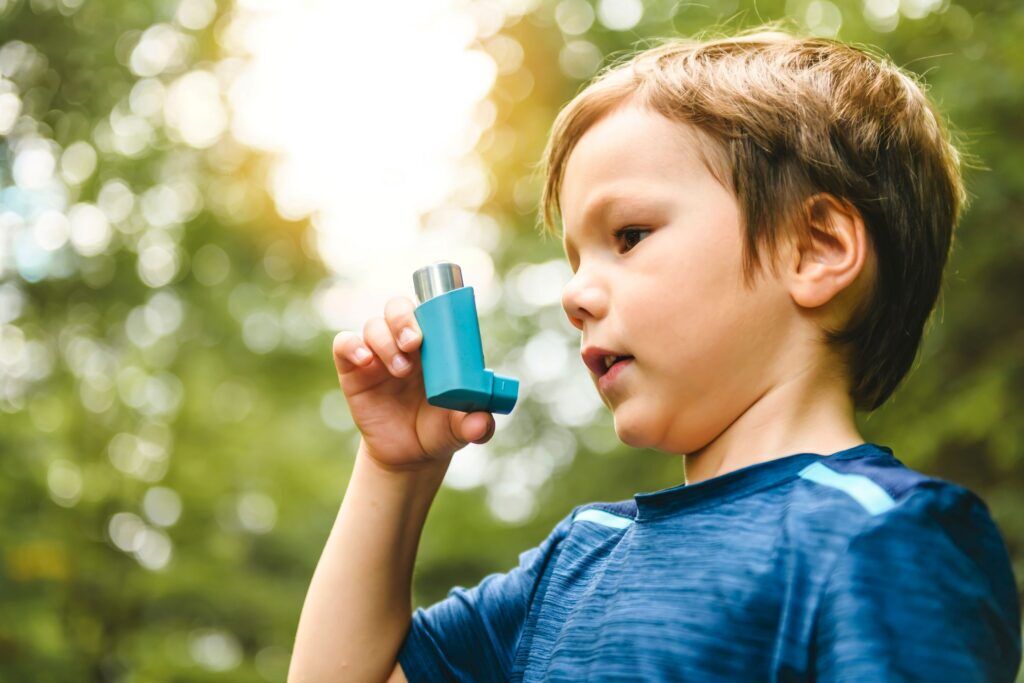
You might chalk it up to seasonal allergies, but these impacts on your breathing could be the result of ground-level ozone: the Front Range’s most pressing air quality problem each summer. We can’t see or smell ozone alone, but this invisible pollutant accumulates the most on hot and sunny summer days, reaching its highest levels in the afternoon and early evening.
This summer, learn how you can protect your health and help reduce ground-level ozone pollution, with some simple steps for better air!

Ozone is “good up high, but bad nearby”
Ozone serves an important purpose high up in the atmosphere — in the ozone layer — where it protects us from the sun’s ultraviolet radiation. But at ground level, down here in the layer of the atmosphere where we breathe, ozone is an unhealthy pollutant.
But where does it come from? Ozone pollution forms in the air when emissions from our gas-powered vehicles, gas-powered lawn equipment, and oil and gas production across the Front Range combine and react in the sunshine and heat of summer days. Our geography and weather patterns can then trap that air and its pollution along the Front Range, against the foothills.
Both colorless and odorless, ozone is different than wildfire smoke, tiny particulate matter, or the visible Denver “brown cloud” of years past. But when ozone combines with these other pollutants, it can form haze and smog — and obscure our mountain views.
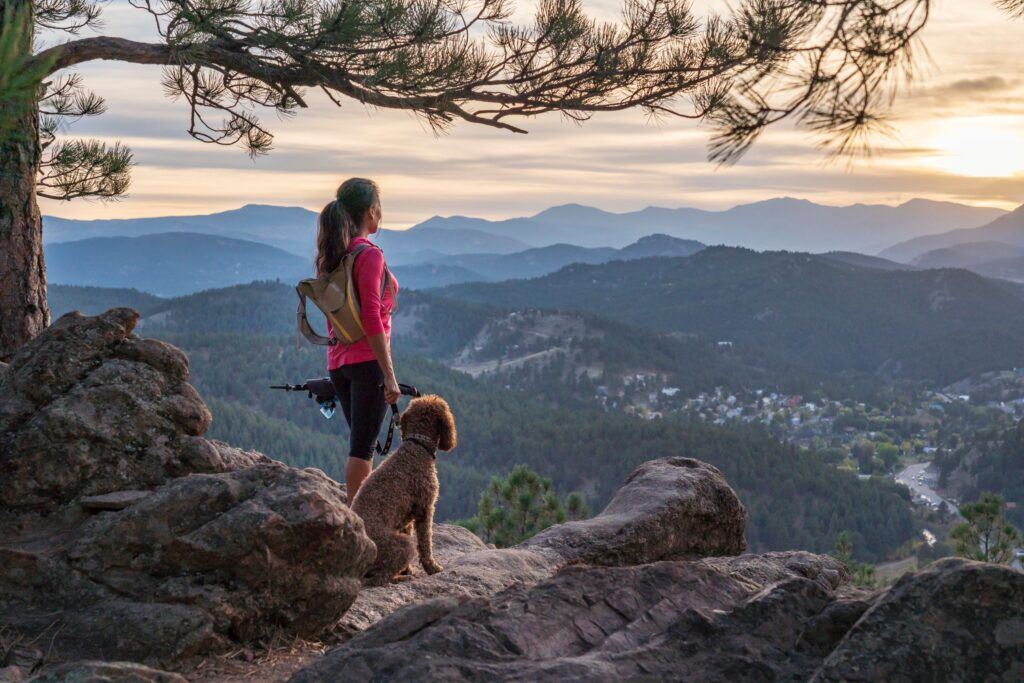
This summer, protect your health
Higher levels of ozone are unhealthy for all of us: making it difficult to breathe, increasing our susceptibility to respiratory infections, and heightening sensitivity to airborne allergens. It’s an irritant that may damage tissues in the respiratory tract, like getting a sunburn on your lungs.
However, the impacts of ozone and air pollution are not felt equally. People with increased risks from exposure to higher ozone levels include those with asthma, children, older adults, and people who are active outdoors, especially outdoor workers.
Children are at greatest risk from exposure to ozone because their lungs are still developing, and they are more likely to be active outdoors when ozone levels are high. Children are also more likely than adults to have asthma. Days with higher ground-level ozone levels are associated with increased emergency room visits for children.

Want to stay informed about summer air quality? Sign up for ozone alerts.
Not every summer day is a high ozone day! To know when it matters most to protect your health, visit SimpleStepsBetterAir.org to sign up for emails, or text “BetterAirCO” to 21000 to receive timely air quality alerts on your phone.
When the Colorado Department of Health and Environment (CDPHE) forecasts higher ozone levels and announces an “ozone action day alert,” we’ll send you a text or email to let you know. Plus, we’ll include timely tips and tricks for how you can reduce your emissions! You can unsubscribe or resubscribe at any time.
On high ozone days, there are many steps you can take to reduce your exposure to harmful ozone.
- Take it easy: Protect your health by avoiding or reducing outdoor exercise or heavy exertion outdoors between about noon and about 8 p.m.
- Opt inside: Take it easy and stay inside during peak hours for ozone. Close the windows and run fans or the AC, if possible.
- Still want to get outside? Plan ahead and spend time outside in the morning, or later in the evening after 7 p.m., when ozone levels will be lower! It’s also usually much less hot in the morning hours.
- Be strategic: Plan your outdoor activity days or training schedule with air quality forecasts in mind. Swap the bike ride or run for a session in the gym, pool, indoor climbing gym, or a yoga class.
- Filter your air: Dealing with allergies, odors, wildfire smoke, or an illness? Running a HEPA or equivalent quality air purifier indoors can reduce many air pollutants that cause breathing difficulties when ozone is higher, and reduce the spread of illness. Air purifiers with activated carbon “pre-filters” help reduce smells and unhealthy gases indoors.

Visit SimpleStepsBetterAir.org for more information and to sign up for summer ozone alerts to know when it matters most. Simple Steps. Better Air. is a program of the Regional Air Quality Council.