







Waymo is ready to drive in Denver without humans — but booking rides isn’t here just yet
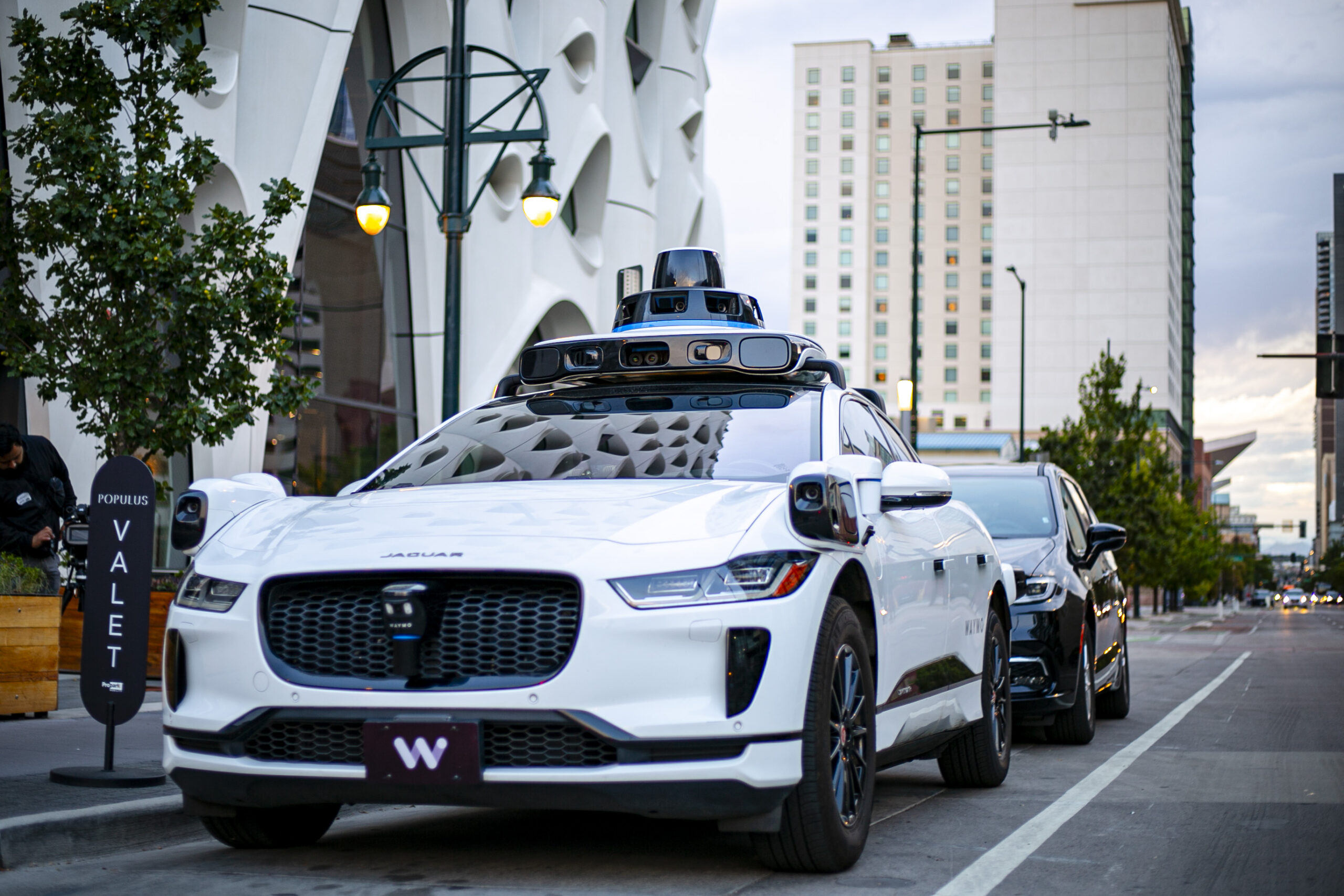
Waymo is one step closer to officially launching in Denver.
The autonomous ridesharing company will begin letting its vehicles drive around the city without a human behind the wheel, Waymo announced Wednesday.
The service will not be available to the public yet. Only Waymo employees will be allowed to ride in the cars for now.
Last year, Waymo announced Denver would be one of the next cities for its fleet of autonomous cars. It launched a pilot program and brought its cars to Denver to train its software on the city’s streets but all the vehicles were manned for testing.
Letting the cars drive fully autonomously is one of the company’s last steps before launching its services to the public.
“While these rider-only operations will initially be for employees, we expect to welcome the public soon,” Waymo said in a blog post.
The announcement Tuesday said it will also begin to roll out fully autonomous operations in San Diego, Las Vegas and Tampa. The company said people can download the Waymo app to get notified once service launches in Denver.
Waymo — which is owned by Google’s parent company Alphabet — currently operates in 11 cities including Atlanta, Austin, Dallas, San Antonio, Houston, Los Angeles, Miami, Nashville, Orlando, Phoenix and San Francisco.
The robotaxi company has primarily launched in cities with warmer weather climates but has been slowly pushing closer toward colder climates. Waymo wants to expand into 21 other cities including Boston, New York, Chicago and Seattle.
Denver is a critical city for Waymo’s plans to expand into more winter climates.
Waymo said Denver will be one of the first cities to get to use the company’s new Ojai vehicle, a more spacious blue SUV equipped with the sixth-generation Waymo Driver designed to better navigate snowier conditions.
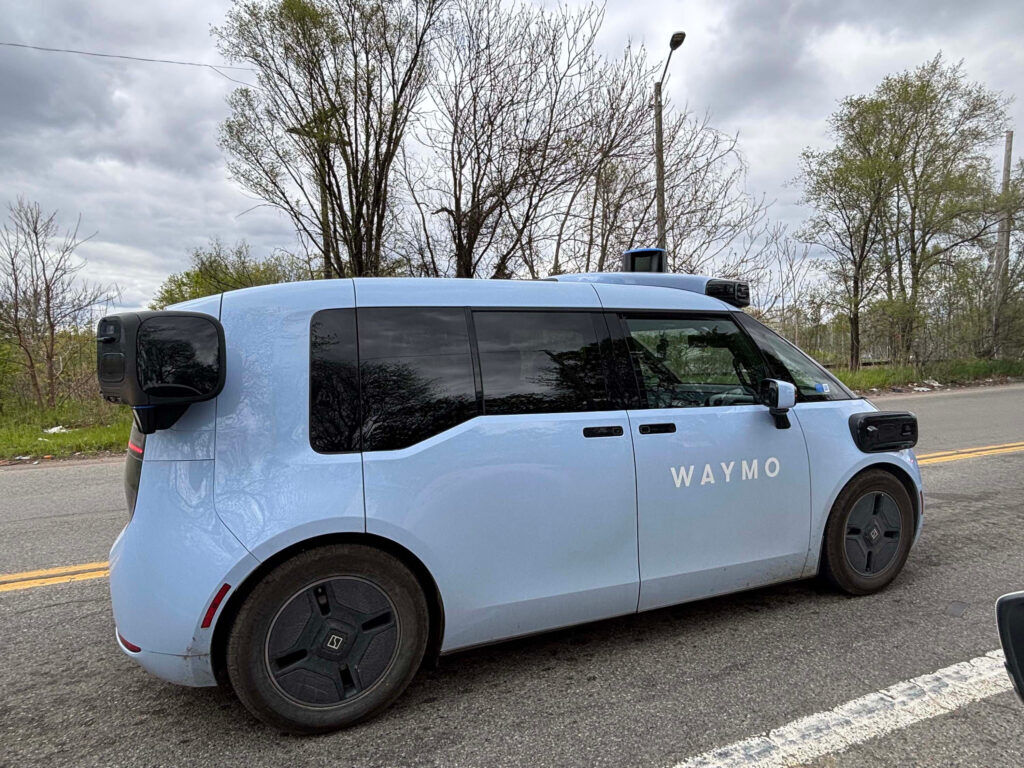
Its winter-driving software was trained in the Sierra Nevada, Michigan and New York regions.
Just like with humans, snow and rain affect the senses of driverless cars. Camera sensors can be blocked, lanes are less recognizable from the accumulation of snow and other drivers are less visible, transit and robotic experts told The Denver Gazette last year. There’s also other weather issues outside of winter that could affect driverless cars such as large hail.
Driverless cars are growing more reliant on lidar and radar sensors to supplement camera sensors affected by weather.
The sensors on Waymo cars are self-cleaning, using heat and engineering, to prevent its senses from being blocked by the weather. Cars also act as mobile weather stations that collect data for the entire fleet to understand road conditions on a street-by-street basis, according to Waymo.
The company uses artificial intelligence to help distinguish the difference between snow, slush and ice.
Proponents of driverless cars believe cars without humans can be a safer option, but many people are still wary of the technology. A recent Gallup poll found that while many more Americans believe driverless technology will grow into the mainstream, the number of people comfortable with owning or leasing a driverless car has remained unchanged in the last seven years.
About 19% percent of people responded that they would own or lease a driverless car, the Gallup poll conducted in 2025 found, the same percentage when asked the same question in 2018.
While Waymo touts its cars are safer than human-driven cars, it has run into a few troubles on the roads.
Waymo had to recall several thousand cars over reports of driverless cars entering closed freeway construction zones and also faced issues with its cars driving into flooded areas, Reuters reported. Other problems included illegally passing school buses with lights on and inaccurate predictions when dealing with the movement of towed vehicles and detection of polelike objects.