







EDITORIAL: Coloradans embrace AI, need data centers
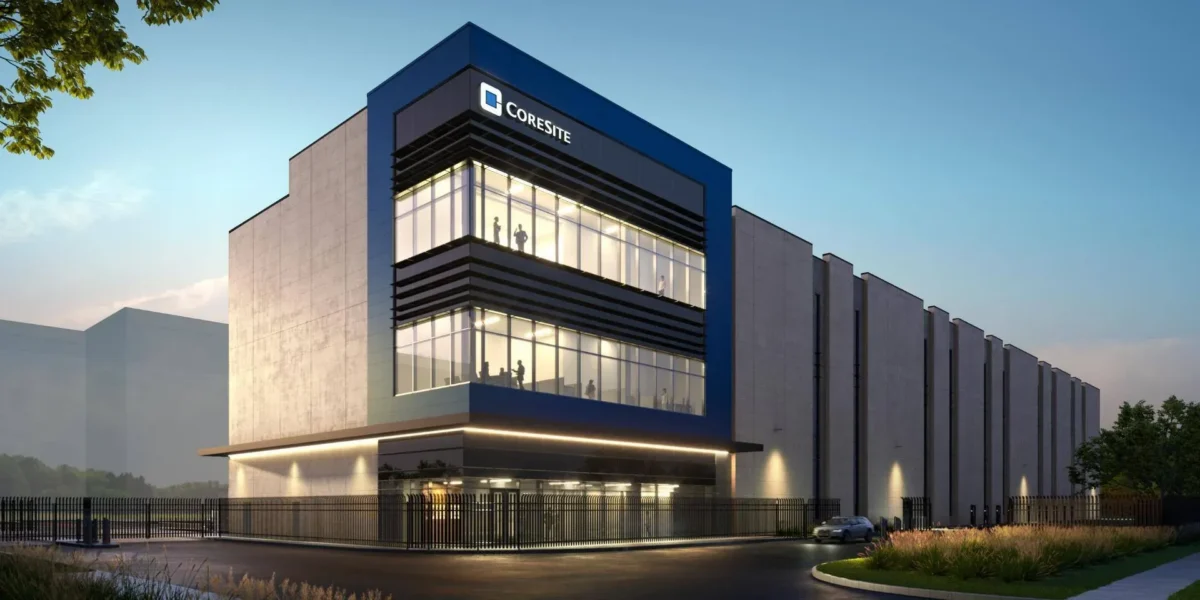
As some Coloradans wrestle with the advent of artificial intelligence and the data centers that support it, it’s worth recounting how such new technology already is embedded in our daily lives.
Vice President J.D. Vance placed AI in perspective in his address to cadets at May’s Air Force Academy commencement in Colorado Springs. The way he put it: “value AI, but hallow humanness.” Pope Leo XIV of the United States made a similar moral declaration in his first encyclical.
It’s sage advice that can add balance as Americans, and especially Coloradans, engage with the rapidly proliferating technology. As The Gazette reported the other day, a Microsoft analysis found one-third of Colorado residents use AI tools — above the national average — and ranked 15th among the states for AI adoption for working-age users in the first quarter of 2026.
The study used Microsoft’s data from users of working age who used AI tools such as ChatGPT, Google Gemini, Claude and Microsoft Copilot during the first quarter of 2026. It then used that data to estimate AI adoption rates across U.S. counties, states and metropolitan areas.
Microsoft found AI adoption is not consistent across the U.S. and is, unsurprisingly, more common in metropolitan areas, college communities and regions with “knowledge-based economies.” (In another manifestation of the U.S.’s urban-rural divide — even more pronounced in Colorado — metropolitan counties had an average AI user share of 33.7%; “micropolitan” counties averaged 22.6%; and rural counties were at 17.1%.)
The top AI-using Colorado county? You guessed it, Boulder, at 43.7%, though non-Boulder-Denver corridor areas like the southern part of the Front Range (Douglas County, 34.6%, El Paso County, 34.2%) and even Gunnison County (34.3%) ranked higher than the national average. Two Colorado counties, Custer (9.3%) and Jackson (9.7%) didn’t reach double digits.
How about trust? The majority (53%) of urban respondents, per Microsoft, said AI was “likely to act in the public’s best interest.” In rural counties that came in at only 38%.
Local community members — emphasis on local — are well within their First Amendment right to voice support or concern for how neighboring developments downstream of AI, like data centers, may affect their communities. But for accuracy and clarity’s sake, it should be acknowledged and appreciated how AI and data centers are already a part of our lives — say, whenever we use our phones — in a manner that helps humans.
All of which illustrates not only how reliant on AI Coloradans have become — but also how dependent on data centers they already are, as well, whether or not they realize it. The centers are the critical infrastructure that sustains the entire Information Age and particularly AI.
Data centers unfortunately have become a political football — and without justification. They have become the target of absurd fearmongering.
The reality is that data centers are opening nationwide because they are essential to AI as well as to incoming quantum computing. It represents the latest and most dynamic stage yet of the Digital Age. Which means data centers not only provide economic development for any community — contributing to the tax base, among other benefits — but they also are central to AI development and use.
As the Microsoft study demonstrates, Coloradans are in the vanguard of AI’s users. It behooves us all to embrace the infrastructure that sustains it.