







How Colorado’s legalized sports gambling changed the athlete experience: ‘We get way more death threats’
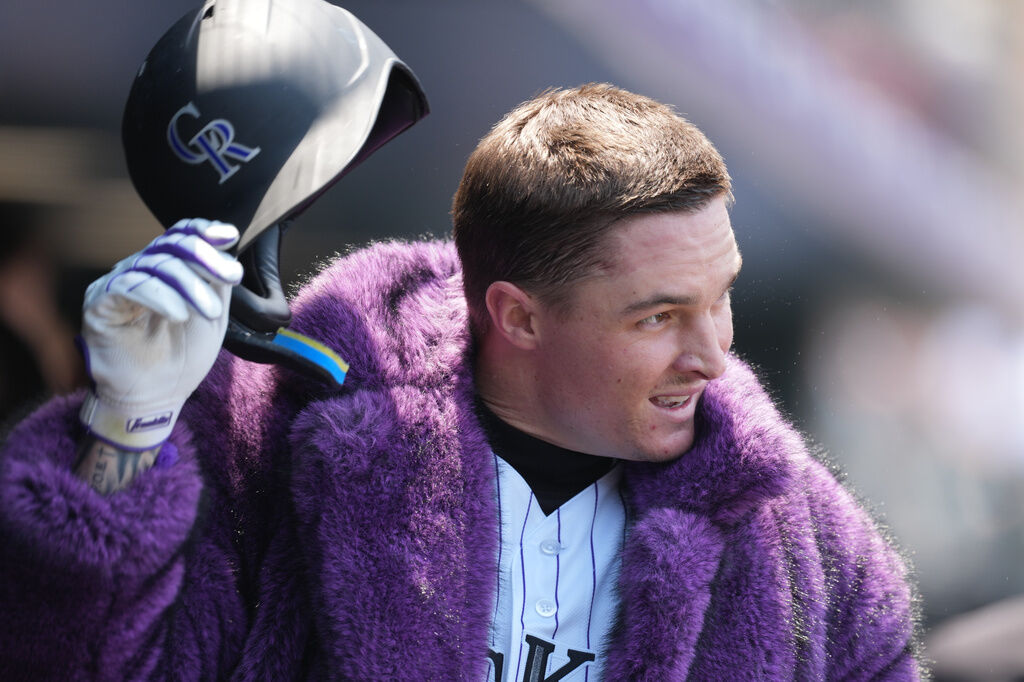
Mickey Moniak removed social media from his phone when he could no longer endure the abuse.
In 2023, the ex-Angels outfielder got sent down to Triple-A. Moniak — a former No. 1 overall MLB draft pick who later signed with the Rockies — finally prioritized his mental health over the direct messages and public comments. But something else made it all worse. The legalization of sports betting and prediction markets has created an uncomfortable reality.
“We get way more death threats,” Moniak told The Denver Gazette. “I probably get 10 a week. But I also don’t have social media. It’s my wife reading them, which is also a problem.”
Legalized sports betting in Colorado launched in May 2020 after voters approved Proposition DD with taxes benefiting the state’s water plan and counseling services for gambling addiction recovery. Residents have since wagered more than $30 billion, according to the state’s division of gaming. Colorado is among 39 states with legalized sports wagering.
There are also United States-based prediction market websites like Kalshi and Polymarket that allow users to bet on the outcome of almost anything — sports, elections, oil prices and natural disasters are among the options — without contributing to state taxes. Prediction markets are fully available in 29 states, including Colorado.
The unintended consequences? Social media abuse and scandals across multiple sports.
The Denver Gazette spoke with Broncos kicker Wil Lutz, Avalanche forward Logan O’Connor, Moniak and others about how the athlete experience has changed since a meteoric rise of legalized sports gambling and prediction markets.
Lutz said: “Social media and gambling together have caused an extreme distraction for athletes.”
O’Connor: “It’s become a massive part of all sports leagues and all advertising. At this point, it’s here to stay, and it’s in your face at all times.”
Moniak: “You’ve got a phone, someone threw a bet on you and it didn’t hit. They want to start telling you to kill yourself.”
‘Public health crisis for young people’
Jared Bahir Browsh often receives the same response when people learn the subject of his upcoming book, sports gambling. He said: “They’re like: Oh, can you give me any tips?”
Browsh shakes his head.
He is the director of critical sports studies at the University of Colorado. Everyday conversation among students in the Boulder hallways often includes sports gambling. He knows professors who place bets. Advertisements for legalized sports gambling and prediction markets are ingrained in almost every game broadcast, arena or stadium.
“People don’t quite realize, unless they’re around athletes, how much it’s impacting their day-to-day (life),” Browsh told The Denver Gazette. “Especially with athletes on social media so much.”
It often starts at the college level. In 2025, the NCAA released the findings of a study that found “36% of Division I men’s basketball student-athletes reported experiencing social media abuse related to gambling within the last year.” The NCAA additionally reported that 6% have “been contacted by outsiders looking for inside information.”
The National Council on Problem Gambling, in a 2026 Harris Poll, found that 33% of respondents age 21 to 44 had placed a sports bet before turning 21, the legal age to gamble in most states.
“We really need to treat this as a public health crisis for young people,” Browsh said.
The NCAA prohibits athletes, coaches and staff from betting on any college sports. Earlier this year, Texas Tech quarterback Brendan Sorsby was permanently stripped of his remaining eligibility when investigators learned he wagered at least $90,000 on college and pro sports, including bets placed on his own team.
Sorsby went public with a gambling addiction and sought treatment.
“It’s more of a problem now nationwide, I think, than ever before,” West Virginia football coach Rich Rodriguez told The Denver Gazette at Big 12 football media days. “Our compliance office does a great job of educating. The players have got to know. The (Sorsby) situation worked out the way it did. I’m sure all of us (coaches) are going to use it as a lesson for our guys. You cannot do that. You cannot bet on sports. You certainly can’t bet on your own team.”
‘Please don’t text me about this’
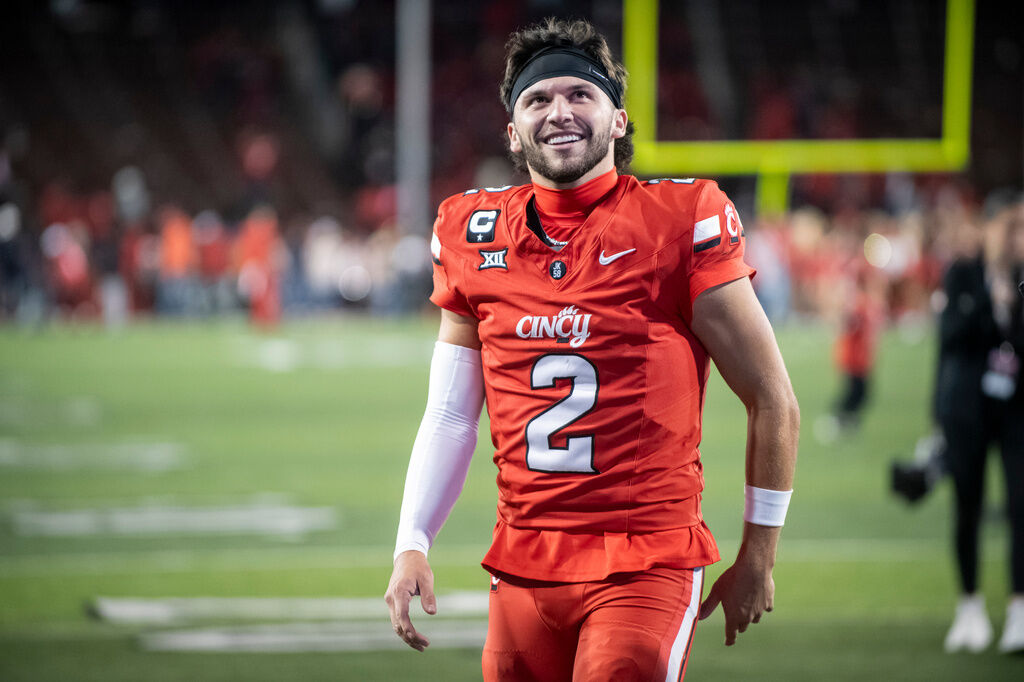
O’Connor ignores certain messages.
A ninth-year NHL forward and Stanley Cup champion with the Avalanche, O’Connor explained how the league educates players about sports betting. It prohibits them and staff from gambling on hockey. There are consequences for breaking the rules.
In 2023, the NHL dealt Ottawa Senators forward Shane Pinto a 41-game suspension for “activities relating to sports wagering.” The league also noted it “found no evidence” that Pinto made wagers on NHL games.
“The main message is that if your buddies are texting you about throwing a bet on something, you’ve just got to ignore it,” O’Connor told The Denver Gazette. “Then next time say: ‘Please don’t text me about this.’ You sort of have to make those guidelines pretty clear, because there’s no gray area to that.”
The NFL is dealing with a similar alleged scandal.
On Friday, it suspended Arizona Cardinals personnel executive Ryan Gold. The league said an investigation determined that Gold provided “confidential, non-public inside information” to a non-specified person about the team’s 2026 draft picks before they were selected. It also found that Gold wagered parlay bets on NFL and college football games. Gold disputes the suspension and will appeal, according to media reports.
The Broncos hosted representatives from the NFL Players Association over minicamp in June for its annual hourlong meeting on rules about sports wagering. Team staff are also educated. Lutz, ahead of his fourth season kicking for the Broncos, told The Denver Gazette the NFLPA “does a great job” but that “guys kind of police it, too.”
“We’re very educated on it, because there is no room for a mistake in the league with gambling. There is no slap on the wrist. It’s pretty brutal punishment,” Lutz said. “You cannot gamble on football. There’s no problem with us gambling on other sports. But at the same time, is that the environment that you want to create for yourself? When you know you can’t gamble on every sport?”
Moniak added: “I’ve got buddies who gamble on sports. But everybody in here knows it will jeopardize your career. At the end of the day, it’s not worth it. We see it happen. Luckily, not too much. But you do see it, obviously.”
There are Colorado connections to several recent sports betting scandals:

• Denver native Chauncey Billups, a former Nuggets guard and ex-Trail Blazers coach, is accused of participating in a conspiracy to fix high-stakes card games tied to organized crime families. He allegedly cheated gamblers out of at least $7 million. Billups has pleaded not guilty.
• Ex-Nuggets shooting guard Malik Beasley is charged with accepting bribes to influence prop bets while playing for the Bucks. Prosecutors allege that he paid off personal gambling debts with money from his winning co-conspirators. Beasley has pleaded not guilty.
• Jontay Porter, a brother of ex-Nuggets forward Michael Porter Jr., received a lifetime NBA ban after he allegedly fixed prop bets while playing for the Toronto Raptors. He pleaded guilty to commit wire fraud. Porter has a sentencing hearing in December.
• Broncos defensive lineman Eyioma Uwazurike was suspended for one season for violating the NFL’s policy on gambling. He bet on NFL games during the 2022 season when he was a rookie. Uwazurike took responsibility and the Broncos reinstated him in 2024.
“Information is king. We kind of assume athletes are in this isolated bubble. But they still have friends and people they work around,” said Browsh, the director of critical sports studies at CU. “We also don’t know if there might be gambling debts involved. Things like that. There are a lot of interpersonal aspects of this that go beyond someone sitting in the locker room and saying: I’m going to act unethically.”
‘Gambling is an addiction’
Moniak could not ignore the worst online threats.
He’s reported several messages to the Rockies’ head of security.
“Major League Baseball does a good job of having resources if it really does get that bad. For the most part, it’s like: ‘Hey, just keep an eye on it.’ If we see anything, we have our head security here, and they work with Major League Baseball,” said Moniak, now playing in his seventh MLB season. “I still post (on social media). But I like to limit myself from scrolling, reading comments and stuff like that.”
The availability of social media apps and gambling apps, on the same device, creates a digital atmosphere with few barriers to lashing out after losing a bet. The National Council on Problem Gambling said that “every month in 2025, more than 31,000 people reached out to the National Problem Gambling Helpline.”
“With the way we gamble, you just slide over to social media. I just lost this bet on my app, now I’m going to swipe over and say something really threatening to a player,” Browsh said. “I think the media ecosystem around this is a serious problem as well. That it went from ‘don’t talk about it’, to being so normalized that they’re talking about spreads and picks during every pregame show.”
The athlete-gambling relationship is further complicated by business relationships.
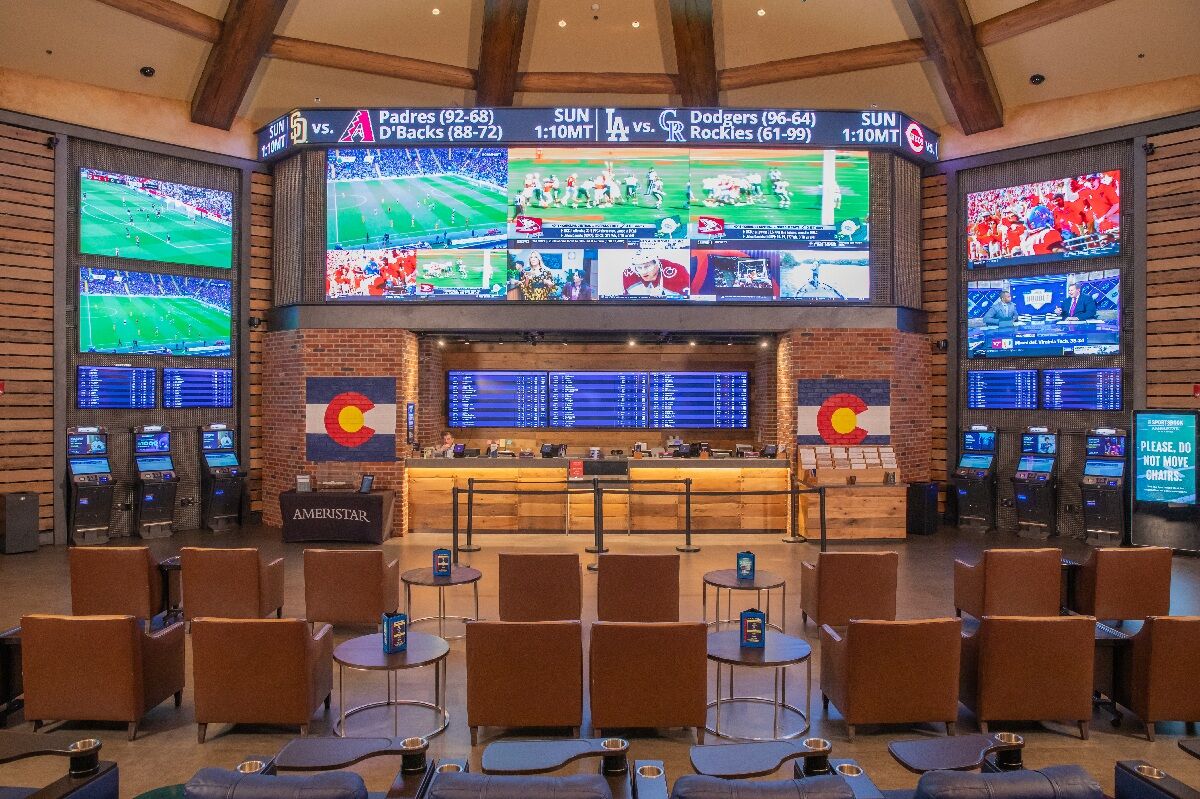
The Broncos have a sports-betting partnership with BetMGM. The Avalanche, Nuggets and Rockies have partnered with Denver-based bet365. Its logo is present on the outfield wall at Coors Field, under the ice for Avalanche games and on the court baseline for Nuggets games. There is advertising inside Ball Arena for additional sportsbooks and prediction markets.
“At the end of the day, gambling also creates revenue for the NFL and the fans help pay our salary. So, they have every right to gamble all they want on what we do, because it’s legal,” Lutz told The Denver Gazette. “My biggest advice to younger athletes is to block it out, (the) sooner the better. Obviously, you hope it never becomes a safety issue. … We do walk out into the public after games and before games. You never want to worry about that. But I just do my best not to think about it.”
Colorado tightened regulations on sports betting in June when Gov. Jared Polis signed Senate Bill 131. It bans credit cards to fund betting accounts, limits customers to six deposits within a 24-hour period and prevents sportsbooks from sending push notifications or text messages to solicit bets from account holders.
Yet an earlier provision of the bill that included a ban on prop bets was eventually removed. Browsh said that individual wagers on specific in-game events — like basketball assists, MLB hits or NHL shots on goal — are often what lead sports bettors to lash out on social media.
“I’ll go five-for-five on extra points, and someone is going: I needed six!” Lutz said. “Gambling is an addiction. That’s just the truth.”
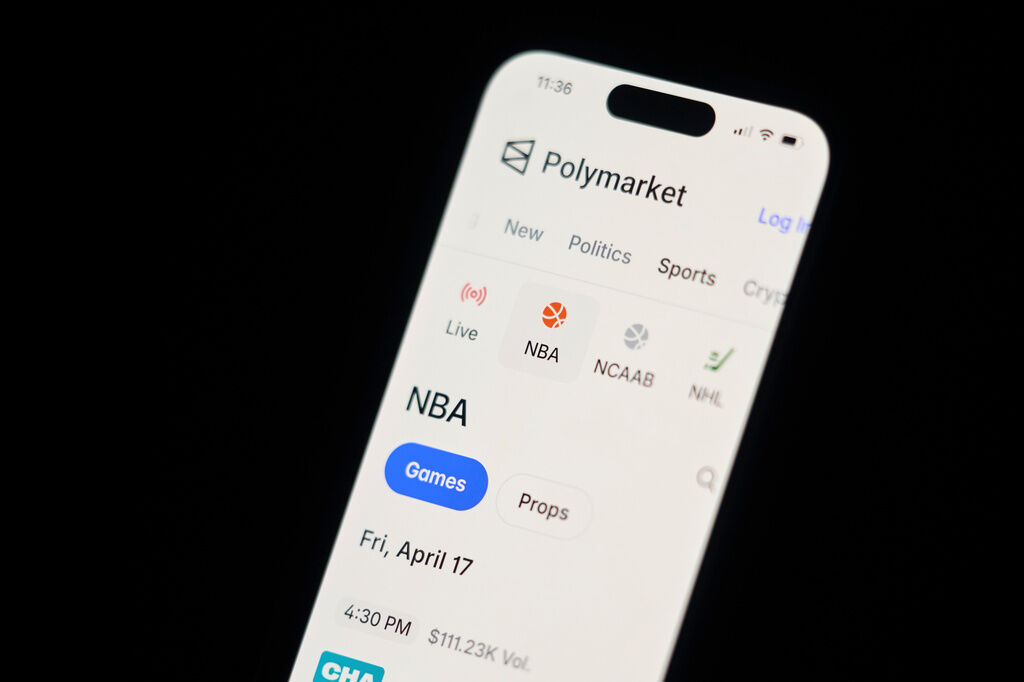
The explosion of sports gambling has athletes everywhere paying the price.
“My favorite ones are seeing someone send you just a terrible message. Then you go click on their profile and they’ve got two kids and a family,” Moniak told The Denver Gazette. “It’s an interesting thing. But it is what it is. It’s obviously here to stay and it’s not going anywhere. Luckily, nothing has come out of any of these terrible messages. So, I guess that’s the positive.
“I tell my wife: Just don’t even look. It doesn’t matter.”
The Denver Gazette’s Tyler King contributed to this report.