




Fish native to Colorado finally removed from ‘endangered’ list after 35 years
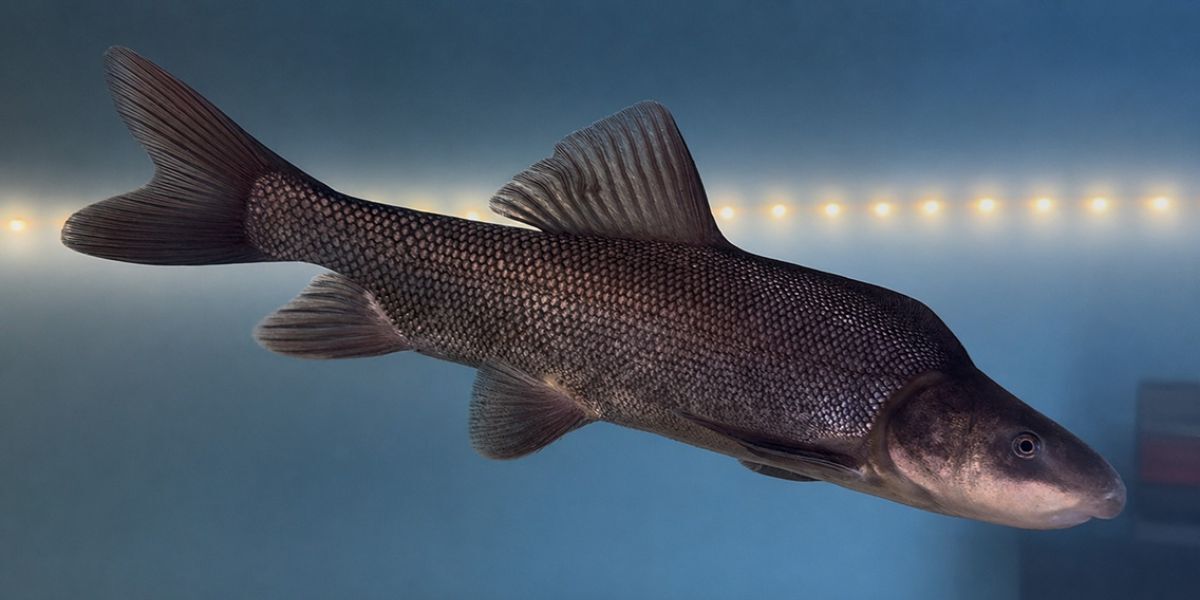
Following decades of work across multiple states, including Colorado, the U.S. Fish and Wildlife Service has decided to remove the razerback sucker fish from the endangered species list, now considering it to be merely ‘threatened.’
“Colorado Parks and Wildlife fully supports this decision, which validates more than three decades of collaborative recovery work across multiple states and river basins,” said CPW Native Aquatic Species Manager Jenn Logan. “While the razorback sucker still faces challenges, especially during drought years like this one, the species status has improved. This milestone is proof that dedicated partnerships, habitat management, and education can reverse the trajectory of our native species.”
One of North America’s largest sucker species, the razorback sucker is found only in warm-water sections of America’s Colorado River basin, with its population was once reduced to small numbers found only in Colorado’s Yampa, Colorado, and Gunnison rivers. This prompted an urgent effort to save the species.
Per Colorado Parks and Wildlife, only two known reproducing populations exist – one in Utah’s middle Green River and another in an off-channel pond in the Colorado River near Grand Junction.
The razorback sucker is known for the bony ridge behind its head and was added to the endangered species list in 1991, with habitat fragmentation caused by dams and heavy predation on its larvae by non-native sport fish species being key factors in its decline.
While the species is no longer considered endangered, it’s not out of the woods yet. Per Colorado Parks and Wildlife’s Tory Eyre, the status of the species has improved, but the species will still require active management with the state’s involvement in recovery program initiatives set to continue.
One interesting way that Coloradans have aided in the recovery of the species is through the Classroom Aquarium Program in which students kindergarten through eighth-grade in the state’s Grand Valley are able to raise members of the species in their classroom for release. Additionally, there’s a student-led hatchery program at Palisade High School in Mesa County that’s been involved in the release of more than 1,500 members of the species into the Colorado River.
Typically found in muddy backwaters along the Colorado River, the razorback sucker feeds mostly on plant and animal matter. This helps the river maintain its water quality.
STAY INFORMED: Get free Colorado news with our daily newsletter (Click here)
Get OutThere
Signup today for free and be the first to get notified on new updates.
PREV
PREVIOUS

Drought severity increases again in Colorado per weekly update
Another week has passed, and once again, drought severity in Colorado has inched upward. According to the US Drought Monitor, 12.17 percent of the state is experiencing stage four drought – the same as last week. That said, the portion of the state experiencing stage three drought (of the four tiers) has risen from 33.53 […]

Home invasion suspects in Colorado turned out to be hungry bears
A home invasion situation turned out to be not quite what it seemed in Roxborough, Colorado in recent days. On July 23, the Douglas County Sheriff’s Office published a report about how deputies recently responded to a break-in at a Roxborough home. Upon arrival, it was soon discovered that “non-traditional suspects” were the culprits – […]