







$1.2B Zyn nicotine pouch manufacturing campus in Aurora opens
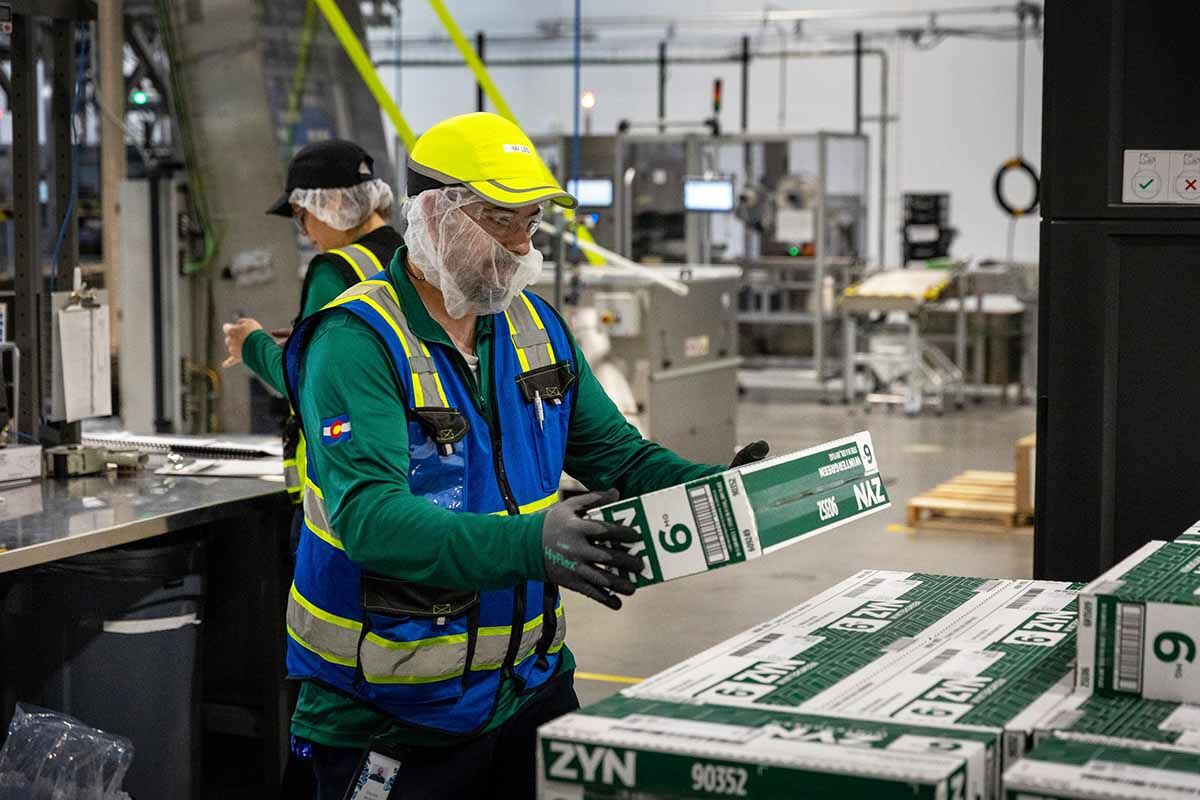
One of many giant logistics campuses popping out of the prairie near Denver International Airport opened for business Monday, just 19 months from when the project broke ground on a barren 148-acre site.
Some 500 jobs are arriving in Aurora, along with Philip Morris International’s new Zyn manufacturing plant.
The $1.2 billion campus for producing smokeless nicotine pouches places Aurora within a national network of tobacco industry towns that have traditionally been based in southern states like Kentucky, North Carolina and Virginia.
In a statement, PMI said it also sets up Aurora — where the 780,000-square-foot facility is based — as an export hub for a new generation of “MRTP” brands, which stands for modified risk tobacco products.
For roughly 250 officials and invited guests who watched as Gov. Jared Polis and Aurora Mayor Mike Coffman cut the ceremonial ribbon, the pitch from Philip Morris is about the role the plant would play in helping convert tobacco smokers to less dangerous, noncombustible nicotine pouches.

“Since 2008, as a newly independent New York Stock Exchange-listed company, Philip Morris International made a deliberate choice to reinvent our business around science, innovation and harm reduction,” Stacey Kennedy, CEO of PMI U.S., told guests.
“Much work has been done in recent decades to bring down smoking rates, and we applaud that, which are at all-time lows,” Kennedy said. “Nevertheless, more than 25 million adults in this country still smoke and they deserve better choices and better products.”
The brand Zyn is owned by Swedish Match, which was acquired by PMI in 2022.
As guests enjoyed coffee and croissants, corporate representatives gave presentations underscoring the company’s commitment to convert smokers into less at-risk users of pouch products — which go between the cheek and gum. One representative told the crowd specifically how PMI would be working to prevent the product from being consumed by those under 21 years old.
Despite offering lower-risk products, Philip Morris remains the world’s second-largest cigarette manufacturer. It has roughly 25% world market share, behind China Tobacco’s 40% share.
Polis told the crowd that PMI’s 19-month turnaround in opening the campus was something that could only have happened in Colorado.
“By choosing Colorado, they commit to our positive business environment, our low taxes, our high-quality talent in a state with one of the fastest growing advanced manufacturing industries in the entire nation,” the governor said.
“Aurora’s new gateway to markets around the world proves that Colorado is ready to compete in the global economy with partners in advanced manufacturing and across the skills spectrum,” he added.
Coffman told The Denver Gazette that Aurora’s policy approach to manufacturing expansion was key to winning the facility.
‘A real light touch‘
“Part of it is we have a real light touch in terms of government regulations, so we can get projects through, as opposed to other communities, where I think businesses are struggling,” Coffman said.
Coffman added that he isn’t optimistic about the state’s broader attraction for employment growth — at a time when some studies suggest worker migration has turned negative in Colorado.
“I’m concerned because of the legislature and what they’ve done and the ranking of our state and the slowdown in terms of immigration,” he said. “I’m very concerned about the direction of the state overall, and that we cannot continue this downward slide.”
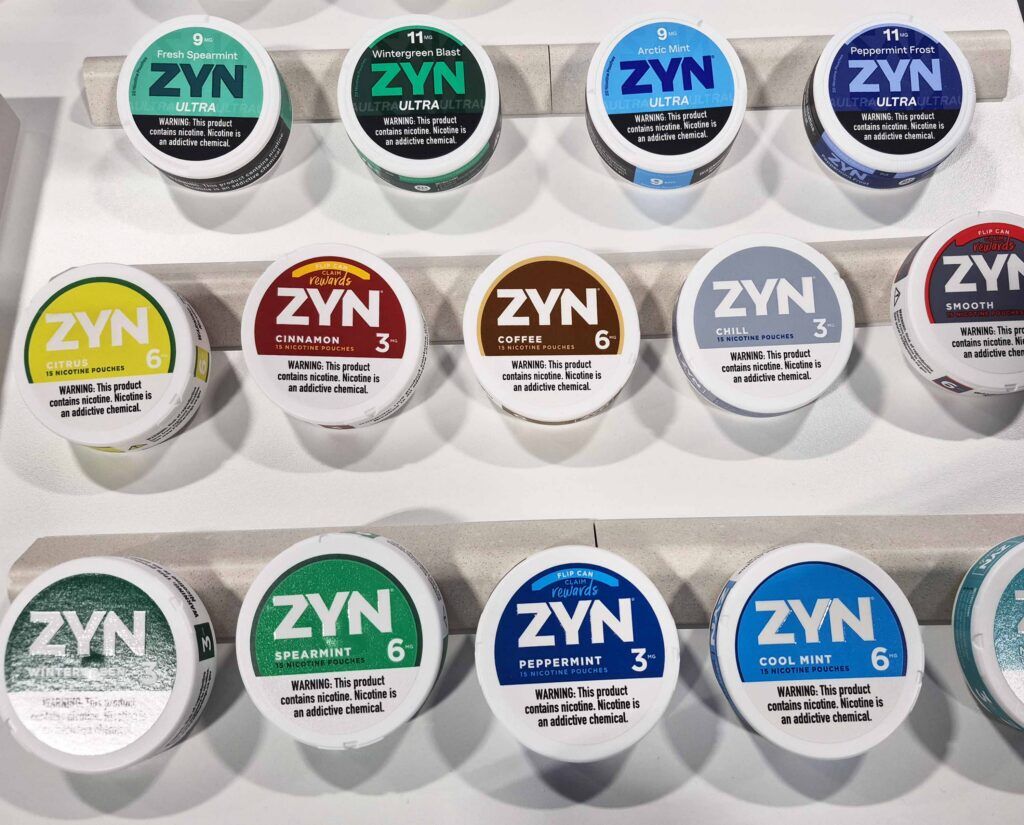
In its statements regarding the new industry, PMI and its representatives underscored that the U.S. Food and Drug Administration last month granted certifications for 20 Zyn products as MRTP products.
“The FDA concluded that scientific evidence supports communicating that using Zyn instead of cigarettes puts you at a lower risk of smoking-related diseases like heart disease and lung cancer,” PMI’s Kennedy told the group. “The FDA’s decision is an important milestone and a reminder that meaningful progress requires collaboration.”
Asked about the claim, a spokesman for the Washington D.C.-based American Cancer Society pointed The Denver Gazette to a statement the group had issued last month, timed for the FDA’s announcement.
“The FDA’s job is to protect public health, not expand the profit margins of Big Tobacco,” the ACS statement said.
“Authorizing new modified risk claims for 20 Zyn nicotine products — including flavored products — directly compromises that mission and weakens the agency’s authority to safeguard the public, particularly youth,” the group said. “Many adults who use tobacco products started when they were young and we know the tobacco industry continues to target a new generation with these highly addictive, flavored products.”
At least one representative from an Aurora VFW Hall said PMI donated to a Flag Day celebration, and he’d heard other veterans’ groups were also beneficiaries of PMI donations in recent months.