







Study skewed in slamming slaughterhouse ban
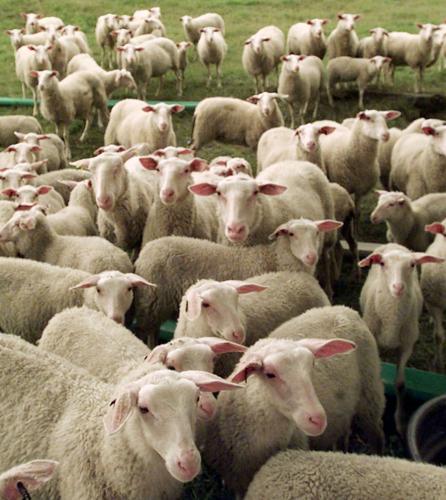
A recent analysis by researchers at CSU’s College of Agricultural Science offers voters a distorted take on the economic impact of a proposed ballot measure to ban slaughterhouses in Denver. If passed, it would close one slaughterhouse in city limits, run by national corporation Superior Farms. The study, which acknowledges deep ties to the slaughterhouse industry, uses uncited assumptions to present voters with an alarmist scenario rather than a realistic analysis.
Lacking broader economic context, these projections appear startling. But with figures based on private communications with Superior Farms and protected datasets, they can’t be verified. Without proper explanations, Dr. Kyle Montanio, an economist at CU Denver, describes the most pessimistic scenario as “so far beyond reasonable that it is concerning it is even listed, much less reported on.” Regardless, these far-fetched losses equate to just 0.163% of Colorado’s $529 billion GDP; less than half the economic activity generated by candy sales, and less than the state’s pet grooming or paid parking industries. While these impacts are still significant, it’s crucial to view them within the context of our robust state economy.
Further, impartial research should quantify both costs and benefits for an informed public debate. The report ignores the elimination of hazards like local pollution, for which slaughterhouses are notorious. Denver’s facility, in violation of the federal Clean Water Act for over three years, is no exception. Biostatician, Dr. Sean Rice notes this glaring omission, saying “It would be like doing an economic analysis of all the losses from reducing coal production without attempting to put numbers on the benefits of reduced climate change.”
Hidden behind unclear models, the report leaves readers to trust the authors’ word. With 160 employees at Denver’s slaughterhouse, a projected loss of nearly 3,000 jobs is difficult to understand. While others could be affected, Dr. Montanio notes that “There is no reason to expect the closure will eliminate all jobs indirectly related to the facility. Though impacted, most will weather the storm as we have seen during similar scenarios.” Though the study acknowledges the closing of a comparable plant in Greeley in 2020, it fails to use this real-life case study.
“From the much larger closure, we do not see the majority of sheep ranchers losing their livelihoods,” says Dr. Montanio. While the loss of any job is not negligible, the ordinance specifically directs the city to prioritize impacted workers in training and employment programs. With the US labor market near full employment, this shortage of workers means those displaced are almost certain to be quickly re-employed in new industries.
While claiming impartiality, the study acknowledges that “Our working relationships with livestock producers, farmers, ranchers, and meat processors are significant, longstanding and valued.” One of the authors was formerly named “Meat Processing Magazine’s Rising Star,” while another’s staff page described her as a “Meat Specialist.” CSU caught fire in a report earlier this year for generating skewed research favorably portraying animal agriculture, while receiving considerable funding from the industry.
Far from an unbiased analysis, CSU’s report does a disservice to voters seeking clarity on the slaughterhouse measure. As climate impacts and diseases linked to animal farming become more persistent, people and businesses will be footing the bill. What is the cost of removing an industry using over 1,000 gallons of water per pound of lamb? Or reducing significant methane emissions from decomposing animal waste? How much do taxpayers spend cleaning toxic slaughterhouse discharge from local waterways? When weighing costs, these seem like crucial questions to ignore. When markets fail to protect people, animals, and the environment, we can come together as voters.
Olivia Hammond resides in Denver and campaigns for Pro-Animal Future, a local group that seeks to turn public support for animals into law.
Olivia Hammond resides in Denver and campaigns for Pro-Animal Future, a local group that seeks to turn public support for animals into law.