







Judge denies injunction in lawsuit over religious gathering limits
Gazette file
Update:
A federal judge has denied Andrew Wommack Ministries’ request for an injunction to override the 175-person limit on religious gatherings.
Doing so “would present a high risk of harm to the state of Colorado as well as the public in general,” the judge wrote in her decision.
The Liberty Counsel, which filed the lawsuit on Monday in U.S. Denver District Court, filed an appeal notice with the court.
—
The issue of why protesters have been allowed to demonstrate without following coronavirus restrictions, such as maintaining social distancing, yet large gatherings continue to be prohibited for religious organizations is at the crux of a lawsuit filed Monday in U.S. Denver District Court.
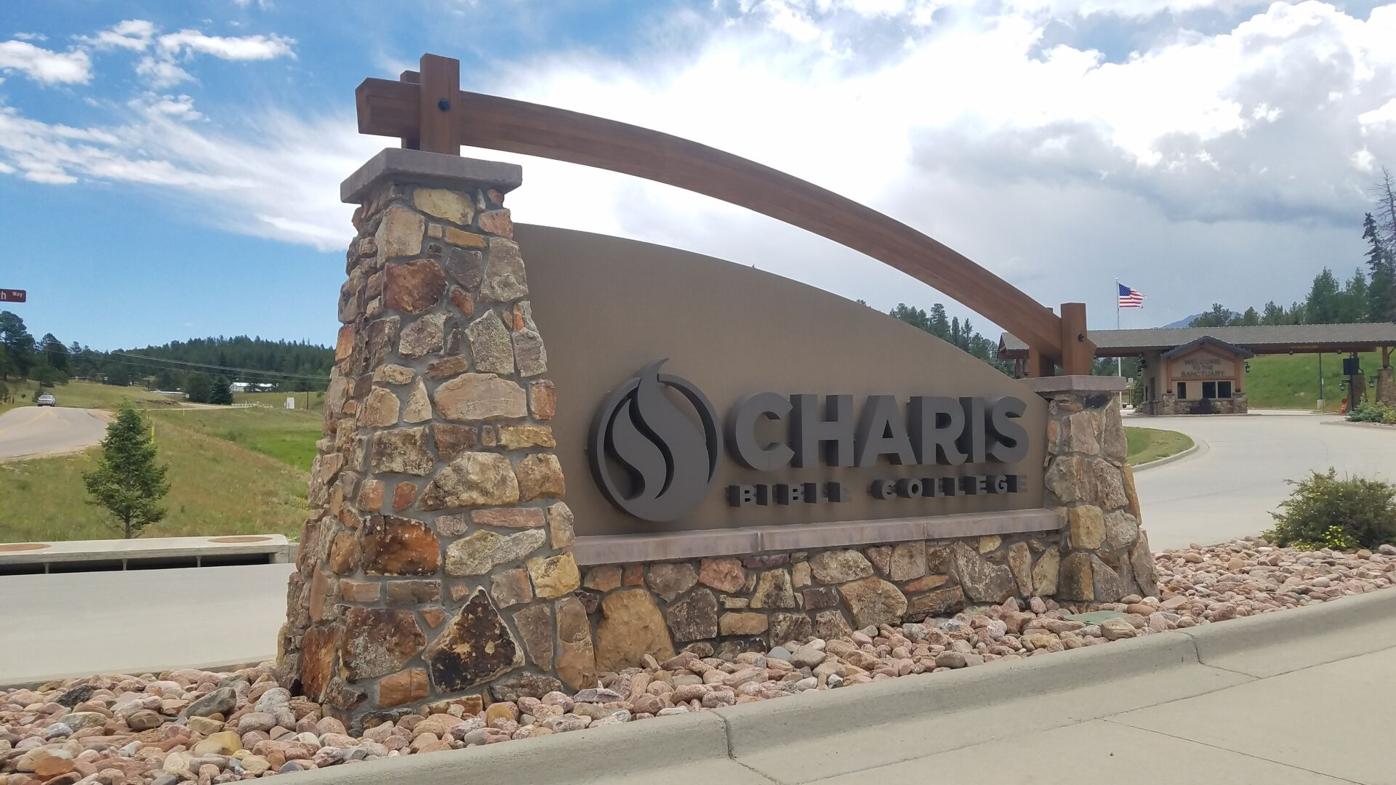
Andrew Wommack Ministries, an evangelical Christian organization that operates Charis Bible College in Woodland Park, is suing Gov. Jared Polis along with state and local health departments over “arbitrarily imposed numerical limitations” including a 175-person cap on gatherings under COVID-19 restrictions.
Liberty Counsel, a conservative nonprofit legal organization based in Orlando, Fla., sued on Wommack’s behalf, calling for a temporary restraining order and preliminary injunction against the state’s control over public gatherings.
“We are waiting on the judge to either set a briefing schedule or make a ruling, which should be soon,” Mathew Staver, founder and chairman of Liberty Counsel, said Tuesday in an email.
The governor’s executive orders on religious activities impacts Wommack’s annual Pastor’s Conference, which is scheduled to begin Monday night at its Woodland Park campus.
The event draws pastors and ministers from outside the area and the 652 students attending Charis Bible College this semester are required to attend, according to the lawsuit.
The governor’s orders “interfere with and place a cloud of potential criminal and civil legal action” over the event” and its participants, the complaint states.
The complaint claims that Polis “excused from such restrictions untold thousands of protesters who have gathered all throughout Colorado cities, with no social distancing, and with no threat of criminal or legal sanction.”
Furthermore, “the governor explicitly commended such large gatherings of protesters as exemplars of First Amendment activity while expressly relegating the religious exercise of houses of worship to disfavored status in his orders.”
A spokeswoman for the Colorado Joint Information Center, a conglomerate of several agencies that oversee the state’s response to the pandemic, said the center cannot comment on pending litigation.
Suits against the state health orders have been turned back by Colorado judges.
A Summer Family Bible Conference ministry founder Andrew Wommack held June 29-July 3 at Charis Bible College elicited a cease-and-desist order from the Colorado Attorney General’s Office on July 2, the day before the conference was to have ended.
Wommack continued the conference, concluding it on the intended day, saying that he had approval from Teller County Public Health and local law enforcement to hold the event.
Wommack said the organization was observing mandated practices including that participants would practice social distancing, wear face coverings and frequently wash their hands, as well as complete sanitization.
The state did not impose fines after sending the cease-and-desist letter, Staver said, “but the orders threaten ‘jail time and fines.’”
Wommack called the move “a violation of our constitutional right to peaceably assemble.”
Three weeks after Wommack’s family conference, Teller County Public Health attributed a sharp increase in COVID-19 cases to the event, citing 15 Wommack employees and 19 attendees presumably infected with the coronavirus, according to the Teller County commissioners.
Court rulings on pandemic restrictions have been mixed.
Liberty Counsel received two 3-0 decisions from the Sixth Circuit Court of Appeals on behalf of Maryville Baptist Church in Kentucky, regarding a ban on in-person worship, Staver said.
In June, a federal judge in Albany, N.Y., struck down executive orders that limited attendance at houses of worship, calling them “unconstitutional.”
But U.S. Supreme Court justices on a 5-4 vote in May rejected a challenge by the South Bay United Pentecostal Church in Chula Vista, Calif., to stop the state’s order that shut down religious services.
Contact the writer: 719-476-1656.