8 fascinating items at Denver Museum of Nature and Science: ‘Cabinet of curiosities’
It all began in 1868, when Edwin Carter moved to a cabin near Breckenridge to study the birds and mammals of Colorado’s mountains.
Along with batches of butterflies, moths and gold from other sources, Carter’s collected specimens would be the first subjects of displays at what is now the Denver Museum of Nature and Science. It was the Colorado Museum of Natural History when it opened in 1908.
The president of the board, John Campion, offered a prophetic remark: “A museum of natural history is never finished.”
So it goes.
Today, the museum estimates a collection of 4.3 million items — animal remains, ancient rocks, Indian artifacts and much, much more.
“And that continues to grow,” said Melissa Bechhoefer, director of integrative collections. “Not only from donations, but also through scientific research trips.”
How often is stuff coming in? “Weekly, if not daily,” she said.
The vast majority is kept behind closed doors in the archives, protected for future research. But a colorful array is propped up across 716,000 square feet of halls and chambers, offering a way “to see the world in one place,” Bechhoefer likes to say.
The museum, she likes to say, is “a cabinet of curiosities.”
Here’s a look at some of the most curious:
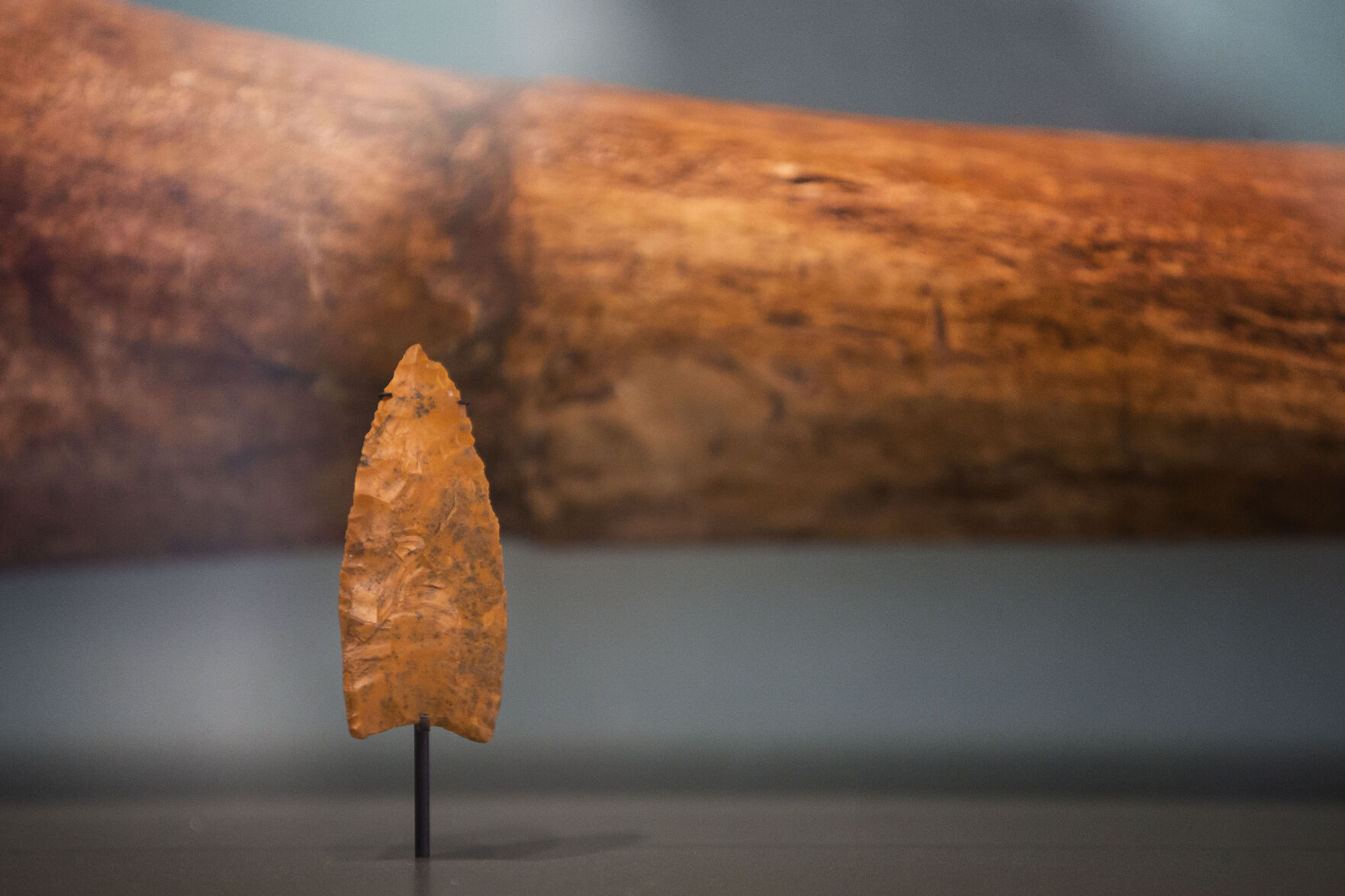
Folsom point
Considered revolutionary in shaping our modern knowledge, this projectile is credited with putting the museum on the world map in 1927.
That’s when a crew working near Folsom, N.M., uncovered the tool between the ribs of an Ice Age-era bison. The discovery led scientists to understand human beings were in North America thousands of years earlier than previously believed.
The Folsom point remains “a holy grail” of history, Bechhoefer said. “Being a student of archaeology, you read about the Folsom point. As a collections person to then all of a sudden come to an institution and realize it is here in the collections and on exhibit, that was pretty incredible.”
On display at the Prehistoric Journey exhibit.
Peace medals
With 90 counted, the museum claims one of the world’s broadest collections of these tokens. They were tokens of trust and goodwill between Native people and governments in America, Canada, Spain, France and beyond. The medals were traded between the 16th and 19th centuries.
Their histories are complicated, mementos from a time of bloody displacement. Museum interpretation asks: “Were peace medals the price of loyalty?” Research and tribal consultation continues, Bechhoefer said.
One in North American Indian Cultures Hall.
Many Hands shirt
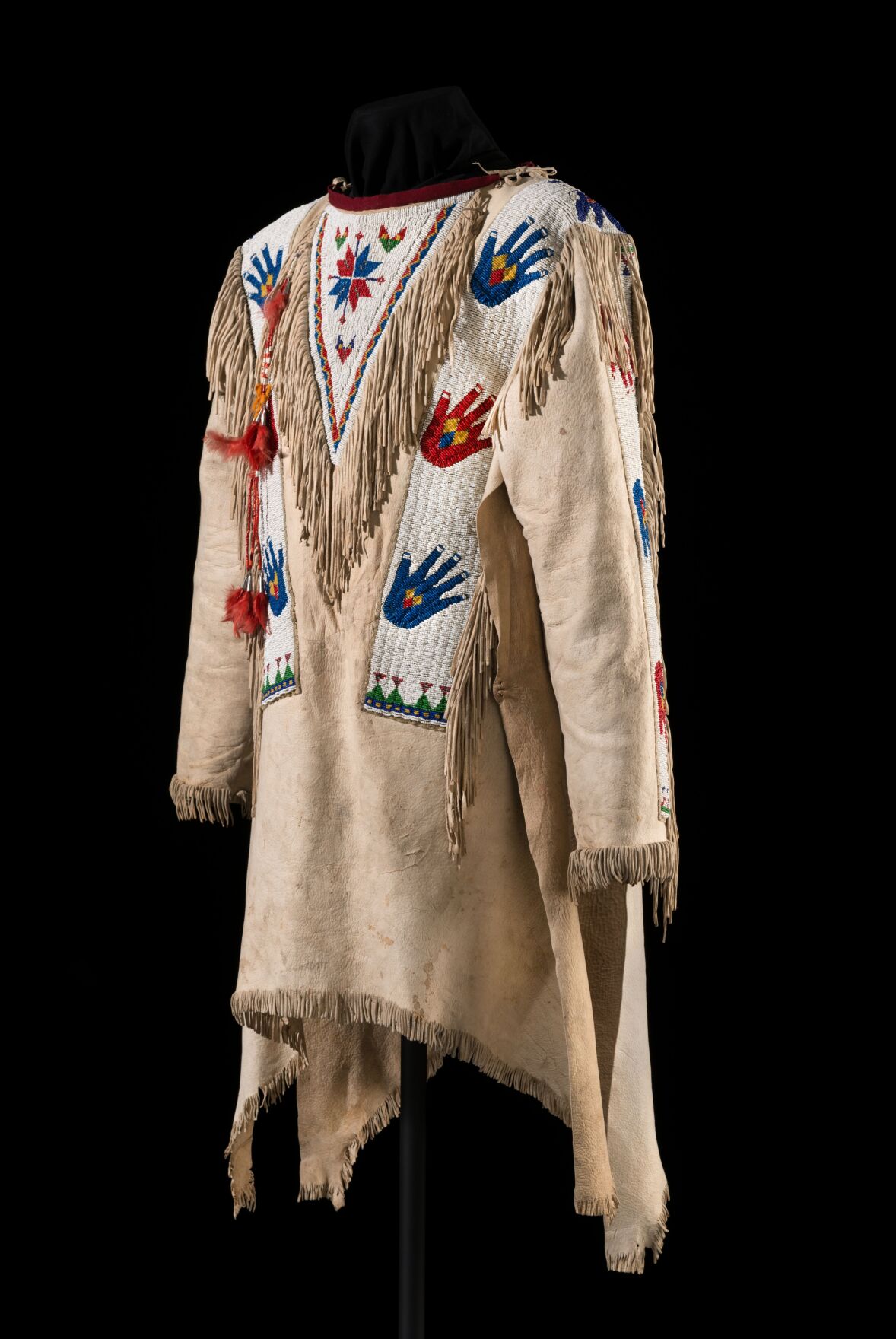
In 2013, the museum’s chair of anthropology got a call from a woman who introduced herself as Stella Iron Cloud, a member of the Oglala Lakota tribe of South Dakota. She wanted to see a shirt kept at the museum.
It was a shirt of red and blue beads forming little hands. It was crafted by the wife of Chief Black Horn, who traveled far and wide with Buffalo Bill’s Wild West and other shows in the early 1900s. He met people in high places and told his wife about all of those handshakes. The shirt was a remembrance of that, the little hands modeled after the couple’s little grandson.
At the museum, Stella Iron Cloud said that boy was her father.
“It’s a beautiful piece, more or less a piece of art,” Bechhoefer said, “but that story and the rich history behind it, and the ability to make that modern connection, that’s what makes it so incredibly significant.”
Kept in archives.
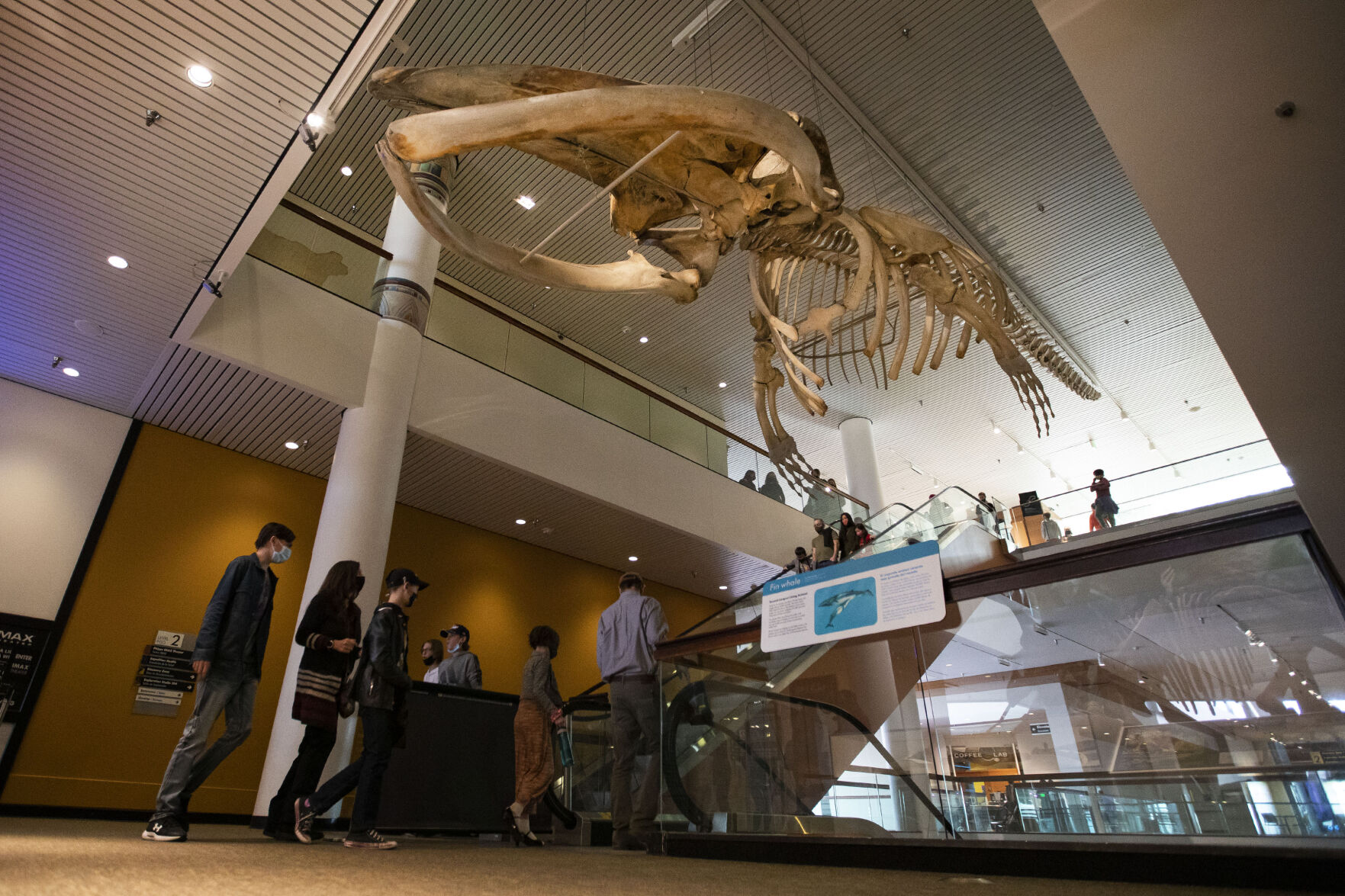
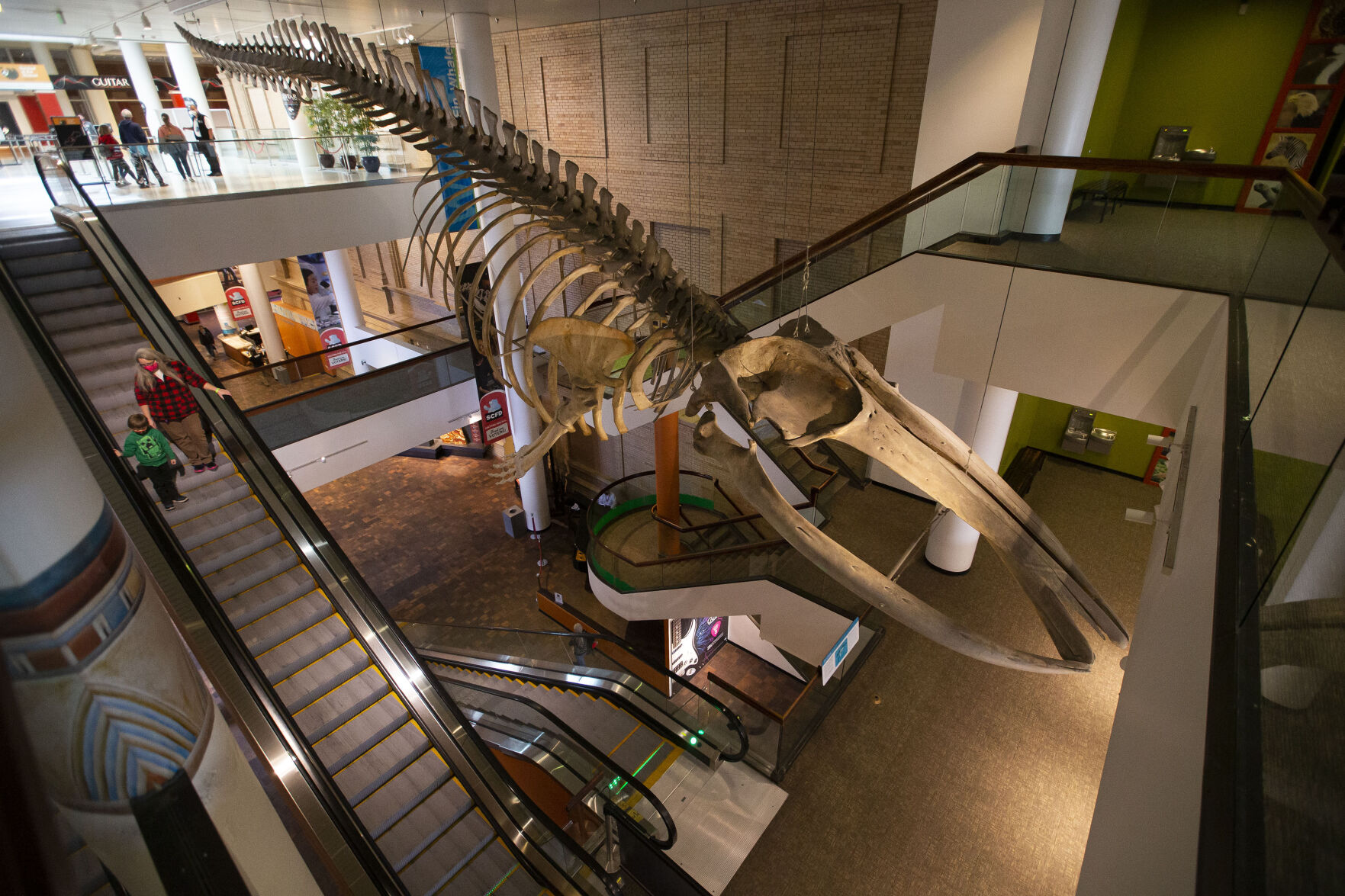
Fin whale
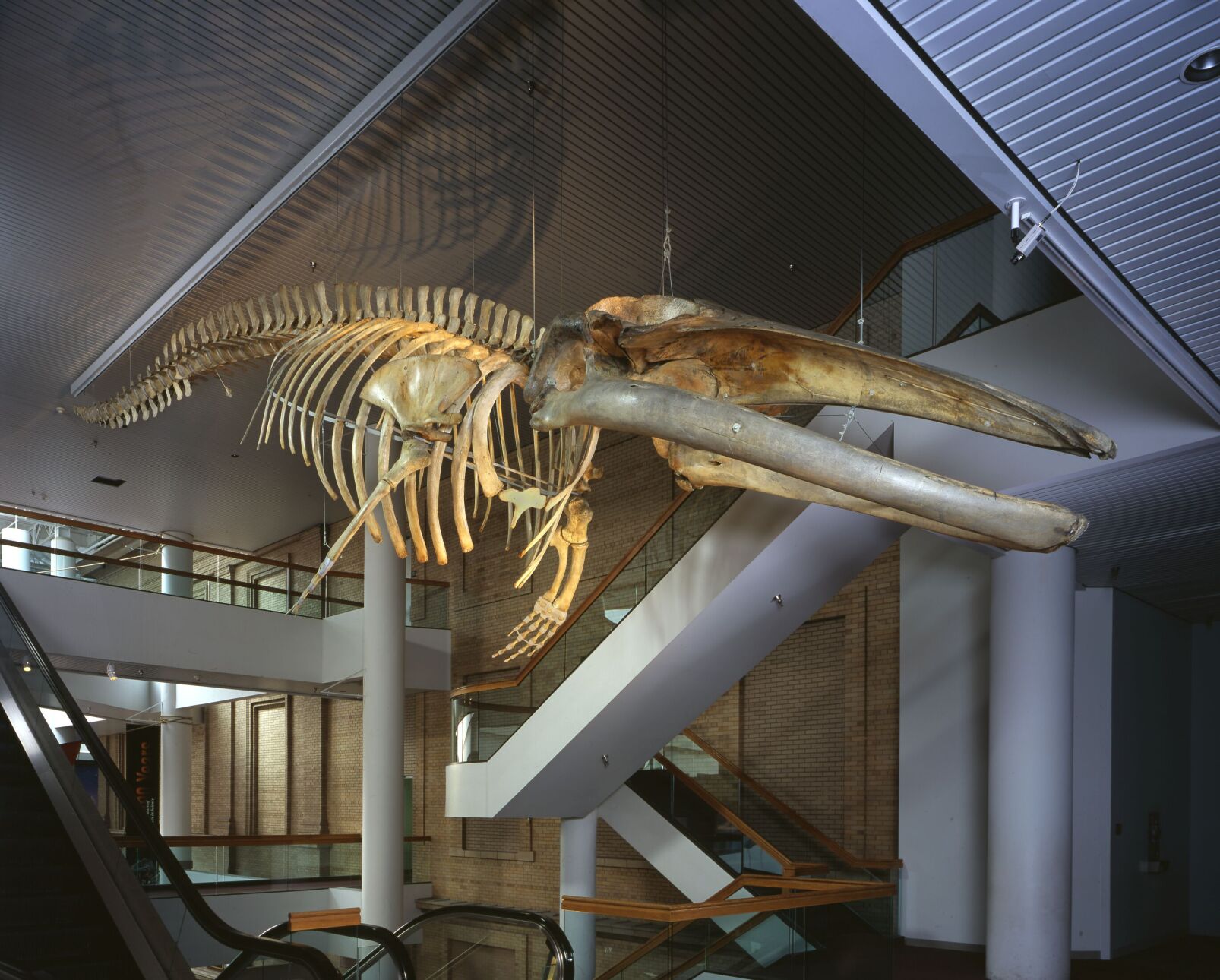
That a giant whale has land-locked Colorado ties at all is a surprise. But indeed, the 56-foot-long, 2,825-pound skeleton has Colorado Springs ties.
Before hanging in the main atrium of the Denver museum, the whale was on display at Colorado College’s Palmer Hall. It was on campus for more than 70 years, following gold mogul Winfield Scott Stratton’s purchase in California in 1900. The skeleton reportedly occupied six train cars.
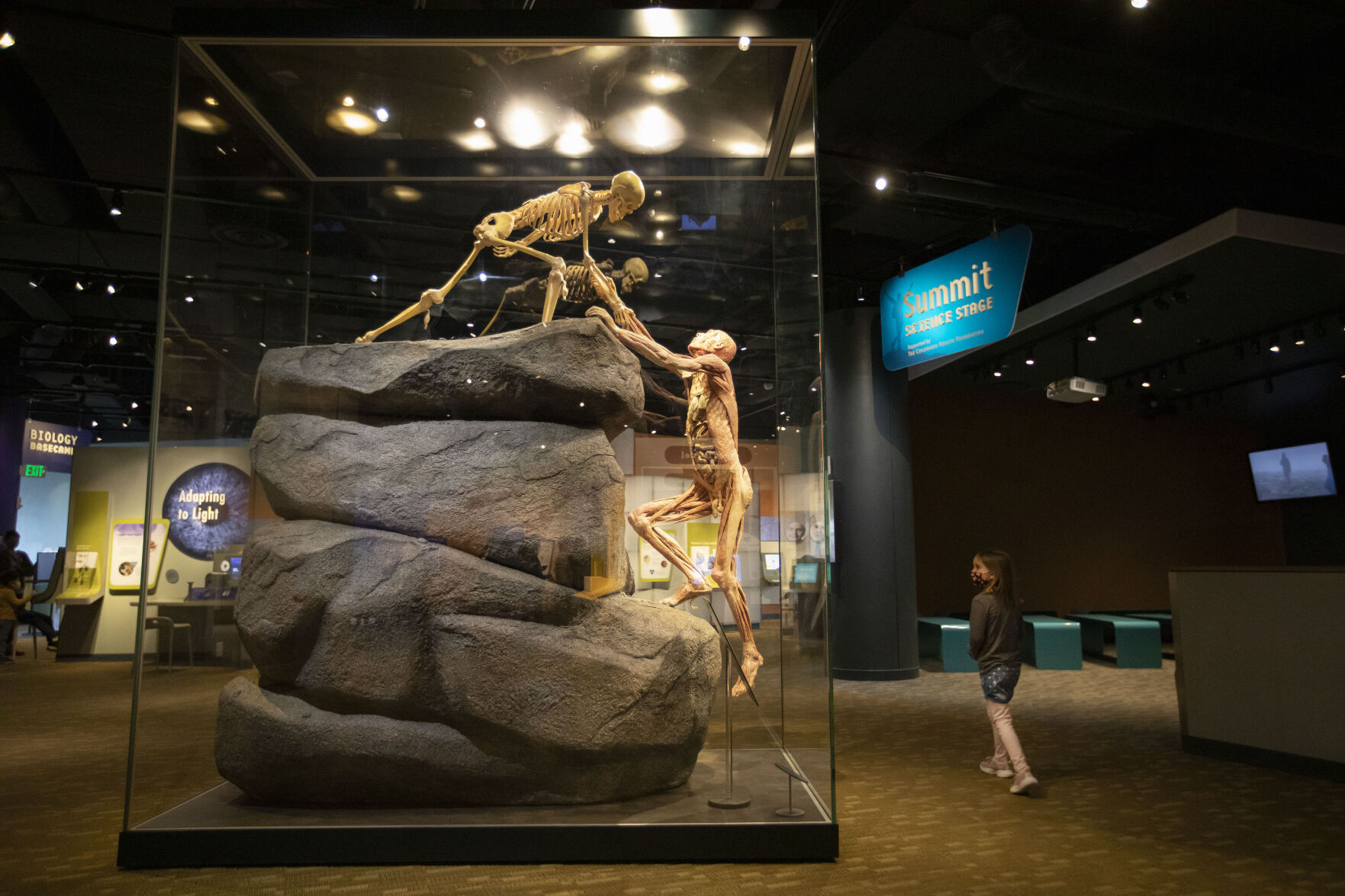
The Hikers
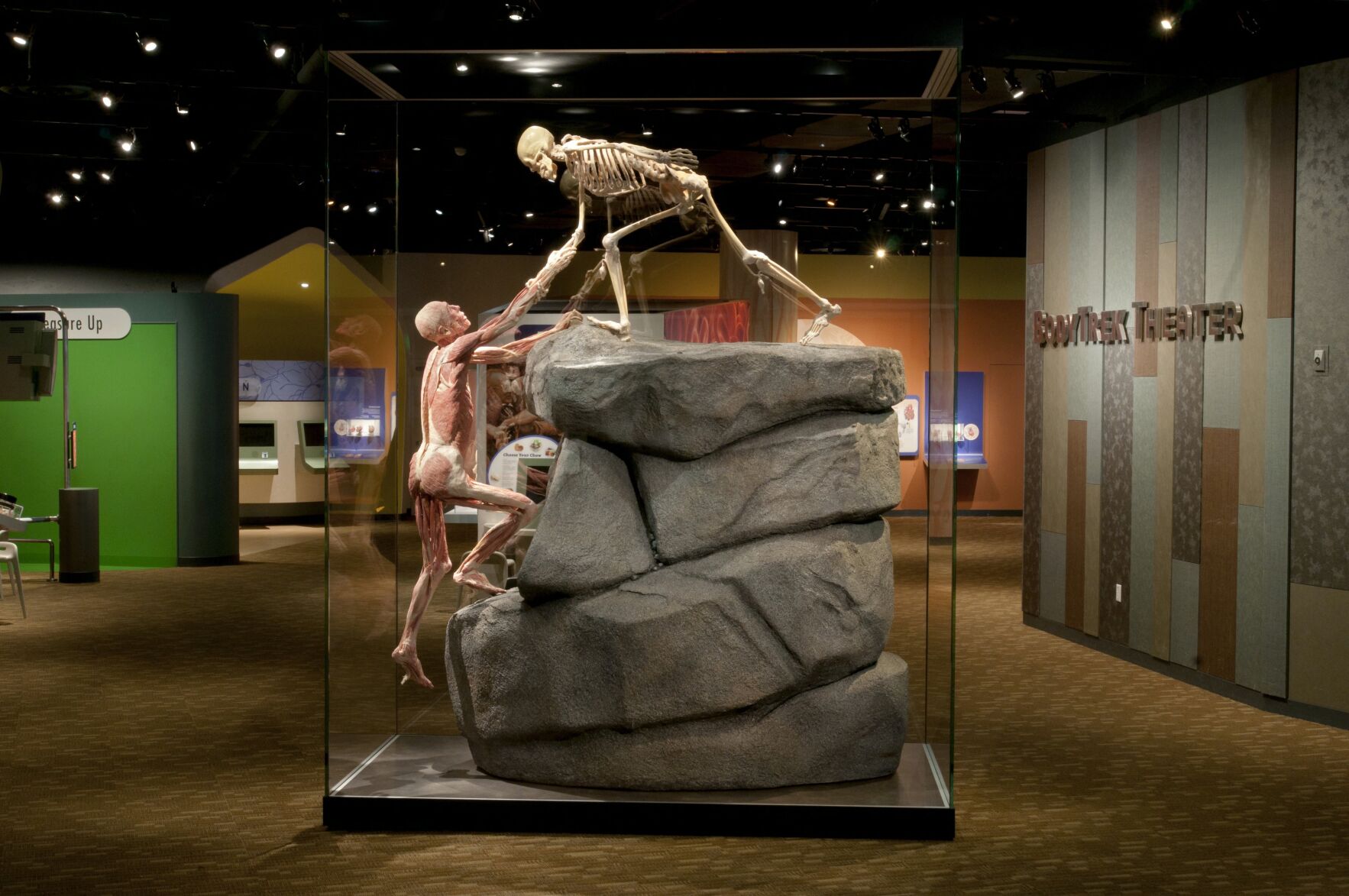
It’s impossible to miss the pair of bodies — one red, unclothed and unskinned, taking a helping, skeleton hand up a rock. These are the creations of Gunther von Hagens.
To educate on how our bones and muscles function, the German anatomist invented the process of preserving biological tissue with polymers. He called the process plastination and the products plastinates.
When they were installed at the Denver museum in 2011, “The Hikers” became the country’s first full-body plastinates on permanent display.
On display at Expedition Health.
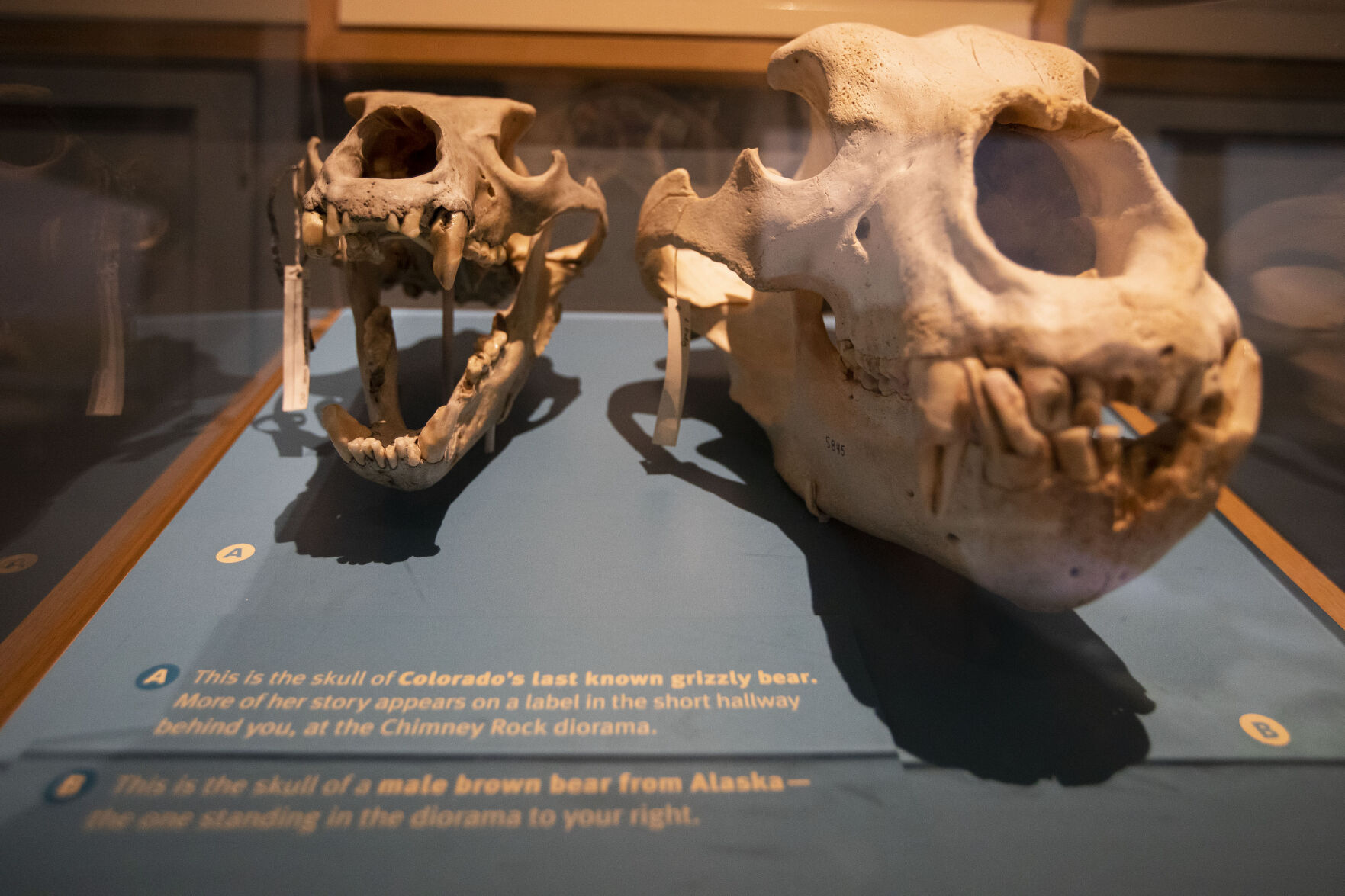
Colorado’s last grizzly
The story is legend: In 1979, hunter Ed Wiseman was attacked by a grizzly in the San Juan Mountains and miraculously escaped with his life. He drove an arrow into the 350-pound creature, which was later found dead. It was the state’s last grizzly bear on record.
Its remains are found at the museum — its skull at least. The skeleton and hide are kept private in a “controlled environment,” Bechhoefer said.
“It gets a ton of attention, so much so that is one of the reasons it’s not on exhibit. It’s so well loved we could love it to death.”
Tom’s Baby
On July 23, 1887, Tom Groves and a mining partner unearthed Colorado’s heaviest gold piece outside of Breckenridge. The story goes that Tom swaddled the chunk in a blanket and paraded it through town. The papers told of Tom’s Baby, weighed by an official at 13 1/2 pounds.
The story gets murky after that. The belief is that Tom, a contractor, handed over the find to the mine’s owner. The baby’s whereabouts were mysterious until 1972, when an investigative pastor in Breck tracked the chunk to an old bank vault in Denver — a vault owned by the Museum of Nature and Science.
Through the mine owner’s daughter, the museum confirmed it was Tom’s Baby. And then the next mystery: How did it lose 3 pounds?
At any rate, the gold’s weight maintains the state record.
On display at Coors Gem and Minerals Hall.
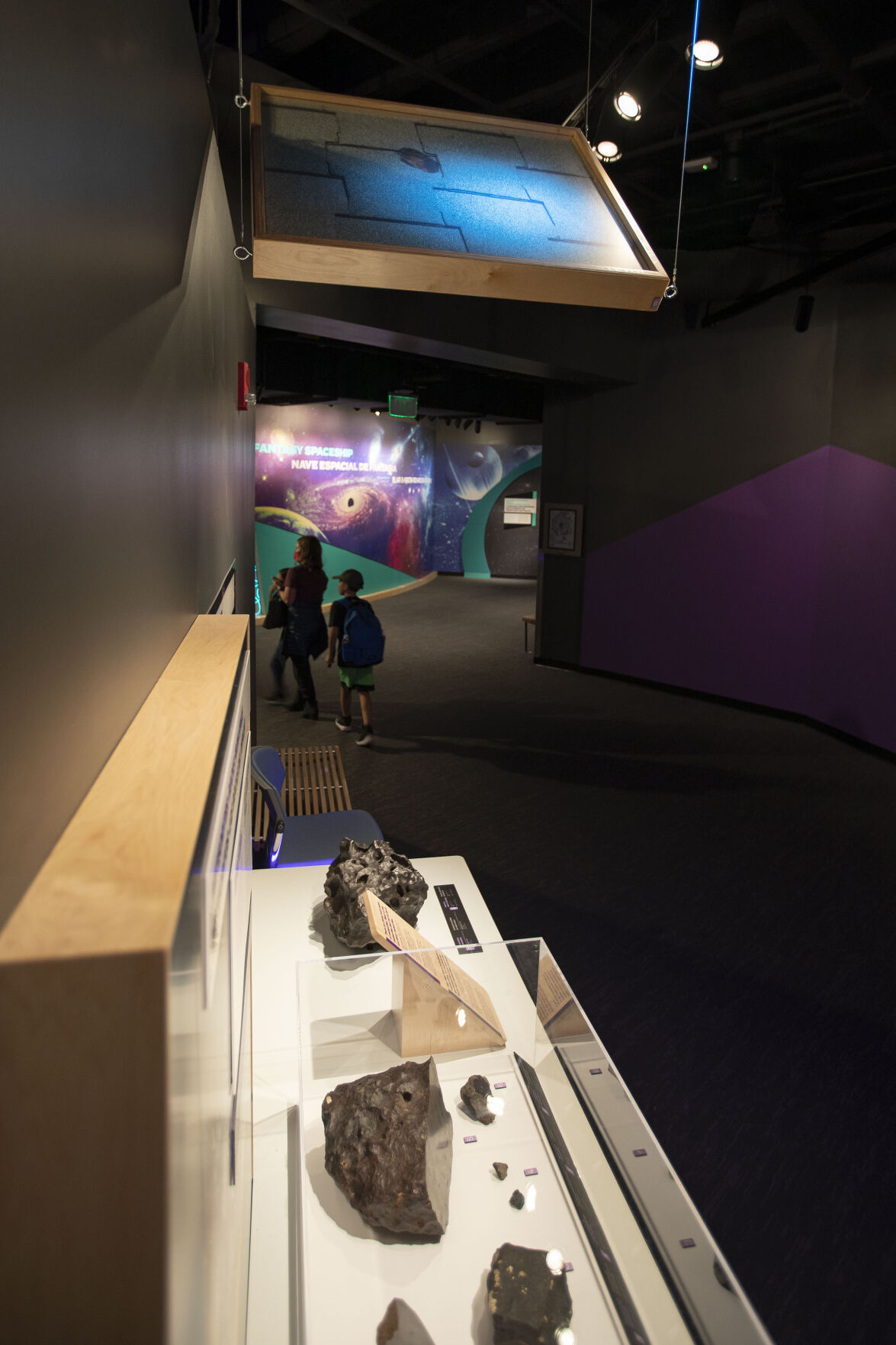
Roof-busting meteorite
For years, a roof fragment with an unremarkable hole sat in the museum archives. “People would walk by and be like, Why is that here?” Bechhoefer said.
That was until the museum opened its reimagined Space Odyssey exhibit last year.
“When they put that hole in the roof beside the meteorite, they lost their minds,” Bechhoefer said.
The softball-sized rock from outer space came crashing through our atmosphere at 25,000 miles per hour in 1973. Fortunately in a Cañon City garage, no one was in the wrong place at the wrong time