




So you think you can Sundance? A primer on top film festivals
JOHN MOORE

You’ve heard that Colorado just landed one of the top five film festivals in the world, and now you might be saying to yourself, “Amazing. Awesome. …
(“OK, wait. What does that even mean?”)
If you find yourself asking some pretty basic questions, like, “What makes Sundance such a big deal, anyway?” Or, “Am I even going to be able to get in?” Or, “Wait, the Oscars seriously think ‘Anora’ was the best movie of the year; are you pranking me?” – you are not alone.
At the moment, we are all a bit like Flounder in “Animal House” asking the upperclassmen: “You guys playing cards?”
We’re all just freshmen at this game.
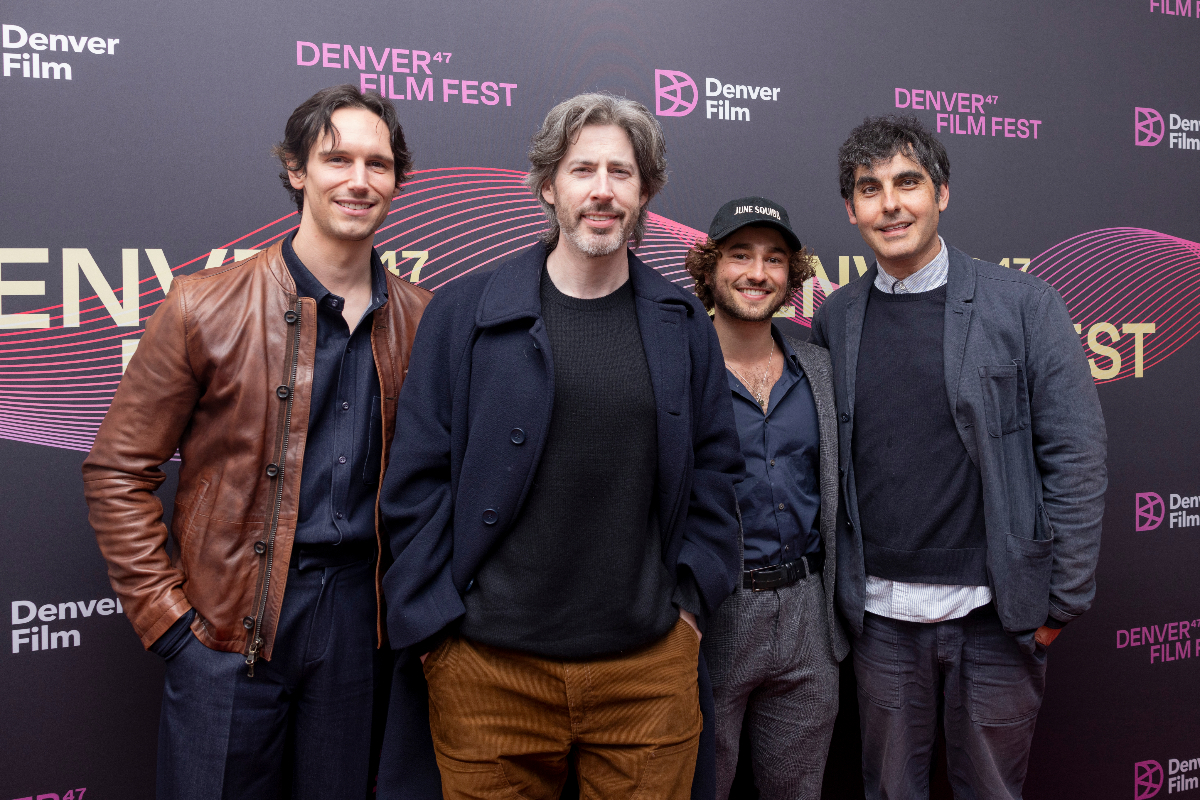
After the news broke Thursday that the Sundance Film Festival is indeed moving around the block from Utah to Boulder (following an excruciatingly slow 10-month selection process), it was clear that a primer is in order. So I asked Denver Film’s affable Artistic Director Matt Campbell to walk me through the world of international and local film festivals, which exist in many different forms and for very different reasons and audiences.
Campbell, who programs Denver’s own 47-year-old international film festival each November, is the perfect sage for the task. After all, he goes to all of them. The ones that matter, anyway. It’s his job. (“My cross to bear,” he says with a laugh.)
My first question: What are the big five? In calendar order, that’s Sundance and Berlin, which already have come and gone for 2025, Venice (Aug. 27-Sept. 6), Cannes (May 13-24) and Toronto, or TIFF (Sept. 4-14). Let’s dive in.
Matt Campbell: There are four primary categories of film festivals: Industry, regional, destination and niche festivals. Sundance starts the year in January, and it is America’s preeminent industry festival.
John Moore: Hold up. Does “industry” just mean people who work in the industry?
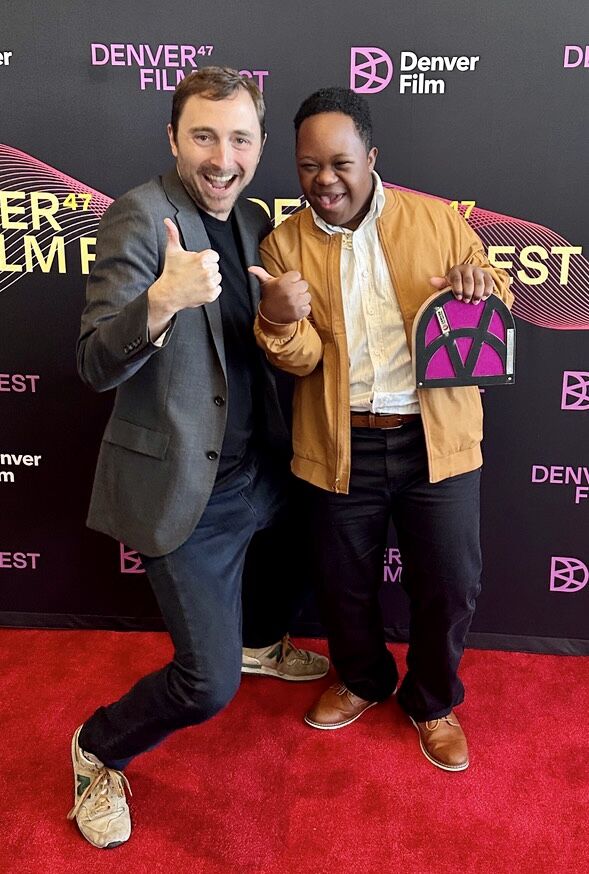
MC: What I mean by “industry” is that these festivals are showing, for the first time, indie films that are looking for distribution from places like A24, Neon Searchlight and Focus Features – not necessarily the big ones like Warner Brothers. And in the past 10 years, the largest player within this ecosystem has become streamers – namely Netflix, some Hulu and a few others.
JM: Before we continue with the Big Five, who actually goes to Sundance?
MC: So, there are four distinct crowds: There are the people from distribution companies who are looking for the films that might work well for them. There’s the press, who are there to bring awareness of these films into the marketplace. Then there are people like me from other film festivals who are there to potentially bring some of these films back to our own home markets.
“And then, of course, Sundance is open to the general public.
JM: I read that attendance at Sundance has fallen by nearly 40,000, to about 72,000, since before the pandemic.
MC: One of the reasons it’s moving to Boulder is because the (small) size of Park City was making it prohibitive for the general filmgoing audience to attend. There’s limited housing nearby. It’s expensive. Sundance wanted to alleviate some of those concerns and create more of an inclusive environment by switching over to Boulder.”
JM: How did Sundance get to be such a big deal in the first place?
MC: The independent cinema boon really kicked off in 1989 with “Sex, Lies, and Videotape,” which Steven Soderbergh premiered at Sundance. People went nuts. That was the first film to go in as an independent film and then be bought for a large sum of money right there at the festival. That hadn’t really happened before. Then it continued happening with Quentin Tarantino and (disgraced producer) Harvey Weinstein, who helped put Sundance on the map (by bidding outlandish sums for movies). Of course, the market these days isn’t quite what it was. Back in the day, there would be late-night bidding wars for films, but that doesn’t really happen as much anymore. I think that people are a bit more cautious in today’s distribution ecosystem.
JM: So what comes after Sundance?
MC: The next big festival is the Berlinale in February. And what sets Berlin apart from Sundance and others is that there’s an even larger industry presence because it becomes a huge film marketplace. We’re talking hundreds of films that people are going there to pitch. Maybe they have a star or a producer attached to a script, and they are going to this marketplace to raise money to get the film made. That doesn’t really happen at Sundance. All the films at Sundance are already made.
The next big one is every March – South by Southwest in Austin, Texas. This one is different because it is not just a film festival. It’s also a music and ideas festival with an emphasis on the interactive, which encompasses tech and business and marketing. Film and TV are still a large component at SXSW – but there’s so much else going on.
Then there is Cannes, which is a lot like Berlin. The difference being that Cannes is Cannes. It’s the most well-known. It’s at the top of the mountain. It’s where the biggest international films are going to premiere, as we saw this past year. Cannes is where the fun really begins every year.
JM: Is this the one that matters most for Oscars watchers?
MC: For sure. More and more, the films that are going to be in contention for the Oscars are premiering at Cannes. “Anora” premiered there, and it won the main prize. “The Substance” premiered there, also. It’s really an iconic place, and it is steeped in such history that it is the crème de la crème of the film-festival world.
And then you round out the year each fall with Venice, Telluride and Toronto, which all happen around the end of August or start of September. Those three serve as the launching pad for later films that are gearing up for the awards season. Venice is closely tied to Cannes, but it doesn’t have that massive marketplace attached to it. Toronto is different just because it is very much geared toward the public (400,000 attended in 2024), so their programming is always a bit more populist. What’s really coveted out of Toronto is the audience award because that kind of predicts a film that is going to do well with general audiences later on. Two years ago, that was “American Fiction.”

JM: What makes Telluride different from Sundance?
MC: Telluride premieres some really big films, but they’re not necessarily films that are looking for distribution. I would say 10-20% of the Sundance titles go in with distribution deals, and in Telluride, that’s more like 80-90%. Films that debut at Telluride are launching their awards campaigns, so they’re appealing more to tastemakers than to distributors or media.
Also, because Telluride is so remote, there isn’t as much press or industry or filmgoers. Attendance is capped at 5,000. They don’t sell individual tickets, only passes, and its allotment for September 2025 (most popular $790 each) are already sold out.
Because there’s not as much hoopla, the focus is really on the films at Telluride. The filmmakers and the stars who do attend can let their hair down because it’s a very relaxed environment. Telluride has that kind of cache where you can walk down the street and see a George Clooney just hanging out, which doesn’t really happen at other film festivals.
JM: Let’s talk about regional affairs, like our own Denver Film Festival.
MC: These are festivals that are for people who live in the area, and people who want to visit. Since we’re toward the end of the year, we get to cherry-pick all the best films that have already premiered at these other industry festivals. So we’re not as focused on landing world premieres – as long as it’s new to our audience. We are close enough to awards season that audiences can come and get a sneak peek at all sorts of big-name films just before the nominations come out. We’re not here as a marketplace per se, but as a celebration of film. We still want to bring in the filmmakers and the stars whenever we can and have them interact with our audiences. But we are fully audience-focused. We are also different because we are a nonprofit organization, we operate our own year-round theaters (at the Sie Film Center) and we partner on all sorts of other metro-area film festivals throughout the year.
JM: Where does Denver rank among regional festivals in terms of importance?
MC: Obviously, we think we’re great. We are entering our 48th year, which puts us in the top 10 in terms of longevity. We drew 24,000 last year. As for contemporaries, we’re among the stature of, say, Seattle, San Francisco, Chicago, Miami, Atlanta, Milwaukee and Dallas.

JM: What’s a niche festival?
MC: These offer specific types of programming, like the Denver Jewish Film Festival or the Colorado Environmental Film Festival. We partner on the Women+, Cinema Q and Colorado Dragon Boat festivals, among others. And then there are what we call destination festivals, which happen in places where people want to vacation like Crested Butte or Vail or Aspen.
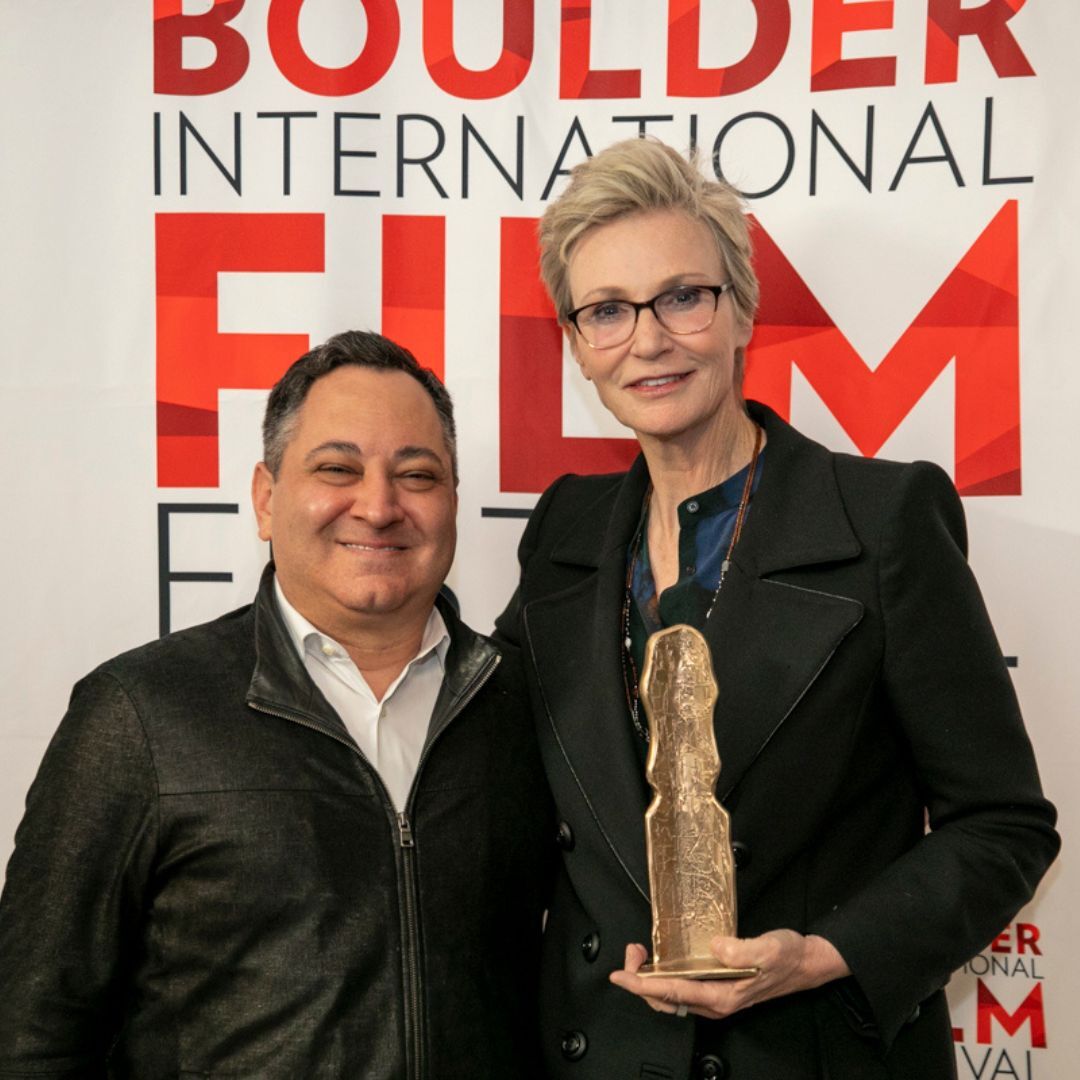
JM: So, back to Sundance. I keep hearing horror stories about the lack of hotels in and around Boulder, which will lead to difficulty parking, traffic, price-jacking, that kind of thing. And that many screenings are closed to the public. How do you envision Sundance playing out as a consumer experience?
MC: I would say that a big reason they’re making this move is because they don’t want the festival to be so exclusive and cost-prohibitive that the average moviegoing fan can’t participate. Because if they’re not able to make it accessible to the fan, then there’s no future for any of us. We need to have a general audience. It can’t be as exclusive as it has been in the past. I think Boulder was attractive to Sundance because it is a college town and it will attract a younger audience to the festival. And they’re going to partner with the CU Film School. They’re going to have specific packages and programs just for students to make sure that young people are in the theaters, that they’re at the premieres, and that they’re going to get to interact with filmmakers.
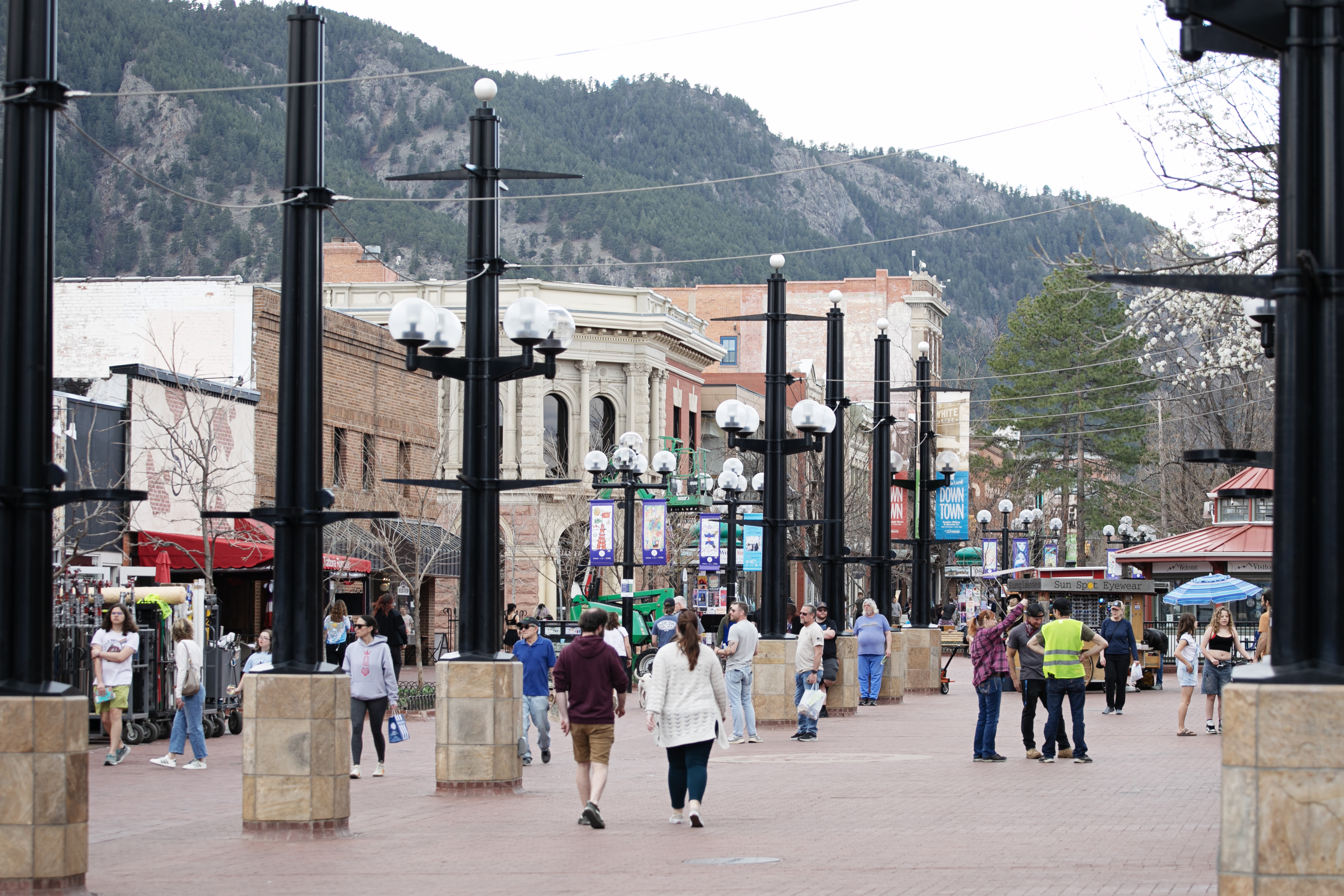
JM: So where is all of this playing out in Boulder, anyway?
MC: From what I understand, they definitely will want the main hub to be Pearl Street, especially with the Boulder Theater being right there as one of the primary venues. I think they are going to have lounges and conversation spaces and parties all over the place. On campus, they’re going to use Macky Auditorium, which has 2,000 seats, so that will probably be the premiere venue. They’re going to use the theaters at the Dairy Center, and I am sure they will use the Cinemark Century Boulder 16 as well.
JM: Do you worry about Sundance coming just two months after the Denver Film Festival, and the inevitable competition that might mean, if not for film fans but for sponsors and donor dollars?
MC: There’s always a concern with an unknown, and that’s just what this is. None of us have been in this situation before, so we have no idea what’s going to happen. Sundance is a national brand, which means they will be going after certain media partners and sponsors that right now we just don’t have access to. But we do hope that people will remember us, and that we are born-and bred-here in Denver, and that we’re a scrappy nonprofit that needs financial support from our generous donors and sponsors. We hope that’s not lost on the shiny new, exciting thing moving into town.
There will definitely be challenges, but I’m trying to be optimistic that we can make it work for everyone and that Sundance will help really put Colorado on the map as a preeminent place for filmgoing and independent cinema, and that we can all work together to take that up to the next level.



Get OutThere
Signup today for free and be the first to get notified on new updates.
PREV
PREVIOUS
Colorado Republicans elect former county treasurer Brita Horn as state party chair
Colorado Republicans on Saturday elected Brita Horn, a former county treasurer and longtime party activist, to a two-year term as state GOP chair at the party’s biennial reorganization meeting in Colorado Springs. The 62-year-old volunteer fire department chief from Routt County told members of the state central committee that she wants Republicans to move past […]
Aaron Gordon gearing up for Denver Nuggets playoff run despite difficult season
Denver Nuggets starting power forward Aaron Gordon has been through a lot in his NBA career from starring in dunk contests and leading struggling teams in Orlando to being a crucial piece to the Nuggets championship run. His 11th season has been one of the most challenging as he deals with injuries and grief.