







Denver Pavilions’ design ‘obsolete’ and should be partially demolished, experts say
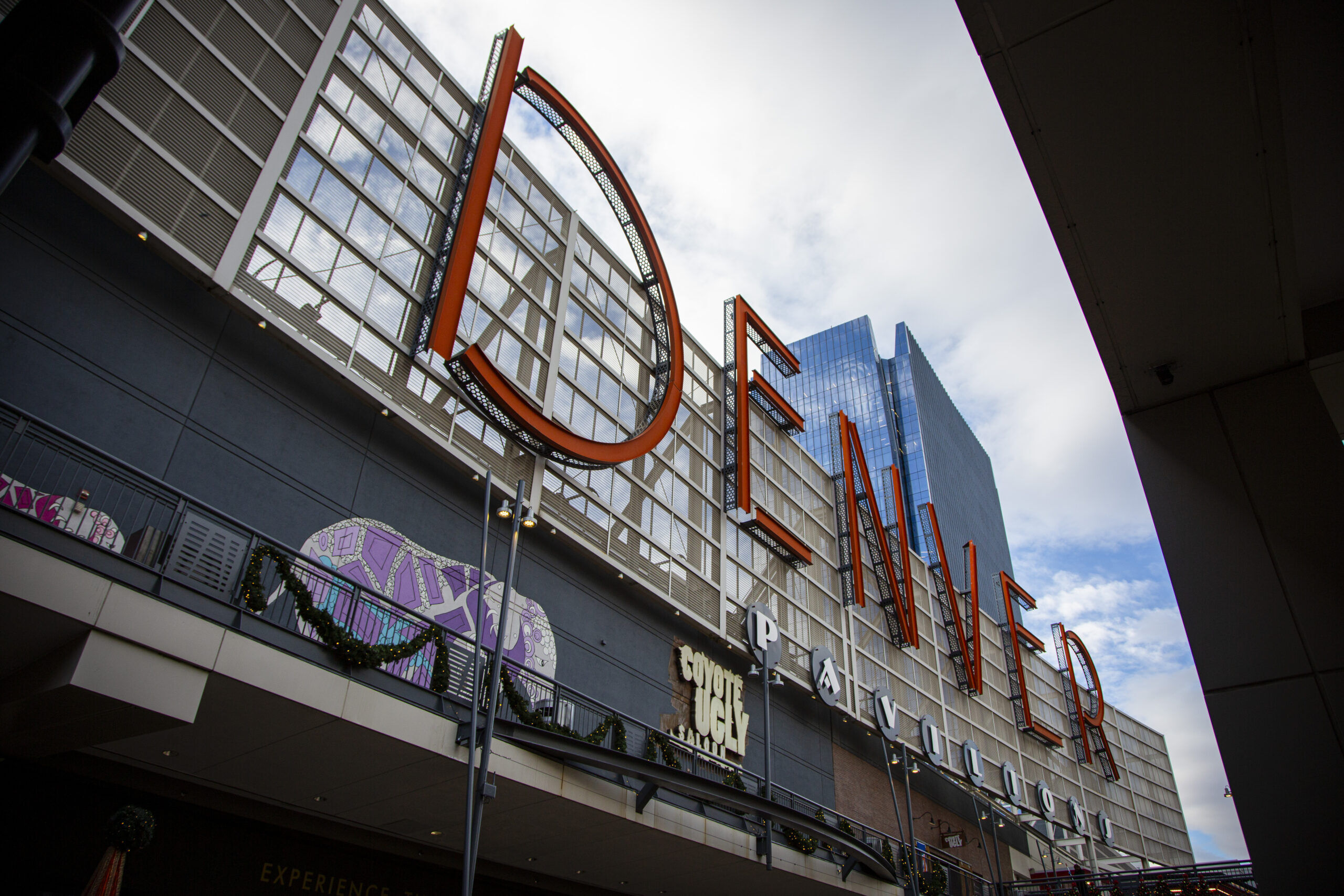
The Denver Pavilions needs to significantly change in order to survive and be a downtown magnet for the next generation, according to new preliminary findings from an advisory panel of real estate experts.
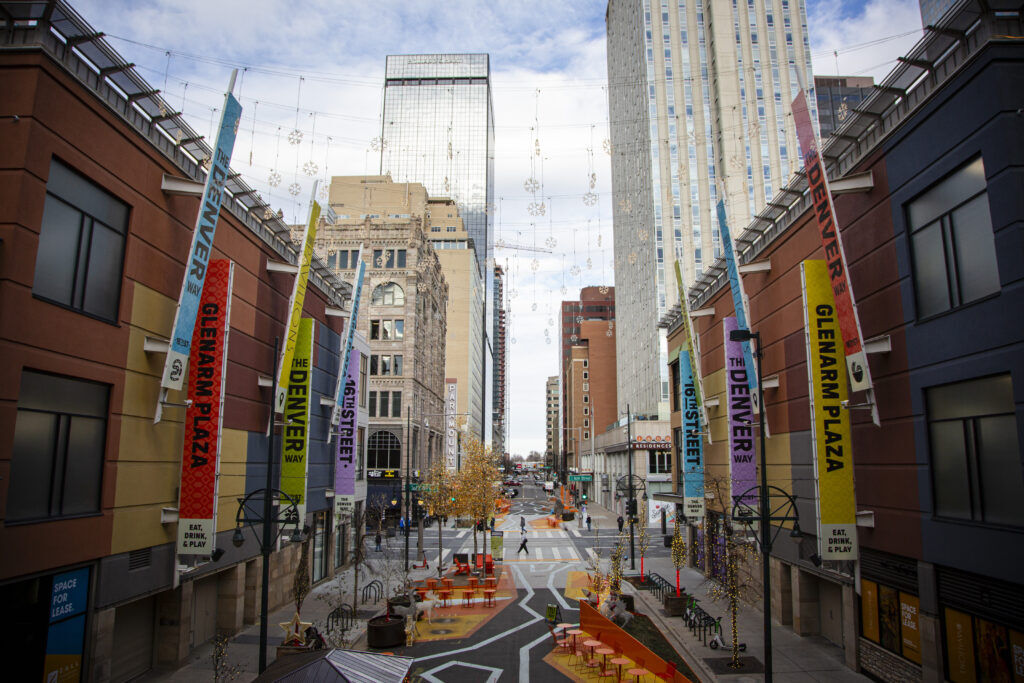
National experts from the Urban Land Institute, brought in by the mall’s new owner, determined the original design of the shopping center on Upper Downtown’s 16th Street is “obsolete” and needs to have a purpose beyond retail to catalyze downtown.
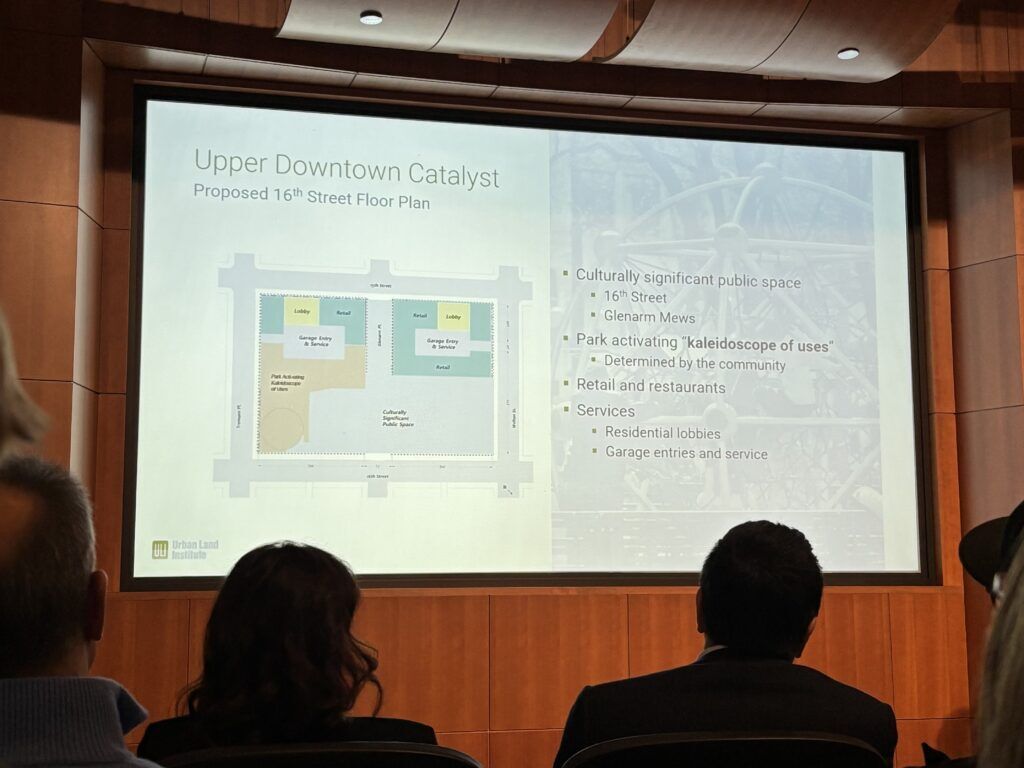
The group suggested part of the Denver Pavilions should be torn down and turned into a public space, one similar to New York City’s famous Bryant Park, according to findings from an advisory panel.
The park idea aims to be a catalyst to create value for the neighborhood that spurs investment around it by businesses that want to be near the growing area, panelists said.
In the proposal, Denver Pavilions would keep the building home to the Regal movie theater for indoor use and house several other retail spaces, but use the rest of the land to create a public community space, the panel suggested to a group of city and downtown business leaders on Friday. It also suggested finding a private partner to develop two residential towers.
“The Pavilions has served Denver well for decades,” said panelist Kristen Morris, president of Morris & Fellows in Atlanta. “It has had its place, it has had its moment in the sun, and we believe that it is now time to move on, close this chapter and start the next.”
The Denver Downtown Development Authority bought the mall in late December from Gart Properties in a deal to purchase and upgrade the property for a total of $45 million, when the property was at risk of being taken over by lenders.
The quasi-governmental organization that helped spur Union Station’s revitalization hopes the shopping center on 16th Street will be the next generation’s Union Station project for Upper Downtown. The organization also bought the two parking lots from Brookfield Properties for $23 million, creating the first opportunity for the site to be all under one ownership.
The DDDA paid $100,000 to bring in the advisory panel to kickstart a plan of what to do with the site. The presentation on Friday was a glimpse into more detailed recommendations set to be released in full in several weeks.
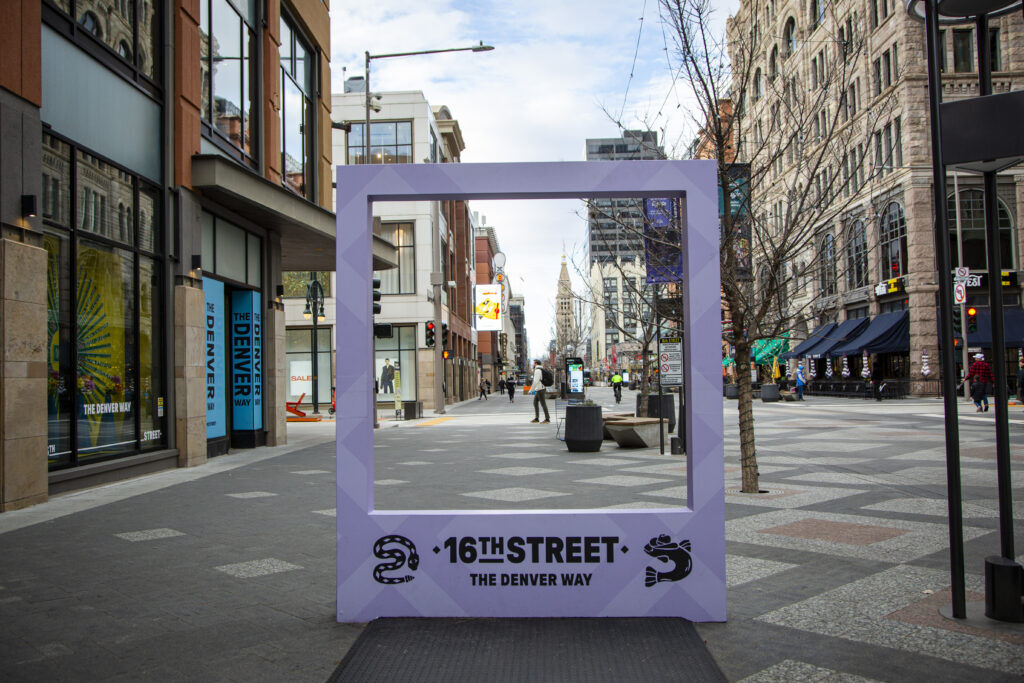
ULI, a national organization of real estate and land use experts who have helped guide other Denver projects such as the reconfiguration of Speer Boulevard and 16th Street, brought in an advisory panel to speak to more than 100 stakeholders over the course of a week to determine their recommendations.
ULI’s ideas contrast with some of the DDDA’s original intention to resell the property to a developer who matched their vision in a year or two.
The panel recommended creating the park first with two potential residential towers and to hold the parking lots on the back until the park can churn value for the public — not to “flip it” immediately — said panel chair Nolan Marshall III, CEO of The Social District in downtown Los Angeles. The project could be done through a public-private partnership, which could take many forms.
Bryant Park, for example, was a struggling area for Manhattan in the 1980s before it was transformed with a restoration led by The Bryant Park Corp. through a Business Improvement District model. It has since become a major revenue generator for Midtown Manhattan filled with community events, retail and an annual Christmas market.
The park is currently owned by the City of New York and managed by the nonprofit organization.
Marshalls said a Pavilions park would complement Civic Center Park, where large events and protests are held, as a more “intimate” park setting with more daily programming.
Mayor Mike Johnston called the panel’s determination “incredibly compelling.”
After the panel’s presentation, Johnston said this was the “start of the conversation.” He said the findings reinforced the city’s plan to reposition the mall as a catalyst for Upper Downtown, which has struggled since the pandemic.
The mayor added he’s interested in “what new opportunities can we bring by creating a new space and a new set of memories for the next 50 years to come.”
What about other uses? Office, retail or hotel?
The panel ruled out adding new office, retail or hotel space to the Pavilions.
One panelist stated the two parking lots along 15th Street could have been a potential site for a convention hotel, as downtown has plenty of hotels but not enough hotels with more than 400 rooms that are attractive to meeting planners.
It’s a problem Denver will have to solve one day, said Suzanne Mellen, a ULI panelist and senior managing director at HVS in San Francisco, but there’s still time to address the shortage.
But due to the high cost to construct one that would require heavy subsidization and a long time to build a hotel of that size, she said, the panel decided it wouldn’t recommend bringing a hotel to the site because it wouldn’t be the “highest and best use” of the Pavilions’ vacant parcels.
”It would require significant subsidies in the hundreds of millions of dollars, it would have a long and complex development process,” Mellon said, “and we think what needs to go on at the Pavilions needs to happen now as soon as possible.”
The 350,000-square-foot shopping and entertainment complex debuted in November 1998, after a year and a half of construction. The project cost nearly $105 million to complete. When it opened, Denver Pavilions attracted visitors with huge national brands — from a 15-screen United Artists movie theater to Barnes & Noble, NikeTown, Maggiano’s Little Italy and Hard Rock Café.
It opened at a time when the suburban mall was in its final days before the advent of e-commerce, Morris said. Its decline was inevitable and the pandemic just sped it along.
The main problem with Denver Pavilions now is that many retailers do not want to be stacked on top of each other and hidden away from the street, Morris explained.
It’s an “obsolete building,” she said. “This had a moment in retail in the larger landscape, but it wasn’t a very long moment. And it was going to be on that decline, no matter what.”
While the mayor has pushed to transform the Central Business District into a Central Neighborhood District, the panelists discussed how the Pavilions site can be the heart of a “Central Social District.” The park can host markets, vendors, events and community activities to attract people downtown.
“There’s a need for some rebalancing of the things that will drive on demand for retail here,” said Gregg Logan, panelist and managing director of RCLCO in Florida.
Downtown Denver might not fully recover its office worker demand and convention center visitors aren’t enough to make up the difference, he said. The most successful retail areas in Denver are places with more residents, such as the River North, Lower Downtown and Union Station neighborhoods.
Bringing two residential towers to the Pavilions could completely reshape Upper Downtown in 10 years, said Bill Mosher, the city’s chief project officer and former Downtown Denver Partnership CEO in the 1990s, when the Pavilions was built.
Mosher said he’s already had some discussions with architects about what tearing down some of the buildings could look like, but ULI’s recommendations “took that a little further.”
Now that the first recommendations have been released, he said the city will evaluate the feasibility of the ideas and whether or not to pursue them.
So what about the tenants at Denver Pavilions? That’s still yet to be seen.
Mosher said there are no leases at the Denver Pavilions that go past the mid-2030s, but he also added there’s been some interest from tenants about whether the DDDA would be willing to let them out of their leases to relocate to different spaces on 16th Street.
They still have to respect the lease obligations already in place, Mosher said.
“One of the things we hadn’t thought about — and the panel proposed and we’ll take a look at — is what are the opportunities on 16th Street to work with tenants and relocate to the ones that want to,” Mosher said. “And there are certainly some that do want to do that.”
The recommendations were publicly released to city leaders on Friday morning for the first time. Now, the next step is to figure out what kind of big move the city wants to — or can — take.