







Douglas County hantavirus death tied to possible rodent exposure
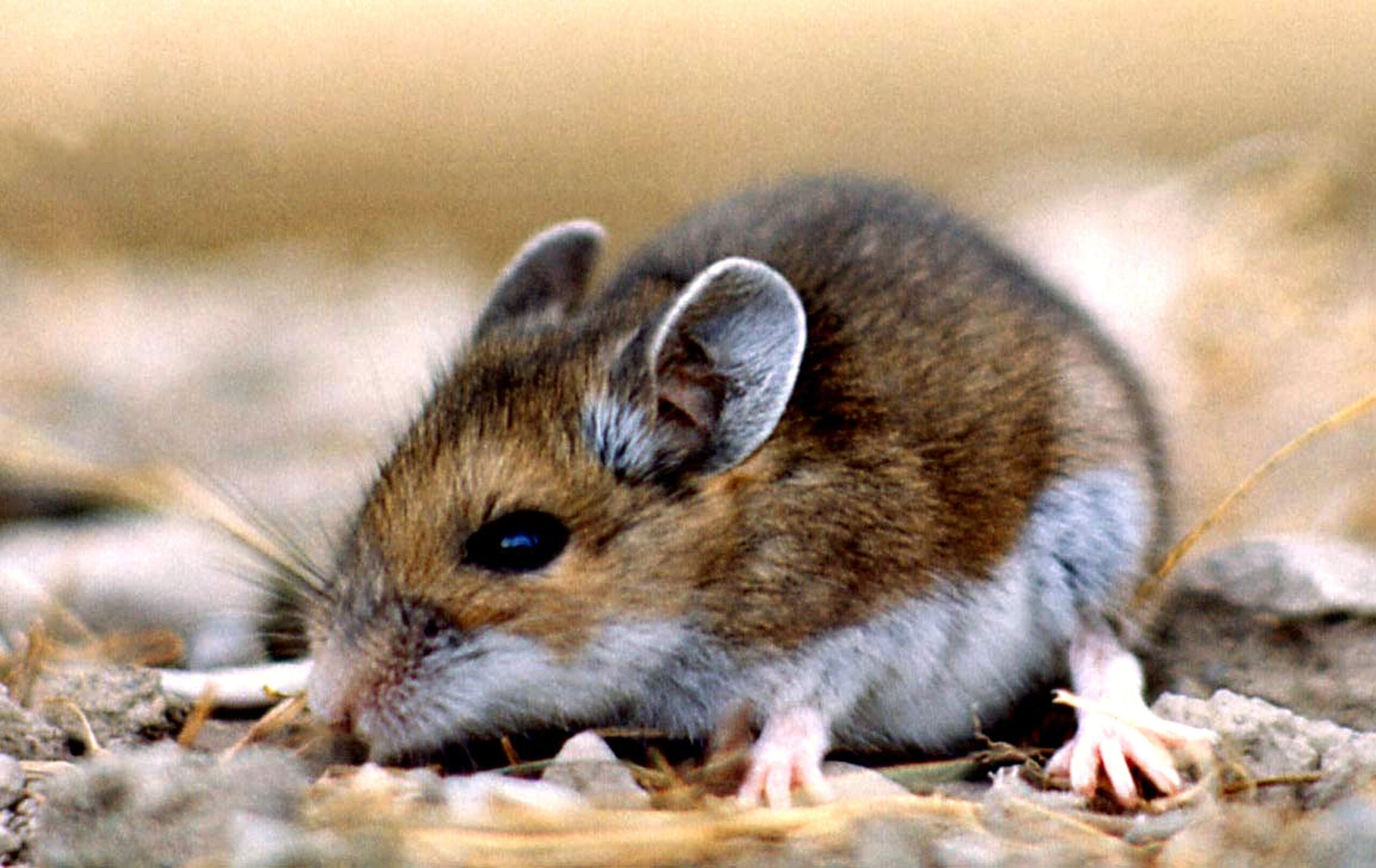
An adult Douglas County resident has died from a confirmed case of hantavirus, prompting an investigation by state and local health officials.
The Douglas County Health Department and the Colorado Department of Public Health and Environment are investigating the case, which officials said likely resulted from local exposure to rodents.
The resident has not been identified, and the date of death was not disclosed.
Health officials emphasized that the case is not linked to a recent hantavirus outbreak aboard the MV Hondius cruise ship and said the risk to the public remains low.
Hantaviruses are a family of viruses that can cause severe respiratory illness, including hantavirus pulmonary syndrome (HPS), a potentially fatal lung disease. Symptoms typically begin with fatigue, fever and muscle aches and can progress to coughing, shortness of breath, chest tightness and fluid in the lungs.
The Douglas County resident likely contracted the Sin Nombre strain, the most common hantavirus in Colorado, officials said. The virus is typically transmitted through contact with deer mice or exposure to rodent urine, feces, saliva or nesting materials. Cases occur most often in the spring and summer.
Hantavirus surveillance in the United States began in 1993 following an outbreak in the Four Corners region, which includes Colorado, according to the Centers for Disease Control and Prevention. Since then, Colorado has reported 121 confirmed cases through 2023, accounting for about 15% of all U.S. infections.
Of those cases, the state reported 45 deaths — the second-highest total in the nation after New Mexico.
Nationally, New Mexico has recorded 129 cases, followed by Arizona with 92, California with 79 and Washington with 61.
Colorado has documented 37 cases since 2016, including six in 2024 and four in 2025, according to the CDPHE.
In April, a hantavirus outbreak on a cruise ship in the Atlantic, linked to the Andes strain, resulted in three deaths.
Unlike the Sin Nombre virus, the Andes virus is the only known hantavirus capable of spreading person-to-person. Among patients who develop severe respiratory symptoms related to hantaviruses, the case fatality rate is approximately 38%, according to the CDC.
“Avoiding exposure to rodents and their urine, feces, saliva, and nesting materials is the best way to prevent infection,” CDPHE said in a news release.