







Downtown Denver recovers but faces new challenges
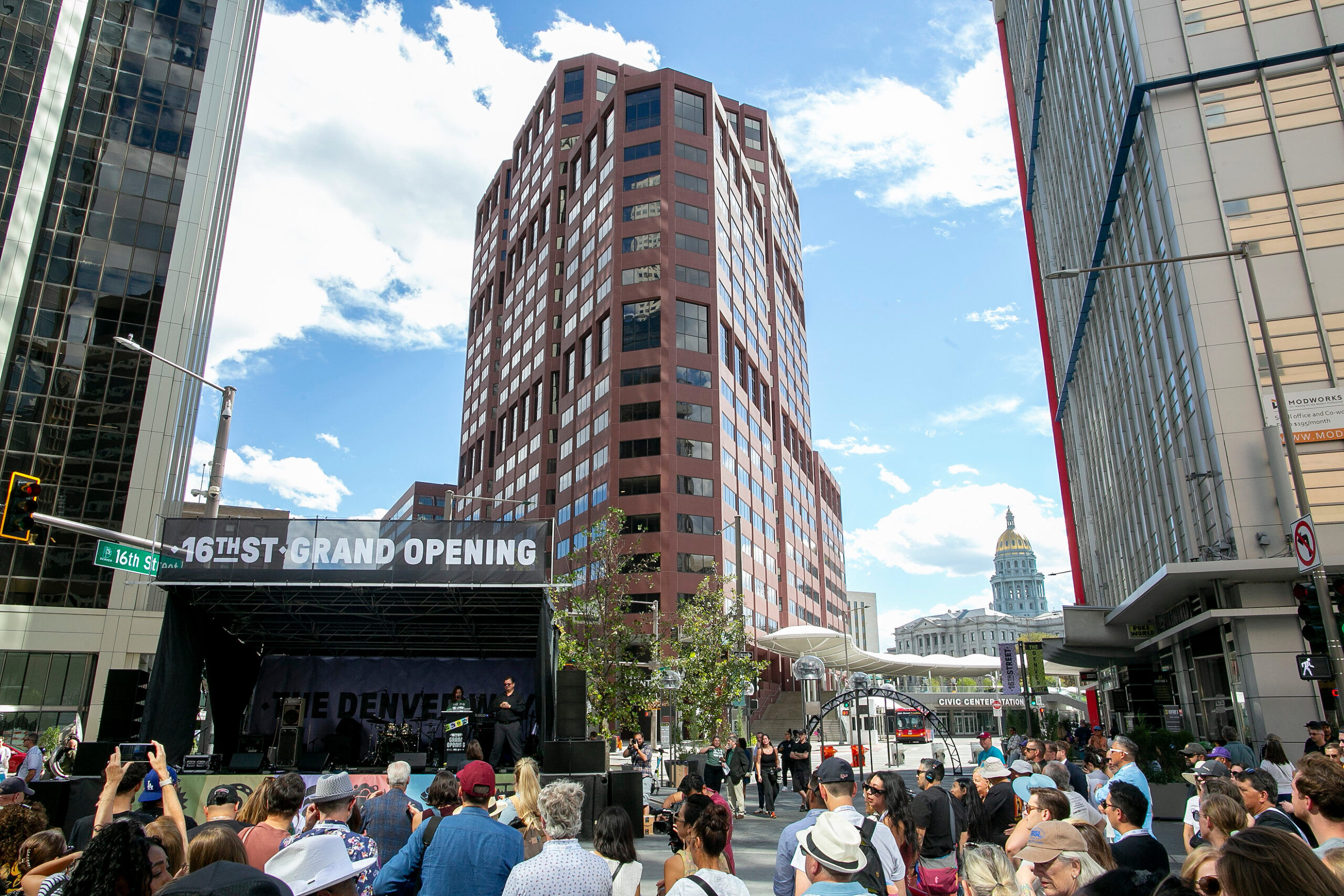
In 2025, as the city finished 16th Street’s overhaul, downtown Denver started to see hopeful signs of a nearly full recovery from the COVID-19 pandemic.
But the ongoing downtown recovery will face new challenges in 2026.
The city’s urban core saw downtown visits recover by 90% in 2025 compared to before the pandemic. The best month was December, as downtown reached 99% foot traffic, the primary measurement of how many visitors go through the city’s central core, according to an annual State of Downtown Denver report by the Downtown Denver Partnership.
Total visits in 2025 reached 73 million, up from 72 million in 2024, the report said. But downtown is still short 8 million yearly visitors compared to 2019.
The trend of improving foot traffic has continued into 2026. January recorded a 96% recovery rate, February was at 89% and March was 84%, according to the Downtown Denver Partnership.
Breaking down the data further, Downtown Denver Partnership CEO Kourtny Garrett said downtown has actually outperformed during weekends and major events.
She said the data shows people will go downtown if they’re given something to do.
“We had 330,000 people downtown for New Year’s Eve and that is far beyond what we saw in 2019,” she said. ”Same thing with Parade of Lights.”
Office market continues to see rising vacancies
The return of office workers is still playing catch-up.
In 2025, downtown’s return-to-office rate was 64%, the report said. Another report from the DDP, breaking down March’s economic trends, recorded the best office worker rate since the pandemic at 74%.
But the empty office real estate market will continue to be one of downtown’s major vulnerabilities, Garrett said.
Downtown Denver’s office vacancy rose to nearly 39% in the first quarter of 2026, according to commercial real estate firm CBRE.
The office market has shown signs of stabilization, though demand is still dry, CBRE’s report said. On the supply side, there hasn’t been a single new office building under construction in downtown since the opening of 1900 Lawrence during the first half of 2024.
This means there’s no new supply in the pipeline as several heavily vacant office buildings have secured funding from the Denver Downtown Development Authority to be converted into apartments.
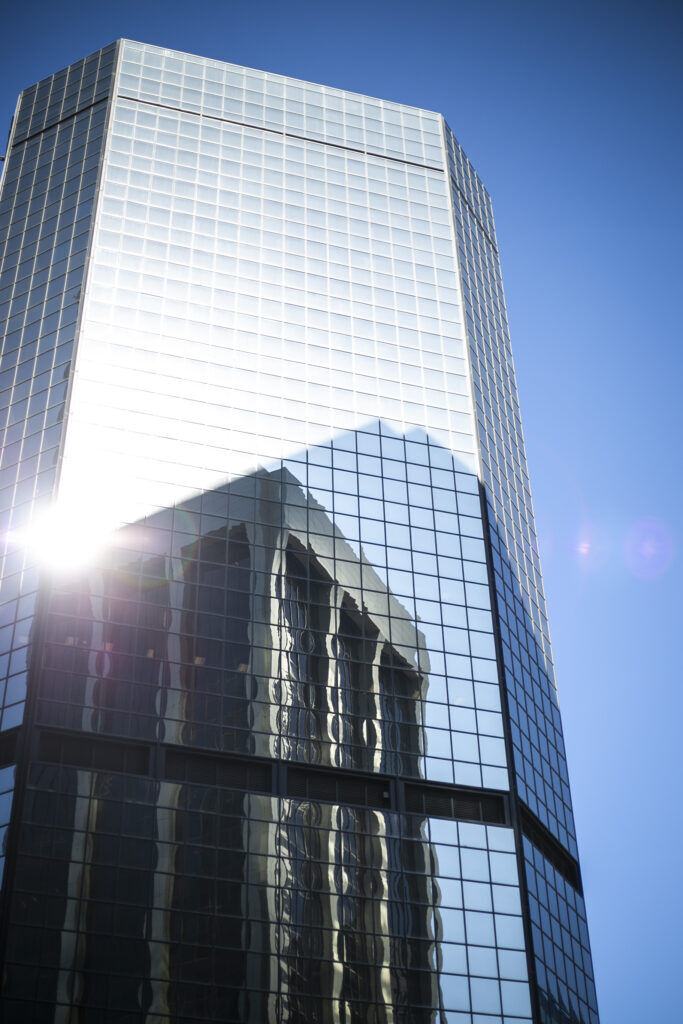
“The removal of this obsolete, unleaseable space from inventory, along with the gradual recovery in demand, will provide some vacancy relief over the next several years,” CBRE’s report said.
Still, there’s been an “acceleration” of leasing in Class A downtown office space, the newest and best-in-class real estate, CBRE said. Over the next few years, the real estate firm said, the conversation in downtown will begin to shift to recognizing an “undersupply” of premium office space.
The Denver Pavilions is at the heart of plans to reenergize the economy in Upper Downtown.
A panel of national real estate experts recently suggested part of the shopping center should be torn down to adjust to the changing times and be turned into a park similar to Bryant Park, a major revenue-generating public space for events and markets in New York City.
Gregg Logan, an Urban Land Institute panelist and managing director of RCLCO in Florida, told city leaders last week that Denver might not fully recover its office worker demand to sustain shops and restaurants downtown.
“There’s a need for some rebalancing of the things that will drive demand for retail here,” he said.
The panel suggested not only repositioning Denver Pavilions as an events-based park but bringing in two residential towers, as well.
With the full reopening of 16th Street last year, the impeding construction project that drove out many businesses, the DDP said downtown added 72 new businesses in 2025.
There were 39 net new businesses, the report said, meaning about 33 businesses replaced the ones that left last year.
“Unfortunately, you know, there are those that we continue to see having challenges,” Garrett said, adding that some of it is due to local policies and regulations. “There’s a lot of will and some permitting issues that are being improved, but we still need to make it easier for our retail and restaurant businesses to operate in the state.”
Challenges in 2026
Going into 2026, downtown is about to face new headwinds.
Colorado saw a contracting labor market in 2025, newly revised federal labor data shows. The effect is evident in downtown, as employment fell nearly 2%, according to the downtown partnership’s report.
In addition, there’s the U.S.-Israeli war with Iran and its effect of rapidly rising fuel prices that’s dampening business confidence across the state, according to the University of Colorado Boulder.
Now, the question is whether downtown is resilient to weather new storms as it’s still recovering from the last one.
Garrett said she thinks it can.
“The conditions in the macroeconomic environment impact downtown because we are a microcosm of all of these trends,” Garrett said. “And that’s true for every downtown in the country.”
The partnership has started to analyze new data to develop strategies to attract new technology companies to downtown and identify what other industries can help drive demand and job growth, she said.
Also, she pointed to how Denver has made several big plays in the last year to try to counter the trends it’s been facing.
The three major game changers are the reopening of 16th Street, the Downtown Development Authority pumping more than $242 million into revitalizing downtown and city approval of the Downtown Area Plan, a document mapping out what the future of the city’s core should look like over the next 20 years, she said.
“The resiliency, or at least I would say, the action that gives us great optimism in downtown Denver is that we have made some really significant bold moves to help propel the city forward and interrupt market cycles,” Garrett said.