




Colorado woman’s mountain running dream was born through nightmares
Dreama Walton keeps a pile of old, stuffed animals in her Colorado Springs home.
“I can’t get rid of some things,” she says.
She can’t get rid of these childhood things of her little sister, who used a wheelchair all of her short life. These were the things that gave Desiree comfort before her death in 2005. She was 19.
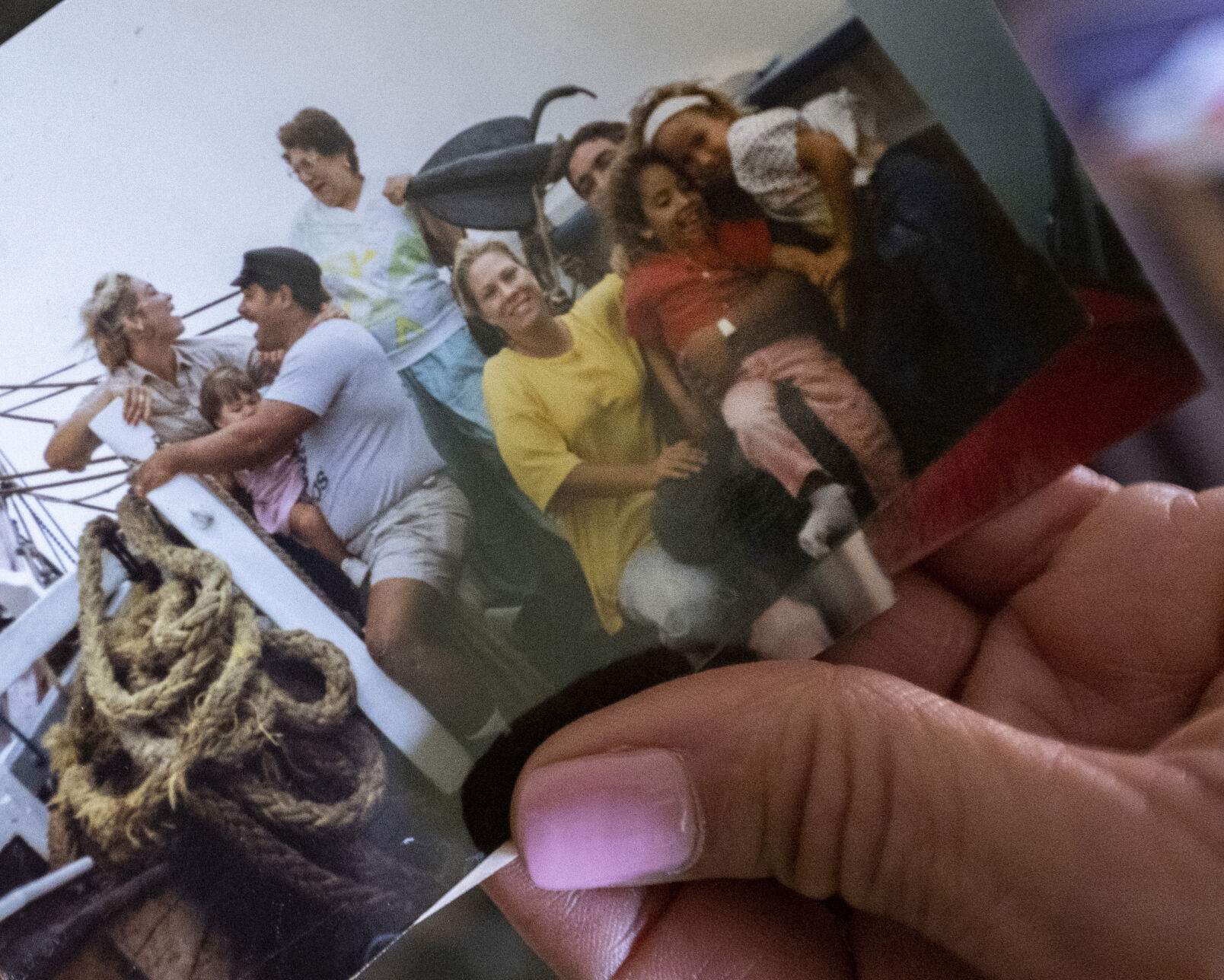
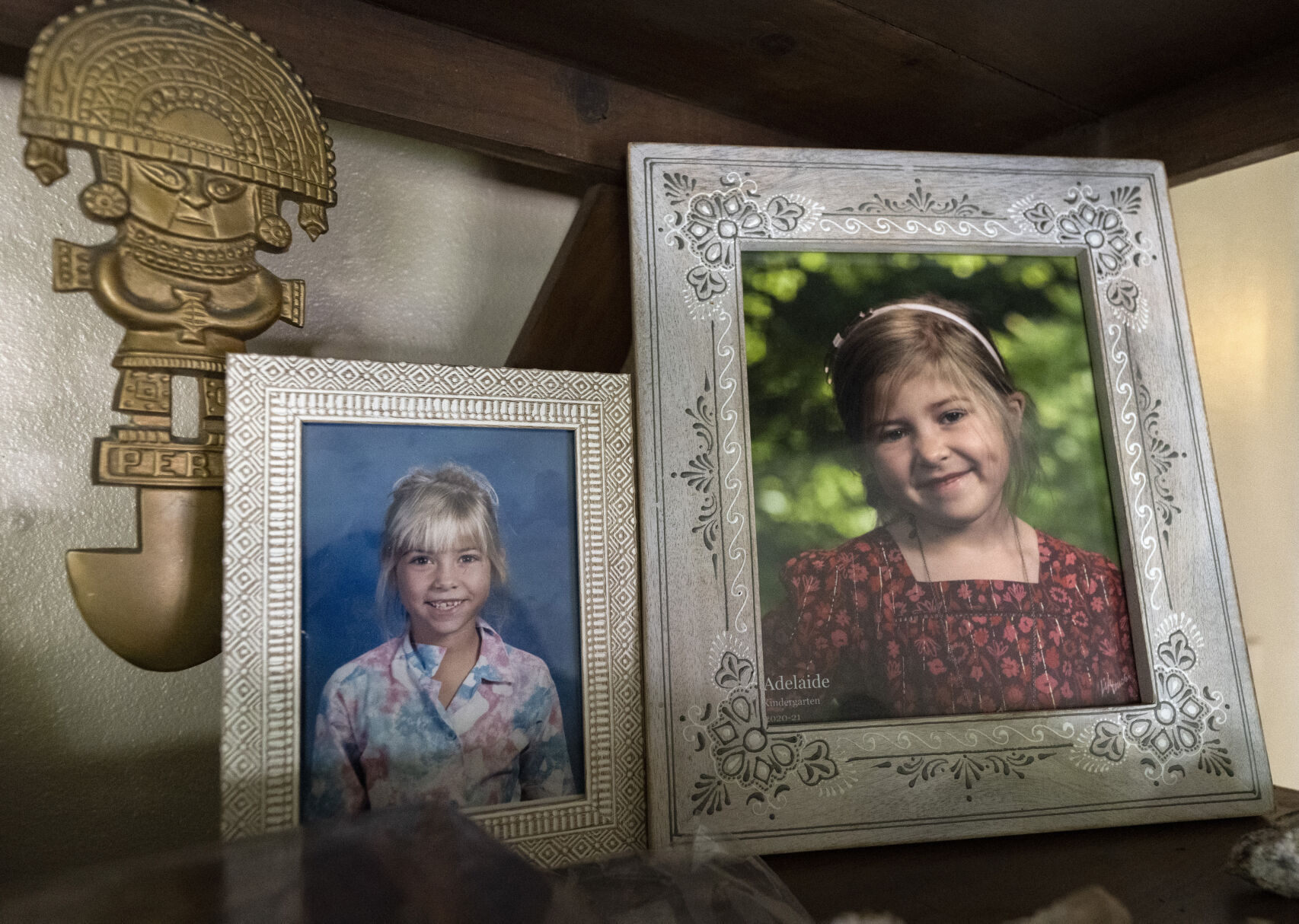
Walton can’t get rid of some things, like all of these old, family photos before the photo-taking abruptly stopped. Here they all are, Mom and Dad and three smiling girls living the island life dream of an all-too-young couple; they were parents at 18 and 19.
“This is us in St. Croix when we were a happy family,” Walton says, showing the picture.
She can’t get rid of some things, like all of the memories, the good before all of the bad — a home suddenly torn by divorce, drugs and abuse.
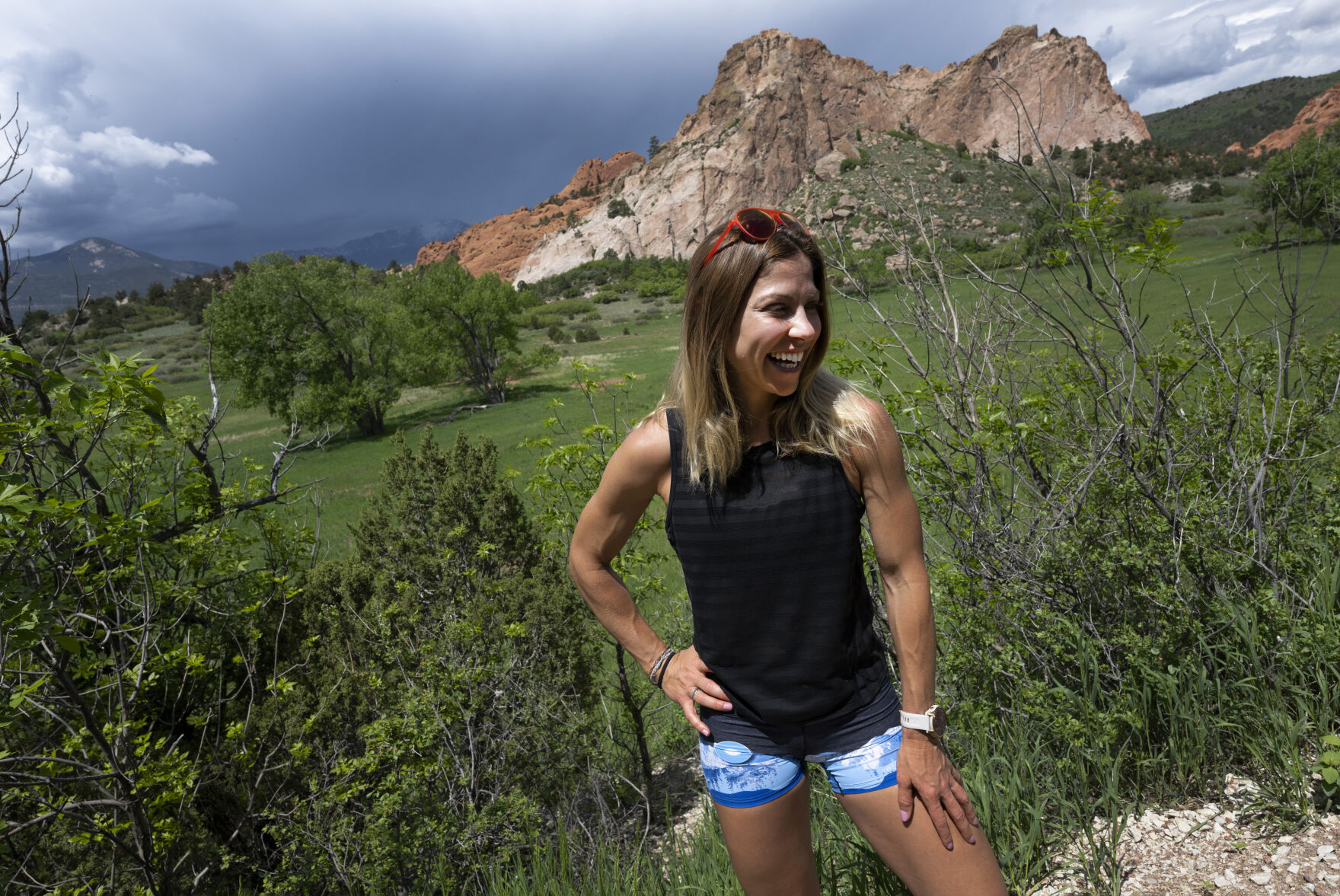
In the middle of a burgeoning mountain running career, Walton is talking about it more.
“It’s getting easier,” she says. “When I was doing the documentary, I was sweating. I like broke out in hives.”
The documentary is “Dreama Team,” which is set to screen next month in the Springs.
The sponsored film tells the story of Walton’s hard, winding path to the Western States 100. Spanning California’s Sierra Nevada Mountains, that ultramarathon is considered the world’s most historic.
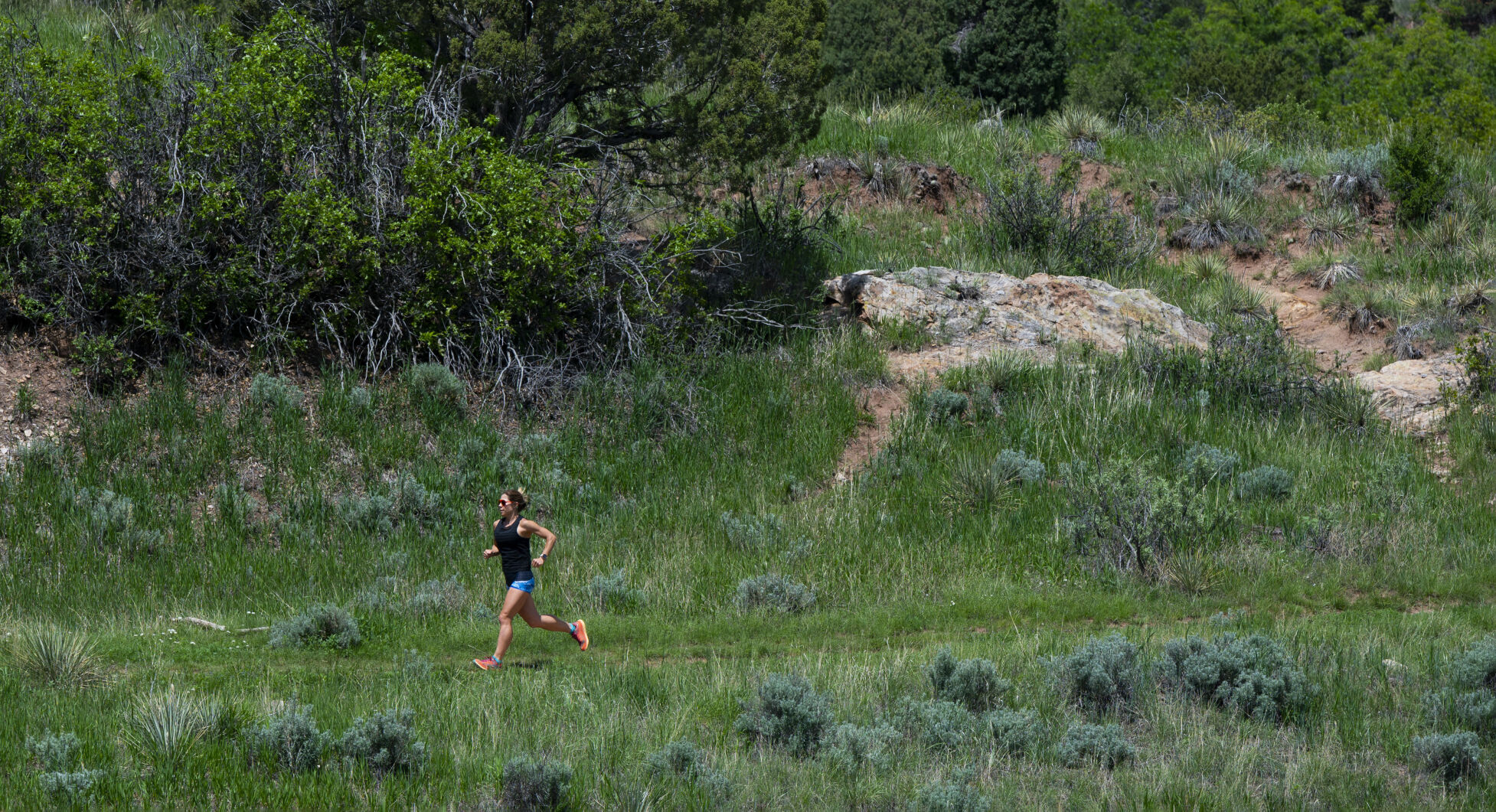
It’s but one high-profile, high-altitude race that has called to Walton since she moved to Colorado in 2017. Others: the Broken Arrow Skyrace, in which she placed 11th; the Pikes Peak Marathon, in which she placed ninth; and other top finishes in crowded fields of the Leadville Trail 100 and Ouray 50 Mile.
“Dreama Team” is the story of an amateur’s attempt to rise the ranks while raising her 7-year-old daughter. The film plumbs darker depths.
Walton was hesitant to share. But then she thought of people needing to know her story. She thought of her girl, Adelaide.
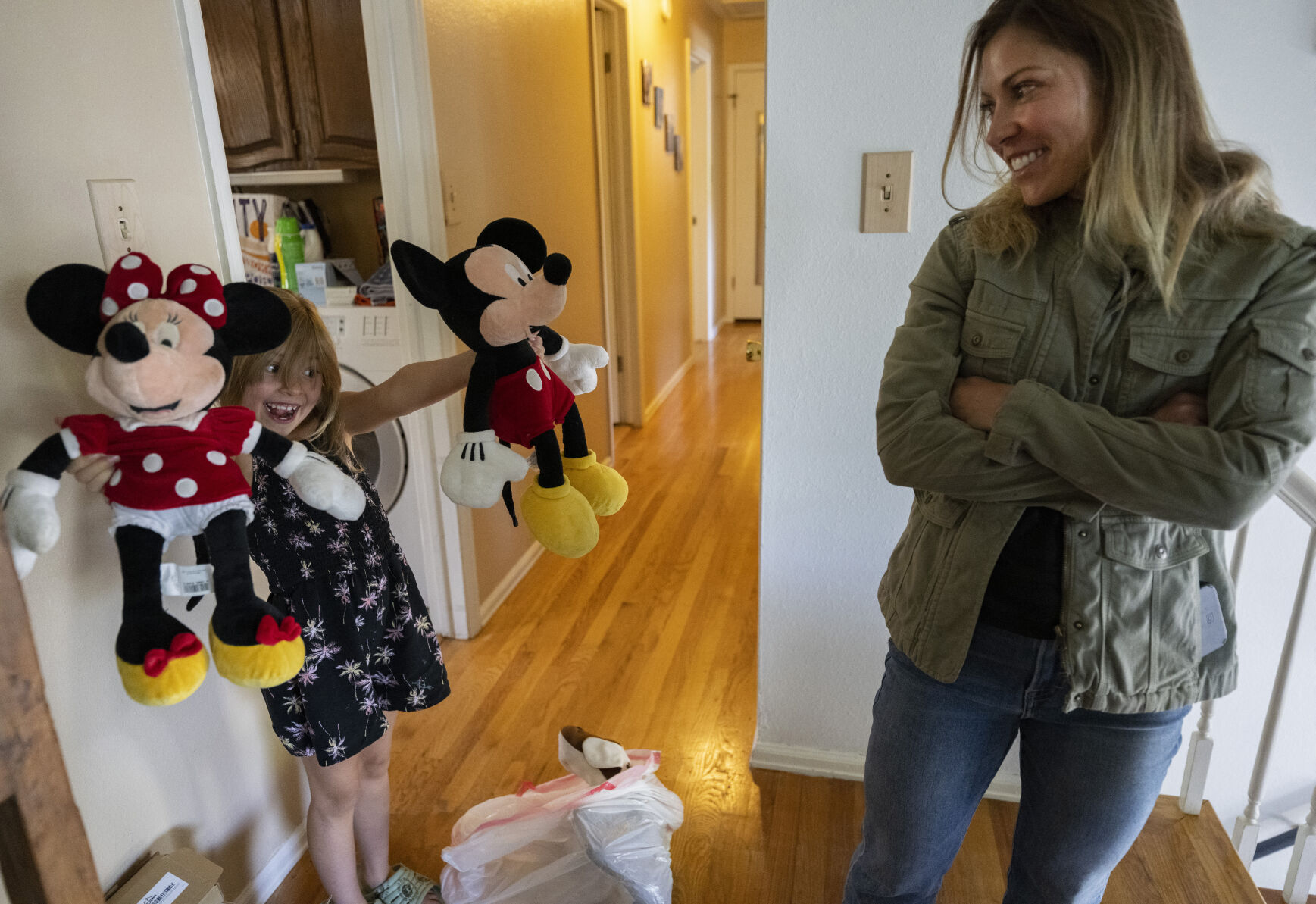
“I hope she sees that we’re not limited to what other people tell us that we are, and that we’re capable of doing so much more,” Walton says. “And that it’s OK to be uncomfortable, that it’s OK to suffer, and that we are so much stronger than what we think we are.”
It’s taken a lifetime for Walton to realize that. It’s taken the weight of many burdens.
Finding her path
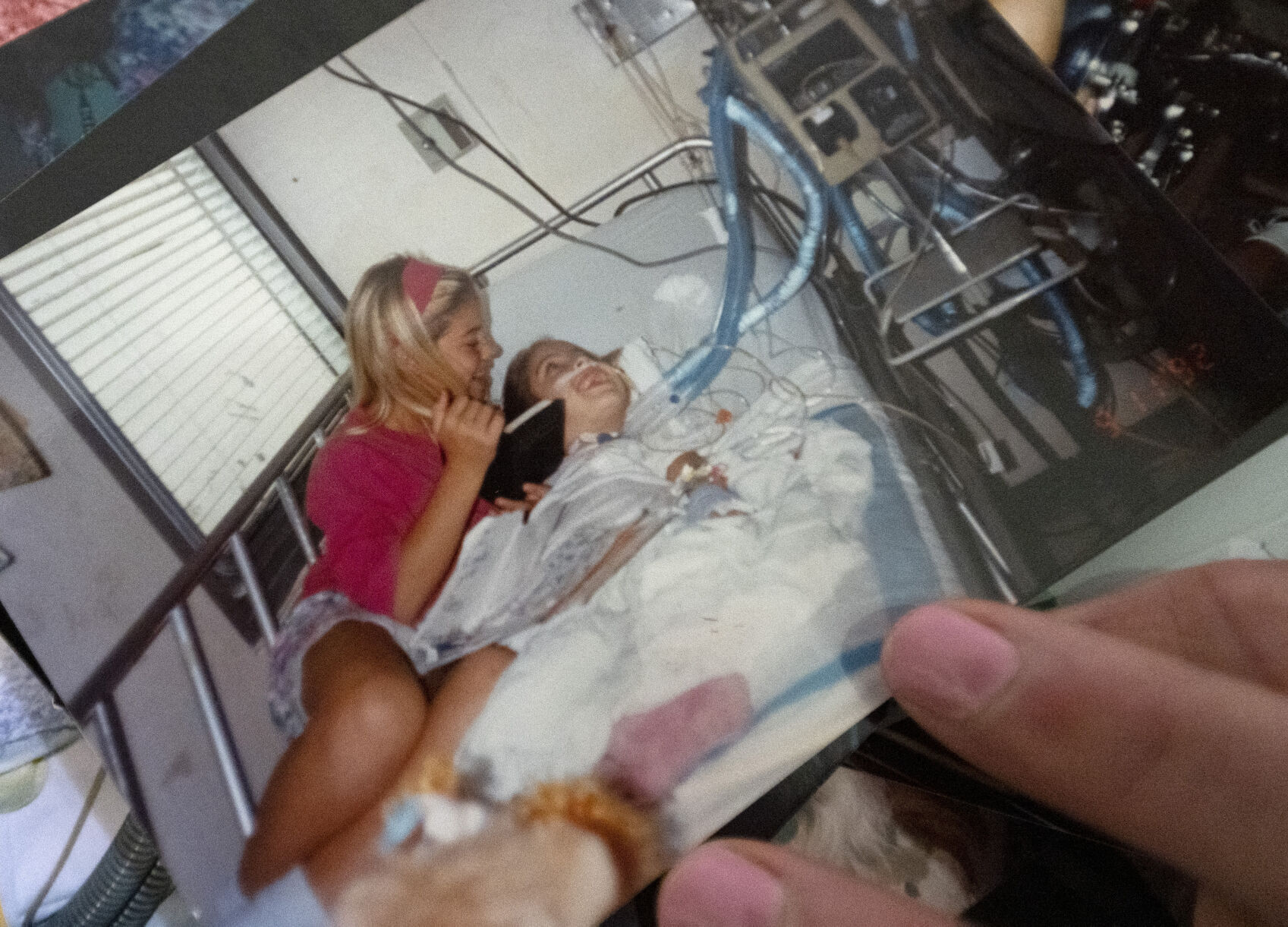
Walton would never call Desiree a burden. She was the sister who brought her joy, always smiling, even in these photos of the two of them as kids cuddled in a hospital bed.
Desiree was not a burden. But the complications from spina bifida became Walton’s responsibility at a young age.
At 11, Walton remembers coming home from school to learn that her mom was leaving.
“Dad was burning her stuff in the backyard,” Walton says.
From St. Croix, he moved the girls to rural Florida. Walton remembers him coming home late, smelly and slurring his words. She remembers how alcohol turned into much harder stuff. Eventually a woman came home with him.
“She did not want anything to do with my little sister,” Walton says. “Having her around didn’t reduce my responsibility. It made everything worse.”
Now there was fear, Walton says. Fear of what the woman would do if Desiree didn’t do as she was told and keep her head up. That was impossible and dangerous for the quadriplegic girl. Out of fear, Walton says, she’d whisper in her sister’s ear. ”Desiree, you gotta hold your neck up for just a little while …”
One day Desiree was found unconscious. She was rushed to the hospital. The situation resulted in her being admitted to a state-run facility, where she would remain.
Weeks later, Walton recalls, her dad announced they would be leaving Florida. Teenaged Walton at the time was working on a farm, picking watermelon and corn.
The farmer “knew about my family,” Walton says. “He said, ‘Dreama, don’t do it. You know if you go it’s gonna be so much worse. I’ll help you.’”
He helped her buy a little trailer, which would be her new home entering her junior year of high school. Also, her dad left her a leaking, beat-up Geo Storm car, which she’d drive to see Desiree as much as she could between work and school.
Fortunately, it wasn’t just the farmer on Walton’s side. There was also the Adamses.
“I think we were just kind of the quote-unquote normal family she was attracted to,” says John Adams, still at their home in Florida. “We fussed, but we loved and we laughed a lot. I think she just delighted in that, and we delighted in having her around.”
They delighted in her positivity, her wit and maturity; she seemed a good role model for the kids. They didn’t hear her talk about where she’d been. She seemed focused on the present — on schoolwork and her new passion.
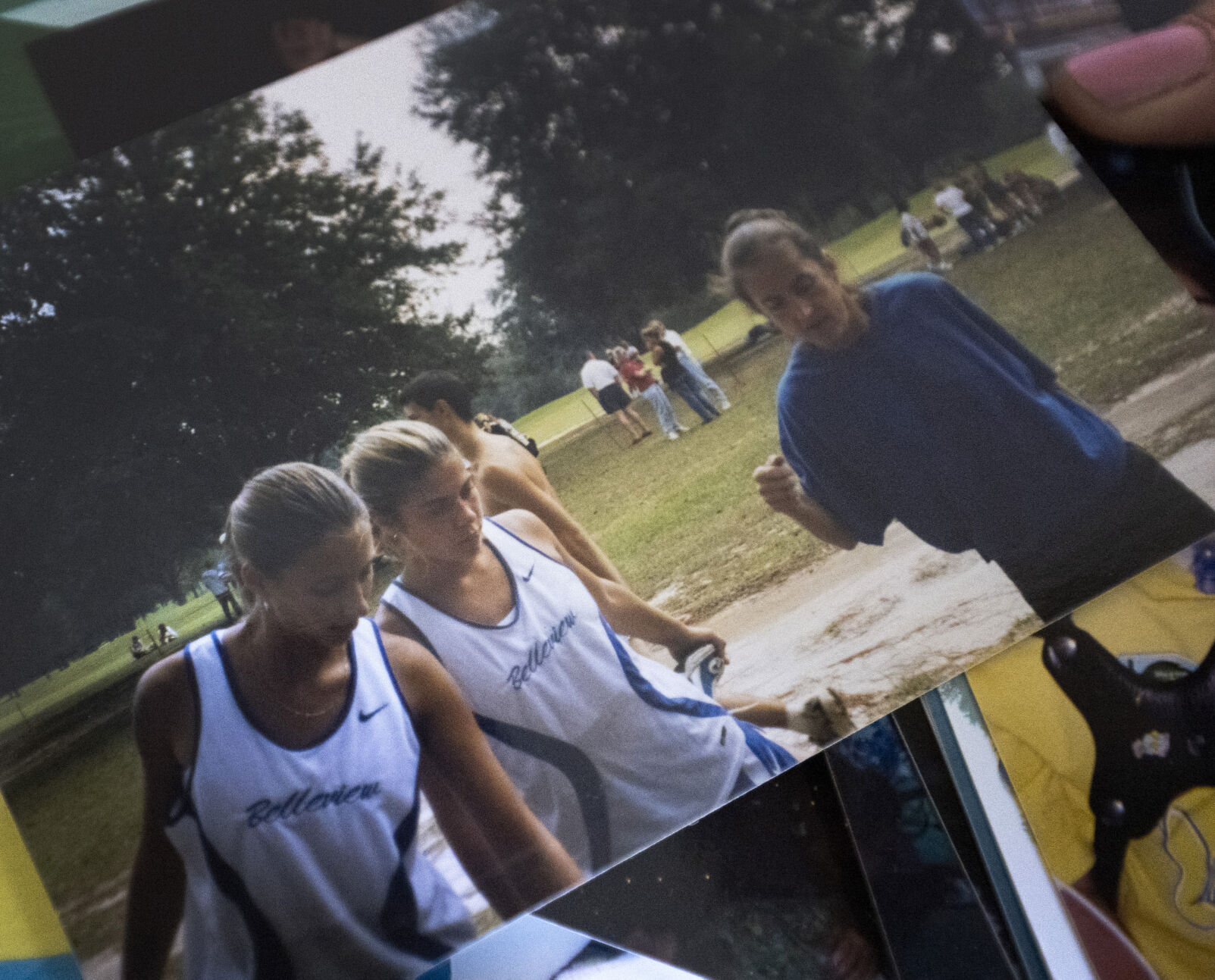
Walton had found her place on the track team.
Running “was an out for her,” Adams says, “and a way to work hard at something and reap the benefits. Everybody would tell you nobody worked harder or trained harder than she did.”
The more she ran, the faster she got and the higher she placed at the podium. Success had a way of making her feel like she was more than her past. Running had a way of taking her mind off everything, even sometimes her beloved sister at that facility, a source of tugging guilt for Walton.
Walton graduated high school in 1999. She decided to join the Air Force — “the best decision I ever made,” she says.
Those years showed her the world. They gave her the skills and education she needed for her career today in information technology.
But those years weren’t without more tragedy.
Hard departure
Walton started at Maxwell Air Force Base in Alabama. There she met Chief Master Sgt. Nathan Turner, who would become her mentor, a father figure in the absence of any other.
“Everything she did was done with a spirit of excellence,” Turner says. “It didn’t matter what the need was. Helping at a food bank, at a homeless shelter, soliciting funds to help those in need, Dreama was all over that.”
Amid that goodwill, her mind lingered on one she could not help back in Florida. She thought of her sister, Turner learned.
“Many times we prayed together,” he says. “I just reassured her everything was going to be all right.”
It would not feel all right at a later post in South Korea. Before going, she traveled home to see Desiree.
May 25, 2005. Walton would be seeing her sister the next morning.
“At 2:45 in the morning, I got a phone call,” Walton says. “They called me and said, ‘Dreama, your sister went into a coma. You need to get here quick.’”
Desiree never woke.
Relief in the hurt
In South Korea, Walton treated her grief and loneliness with alcohol. She met a man she would marry and later divorce.
Walton never stopped running. That would be the thing that made her feel better, she determined, not alcohol.
And later, living in Germany, she would take running to new heights — to the Swiss Alpine Marathon Davos, a nearly 50-mile sufferfest. In mountain running, Walton discovered a new joy.
She discovered another part of her soul. Adelaide was born in 2015.
“Being a mom, I immediately felt so much love,” Walton says. “It’s really hard to explain.”
It’s hard to explain something like trauma. Hard to explain what Walton felt when she was drinking too much, when one relationship after another ended, including with Adelaide’s father. It’s hard to explain a creeping feeling like continuing a family history of brokenness.
“It felt very present, like it was happening all over again,” Walton says. “But now it doesn’t feel quite like that.”
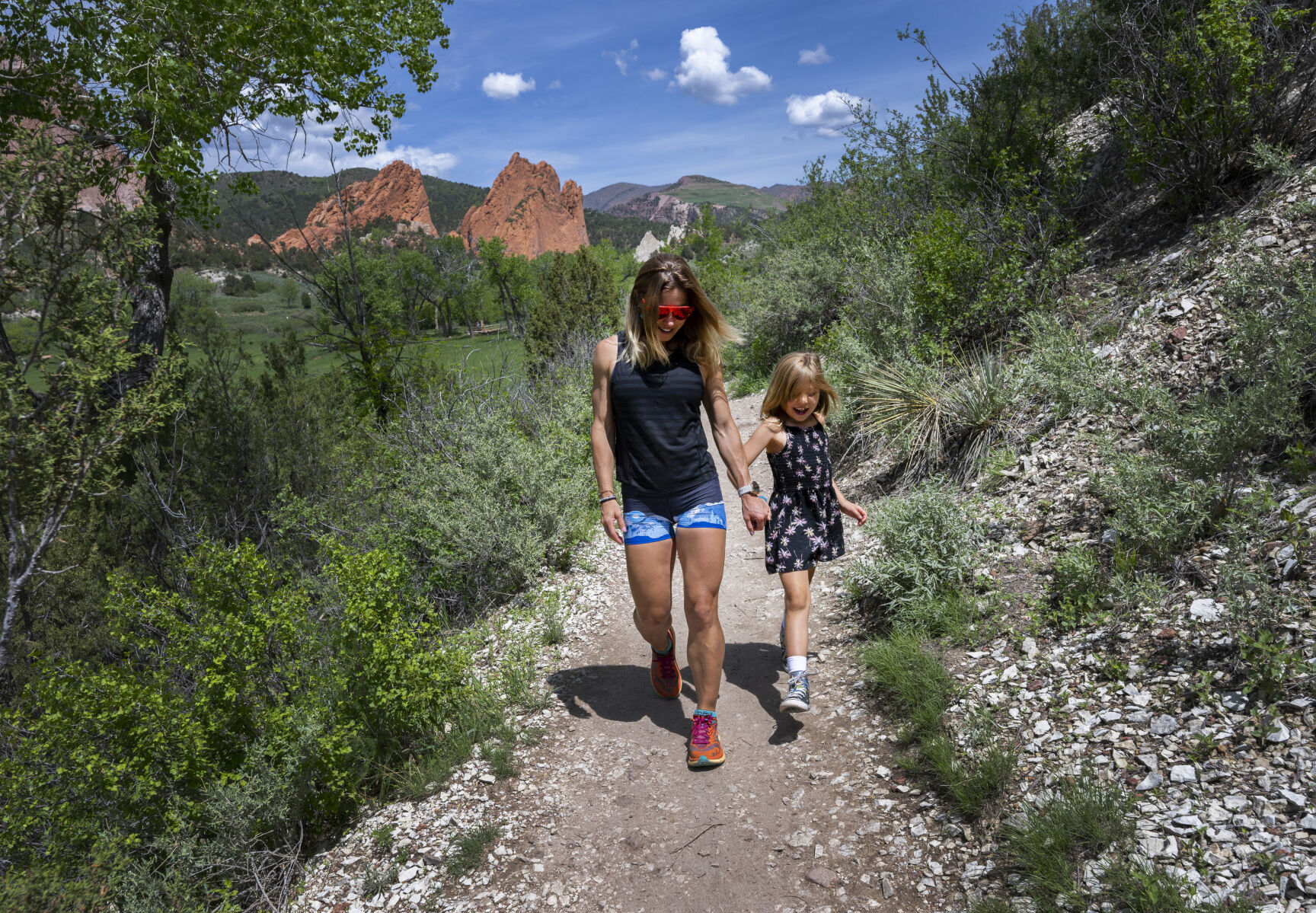
Now, she sees Adelaide working hard at the piano. “Mary Had a Little Lamb” was difficult at first, but Walton knew just how to encourage her. “If you want to be good at something, you really have to put in the work,” she told her.
Walton could draw on her more recent past in running for that kind of lesson. The deeper past still catches up to her.
Here are her little sister’s stuffed animals. But now, Walton doesn’t feel guilt as much as she feels gratitude for the time with Desiree. She feels inspired.
“She never got to walk her entire life, and there are a lot of people like that,” Walton says. “It’s such a privilege being able to move the way I do.”
Moving is how she gets through the worst thoughts. Thoughts like continuing a dark family legacy. “I think I’ll always have some residual abandonment issues,” she says.
But she knows better from therapy, she says. She’s stronger from that — and, of course, from running.
Running can be that relief for many kids, she knows. That’s the point of her nonprofit, called DreamaTeam Way. Starting this summer, she plans on hosting trail running camps for kids.
There are things to know about trail running, she might say. Such as what she says now: “Sometimes it’s hard, the pain is just overtaking.”
And that is when you find a way to keep going.

Get OutThere
Signup today for free and be the first to get notified on new updates.
PREV
PREVIOUS

Gas prices today: Where to find the cheapest fuel across the country
The fluctuation of gas prices is something most households are forced to deal with. As the 2024 presidential election slowly comes clearer into view, the economy will be on the mind of most, if not all, voters. The price at the pumps is one of the most direct and day-to-day pieces of evidence as to […]
Denver weather: Here comes the heat Monday around Denver
Sinkhole formed in Littleton, copious hail in Boulder