




Incredible journey: 54 fourteeners, 54 years, 2 lost toes, countless memories
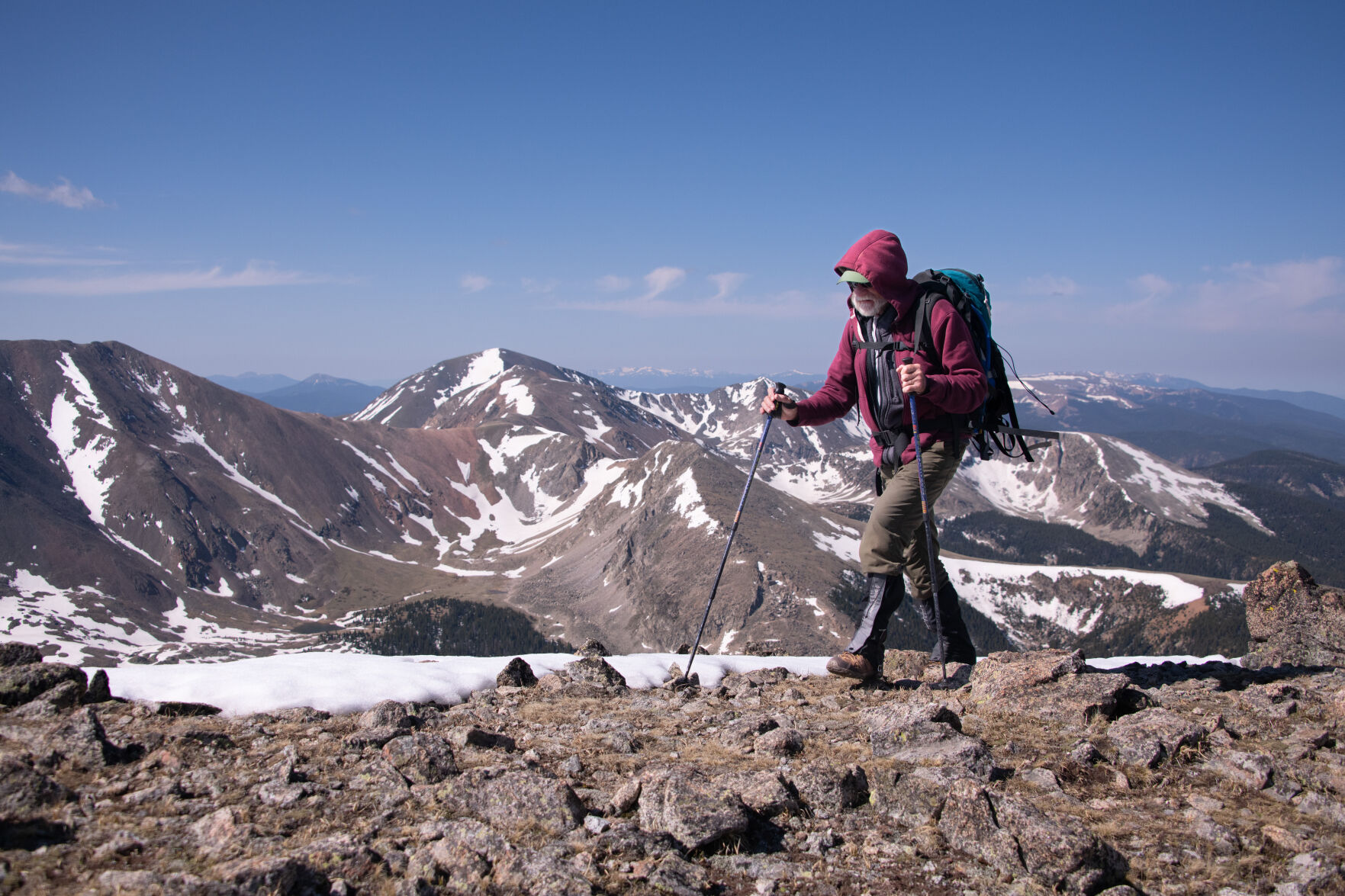
COSTILLA COUNTY • Despite a lifetime of exploring, Dan Crossey never thought he’d make it to this dot on the map. And, frankly, he was quite fine with that.
Crossey had, after all, stood atop Colorado’s grandest mountains, starting in 1969 with Humboldt Peak and finishing in style three decades later on the picturesque but too often perilous Maroon Bells. He’d come to know the Crestone Needle like the backs of his calloused hands, having made his way through the gnarly gullies more than 25 times. He’d skied several of the same peaks in winter and spring.
Except, when asked about bagging Colorado’s fourteeners, Crossey’s affirmative reply always included an asterisk: “ABC — all but Culebra.” That’s because Culebra Peak, the southernmost fourteener in the state, is on private land and has had restricted access since 1999.
As a proud Westerner, the thought of paying to hike what he believed should be open land “just kind of bugged” Crossey. Not to mention, as a proud Westerner, he was cheap.
Yet, here stands Crossey, waiting outside a locked gate on a crisp, cool June morning. He’s 70 now. His beard is gray. He’s eager to test his new knee. And he’ll do it on Culebra.
First impressions
Fifty years ago, mountaineering didn’t include much of a guidebook. Hikers simply trekked into the wild — without GPS devices, weather apps or 14ers.com.
In the winter of 1970, as a freshman at Colorado College, Crossey set off on a winter ascent of Crestone Needle. But he hadn’t checked weather reports. He didn’t realize temperatures would plunge to almost negative 40 degrees that day.
“We didn’t even make it onto the mountain,” Crossey recalls.
But the damage was done; his feet had frozen on the snow-covered trail. Crossey spent the next four months in a hospital, where he lost both big toes and portions of others.
Crossey learned plenty from that costly lesson. He bought better boots. He replaced old equipment. He carried around a copy of “Guide to the Colorado Mountains” by Robert M. Ormes. And he kept scaling the state’s highest peaks. Along the way, he encouraged close friends to join him.
Mark Reis accepted his invitation in 1983 with a trip up Mount Belford. One mountain soon led to another and then another as they averaged three fourteeners each year.
“I wouldn’t have even thought about it if he hadn’t made me realize how much fun it would be,” Reis says.
The mountaineering landscape before the turn of the century looked a lot different than it does today. Trails were not overrun. Large numbers of hikers were not common.
“A lot of our climbs, we didn’t see anyone,” Crossey recalls. “I don’t think we ever saw a crowd.”
Adds Reis: “We never thought twice about going on the weekend.”
Brush with death
Crossey never thought twice about going any day of the week. He loved the mountains. And he grew to feel quite comfortable there, no matter the season and no matter the peak.
Sure, he faced scary moments — such as the time he nearly got hit by a rock in a couloir or the times he “humped” across the Knife Edge on Capitol Peak. But it was hard to focus on the risk when the reward proved so satisfying.
“You always get away with it,” Crossey says of his mindset in the early 1990s. “Things happen, but they only happen to other people. The bullet always misses.”
On April 25, 1995, the bullet didn’t miss. Crossey and three other skiers were swept hundreds of yards down the east face of Pikes Peak by a “big, white tornado.” One of Crossey’s close friends, Bill Blair, died in the avalanche. Another friend fractured a femur. Crossey fractured a hip. The fourth skier was able to go for help, but the injured pair had to endure a frigid night on the mountain before being rescued by a helicopter the following afternoon.
“We shouldn’t have been on the mountain that day,” Crossey says. “We assumed it was safe.”
Crossey learned plenty from that costly lesson. Avalanche training is essential. Life is precious. And death is always possible on the mountain.
It’s a memory he’ll never forget. Crossey and a group of old friends still gather each year on April 25 to remember Blair and offer up a toast.
Mission complete
Memories of all kinds rush back to Crossey as he recalls his time in the high country. They are, of course, overwhelmingly positive. So many friendships. So many good times.
Crossey keeps plenty of pictures, plenty of scrapbooks. He pulls them out from time to time just to flip through the pages, windows to a rugged past.
Over lunch, he and Reis rattle off some of their mountain treks together: Sneffels in ’87, Sunshine in ’90, Handies in ’92, San Luis in ’97, South Maroon in ’99.
South Maroon served as a milestone for Crossey — ABC, all but Culebra. It served as a turning point for Reis, at the time a dozen or so mountains shy of his own ABC claim.
“I remember thinking, ‘Oh, I’ll probably do more someday,’” Reis says.
Someday didn’t come soon. With Crossey no longer encouraging him to go, Reis stopped climbing peaks. More than a decade passed. But eventually he bagged Pikes Peak with one daughter and Quandary Peak with the other.
In 2018, Reis again started crossing mountains off his list. But the process was slower, more onerous.
“There was always a point on any fourteener that I would think, ‘Why am I doing this?’ But it used to only last for about 10 minutes because, 10 minutes later, you’re 100 feet higher and the view’s better and, all of a sudden, ‘OK, now I remember, this is why I do it.’ But now, the ‘Why am I doing this?’ is like two-thirds of the day,” he says.
Reis, 65, thought about ending the quest so many times. Then, like Crossey 25 years before him, Reis kept going. Longs, Lindsey, Holy Cross, Blanca, Little Bear and, finally last summer, Crestone Peak.
One last climb
Outside the locked gate, Crossey and Reis munch on breakfast and listen to some final instructions before making their way onto Cielo Vista Ranch, the private land that’s home to Culebra Peak. It’s a day — and mountain — neither saw coming.
“I told my kids awhile ago that I didn’t think I’d ever climb it because I’d want to do it with Dan, and Dan didn’t want to pay,” Reis says. “And I’m cheap, too. I didn’t want to pay.”
Then, one Christmas, Reis’ daughters gave him $150 with the stipulation it be used for Culebra. And he did, footing the bill for Crossey. So 40 years after Crossey encouraged Reis to climb his first fourteener, Reis made sure Crossey could climb his last.
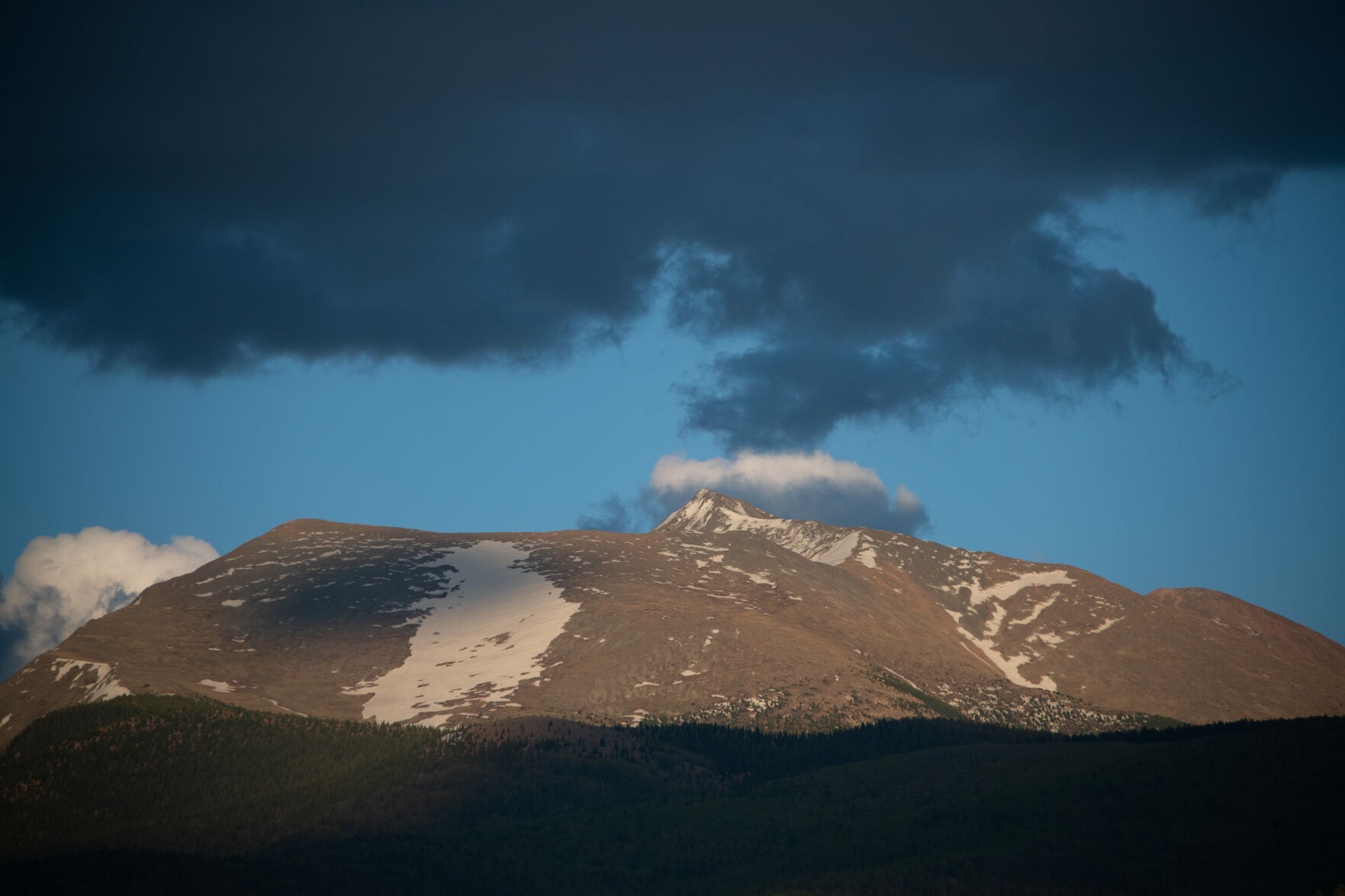
The climbing fee isn’t the only thing that sets Culebra apart from other fourteeners. There’s also no defined trail, and just one cairn stands to mark the way. Only select days are open to climbers each year, and crowds on those days are limited to 20 or so who book weeks in advance.
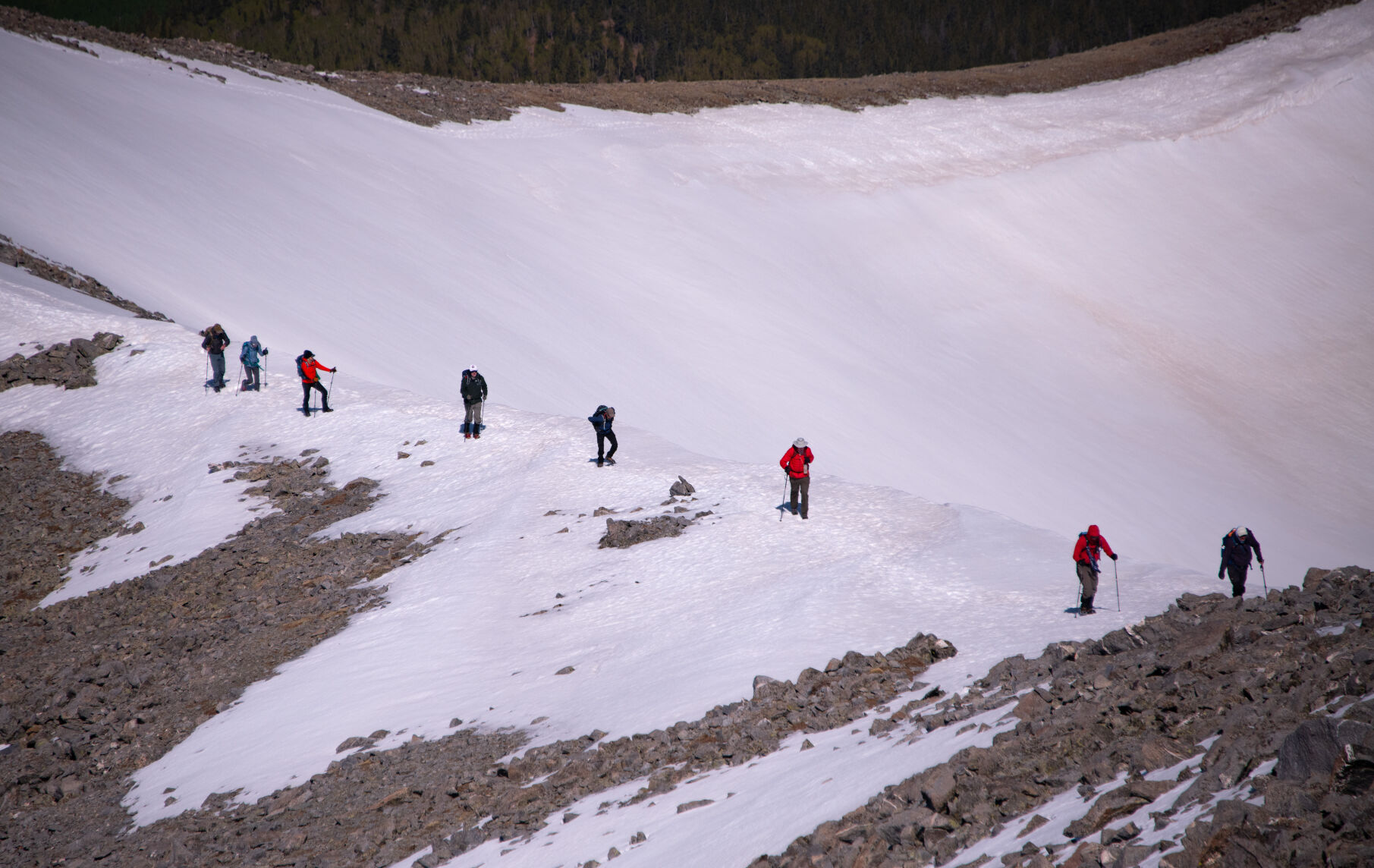
On this day, there’s a sizable group from Avon. There’s a couple from Nebraska steadily closing in on all of Colorado’s fourteeners. There’s a man from Kentucky doing the same to honor his late father. There’s an ultrarunner from Virginia chasing the summits of more than 100 peaks in the West. And then there’s two longtime friends from Colorado Springs sharing one final climb.
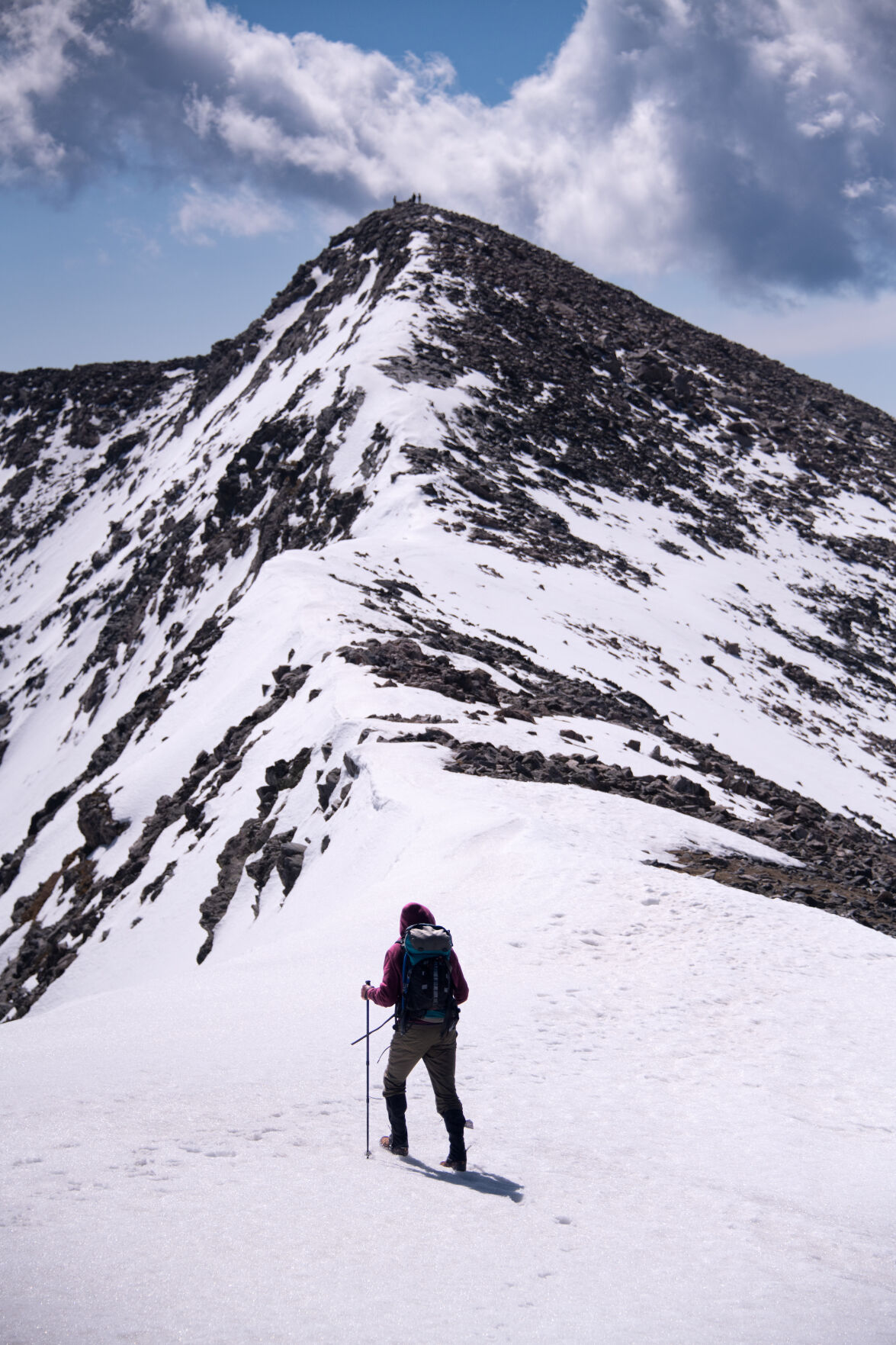
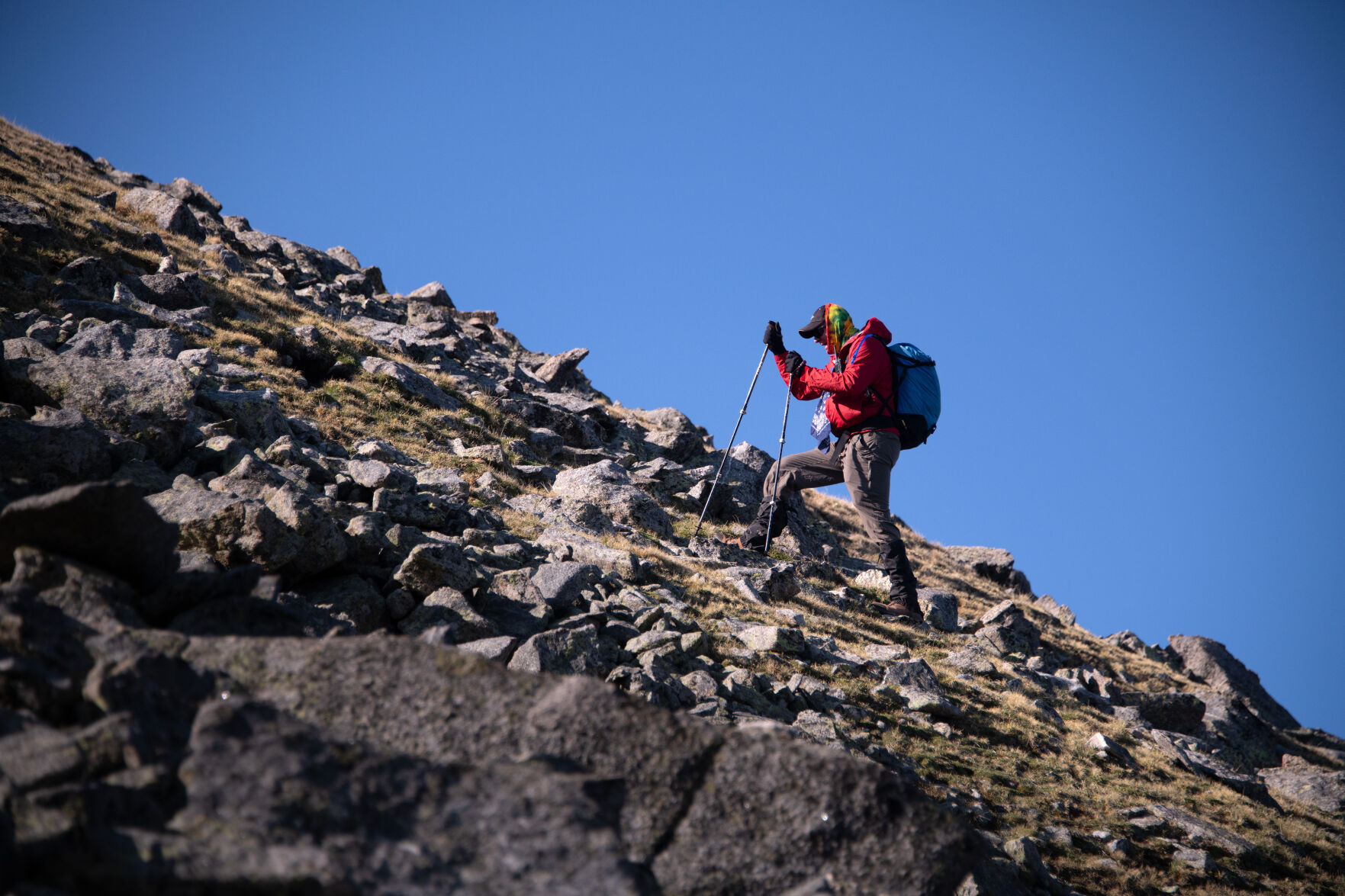
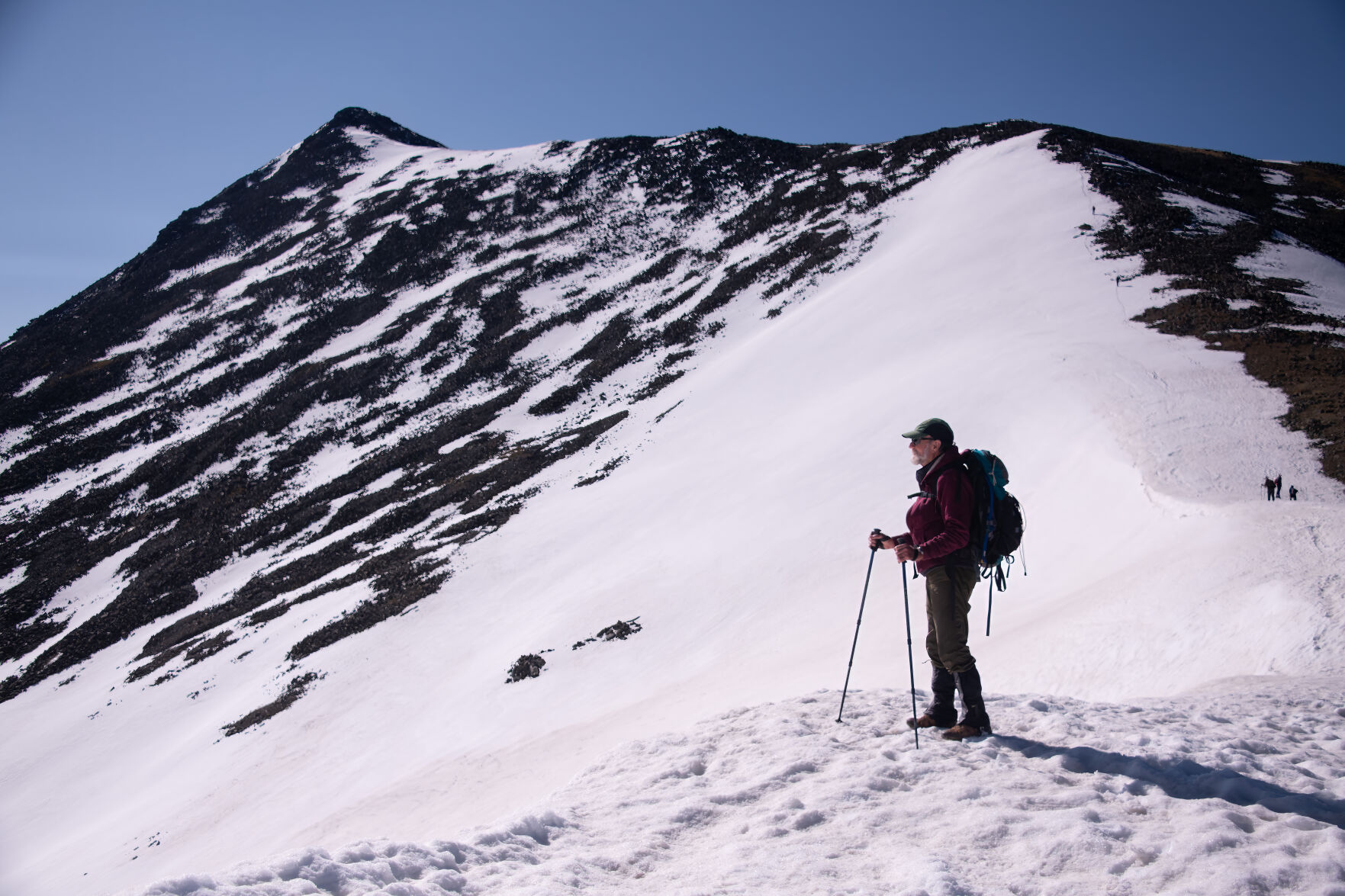
As the sun rises, Crossey and Reis switchback past evergreens and over thick clumps of grass to a ridge. They navigate small snowfields and large rocks. They stop for short breaks and then push on, first to the false summit and then to the top.
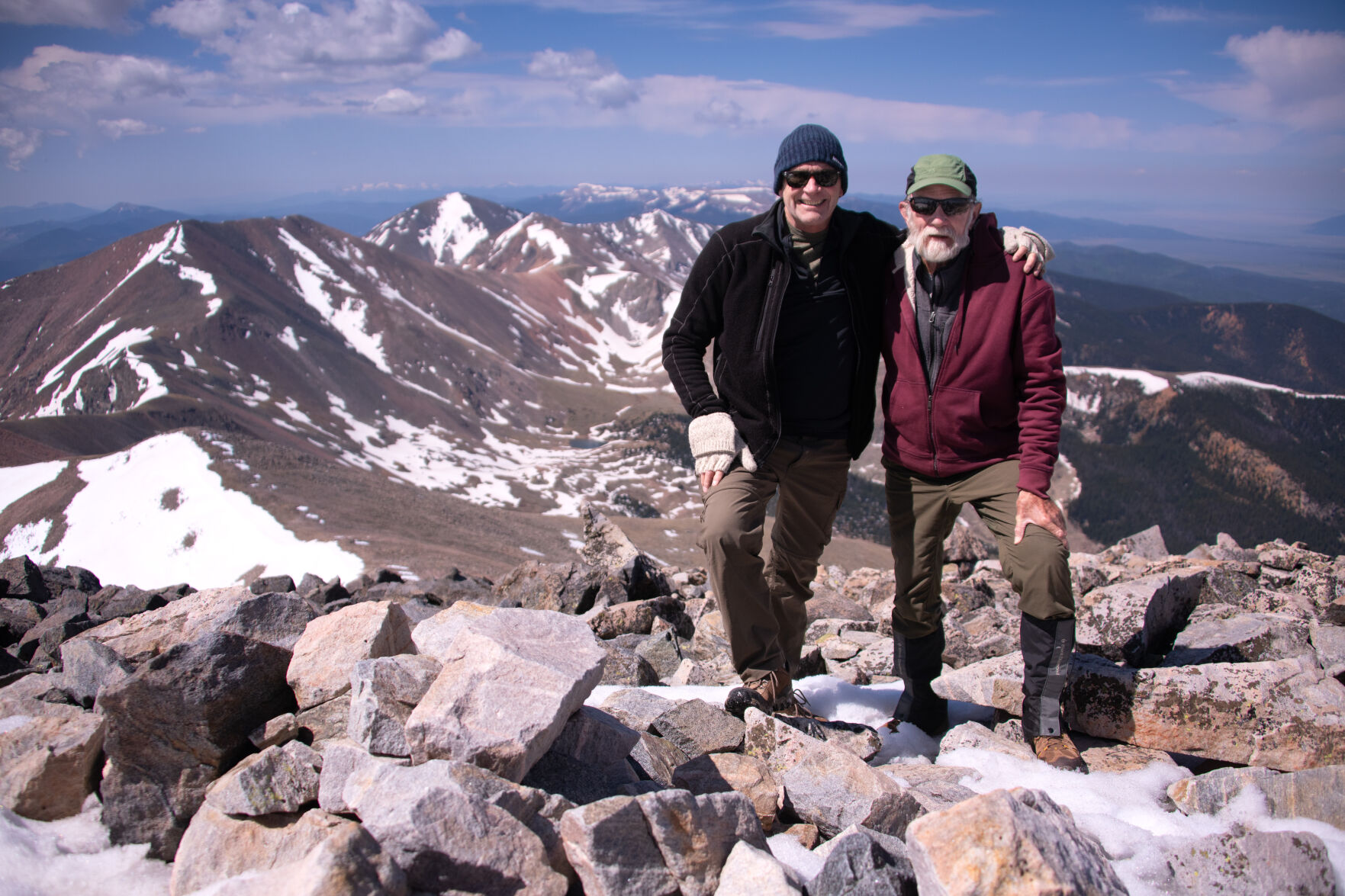
It’s a familiar feeling, one they’ve now felt on every fourteener in the state.
“Finally,” Crossey says.





Get OutThere
Signup today for free and be the first to get notified on new updates.
PREV
PREVIOUS
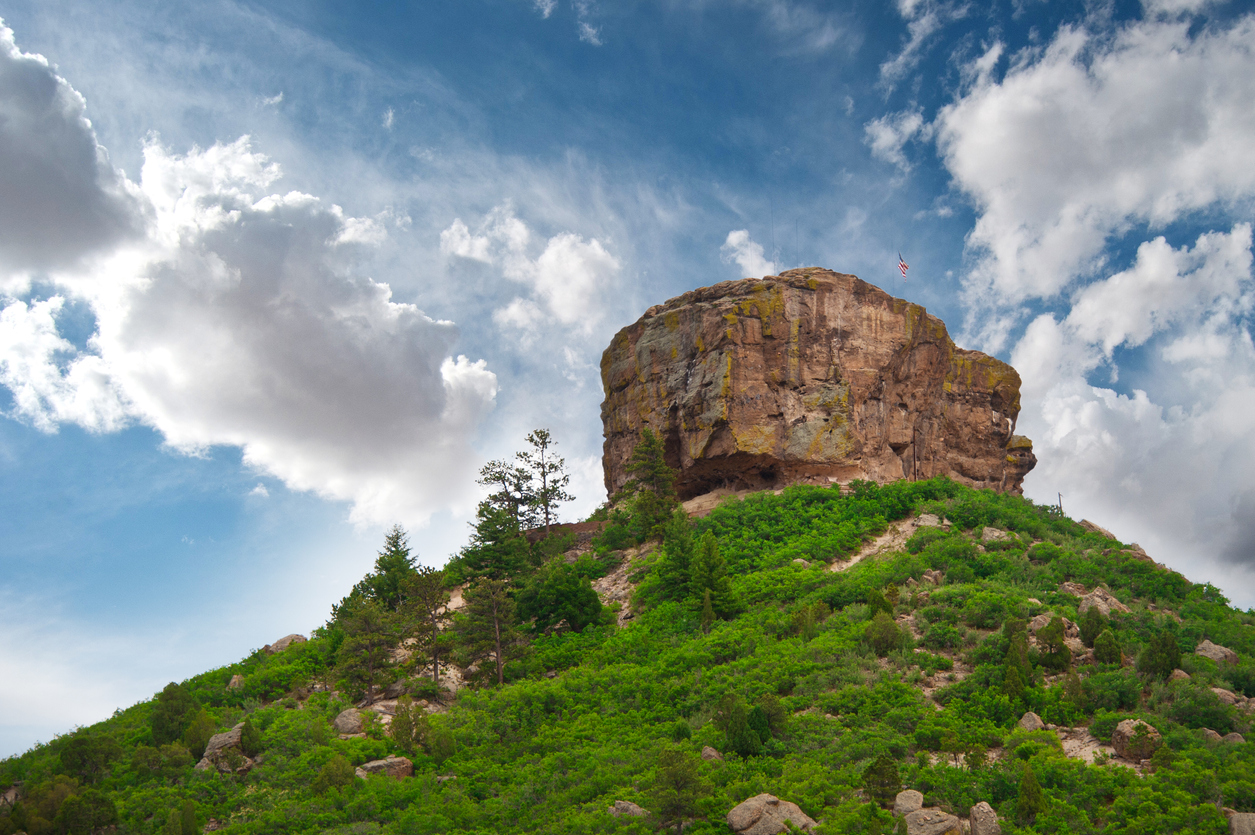
1 dead in fall from iconic Colorado rock
One man is dead following a fatal fall in Castle Rock’s Rock Park Tuesday night, according to Castle Rock town officials. According to a post on social media, officials with Castle Rock Fire & Rescue were called to Rock Park at 8 p.m. Tuesday after a witness had reported a man had fallen while climbing […]
Dan Crossey completes Culebra Peak
Last month, Dan Crossey accomplished the feat of conquering Culebra Peak, making him the official completer of all 54 fourteeners in Colorado. Crossey climbed his first fourteener 54 years earlier and always thought he’d remain a member of the ABC (All But Culebra) club. (Video by Nathan Van Dyne/ The Gazette)