




Looking back on Ouray Ice Park’s 30 years — and ahead to uncertain future
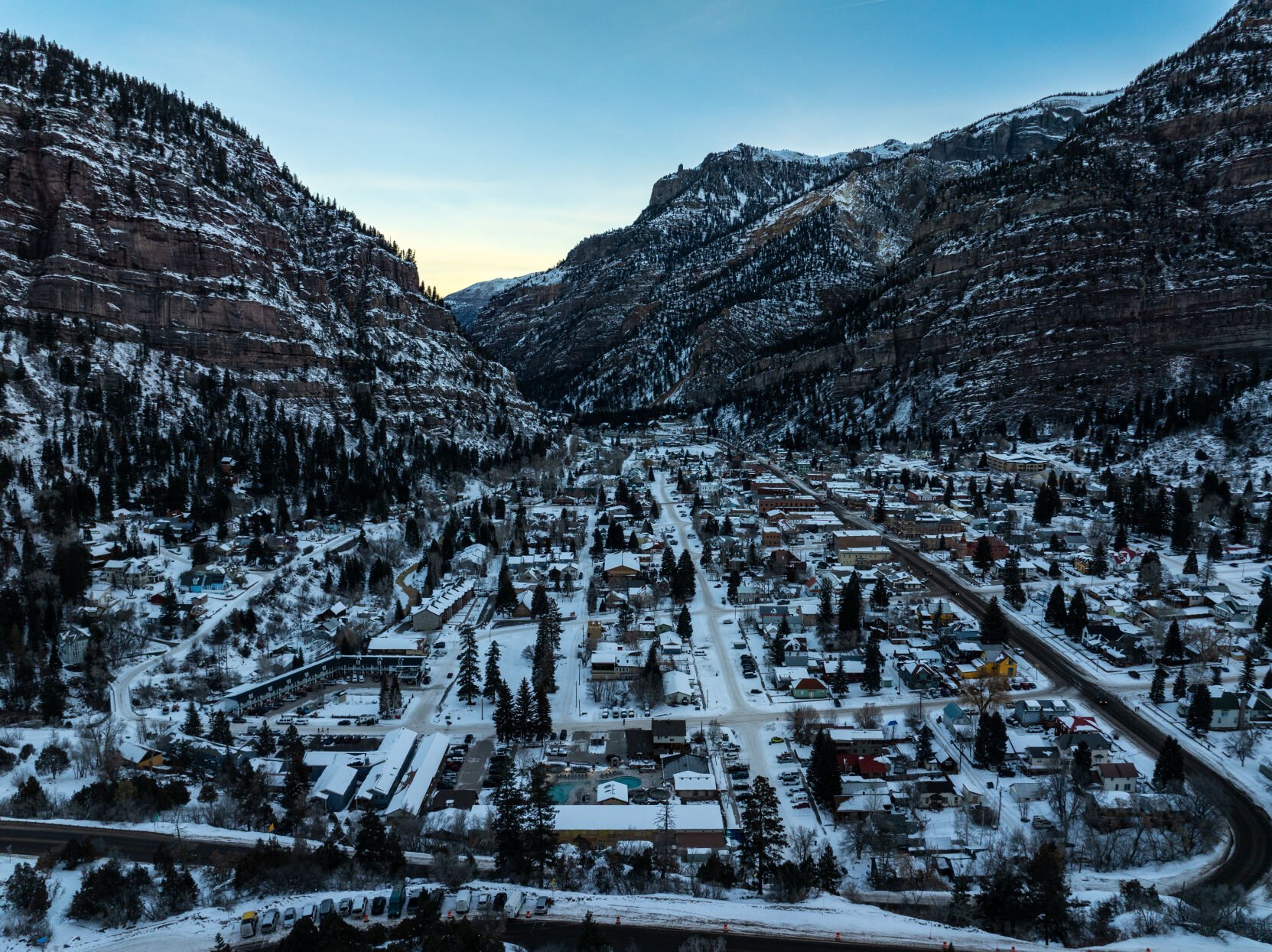
In the mid-1990s, from his previous home in Steamboat Springs, Mike Gibbs was hearing about an icy realm unlike any other growing in a rocky pocket of southwest Colorado.
“The word was there was some man-made, farmed ice park down in Ouray,” Gibbs recalled, “and there was a bunch of different climbing.”
He arrived in the winter of 1995. He never left.
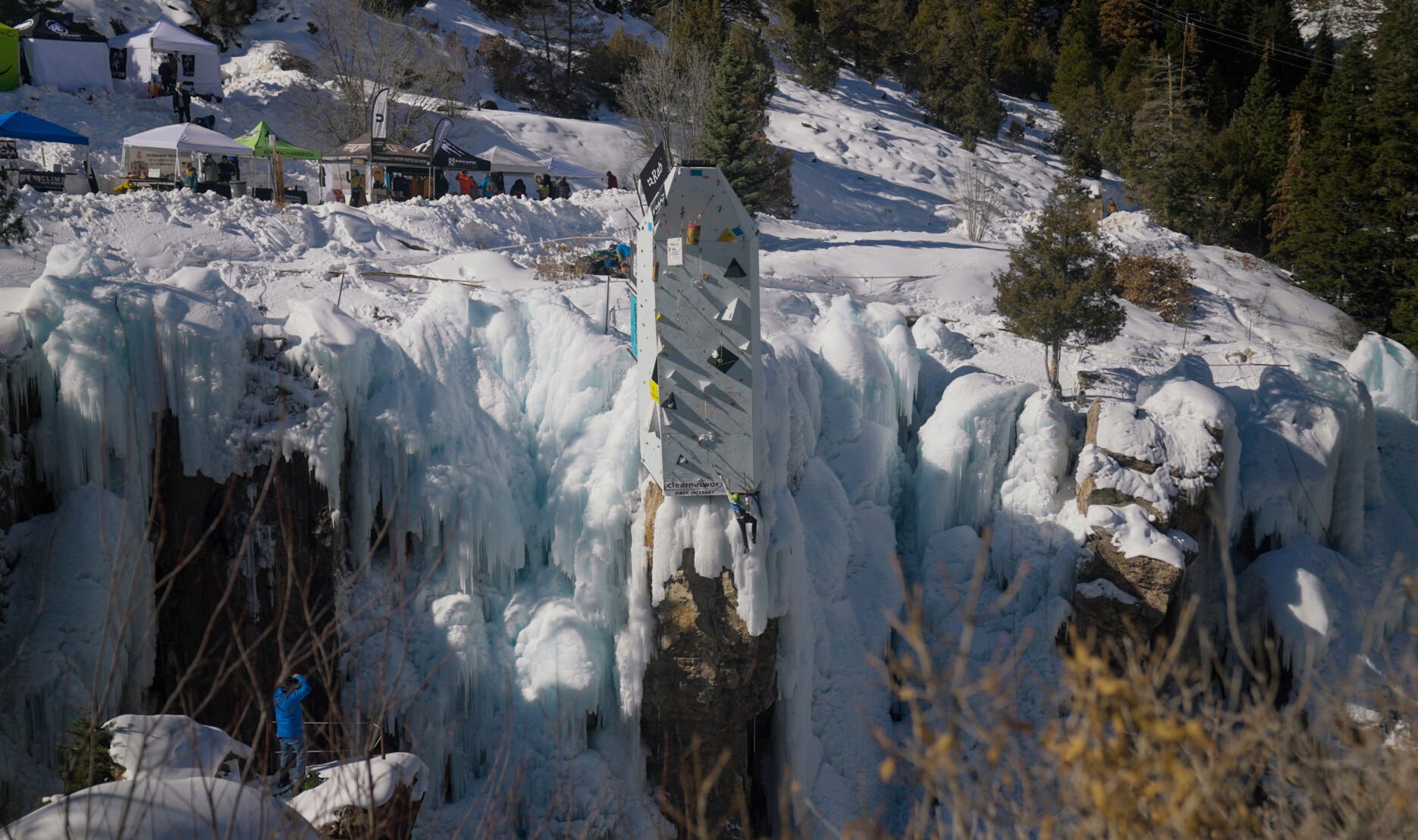
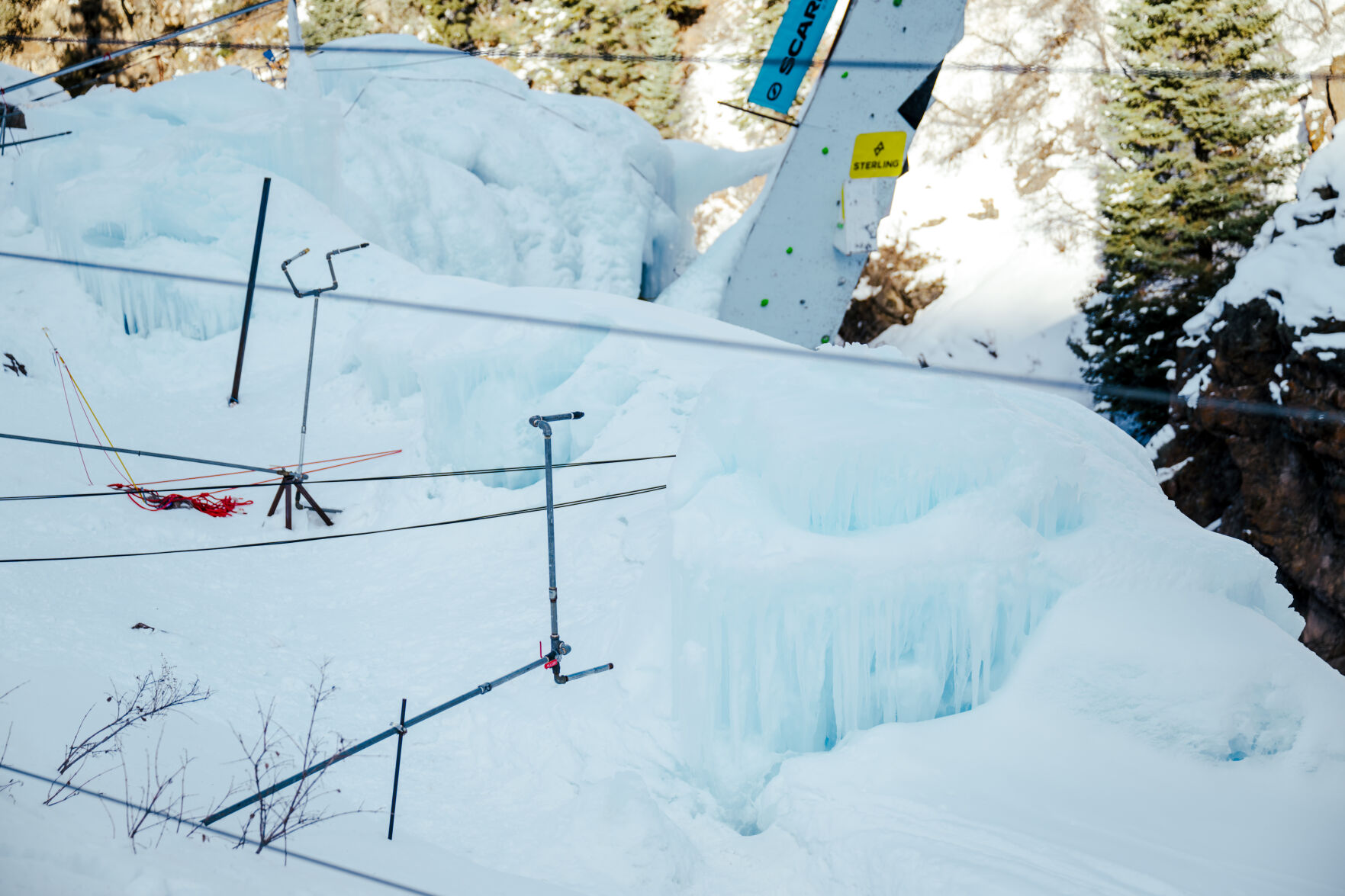
This was the captivating power of the Ouray Ice Park even back then, back when the scene was just taking shape in the Uncompahgre Gorge: Gibbs and scrappy volunteers pieced together boardwalk, pipes and shower heads high along the cliffs, for water to be sprayed and frozen into towering curtains for climbing. Initially, garden hoses were used.

“It was at a time when it was in its infancy,” Gibbs said.
Thirty years later, Ouray Ice Park has become a bustling, international attraction.
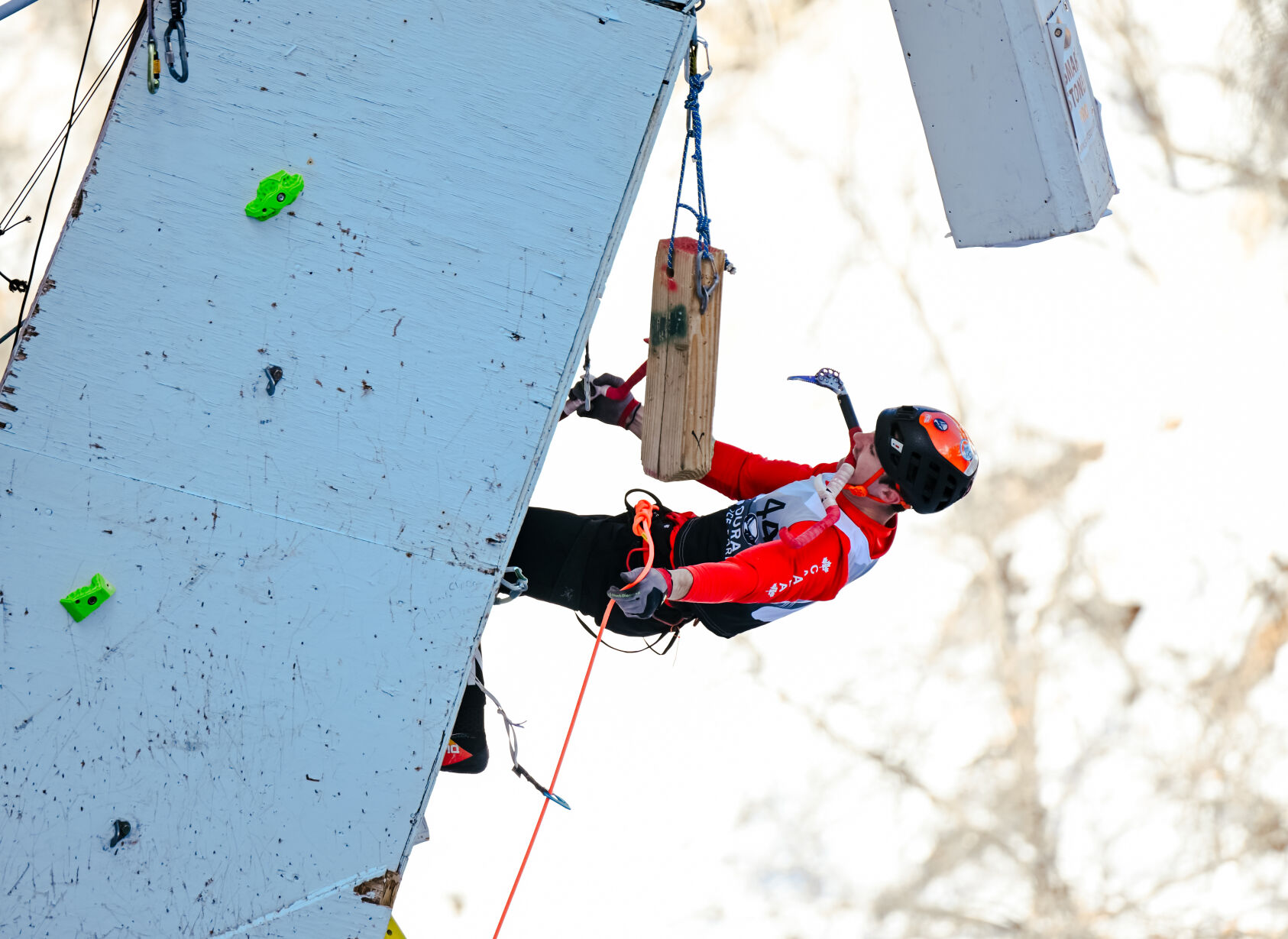
That was on full display recently at the milestone celebration of the Ouray Ice Festival. Once again thousands of climbers and spectators flocked to the gorge at the end of Main Street — to the venue considered one of the sport’s greatest in the world.
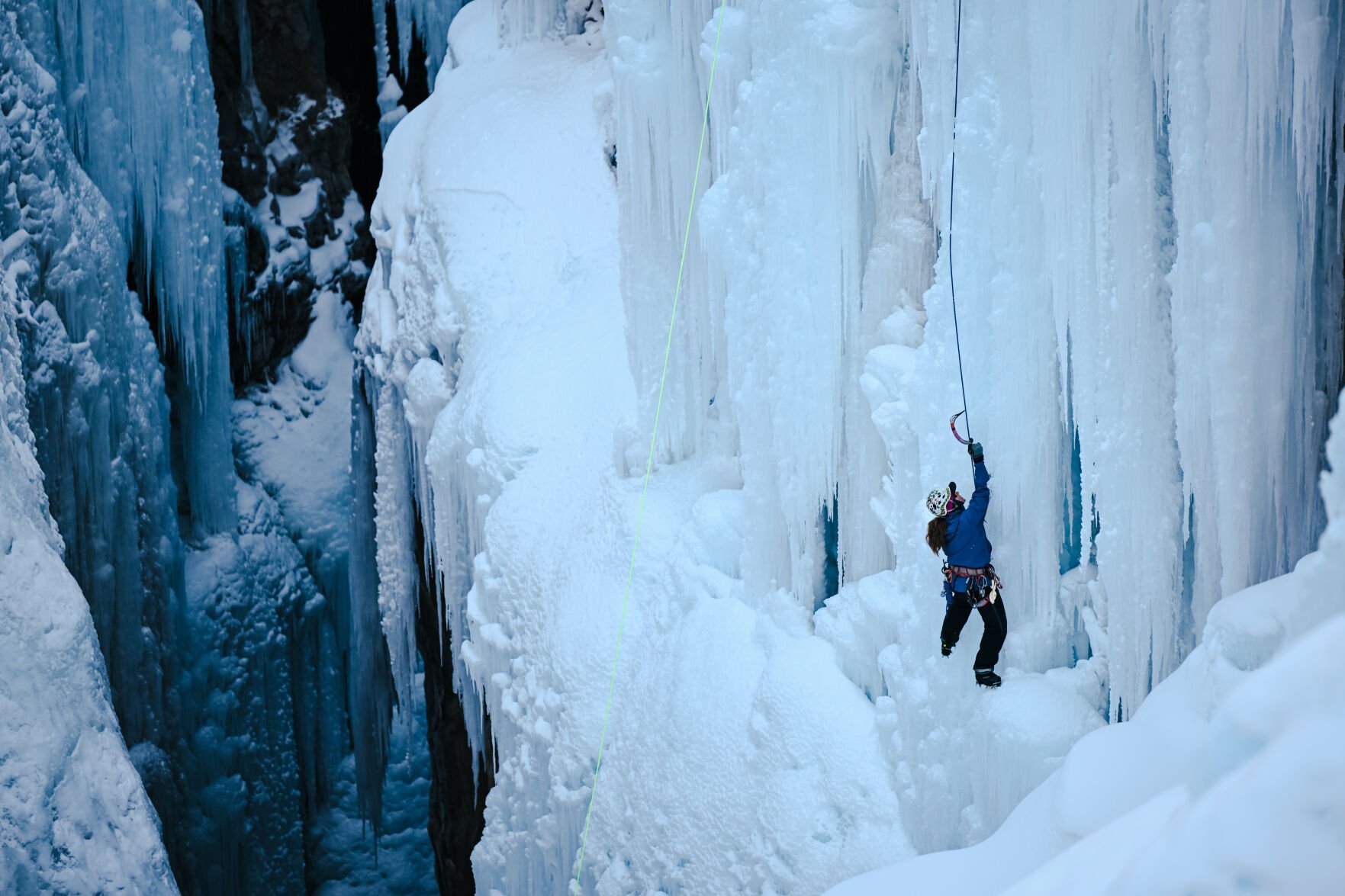
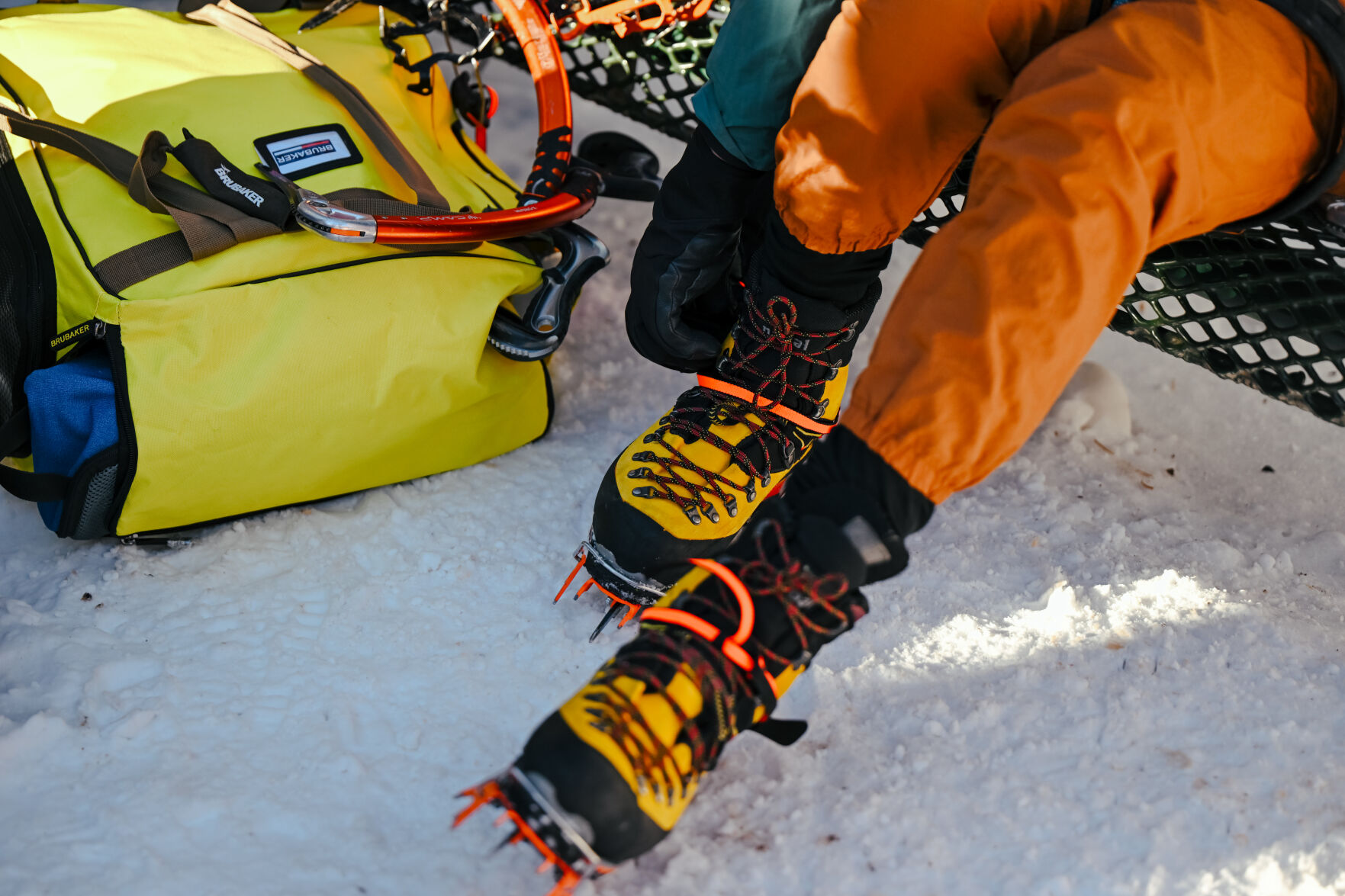
The couple of dozen routes formed at first by Gibbs and fellow volunteers are now more than 200. And where an old mining town’s main street was once dark and silent in the winter — “essentially Rip Van Winkle-Ville,” reads one account — now shops and restaurants fill with a clientele clad in colorful jackets and particular, high-top boots.
It’s all thanks to an unlikely idea about 30 years ago.
“We had no imagination it would do this,” Eric Jacobson said.
But the vision was there: an attraction to bring business in the dead of winter. It would bring business to a hotel owned by Gary Wild and Bill Whitt, as the two thought. But this would depend on Jacobson’s willingness.
Jacobson owned the hydroelectric plant and the connected penstock that spanned across the cliffs of the gorge. For years, climbers had been taking advantage of the water leaking and freezing over the walls — leaking by accident or not. Jacobson had his suspicions.
“A few holes had some .45-caliber augmentation to them now and then,” he said. “And the leaks always seemed to be in the place where it was most useful for ice climbing.”

The climbers were staying at Wild’s and Whitt’s hotel. They didn’t seem to be helping the situation. Wild especially rubbed Jacobson the wrong way.
“He was kind of a jackass. He was a pretty aggressive lawyer,” Jacobson said. “And then one summer day, he was walking down my driveway with a six-pack of beer.”
Wild wanted to talk. “He started out pretty bluntly,” Jacobson said. “‘I know we’ve not always gotten along, but I’ve got an idea I want to talk to you about.’”
Wild had the legal chops to make it work: He would sort out complex land and water use issues to farm ice over the gorge, and through the Colorado Recreational Use Statute, he would sooth Jacobson’s concerns over liability as a property owner.
Not every such property owner took comfort in the statute’s protections then or in the years to come. It would be revised in 2023, following a multimillion-dollar lawsuit that most notably inspired a landowner to bar hikers from a popular 14,000-foot summit.
Jacobson “was the key for sure, no question about it,” Gibbs said. “In our litigious society, it’s pretty rare to have a benevolent landowner like that.”
Throwing up “no trespassing” signs was not in Jacobson’s nature.
“I grew up on an Eagle County ranch, and if the neighbors wanted to cross your place to go hunting or play in the forest, fine. And we went across theirs and everybody got along,” he said. “It’s only when out-of-staters came and started putting up ‘no-trespassing’ signs all over.”
Jacobson agreed to Wild’s idea with a handshake and another beer. Then he watched the two hotel owners go to work.
Wild and Whitt started with garden hoses that would freeze, be thawed down at the hotel’s hot tub and hauled back up again.
“There was a lot of trial and error,” Whitt said in a history posted to Ouray Ice Park’s website. “Nobody had done anything like this before. It was a grassroots effort personified. And it was also a pain in the ass.”
But Gibbs and fellow volunteers kept at it. They pooled funds for more sturdy, sophisticated plumbing. They split their time in the freezing, overnight hours spraying water.
More funds and helping hands were needed. This led to the first Ouray Ice Festival, a gathering to attract national-level sponsors and inspire climbers from near and far to get involved. The festival was started by Jeff Lowe, the late climbing pioneer who had left other marks in the surrounding San Juan Mountains.
In 1997, Ouray Ice Park Inc. was established. The nonprofit would further formalize the operation, raising funds to pay for better infrastructure and staff, including ice farmers and safety rangers.
Another primary aim early on: growing the relationship with the city.
As it still does now, the park depended on whatever “overflow” water that was deemed available from the municipal supply. Some around town doubted a returned benefit.
The park “was a bit of a hard sell at first,” said Gibbs, the nonprofit’s first vice president. “There was this sentiment like, ‘Really? Who’s coming? A couple bearded guys in the Westfalia VW van parked on the side of the road? That’s not gonna bring any economy to Ouray.’”
But businesses were desperate. Businesses like Tamara Gulde’s gift shop on Main Street.
“The joke years before was that you could just lie in the middle of Main Street on any given day, and you wouldn’t have anybody running you over,” Gulde said. “There was nothing going on.”
The bearded guys sleeping in their vans were increasingly joined by well-to-do climbers traveling from the Front Range and other countries.
In recent years, Ouray Ice Park Inc. has estimated 20,000 climber days a season, which might last three months. A study found the ice park generated $17.8 million in spending during the 2021-’22 season.
“We like to say the ice park is to Ouray as the ski hill is to Telluride,” said Peter O’Neil, executive director of the managing nonprofit.
The growth is both inspiring and concerning to Gibbs, who has remained involved over the decades.
“People are really counting on it now,” he said. And he worries about the risk.
The park, after all, counts on winter’s cooperation.
“I remember the ‘90s being real winter,” Gibbs said. “We didn’t think of it then. But as we got into the 2000s and 2010s, and we were fighting temperatures to make ice climbs, we realized those were the salad days.”
In those days the ice park was often ready and open before Thanksgiving. “We haven’t sniffed that in two decades,” Gibbs said.
Seasons have been complicated by water availability — that “overflow” availability determined by the city. “We used to run 24/7 in the early days,” Gibbs said. Now ice farmers are commonly ordered to stop during some of the most ideal ice-making nights, meaning later starts and earlier ends to seasons.
Dry years have meant less water, and more residents and tourists have meant more demand. Also considered is this age of wildfire that demands a steady supply for emergency fighting.
Water for a major economic driver is important as well, said Gulde, who sits on Ouray’s City Council. “The park does matter to the town,” she said, “and we’re hoping to sustain it even with drought, which is a big concern.”
The nonprofit is looking elsewhere for sustainability. Over the years leadership worked out a deal to secure water rights from Ouray Silver Mine — a supply seen as a major increase.
For building a pipeline, $1.2 million has been raised, O’Neil said. He said another $200,000 is needed to finish the long-going “Our Water, Our Future” campaign.
The campaign is the latest focus of the nonprofit, which operates on a budget funded by memberships, local business and corporate sponsorships, grants and donations.
“A little more than half is (for) salary or compensation,” O’Neil said. That includes four rangers and four ice farmers — “the unsung heroes of the park,” O’Neil called them.
It’s a question always rising in his mind as the cost of living rises and the housing crisis firmly grips Colorado’s mountains: “How do we keep our farmers and rangers around?”
The park has always been free to climb, a point of pride. “But that doesn’t mean it’s free,” Gibbs said.
“There is, in my opinion, probably a practical limit to how long that could be sustainable. That’s my concern for the park. As it gets really busy, it’s like running a medium-sized business. At some point, there’s probably gonna have to be some offsetting revenue stream. And if it means charging climbers, that opens up another pickle in terms of liability and those kinds of things.”
Amid all the worries, they were hard to find at the 30th Ouray Ice Festival.
The weekend of competition and clinics always includes a dance party, usually inside some packed, limited space. This year there were large tents.
“More of a block party,” O’Neil said. “Free and open to everyone, so that everyone can be a part of it.”





Get OutThere
Signup today for free and be the first to get notified on new updates.
PREV
PREVIOUS
Happy Trails: A great Colorado Springs mountain escape no matter the season
One way to avoid mud during mud season in Colorado Springs? Embrace the snow. Snow, rather than mud, packs certain corridors of our mountains. For example: High Drive, running between Bear Creek Cañon Park to the uppermost reaches of North Cheyenne Cañon Park. This is the historic, scenic drive that is a drive no more. […]
Snow for Colorado via 'Pineapple Express' forecast over the next 10-12 days
Whiteout snow report