




NASA picks Lockheed Martin to develop lightning mapper for $300M
Part of it will be developed out of the defense and aerospace contractor's Waterton Canyon campus in Littleton with the GeoXO weather satellite.

The nation’s next generation of lightning-detecting technology will be partially built in the metro Denver region.
NASA announced Wednesday it awarded a contract to Lockheed Martin for nearly $300 million to develop a lightning mapping instrument. It will be developed out of the defense contractor and aerospace giant’s Littleton campus in Waterton Canyon, Sunnyville, Calif., NASA’s flight center in Greenbelt, Md. and the Kennedy Space Center in Florida.
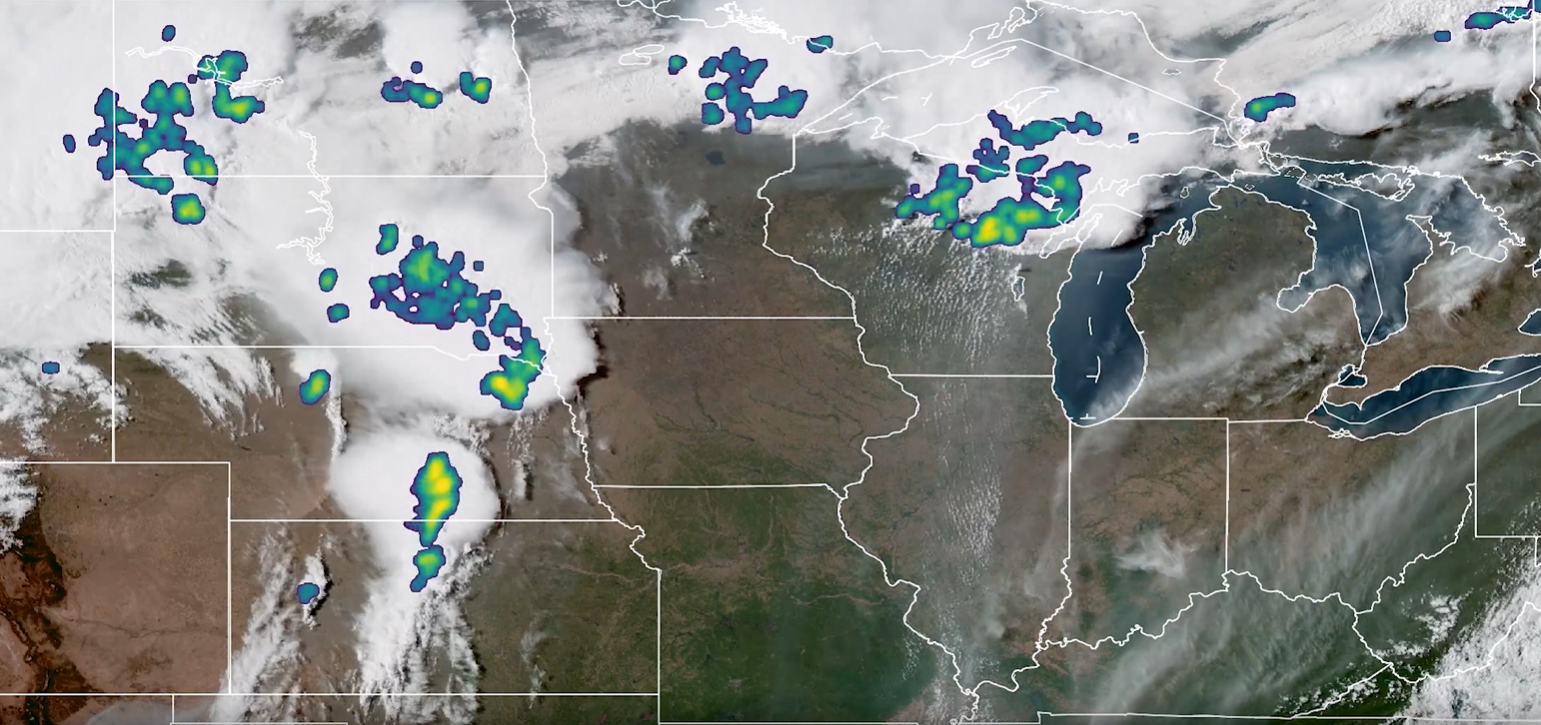
The lightning mapper will be part of NASA’s GeoXO satellite program, the nation’s next series of extreme weather satellites also being developed by Lockheed Martin. The GeoXO Lightning Mapper would be able to detect and locate a lightning strike and measure its intensity.
The U.S. space agency awarded the contract on behalf of the National Oceanic and Atmospheric Administration, or NOAA.
The data would be used to increase warning times ahead of severe storms and help locate areas of potential lightning activity. It can also help with hurricane intensity predictions, detecting wildfires and estimating rainfall.
Matthew Mahlman, Lockheed Martin’s weather director, said in a news release the improved lightning mapper can detect 25% more lightning pulses.
It will also have a wider view of the Western Hemisphere, including Alaska, and better spatial resolution and faster imaging of lightning activity, according to Lockheed Martin.
“This advanced technology will give meteorologists a tool to create greater lead time in alerting people to severe storms and dangerous weather situations such as rapid intensifying hurricanes,” Mahlman said.
NASA said the technology deployed above Earth’s orbit could help fill gaps in data collected by local sources, especially in rural areas, mountainous regions or over oceans.
Lockheed Martin won a $2.3 billion contract to develop three GeoXO satellites, of which the first is expected to launch in the early 2030s when the current GOES-R weather satellite series ages out.
Get OutThere
Signup today for free and be the first to get notified on new updates.