







First responder Nicole Bergeron haunted by Alexa Bartell’s death
Bartell died April 19, 2023, after being hit by a 9-lb rock while driving on the highway
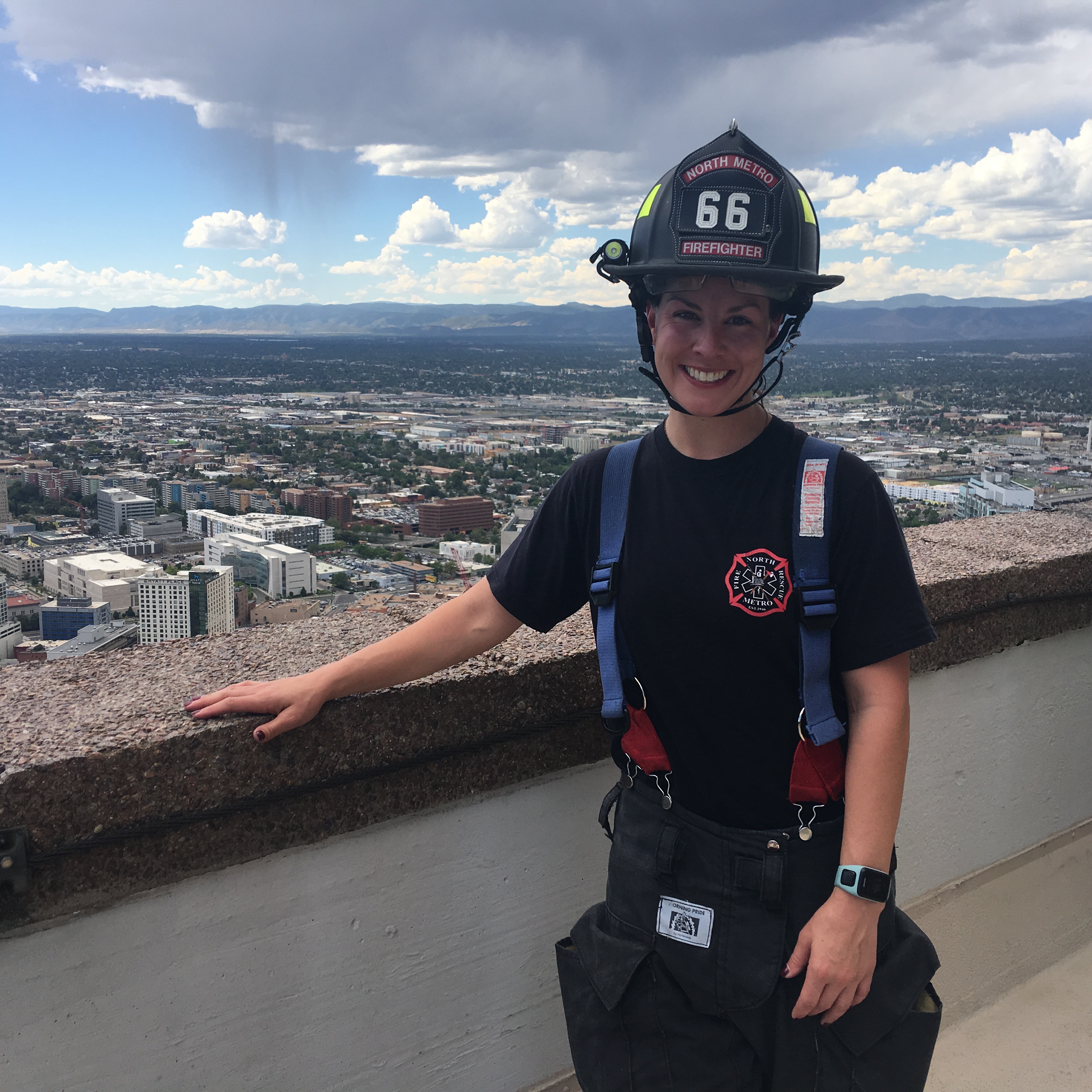
Nicole Bergeron and her medical team did not know the horrible crime scene that awaited them the night of April 19, 2023.
The 11:21 p.m. fire engine call was for an “unknown car accident” somewhere off of Indiana Street north of Arvada. Reports indicated two words — blood everywhere.
Her first impression of the two cars side by side in a dark pasture was surreal. From the road, she could see no obvious impact, as if the scene had been staged.
Nothing could have been further from the truth.
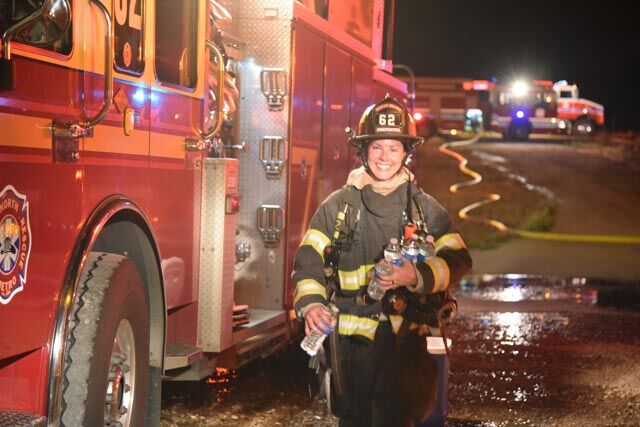
From the beginning, this was unlike anything Bergeron and her firefighter paramedic colleagues had ever experienced.
The waves of trauma in the case of Alexa Bartell’s horrific death spread further beyond her friends and family.
Bartell had been the victim of three teenagers who were throwing large, landscaping-sized rocks at moving cars from a truck.
Only Joseph Koenig went to trial on a first-degree murder charge, which a jury found him guilty of Friday.
Nicholas “Mitch” Karol-Chik, who faces between 35 and 72 years in prison after pleading guilty to the series of rock attacks that ended with Bartell’s death, testified against his former best friend Koenig. So did Zachary Kwak, the other co-defendant who also avoided trial on murder charges and will spend no more than 32 years in prison on a first-degree assault conviction.
Bergeron, a seasoned veteran of the North Metro Fire Rescue District and mother of two, would eventually retire after the trauma she experienced the night Bartell was found mortally wounded in the driver’s seat of her yellow Chevy Spark.
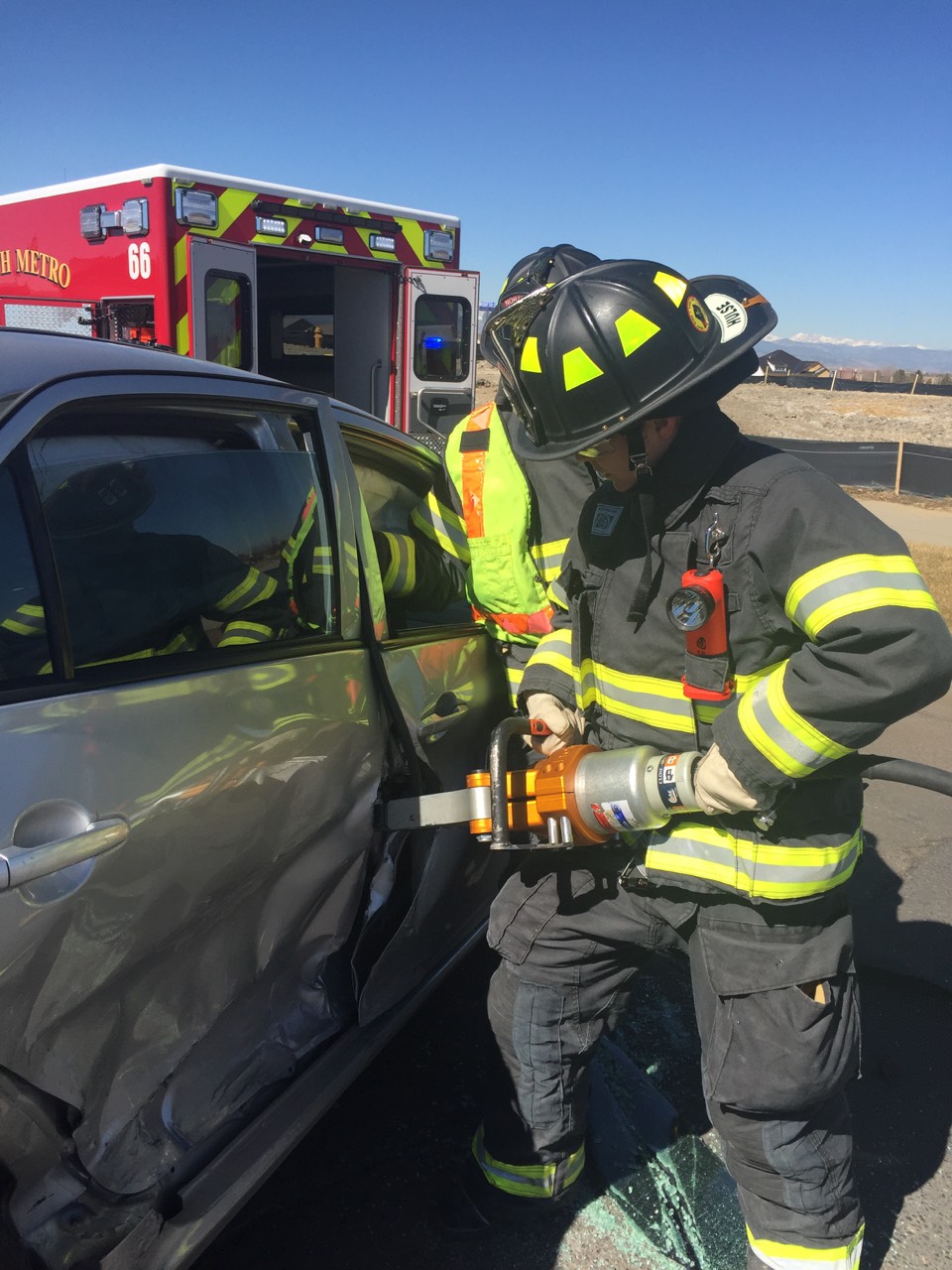
The second car belonged to Bartell’s girlfriend, Jenna Griggs, who had tracked the 20-year-old Arvada woman through a cellphone application after their phone conversation went silent.
“She was hysterical. I asked if she was hurt and she said ‘No, it’s not me, it’s her!’” said Bergeron.
Nothing about the scene made sense.
“It was very confusing because the front windshield had a sizable hole in the driver’s side and the back was blown out,” Bergeron said. “Alexa was horribly wounded, but there was no murder weapon that we could see.”
Medics and law enforcement at the scene speculated that Bartell could have been the victim of a sniper, but the damage patterns of the car and her injuries did not support that theory. The impact to the windshield ruled out the possibility of suicide.
Bergeron felt a sense of fear and vulnerability, “like sitting ducks not knowing where the killers were.”
The fact that first responders went to bed that next morning with no answers to the bizarre killing weighed on them.
“Not being able to close those loops was devastating for my crew,” said Bergeron.
Bartell’s family — who showed up minutes after the police and fire paramedics — were hysterical with grief.
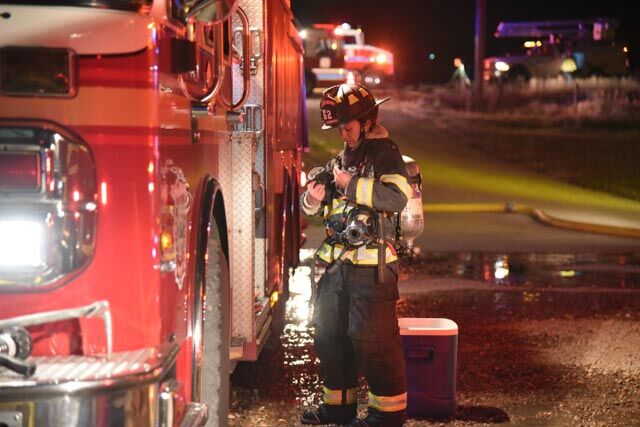
“Her mom collapsed on the ground, screaming, ‘Not my baby.’ She could not hug her family hard enough,” said Bergeron. “I’m a mom. Having those ties to my own personal life was a huge factor as far as mental health.”
On Oct. 17, 2023, she agreed to modified duty in order to begin trauma therapies with the support of her department.
She had found herself struggling to perform tasks that had been second nature before April 19, 2023, including the ability to compartmentalize trauma.
Training does not discriminate. At 5-feet 7-inches, weighing 140 pounds, she was as capable as the male firefighters. She could lug a 200-pound training dummy, raise a 35-foot ladder and haul a charged hose line snaking with water pressure.
However, she was not prepared for the mental assault, which crept up on her.
On April 19, 2024 — a year to the day of Bartell’s death — Bergeron, who at times was the sole woman in her department, medically retired from the only career she had ever known.
Behavioral researchers estimate that nearly a third of first responders develop behavioral problems as compared to 20% of the general population, according to the Substance Abuse and Mental Health Services Administration.
Those conditions can include, but are not limited to, depression and post traumatic stress disorder (PTSD).
Police, firefighters and emergency medical technicians are the first to reach out to disaster survivors and provide emotional support to them. Consistent exposure to emotional and often violent, morbid scenes put them at an increased risk of trauma, but there are few studies to determine the effects and what to do about them.
Elizabeth Sather, a Denver area psychotherapist who works almost exclusively with first responders, said that they are increasingly more accepting of mental health treatment.
“It is thankfully becoming less of a stigma to ask for help and departments are finally, slowly by slowly, recognizing that PTSD is a real thing,” said Sather.
Soon after Bergeron, as peer support lead, worked the Bartell call, she became depressed and lost her ability to “go from 0-100” in a matter of minutes.
She had a hard time working under extreme pressure and urgency, a cornerstone of a job that required her to work continuous 48-hour shifts. She began to self-medicate to escape her anxiety. She tried vitamin supplements and explored coping options, such as meditation “to get out of her own skin.”
North Metro Fire recognized Bergeron’s struggles and recommended counseling. She talked to a therapist and tried Eye Movement Desensitization and Reprocessing (EMDR), a structured form of psychotherapy that helps patients process distressing memories. She also underwent trials for selective serotonin re-uptake inhibitors. Commonly known as SSRIs — a type of antidepressant that works by increasing serotonin levels in the brain.
In the end, she felt leaving the profession was the only way to save herself and her two girls.
For a year, she has worked in sales for PS Tracks, a company that provides inventory management for first responders.
She has not followed Koenig’s murder trial because she said she can’t listen to the defendant “make excuses for what he did to Alexa.”
She still has panic attacks and other symptoms of PTSD, and she feels guilty that Bartell’s family has to carry on. Though she is no longer a firefighter paramedic, she still has her fire family.
Part of her healing now is to de-stigmatize first responder trauma by having conversations openly and shamelessly, she said.
“There are people who are quietly suffering,” she said. “I want for them to know that they are not alone.”