From the South Pole to Dacono: Russ Schnell dots the world with Little Free libraries
The Nobel Prize winner has brought 101 Little Free Libraries to underserved communities in seven continents
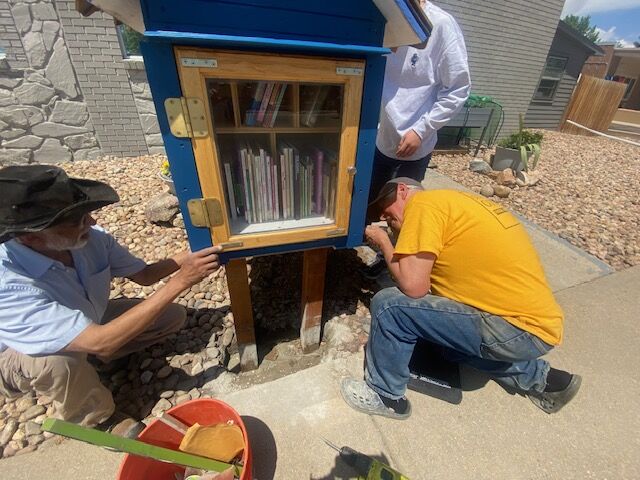
In a truck that looked like a scene out of “The Beverly Hillbillies,” a past Nobel Prize recipient from Boulder towed a world of stories.
Three-year-old Salma Cardoza dressed up to get her first free book — a guide to the dolphins and whales of Australian waters.
“Uno. Dos. Tres,” counted her mom, Lupita Cardoza, as she pointed to the pictures. “Cuantos son?” (How many?)
Salma pointed to a single blue dolphin swimming across the next shiny page. “Uno solito.” (That one is alone.)
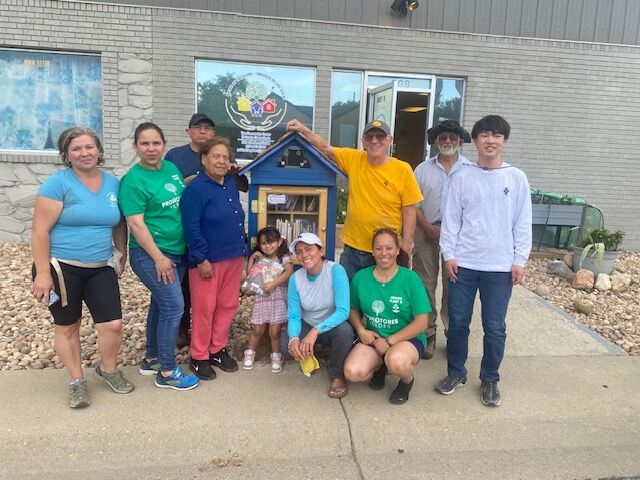
The Cardozas and hundreds of other families in Dacono now have access to a summer of reading courtesy of Russ Schnell, who brings words to book-less readers in the form of a Little Free Library.
“This is No. 101,” said Schnell, a ballcap set back on his head.
He loves tendering books to children because he only had one thing to read as the child of German immigrant parents — a 1949 vintage “Tiny Tales” small Whitman collector. For 5 cents, “When I Grow Up” offered ideas for a myriad of grown-up jobs like fireman, cowboy, circus clown and even balloon man.
There was no suggestion for a Nobel Peace Prize-winning researcher, but that’s what Schnell grew up to be.
Dacono is where he was meant to be last Saturday.
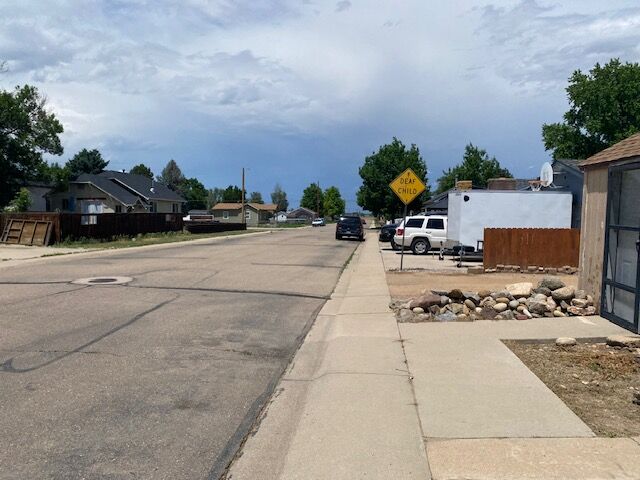
A rural former mining town 20 minutes north of Denver, Dacono has 6,600 residents. But it has no library. It also has no public school and no public transportation.
In comparison, Mead — a rural town north of Dacono with 4,000 people — has a library.
Though it is in the same St. Vrain Valley School District, Mead also has an elementary, a middle and a high school.
Many of Dacono residents who need these services the most don’t own houses, so they don’t pay property taxes and some don’t vote because they’re not citizens.
Climate research to educational change
You’d never guess that the 79-year-old truck driver with the flyaway white hair is a world-renowned climate scientist.
Schnell was a co-recipient of the 2007 Nobel Peace Prize for his work on the Intergovernmental Panel for Climate Change, along with former Vice President Al Gore. Before that, he was director of Hawaii’s Mauna Loa Observatory. There, he performed early groundbreaking research measuring carbon dioxide and later methane gas in the world’s air.
He directed National Oceanic Atmospheric Administration observatories from Barrow, Alaska, to the South Pole.
In 2012, at the request of his daughter Alicia, he installed his first free book kiosk in a poor St. Louis neighborhood. Since then, Schnell has dotted the world with Little Free libraries.
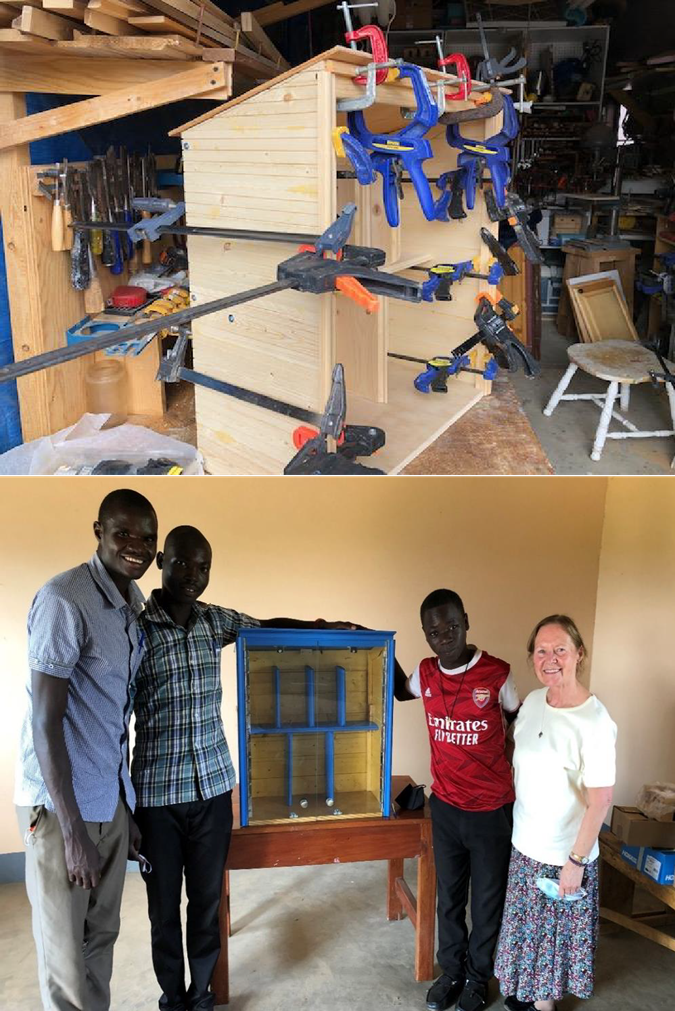
Today, his wooden book cabinets made from tossed-off kitchen cabinet doors, old barn shingles and repurposed paint stand in all seven continents.
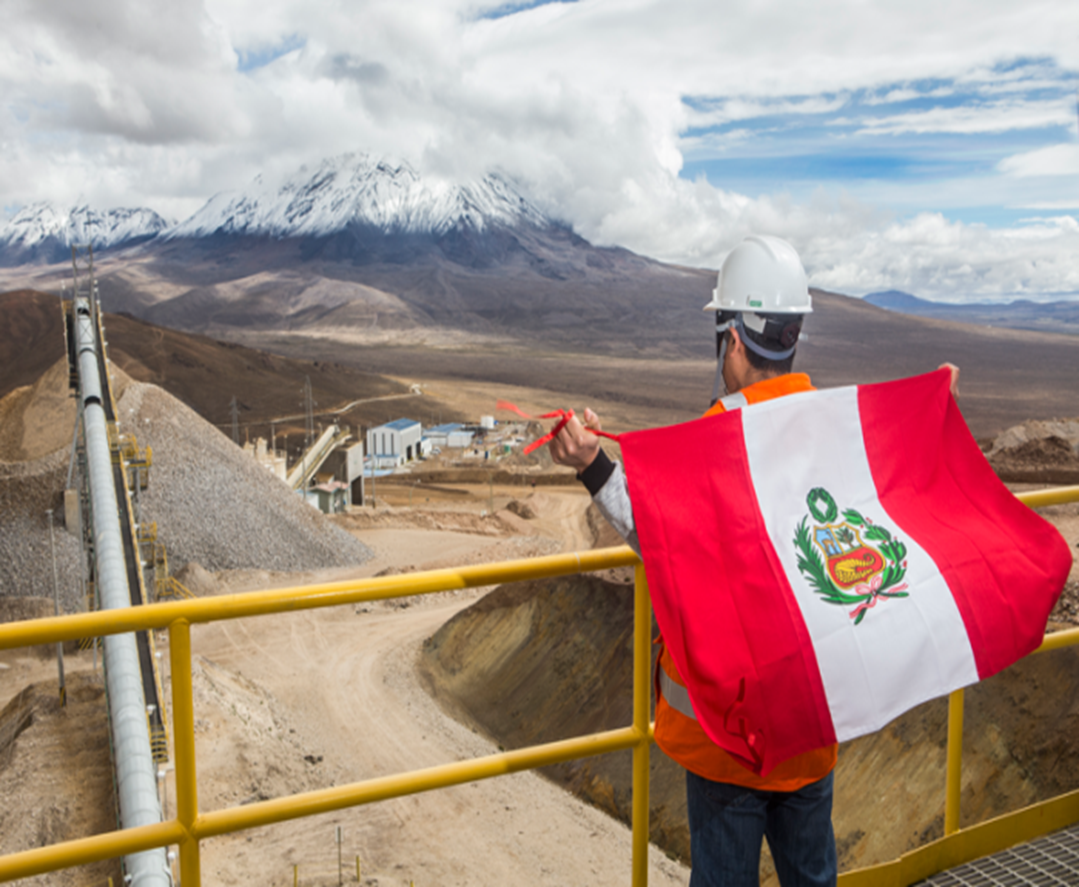
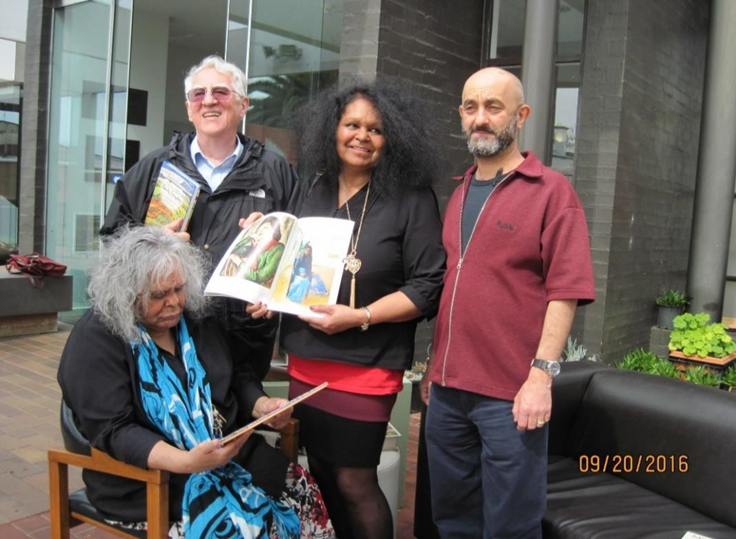
There is one in a school in northern Uganda and another on Aboriginal homelands in Warrnambool, Australia. A Schnell Little Free Library stands at the base operations building of Mount Fuji Observatory and at Peru’s Pucamarca gold mine.
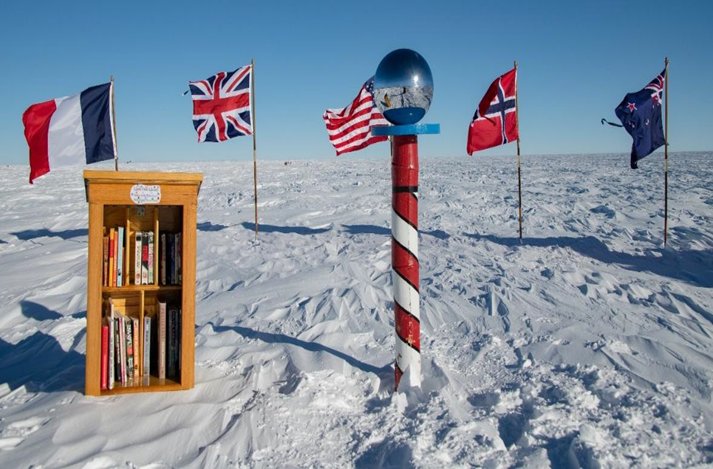
Perhaps the most surprising, a Little Free Library stocked with scary movies and novels about warm places braves the elements on a 9,000-foot ice layer at the NOAA observatory at the South Pole. There, isolated beneath an American flag, Schnell’s Antarctic little library stands — through teeth-rattling wind chills of 100 to 140 degrees below zero.

The only cash out of Schnell’s pocket to build the colorful kiosks comes to pay for new screws and waterproof caulk. He mostly transports the libraries himself because, as a million-mile frequent flier through decades of climate-related work, United allows him to haul up to 140 pounds free.
He’s found that in an age of Facebook, TikTok and Instagram, folks still read.
“People stop by throughout the day and books that were there in the morning are gone by the afternoon and there is an entirely different group,” wrote d’Layne Kerr-Layton of a Schnell Little Free Library in northeast Boulder in an email.
Dacono is Schnell’s latest and largest project.
A library-less town
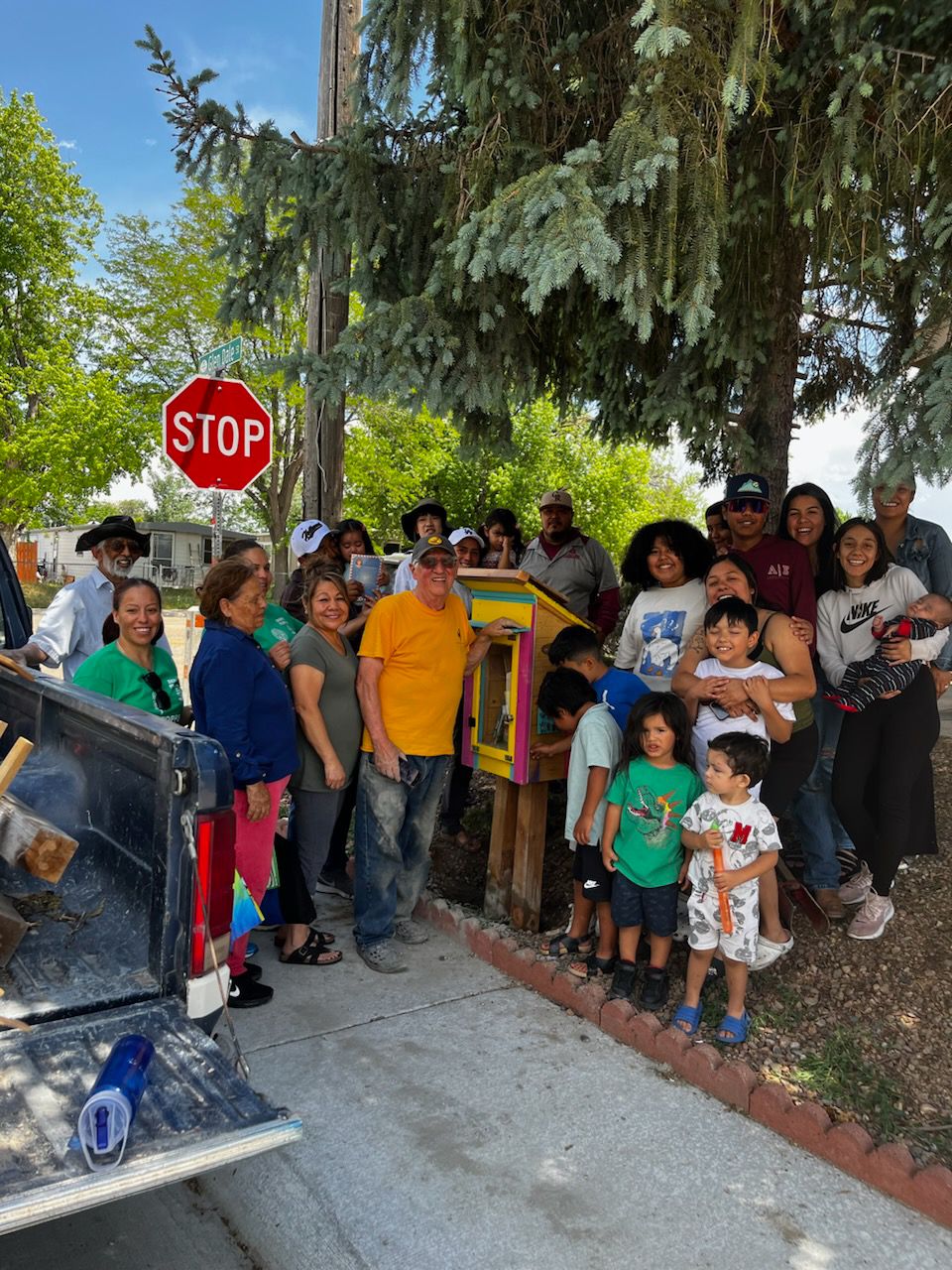
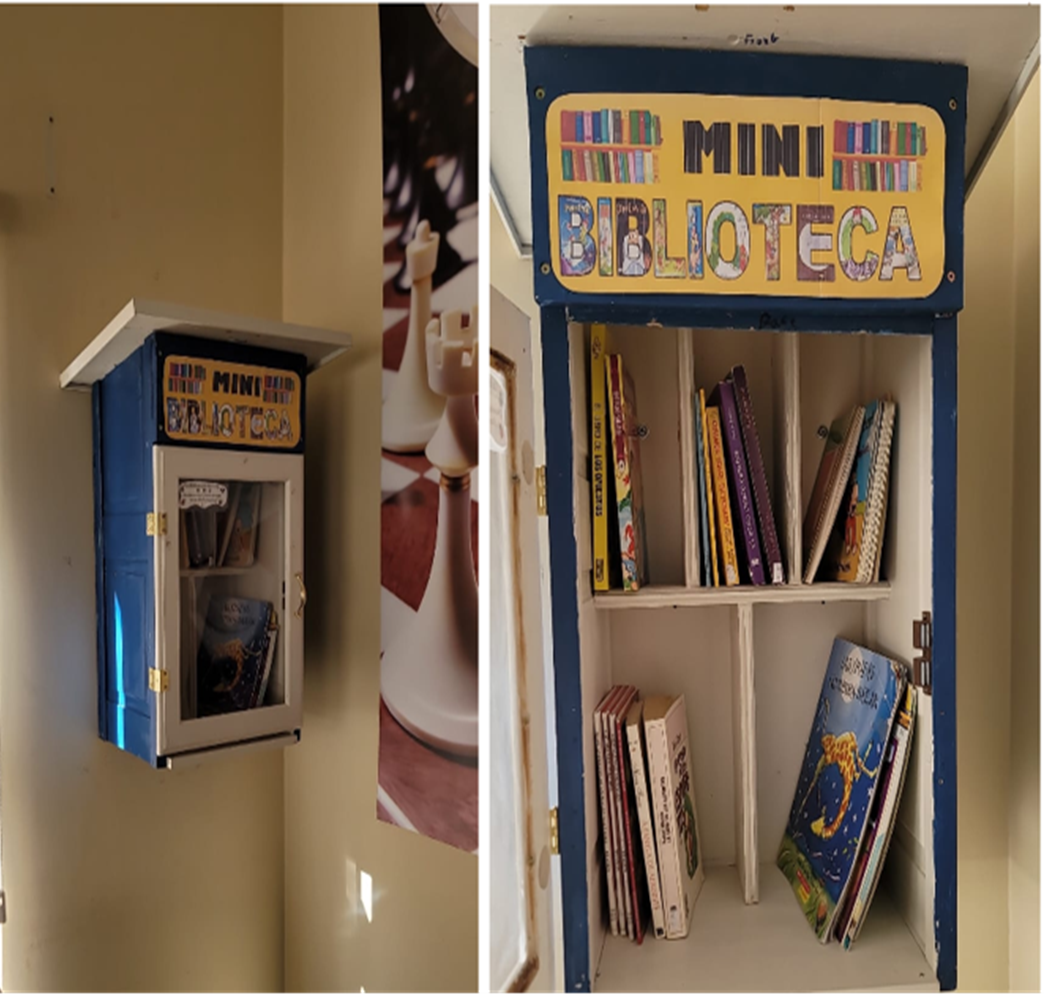
A dozen Little Free libraries offer books in English and Spanish in the front yards of one of Weld County’s most underprivileged communities. In Dacono’s The Glens neighborhood, around half of the residents are Hispanic. Many of them do not speak English.
Many, like Cardoza, hold down multiple jobs. The 42-year-old mother of nine cooks, cleans house and babysits for people besides her volunteer work planting trees in barren areas and her help in bringing in the Little Free libraries.
Neighbors who agreed to have the libraries hammered into their front yards had only to call Xcel to make sure there were no underground lines where they wanted the little library structures to go.
Making it happen
Like little Salma’s picture-book dolphin, many of Dacono’s immigrant residents said they’ve felt isolated when it comes to city services. Part of that is because they don’t understand the American system.
For example, Cardoza brought several friends to a City Council meeting to request permission to install the free libraries, but they didn’t need an administrative blessing for a private project.
“Still, we listened and I was all for it,” said Mayor Adam Morehead, whose full-time job is as a team leader for the Division of Adult Parole for the Department of Corrections. “I’d like to see a place where kids can go and spend time and read and watch videos. A place where they can expand their horizons.”
To Morehead’s disappointment, a slim majority of Dacono’s 4,000 voters in November rejected a mill levy initiative to include Dacono into the High Plains Library District.
This was the second rejection on the same proposition for a mill levy to pay for a library in five years.
Morehead predicts it will be on the ballot again in the near future.
The town used to have a city-funded library, but it was abandoned by the voters in 2017, in part due to low participation there. Today, the old library building has been refurbished into city facilities.
The nearest library is Carbon Valley Regional Library in Firestone, where Cardoza often visits three days a week to return and check out armfuls of books and movies for her nine-kid brood.
Morehead said the residents are getting younger. Thirty percent are Hispanic, and 20% do not speak English.
Dacono does have a K-8 charter school in Sweetwater, one of its more affluent neighborhoods.
The town’s 600 public school students are bused to Thunder Valley K-8 in Frederick and Frederick High School, which are just a mile away. There is no public transportation. According to Cardoza, if children miss the bus, they walk an early-morning mile.
Morehead is fighting for a K-8 public school in Dacono, but like the library, that could be years of City Council meetings and elections away.
Free books to take or give
On April 8, Schnell and a couple of friends installed every other block in The Glens neighborhood with kiosks which Cardoza’s friends painted pink, blue and yellow.
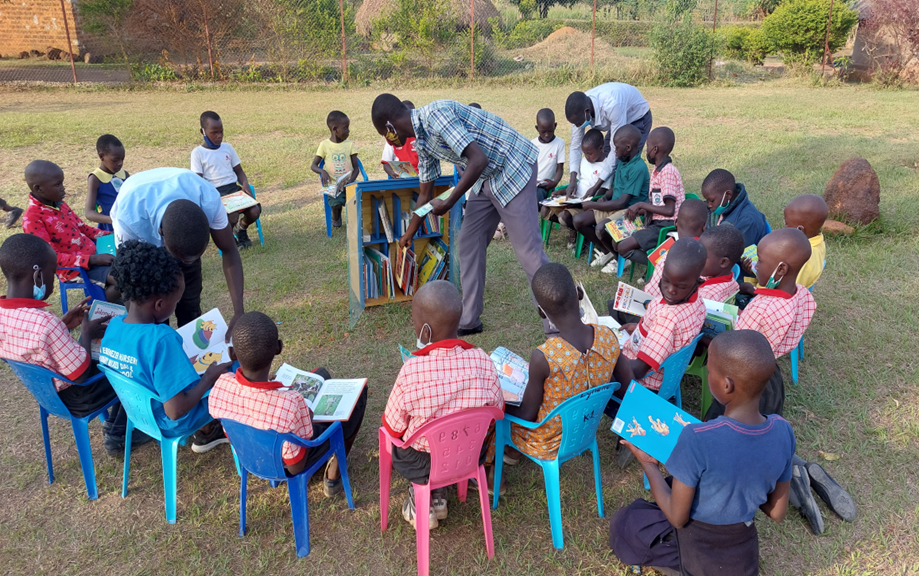
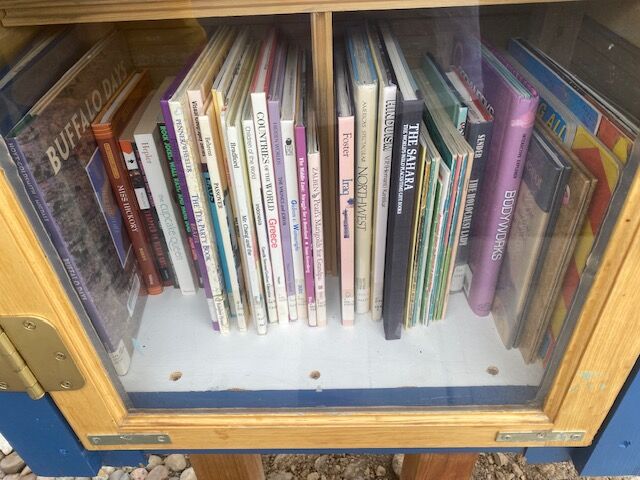
Among the 300 donated books were “The Mine-O-Saur” by Sudipta Bardhan-Quallen and “Dad, Jackie and Me,” which is about a boy’s love for baseball and Jackie Robinson, set in 1947.
People have donated Caldecott Medal, National Book Award and and John Newbery Medal winners to the project.
Dacono’s book-baron took a break from drilling screws into library boxes and ate a homemade chorizo burrito at the Orgullo De Los Glens (Pride of the Glens) community center.
What’s the difference between being an atmospheric scientist and a little library laborer?
“It’s all been fun,” Schnell smiled, wiping the sweat from his eyes.
For Cardoza, though, the libraries are more than that.
When a homeowner jokingly asked her how much she was going to pay him for allowing a Little Free Library in his yard, Cardoza replied, “If your children become readers, they’ll be able to go to college. That’s your payment.”