Denver Startup Week kicks off with talks about the ‘State of the Startup Ecosystem’

Getting community leaders to better communicate, sharing resources among entrepreneurs and better supporting businesses during the “death valley” phase are some of the ideas shared for improving Denver’s startup company ecosystem on the first day of Denver Startup Week.
Denver Startup Week kicked off on Monday with a jam-packed schedule of events poised to tackle issues from the ramifications of artificial intelligence to diversifying startups to finding capital. The free event draws thousands downtown annually to discuss all things startups.
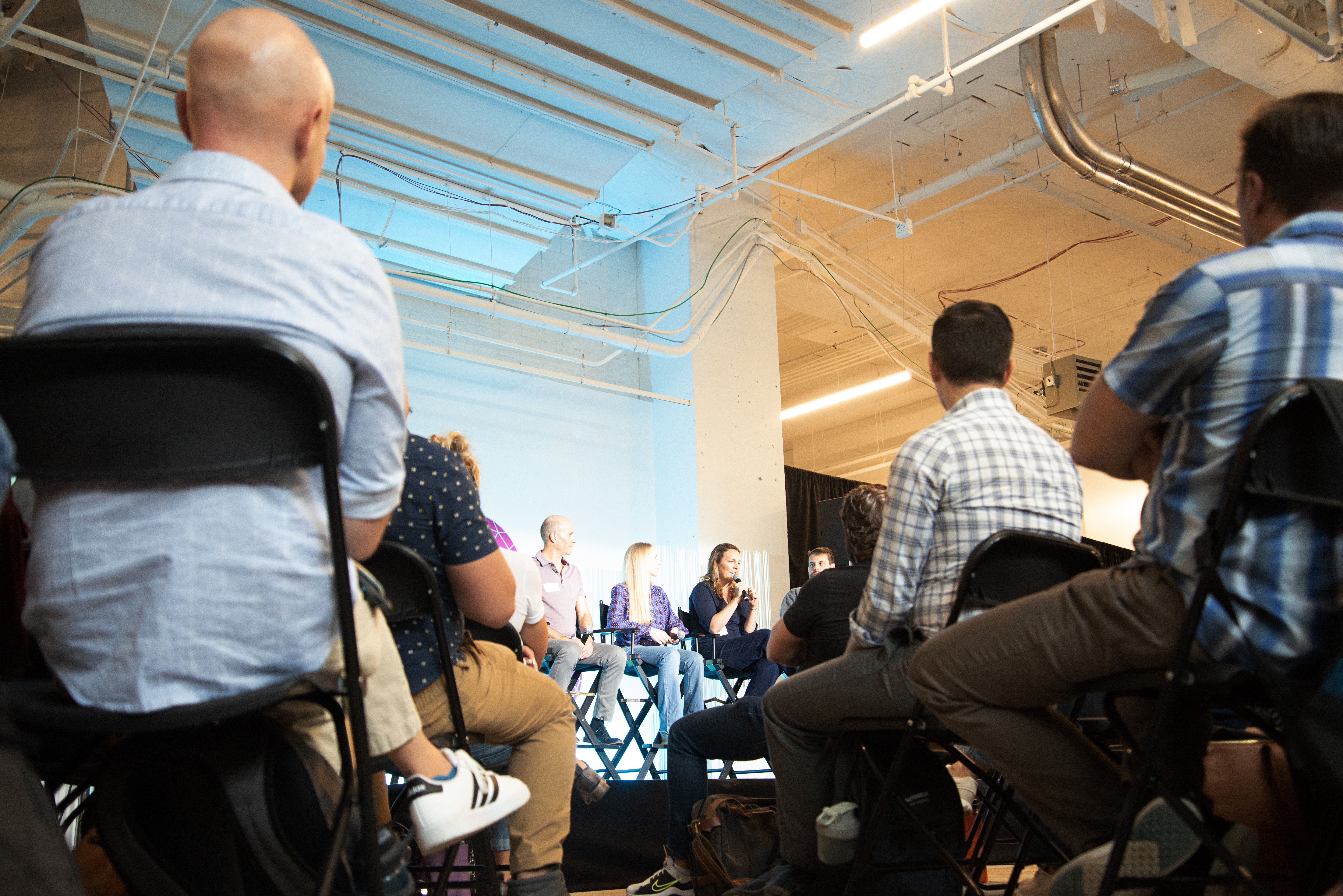
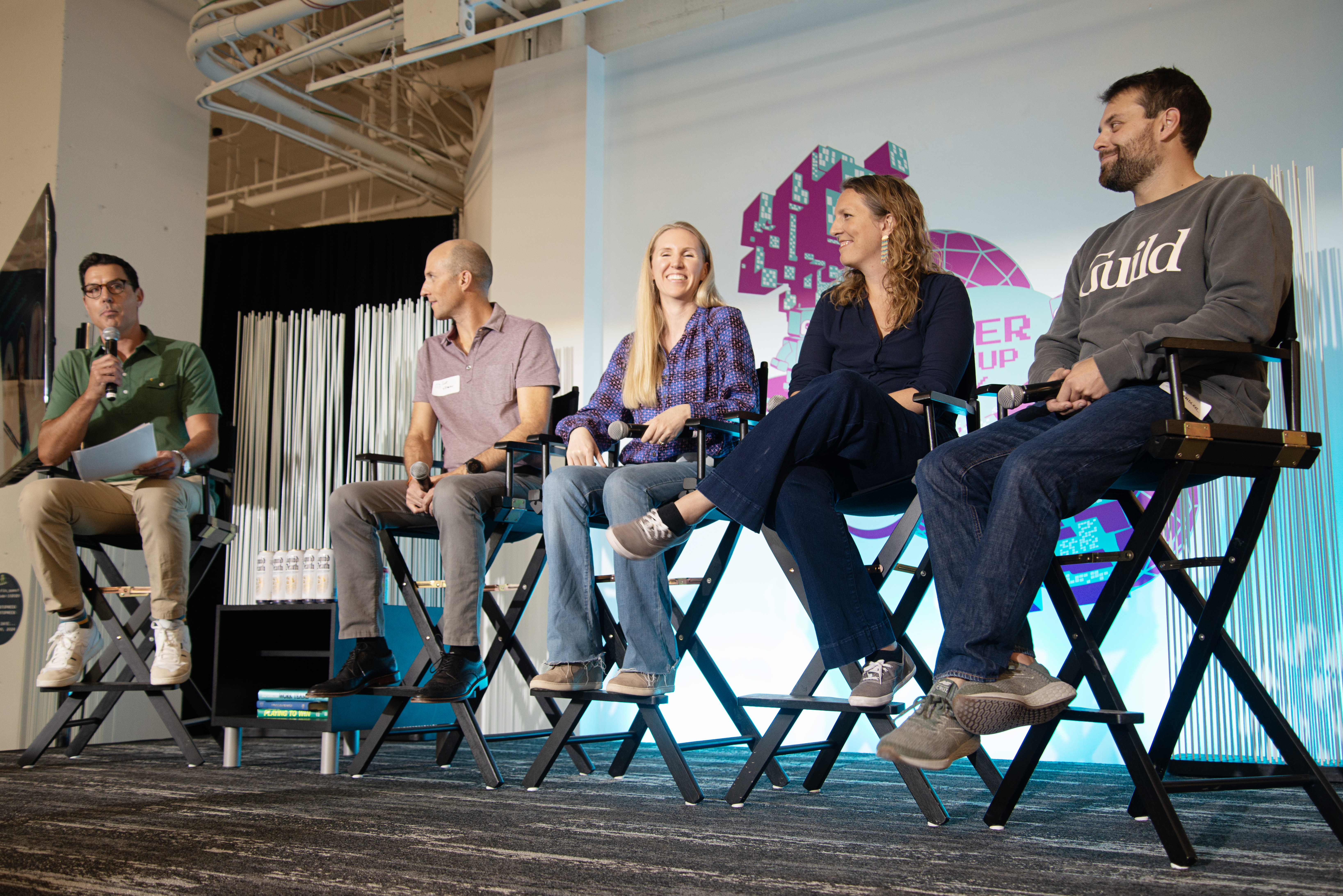
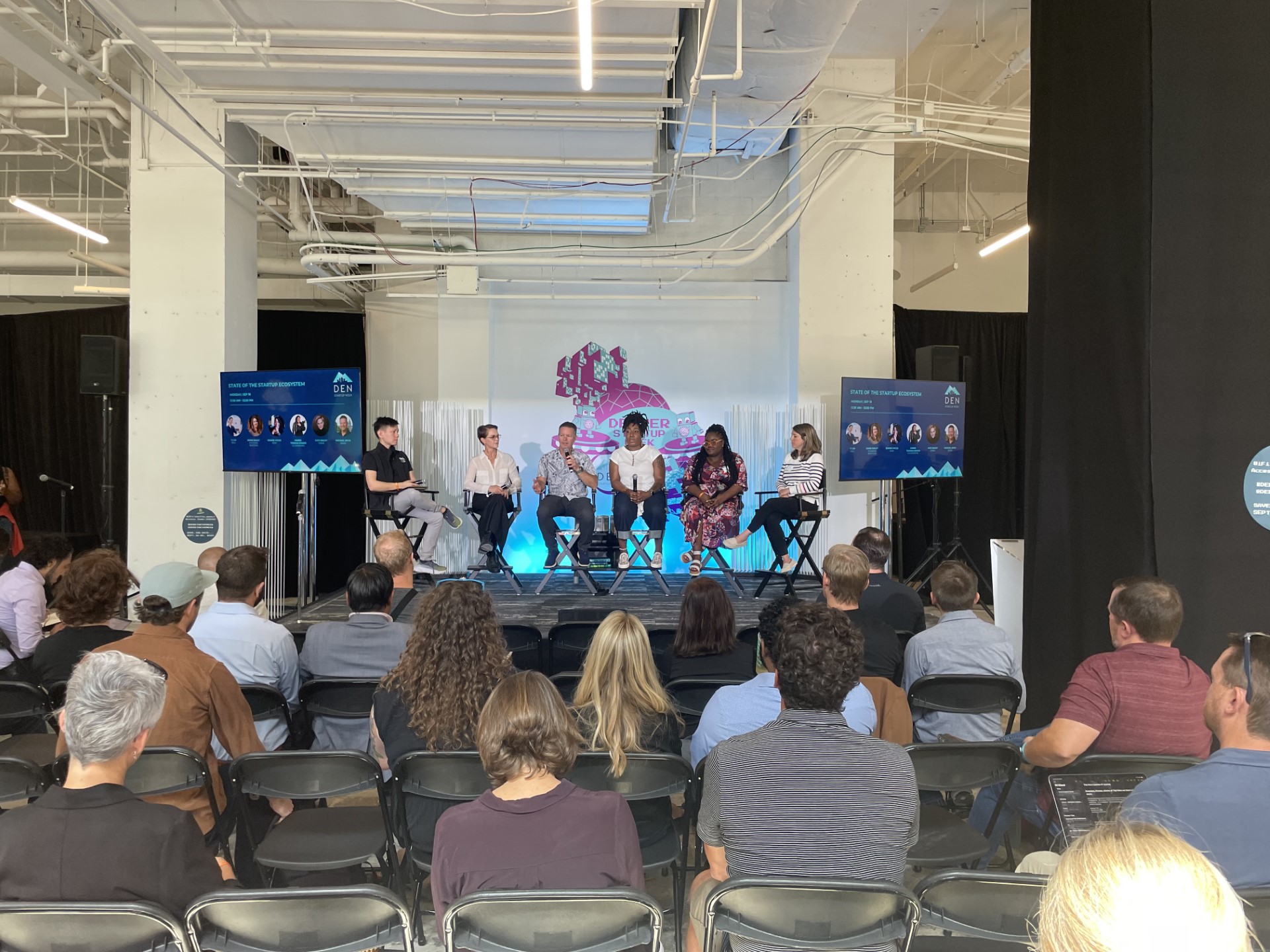
One of the week’s first sessions was dubbed the “State of the Startup Ecosystem” moderated by YJ Lin of Dell for Startups. The crowd gathered at startup week’s headquarters heard from a panel comprised of: Michael Bevis of the Denver Economic Development and Opportunity office (DEDO); Kate Bailey of the professional network TARRA; startup week’s Community Chair Dianne Myles; Carrie Thomas-Omáur of Colorado Startups, and Diane Bailey of the Founder Institute.
Asked what challenges in the local startup ecosystem they would like to fix, Thomas-Omáur said Denver has the resources and accessibility to support startups but that community leaders need to communicate with one another better.
“Denver very much is in silos,” Thomas-Omáur said.
Myles said founders can be hesitant to share information and resources with one another, but encouraged startups to lean on one another in their search for resources.
“The perception is that we are all fighting for the same resources,” she said. “I think that’s a false perception.”
Colorado has the second highest percentage of women in business in the nation, Kate Bailey said, but cautioned that roughly 20% of women-founded businesses will not survive past the first year and 15% will not survive past five years — urging better support for startups on their road to profitability.
“Once you hit that death valley of growth, that is where the resources dry up,” she said.
Many cities across the U.S. struggle to coordinate the local government, economic development agencies and the private sector, Bevis said, who added DEDO has resources to help startups survive their death valley phase.
Lin also asked panelists to reflect on where Denver’s startup ecosystem been, and where it is going.
The city has done a good job in the past two decades of diversifying its economy, Bevis said, growing beyond the oil and gas industries and growing particularly in the tech sector. The city is also expanding resources to support BIPOC (Black, Indigenous, People of Color) and underrepresented founders, he said.
“We want to see an increase in that because we know that those founders create really strong economies,” he said.
Denver’s startup ecosystem is still in its “toddler phase,” Kates Bailey said, framing that as an opportunity to create an ecosystem that has diversity “written into its code.”
Myles spoke about the detrimental impact COVID-19 had on small businesses and businesses owned by people of color, a worrisome aspect of the pandemic’s fallout when “we know that small business is an economic driver in any community.”
Denver is starting to have better conversations about investing in BIPOC founders and providing those entrepreneurs with a support system, Myles said, also discussing how the nation as a whole is experiencing distress because “we have kept a lot of people out of generating and creating wealth.”
When one portion of a community is creating wealth and another is shut out of opportunity, Myles said, that community is “destined to fail.”
Denver Startup Week continues through Friday. To register for the free events, and for a schedule, visit denverstartupweek.org.