




To rescue or not to rescue a baby bird?
I was putting out my bird feeders a few years ago when I noticed him.
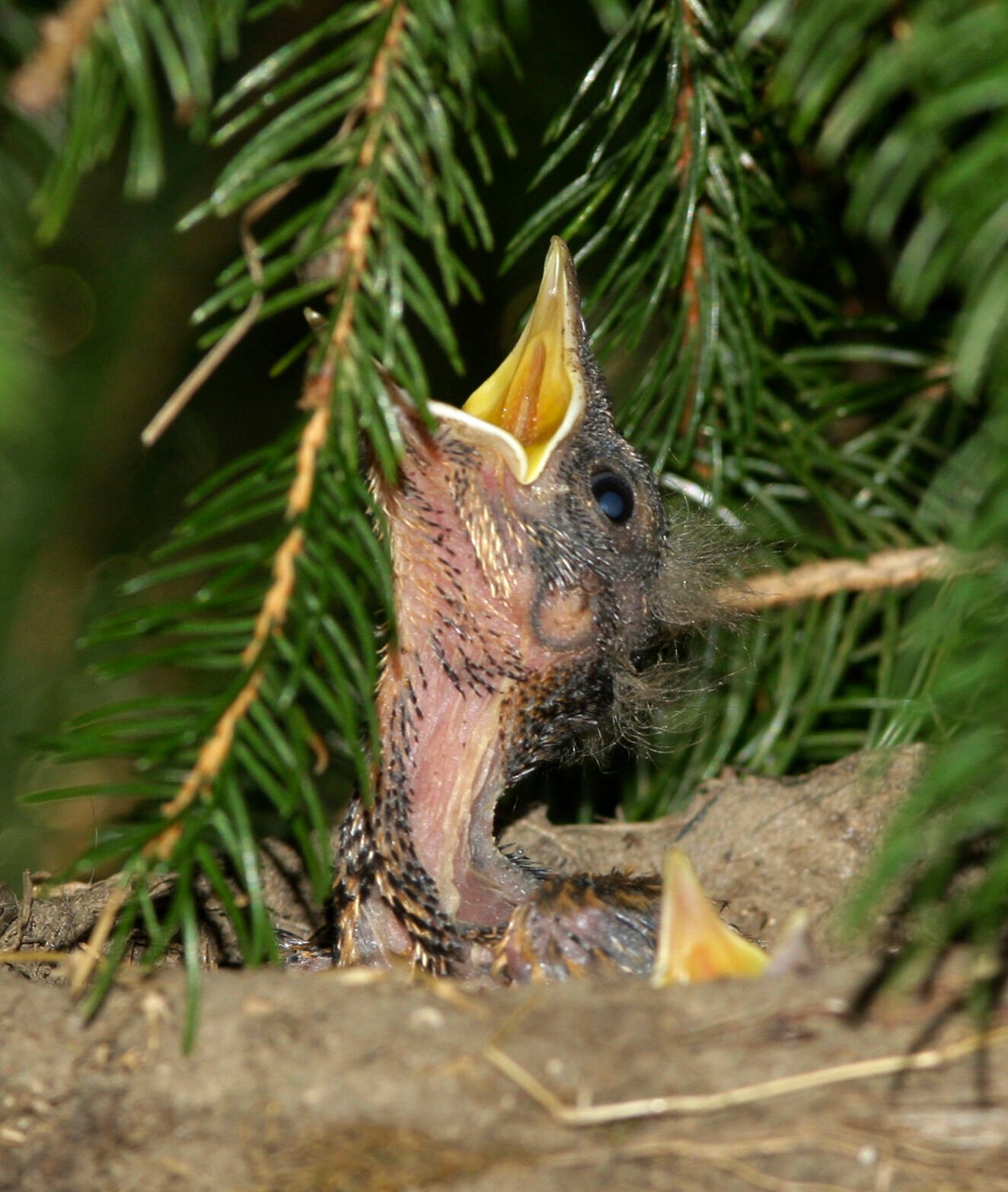
A tiny, fluffy baby bird stoically sitting on the seed-covered dirt in my backyard. I didn’t know what to do. Did I pick him up and bring him inside? Nurse him into his teenage years? Groom him to perch on my shoulder like a tiny parrot? Or did I assume mama and papa are somewhere nearby, wishing I would leave already?
I decided to let him be and uneasily went to work. He was still sitting in the same spot when I came home. A day or so later he was gone. Did he fly off? Did a sneaky neighborhood cat crunch him? There was no scattering of feathers indicating anything suspicious happened, but would there be? I’ll never know.
Bird Call: Popular Colorado Springs festival offers more than 60 ways to commune with birds
Clark Jones, president of Aiken Audubon Society, the local chapter of the National Audubon Society, soothed my guilt. You can find the group online at aikenaudubon.com.
“You did the right thing, for sure,” Jones said. “It’s hard to do. Look how small it is — how’s it ever going to survive? It’s a tough decision.”
Within the next month you, too, could be faced with this dilemma. Many of our resident migrants, such as robins, will build nests soon, if they haven’t started, Jones says. And some have young, like hawks and other raptors. The nest building and egg laying can last from mid-May through September, when late-laying doves finally get cracking.
Smaller songbirds have a 25- to 35-day journey from egg laying to chicks fledging the nest. Ideally, baby birds are in the nest for as short a time as possible, as it’s a precarious place to be.
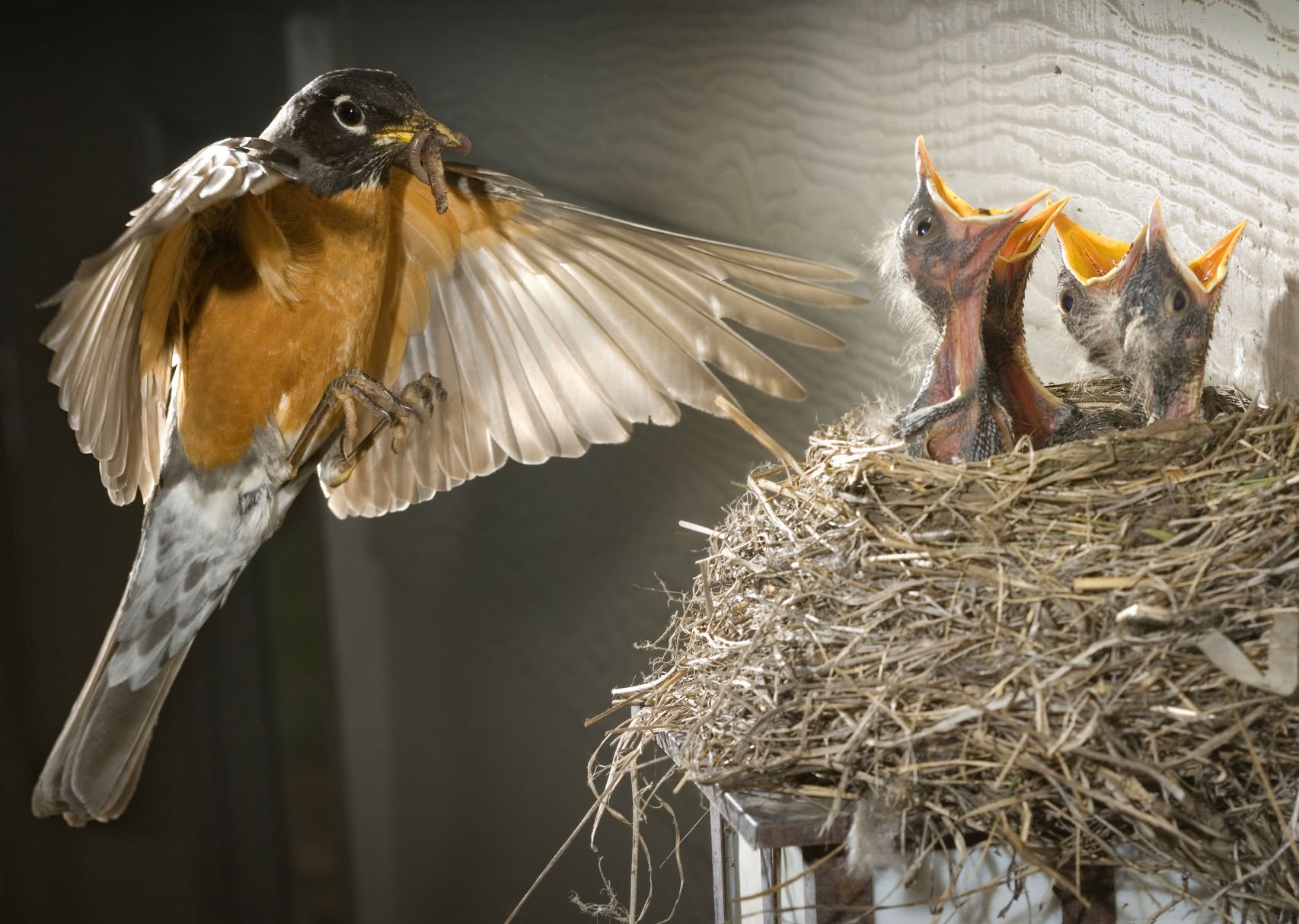
“Parents are bringing food frequently, so predators cue in on that pretty quickly,” Jones said. “Nest success is pretty low, especially for songbirds.”
Bird life is more heartbreaking than I realized, which makes me appreciate even more every bird that graces my path. Babies often get eaten either as eggs or as young. Other birds, such as crows and blue jays, will eat eggs. Squirrels and raccoons will eat eggs and young.
Bird Call: A great horned owl love affair
“It’s a tough life out there for them,” Jones said. “They will renest sometimes if it’s just the eggs that are lost. Raptors are not as common for renesting even if eggs are lost. The chance that a hatched raptor will make it to adult is pretty low, which is why you don’t see raptors everywhere. We’re not overrun with them.”
What to do when finding a baby bird is one of the most frequent questions Aiken Audubon Society gets. Your first task: Figure out how old the bird is. The easiest way to tell is whether it has feathers. After being hatched, a songbird chick will be naked for four to six days and its eyes will be closed.
These tiny naked babes should not be out of the nest. Jones recommends looking to see if you can find the nest nearby. If you can, it’s OK to put the bird back in the nest. You can also build a fake nest, like concocting something out of a strawberry container. Put the baby in it, put the nest in a bush and wait to see if the parents come back in the next hour or so to feed it.
If they don’t, you can bring the nest inside, place it in a dark room and call a bird rehabber. Jones suggests Second Chance Wildlife Rehabilitation in Pueblo. Go online to secondchancewildlife.net. They can take in the nestlings, though he says the chances of them making it are slim.
Backyard gangsters: Loving, loathing, and living with raccoons
If the baby bird has feathers and can hop, it’s probably supposed to be out of the nest and isn’t in danger, unless there are murderous cats or raccoons around. When birds fledge, most can’t fly. They spend the first few days hopping around or sitting quietly, similar to what my baby bird was doing.
“They’ll call when they start to get hungry and adults will bring them food, just like a crying baby,” Jones said. “If it’s in an exposed area and there are cats around, you can pick up the bird and put it in a bush and it will sit on a branch. That’s safer than being on the ground.”
And that myth about not touching a baby bird because you’ll leave your human scent on it and the parents no longer will acknowledge it? False.
Colorado parrot rescue, sanctuary home to more than 300 birds
Also, if you bring a baby inside, don’t feed it milk. Many people have the urge to give milk to a baby bird, Jones says, which likely stems from the fact we feed human babies milk. But milk does not do a baby bird body good. It can get into their lungs and cause issues. Don’t feed the tot anything if you bring it indoors. Call the rehabber.
The little dude I found was likely waiting to get fed by its parents, Jones says. Male and female songbirds will both feed their young. Females build the nests and lay the eggs, but both parents do the work of raising the young. Although apparently the male will sometimes fly off and start a family or mate with another nearby female. But maybe this sort of free love lifestyle is for the best, since it sounds like so many baby birds don’t survive.
Bird Call: No backyard? No problem. Try live bird cams
Fledglings can wind up on the ground simply because they run out of room in the nest. When they reach a certain size, they’ll perch on the edge of the nest and eventually jump out. They just know when it’s time to leave home, Jones says. It takes about a week for them to learn to fly and take off.
“I’d err on leaving the bird outside,” Jones said. “Everyone wants to help, but sometimes it does more harm than good.”
Contact the writer: 636-0270
Get OutThere
Signup today for free and be the first to get notified on new updates.
PREV
PREVIOUS

Social Security update: Direct payment worth up to $4,555 goes out to millions in four days
Thousands of recipients will receive the second round of April’s three Social Security retirement payments, worth up to $4,555, in four days. The third and final disbursement for the month will be released Wednesday, April 26, for those born between the 21st and 31st of a month. STIMULUS UPDATE: REBATE WORTH UP TO $150 AVAILABLE […]

Fatal rock-throwing incident likely part of a series of similar crimes, investigation reveals
Investigators from the Jefferson County Sheriff’s Office (JCSO) suspect that the rock-killing death of 20-year-old Alexa Bartell was apart of a series of similar crimes that took place on April 19. According to officials, Bartell was talking on the phone with a friend before a thrown rock came through her windshield. Her body was later […]