




Common Sense Institute analyzes updated government insurance controls

The Common Sense Institute business think tank issued its latest analysis around premiums and the proposed public option before the legislature, finding that proposed caps on premiums are well below the projected growth of of medical costs.
That translates to being unlikely that insurance carriers will be able to meet the 18% target over three years before the state steps in to issue fines or dictate medical reimbursement rates that the Colorado option plan pays to medical providers.
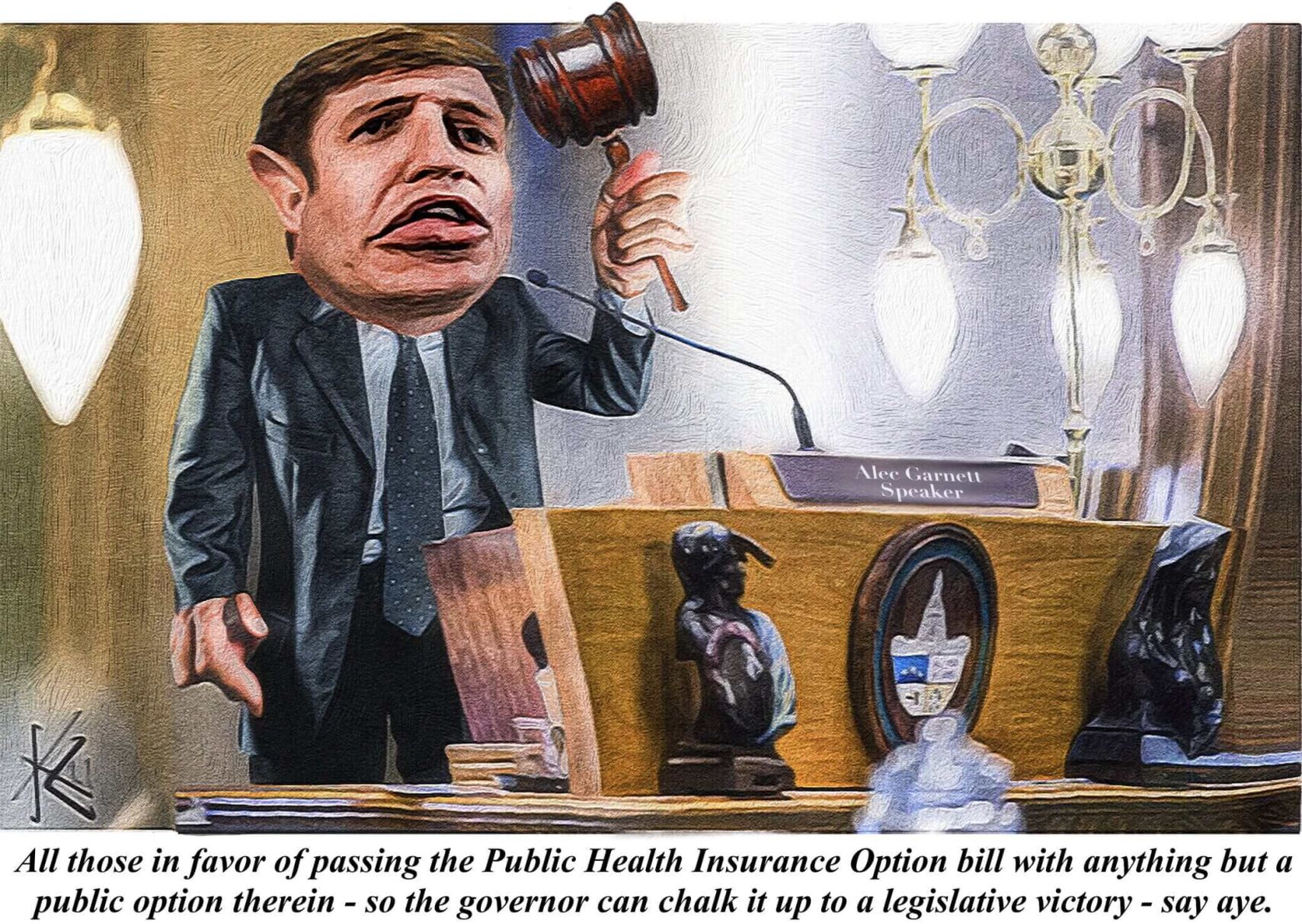
The bill passed the House on a 40-23 party-line vote on Monday and is pending before the Senate Health and Human Services Committee.
The report released Thursday afternoon indicates base medical provider reimbursement rates in the bill would be among the lowest if not below the lowest statewide average private insurance payment rates in the country.
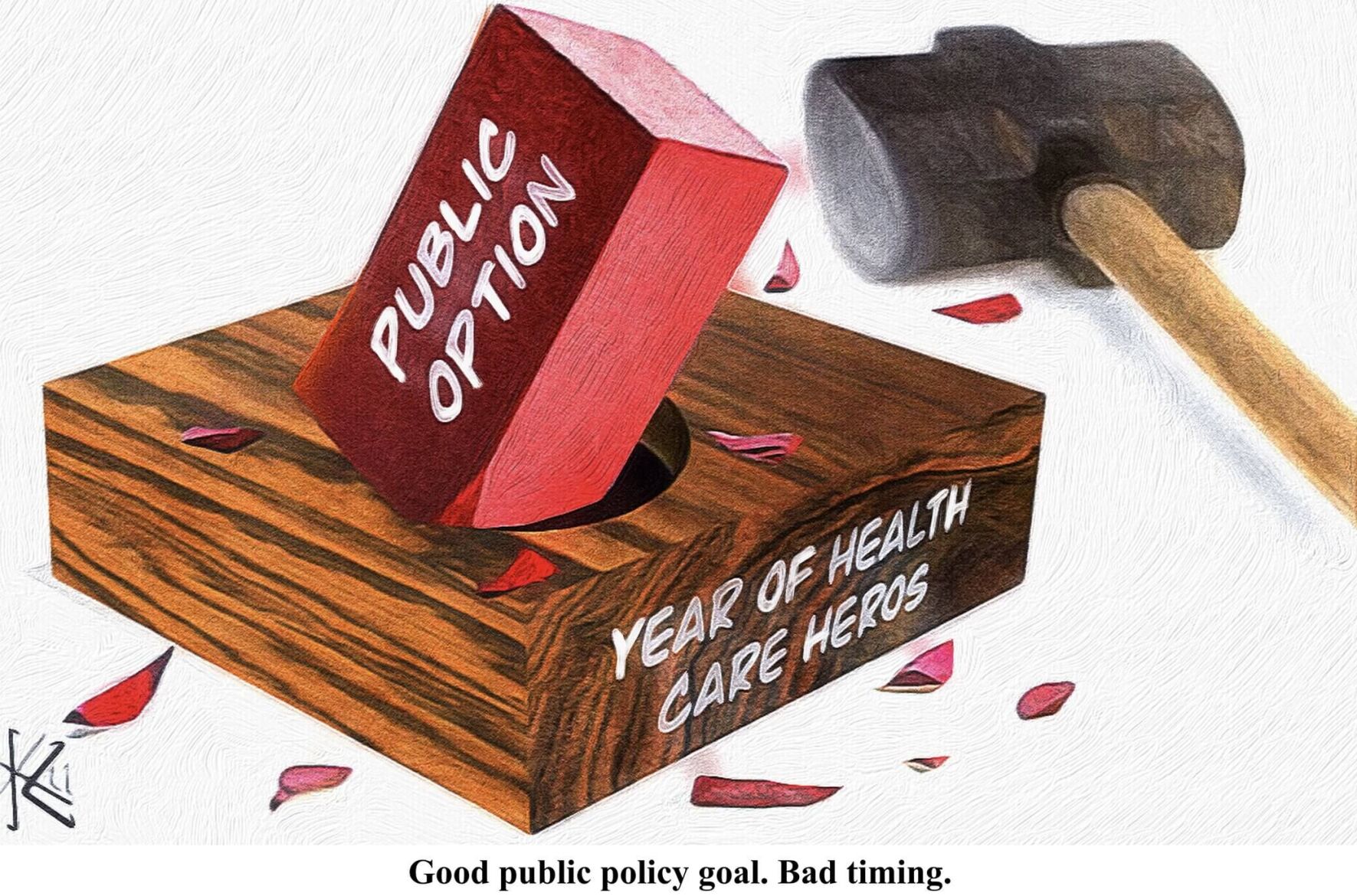
House Bill 1232 was amended to shelve the government-created public option policy, which would offer below-market rates based on price caps, after health care providers said it would trigger budget cuts and job losses.
The Common Sense Institute examined the potential financial and economic impacts in a previous record called “Third Time is No Charm.”
“While there are important new details in the revised bill, its combined use of restrictive premium growth rate caps and low medical provider reimbursement rates will likely lead to a similar problem; government set prices that do not change the underlying cost of delivering care,” states the report authored by Chris Brown, the Common Sense Institute’s vice president of policy and research, and researh analyst Erik Gamm.
“As a result, it will force medical providers to cut spending in a way that negatively impacts access and quality, or it will force them to increase the cost shifting that already occurs in
health care thereby increasing prices for commercial payers.”
Get OutThere
Signup today for free and be the first to get notified on new updates.
Common Sense Institute analyzes updated government insurance controls
The Common Sense Institute business think tank issued its latest analysis around premiums and the proposed public option before the legislature, finding that proposed caps on premiums are well below the projected growth of of medical costs.
That translates to being unlikely that insurance carriers will be able to meet the 18% target over three years before the state steps in to issue fines or dictate medical reimbursement rates that the Colorado option plan pays to medical providers.
The bill passed the House on a 40-23 party-line vote on Monday and is pending before the Senate Health and Human Services Committee.
The report released Thursday afternoon indicates base medical provider reimbursement rates in the bill would be among the lowest if not below the lowest statewide average private insurance payment rates in the country.
House Bill 1232 was amended to shelve the government-created public option policy, which would offer below-market rates based on price caps, after health care providers said it would trigger budget cuts and job losses.
The Common Sense Institute examined the potential financial and economic impacts in a previous record called “Third Time is No Charm.”
“While there are important new details in the revised bill, its combined use of restrictive premium growth rate caps and low medical provider reimbursement rates will likely lead to a similar problem; government set prices that do not change the underlying cost of delivering care,” states the report authored by Chris Brown, the Common Sense Institute’s vice president of policy and research, and researh analyst Erik Gamm.
“As a result, it will force medical providers to cut spending in a way that negatively impacts access and quality, or it will force them to increase the cost shifting that already occurs in
health care thereby increasing prices for commercial payers.”
Get OutThere
Signup today for free and be the first to get notified on new updates.
PREV
PREVIOUS

City Park Jazz to return this summer
A beloved Denver outdoor summer music tradition will return from an off-key pandemic year when City Park Jazz launches its 35th free season on June 13 and continuing every Sunday evening through August 8. The eclectic lineup includes Colorado Music Hall of Famer Chris Daniels, saxophone superstar Nelson Rangell and local musical-theatre star (and “American […]

Denver Arts & Venues announces 3 new works of art to be seen around the city
Denver Arts & Venues announced the addition of three new works of art to its collection on Thursday. Two of the newest pieces of art, “A Life Cycle Story” and “Time is a Friend of the Future, Not an Enemy of the Past” can be found at the Denver Public Library’s Smiley and Byers branch […]