




New CDOT command center at Eisenhower tunnels sees all
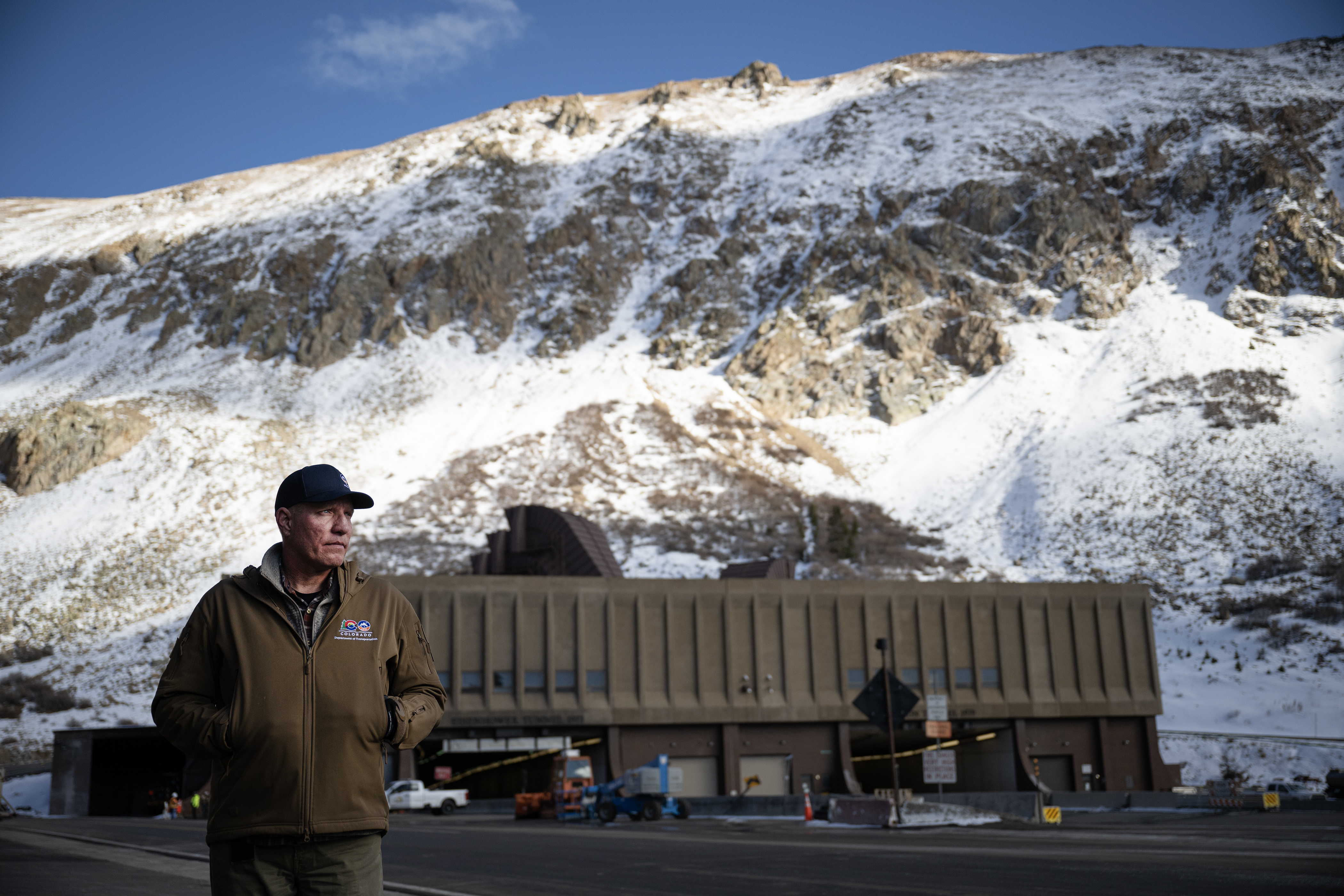
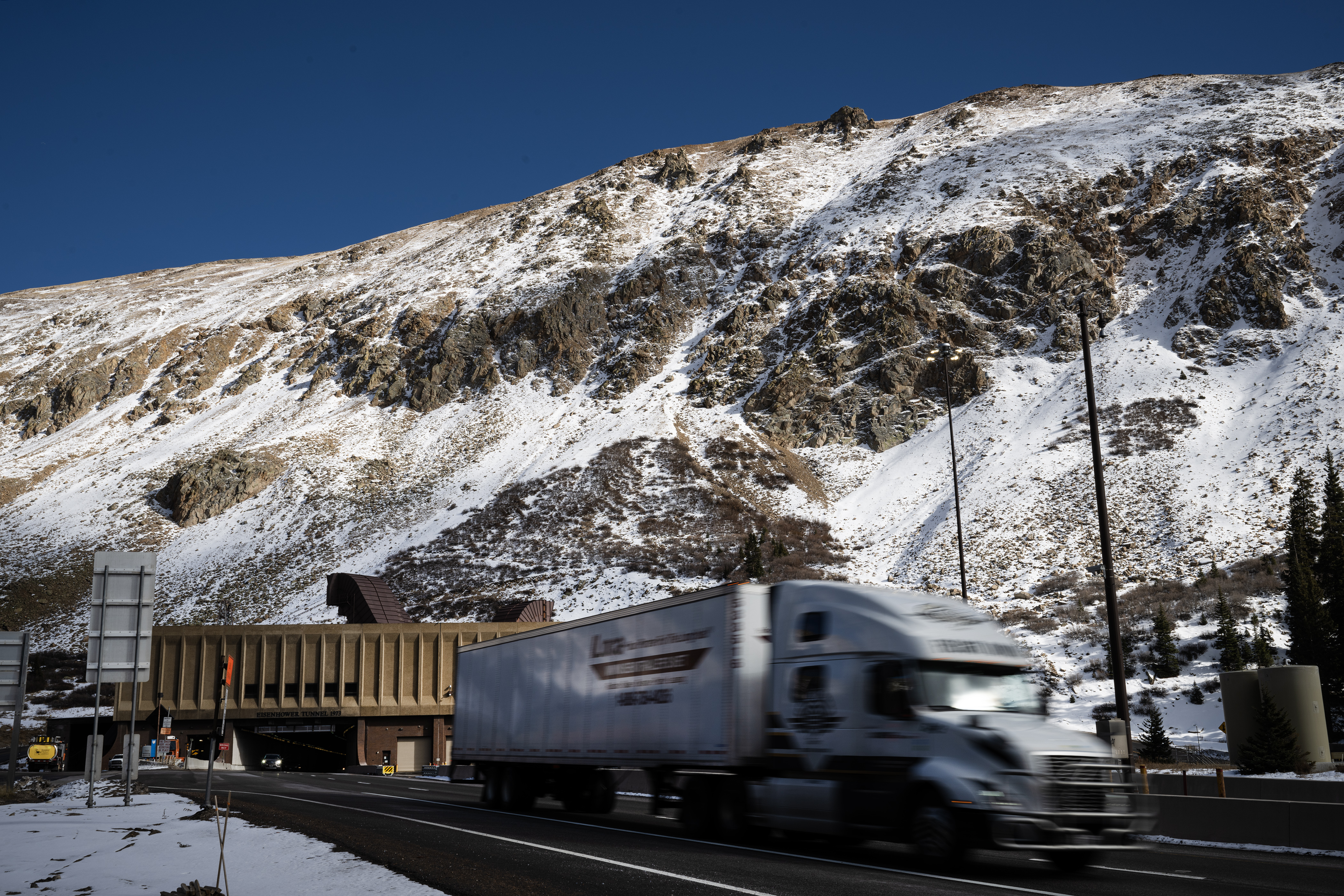
For 50 years the Eisenhower-Johnson tunnels on Interstate 70 have been both the most critical east-west highway link in Colorado and something of a poor cousin of the Colorado Department of Transportation.
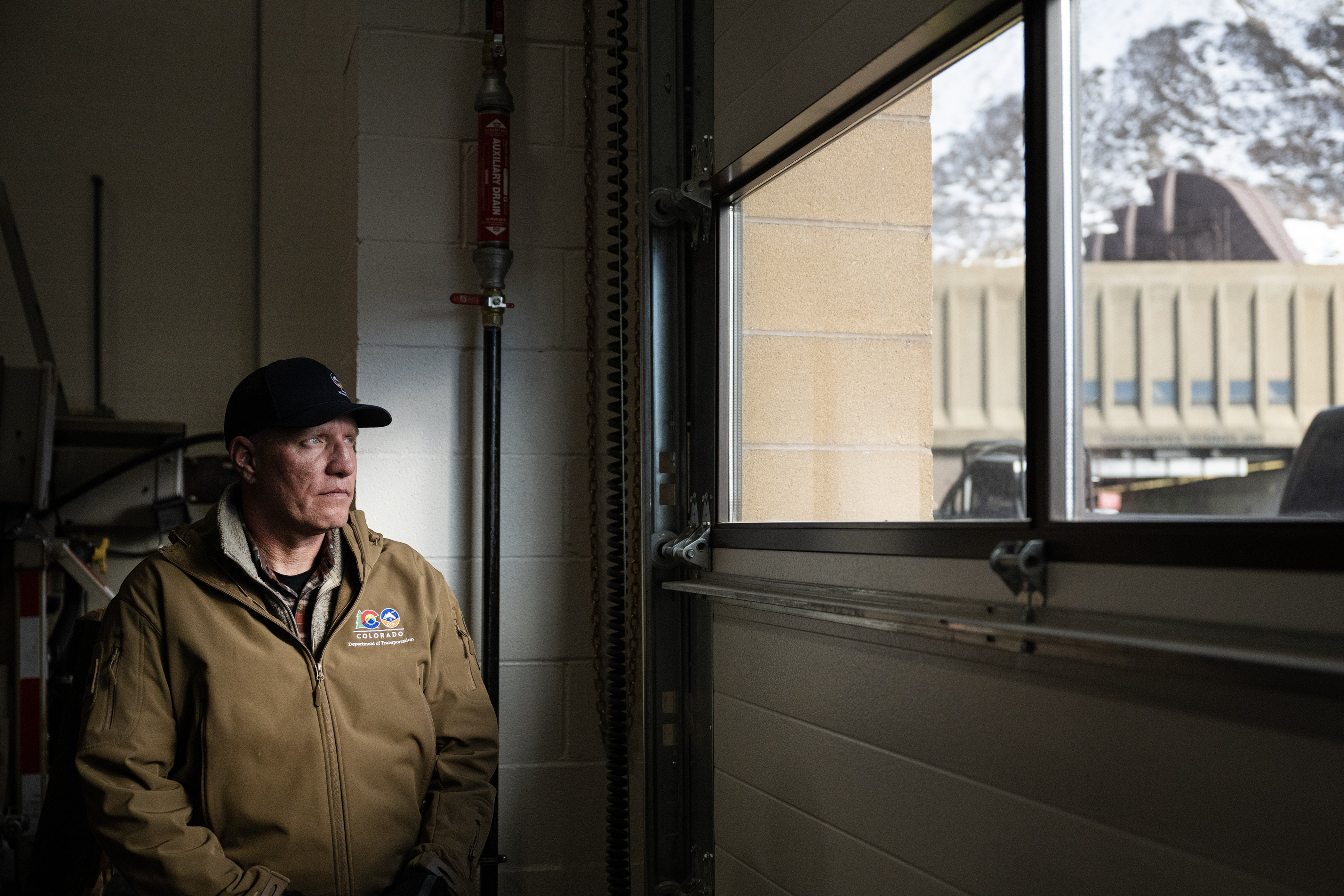
The tunnels are showing their age, said John Lorme, director of maintenance and operations for CDOT, and staffing has often fallen below 40%.
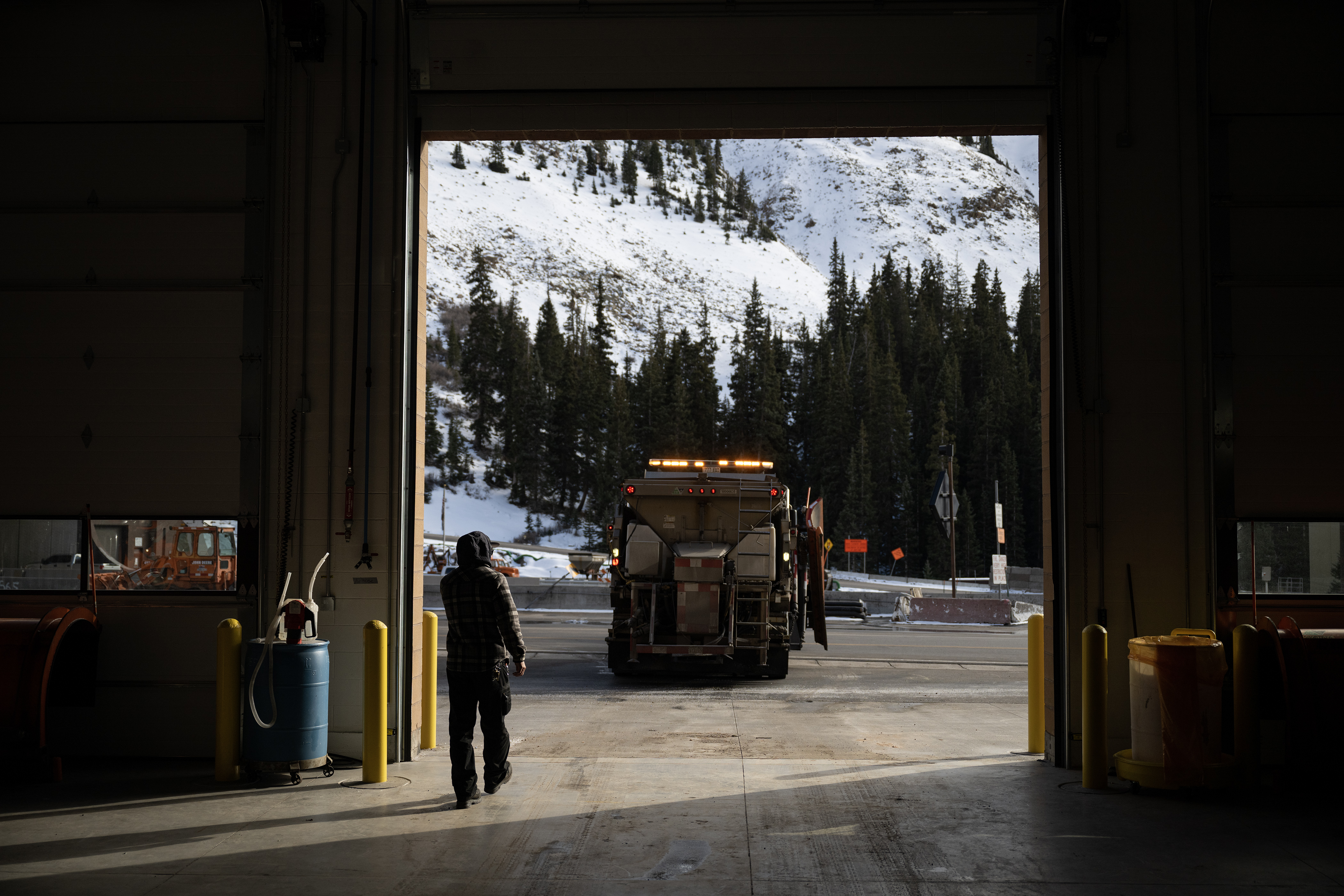
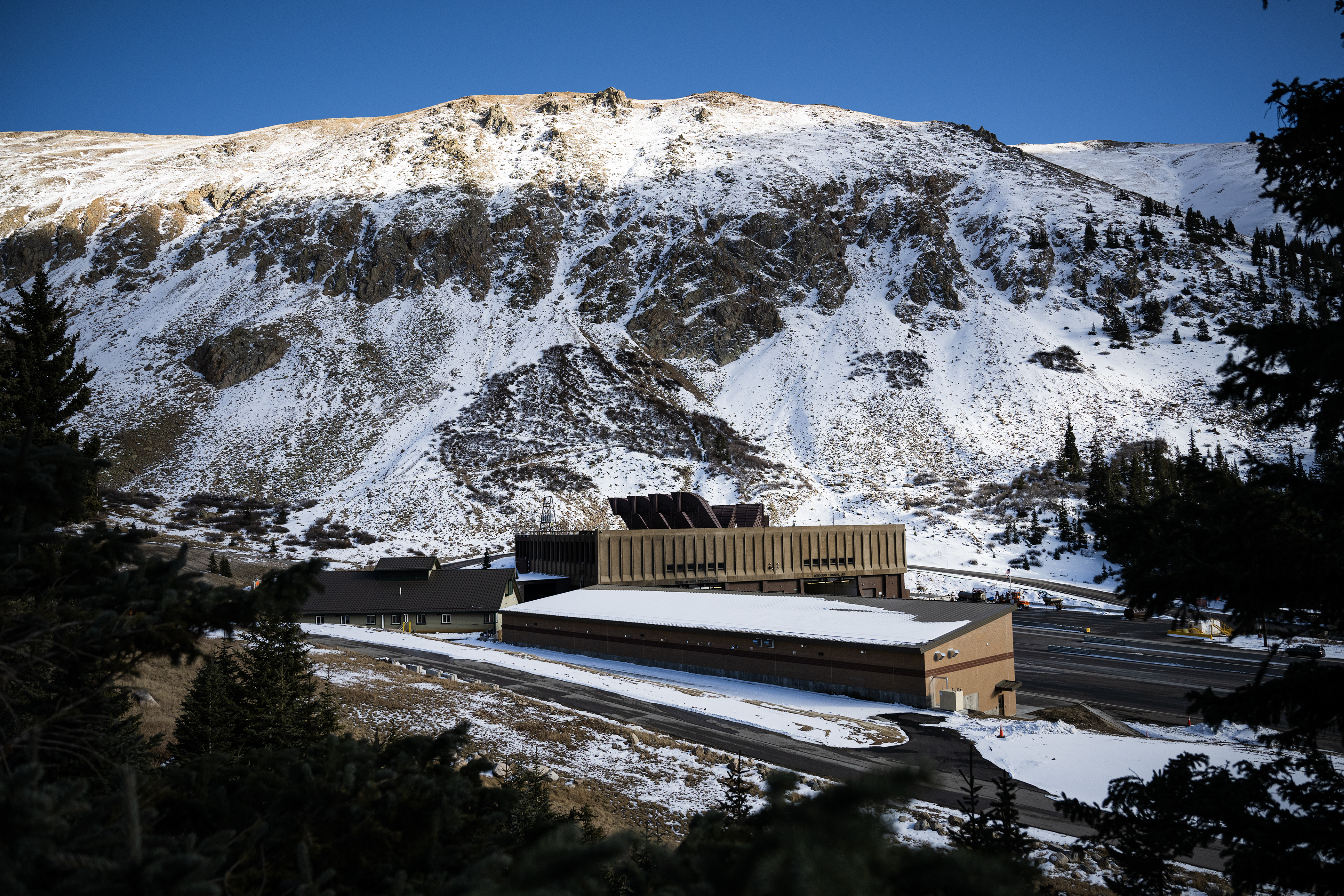
A $12 million project began at the tunnels about three years ago, when Lorme approached the Transportation Commission and convinced them to let him use that payroll savings from less workers during the COVID-19 pandemic — and other savings — to turn an old storage building at the west end of the tunnels into a state-of-the-art dispatch and command center. The project included building a 10-bay maintenance facility.
The new center is assigned to monitor the I-70 corridor from Golden to Silverthorne, including ancillary roads. Monitoring includes sophisticated laser monitors on Loveland Pass to detect avalanches from the Seven Sisters avalanche paths just above the Loveland ski area.
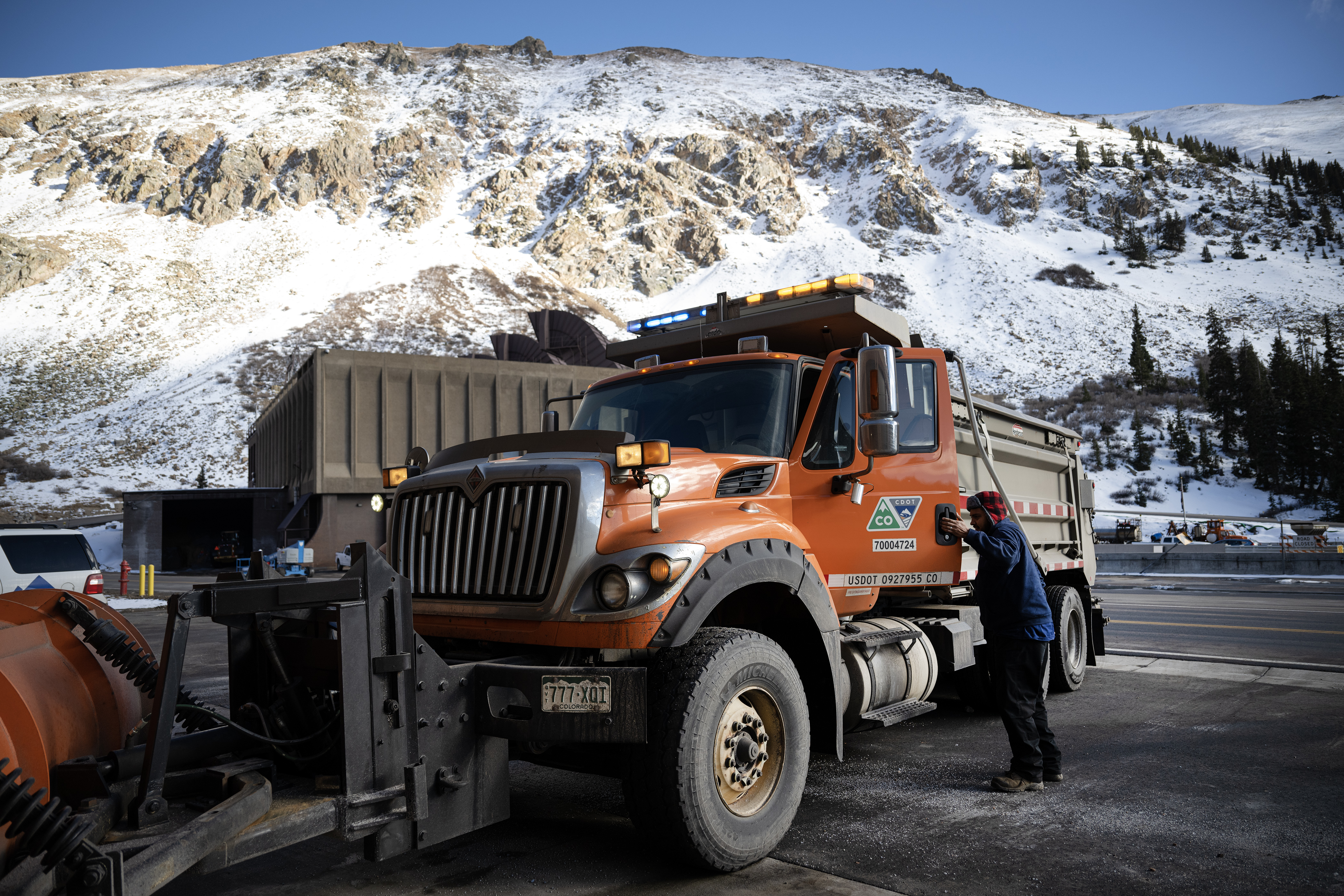
When the tunnels were built, CDOT’s snowplows were the size of pickup trucks and mid-size maintenance vehicles. Now, Lorme said, the fleet has not only grown but the trucks are too large to use the original maintenance facilities.
“If you’ve driven past here in the past, you might’ve noticed a lot of our equipment was literally staged outside,” said Lorme. “But our plows today are, and most of our vehicles, are all class eight vehicles and they’re too big to fit. So, for the past two and a half, three decades, we have been maintaining vehicles and operating outside in the elements year-round versus having facilities.”
Repairing equipment under those conditions at more than 11,000 feet above sea level meant that equipment often had to be loaded on trailers and trucked down the hill to CDOT maintenance facilities in Aurora.
“It takes resources, and it pulls that vehicle and those maintainers out of the fight up here,” Lorme said. “And we also had to wash vehicles at the bottom of the hill, because we’re really concerned about where the chlorides are going from our deicing materials and all the other road grime.”
Lorme said for the first time CDOT has wash bays at the tunnels that are environmentally safe and prevent contamination from road salts, petroleum products like grease and oil, and other pollutants.
Two mechanics bays allow trucks to be maintained where they are needed, and the other bays are all heated, which means drivers aren’t trying to get ready for a shift outside at -20 below 0 and 40-mile-per-hour winds.
This will dramatically improve morale among drivers, Lorme said.
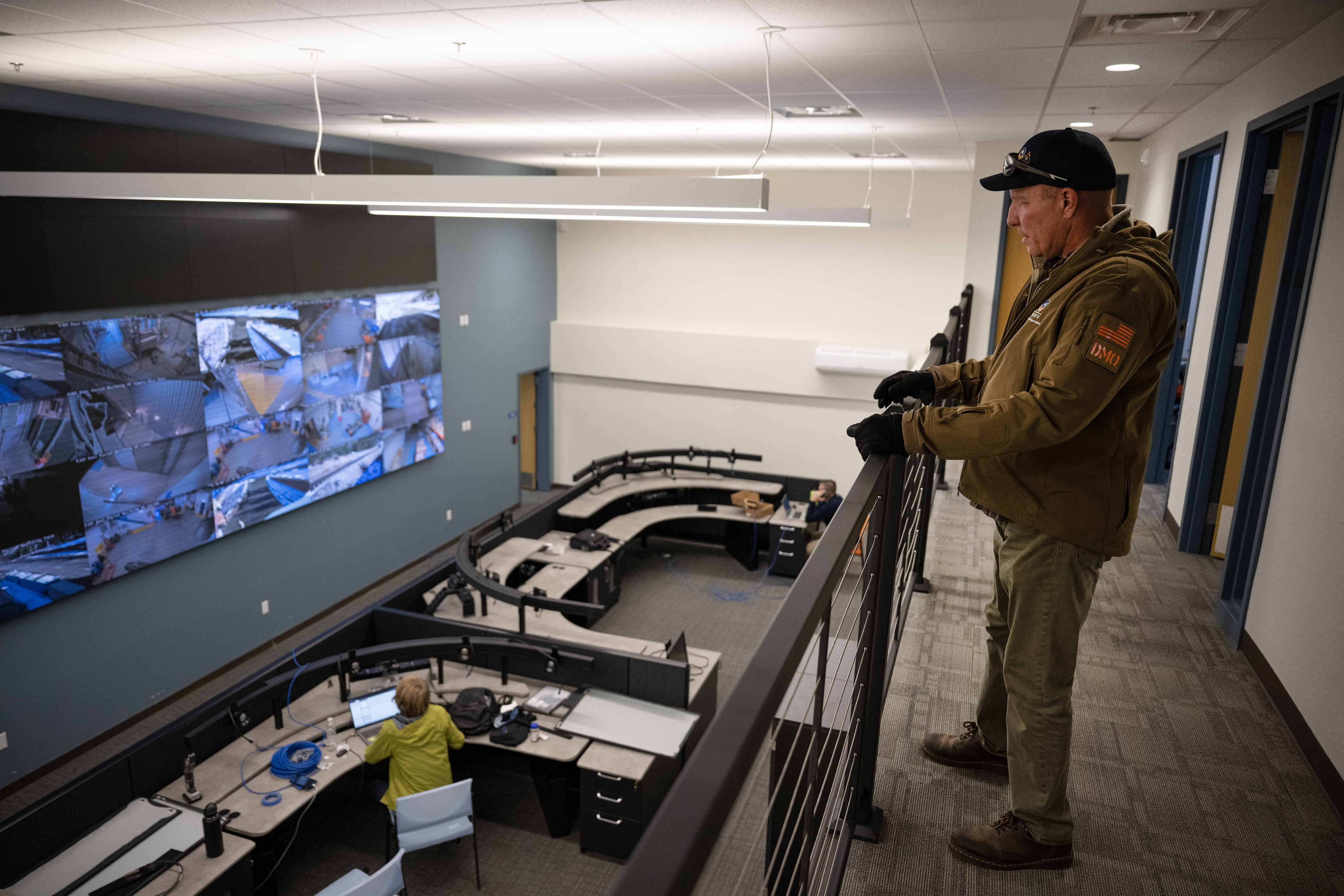
In addition to a sophisticated dispatch and monitoring room, the command center has emergency sleeping quarters, bathrooms, showers and cooking facilities as well as offices and conference areas.
When fully staffed, the center will have CDOT maintenance superintendents, the Colorado State Patrol, and other personnel on duty 24/7, Lorme said. Its two floors can also accommodate CDOT and local firefighters should the need arise.
The old operations center at the east end of the tunnel will still be used, but all the critical functions are now handled by the dispatch center — which has an enormous video wall with 48 monitors that can oversee all of the thousands of traffic cameras CDOT has installed all over the state.
“Most of the things you will never see,” said Lorme in an interview with the Denver Gazette. “They actually are the bones of communications that work within the systems. A lot of the tunnel infrastructure is literally copper wire or coaxial cable, and we’re upgrading all those systems to fiber optics and modern cabling systems.”
Lorme said using the old communications infrastructure is like trying to connect an iPhone to a 1970s television.
The dispatchers also monitor and control CDOT’s lighted highway signs and other connected infrastructure, including sensors on guardrails that can detect an impact. Video cameras can see problem potholes and other damage to roadways including accidents. Lorme said there is 100% video coverage on I-70 from Golden to Silverthorne.
Lorme was asked if artificial intelligence was being used to automatically detect accidents.
“That’s a great question and I believe we are,” said Lorme. “I do know that our fire suppression systems and our infrared cameras can notify us instantaneously when there’s a heat source. We also have a hot braking technology that we can tell a truck driver has got hot brakes and we can basically notify them through the message boards.”
This new command center is just one of four centers CDOT has. The primary center is in Golden, with centers in Pueblo, at the Hanging Lakes Tunnel on I-70, and now the Eisenhower-Johnson tunnels.
Each of the four can take over if any of the others fail.
CDOT is working hard, Lorme said, to recruit and retain drivers and maintenance personnel. Because of the cost of living in many of the mountain towns, CDOT offers housing stipends and Lorme has used savings to build housing specifically for CDOT personnel.
“We’re the first in the nation to do housing stipends,” said Lorme. “We have housing stipends because even with the salaries that we pay, you can’t live in Vail.
He said CDOT is also building housing specifically for CDOT personnel, most of whom are required to live within 30 minutes of their work assignment and are on-call 24/7.
“I have 11 condos that are about halfway built in Frisco, and I have 12 brand new homes that are being built in Fairplay,” said Lorme. “They’re 2,000 square foot, beautiful shotgun style, two-story, three-bedroom homes that maintainers are going to be living in. And then we’re going to build some outside of Aspen and Basalt, and we’re building some in Steamboat.”
Applicants do not have to have a commercial driver’s license or much experience. he said of the push to get more CDOT employees.
“(If) they’ve got two years of experience and they’ve got a decent reference or two, then we’ll put them through and we’ll make them professional highway maintainers from scratch,” Lorme said. “We are always looking for good people — hardworking, good people.”
He also said that CDOT maintenance workers are jacks-of-all-trades and are not trained in just one specialty, but are trained to do every kind of job for CDOT.
“Since we’ve started our training program, we’re recruiting 18-year-olds, male, female — greater numbers of females — a more diversified workforce,” said Lorme. “And we’re hoping that this continues to create a family atmosphere and that these guys or gals realize that, hey man, I’m going to stay here for a long time.”
To apply, go to colorado.gov and go to the careers homepage and search CDOT.
Get OutThere
Signup today for free and be the first to get notified on new updates.
PREV
PREVIOUS

Biden administration looks to tie highway funding to DEI: Senate GOP memo
Republicans on the Senate commerce committee circulated a memo accusing the Biden administration of tying highway funding to initiatives including “equity” and climate change. The memo, obtained by Fox News, is led by Sen. Ted Cruz (R-TX), ranking member on the Senate commerce committee, and it claims that “billions” in infrastructure funding are being tied […]

Food stamps: December SNAP payments worth up to $1,751 begin for Rhode Island residents in 10 days
Rhode Island residents who collect payments from the Supplemental Nutrition Assistance Program will begin receiving benefits for December in 10 days. Rhode Island is one of four states, the others being Alaska, North Dakota, and Vermont, that sends out SNAP benefits to all participating households on the first of the month. Other states send out […]