




Here’s when Miller moths will start to swarm in Colorado this year

This past weekend, I made the mistake of leaving the door open while I was heading in and out of my backyard with the pup – and sure enough, I noticed an intruder had snuck its way inside as I locked up for the night. Thankfully, it wasn’t one of the neighborhood bears or a local bobcat – but an old familiar friend.
High on my wall was a Miller moth. And just like that, I was reminded that the season when Colorado gets swarmed by hoards of the winged species is soon to be underway.
According to Colorado State University, Miller moths tend to appear along the state’s Front Range region sometime between mid-May and early June, hatching in the Eastern Plains and starting a migration to higher elevation parts of the state over the next two to three weeks, or up to six weeks on years where an ‘outbreak’ occurs.
As these highly-recognizable insects swarm lights and sneak their way into buildings, the presence of the Miller moth is difficult to miss during a Colorado spring.
What’s less-known is that these moths actually make a return trip to the plains region, too, later in the year. That said, a lot of moths won’t survive long enough to do so, making this fall return less noticeable given their lack of numbers.
Heading into each spring Miller moth season, there’s always a bit of speculation regarding ‘how bad it will be’ this year.
The most telling sign of whether or not there will be a large number of Miller moths is whether or not an outbreak of army cutworm caterpillars occurred earlier in the season in the plains, as these tiny bugs eventually morph into their winged phase of existence. If army cutworm caterpillar numbers are low, it’s inevitable that moth numbers will be low, too.
Factors like agricultural practices, natural predators, and particularly cold and wet seasons can be deadly to these caterpillars, thus lowering moth numbers, as well.
When it comes to the presence of moths, drier years when there are fewer natural water sources and less flowering plants in the natural landscape can concentrate moths around civilized areas where water and plantlife is more guaranteed.
As far as the 2024 Miller moth outlook goes, this spring has been a bit warmer than the norm – something that could contribute to a higher number of caterpillars, soon-to-be-moths, surviving. On the other hand, predictions of a wetter-than-average spring also seem to be holding true – something that tends to be not-so-great for caterpillar survival. And then there’s the drought – Colorado isn’t quite as dry as it was last year, meaning more moths could stick to the state’s natural landscape opposed to entering cities and towns given that more natural water sources may be available elsewhere.
While many Coloradans find Miller moths to be a nuisance, they serve a crucial role in the native ecosystem. According to the Butterfly Pavilion, these moths are an important food source for adult birds working hard to feed their offspring.
With the inevitable appearance of Miller moths en masse only weeks away, it’s once again time to remind Coloradans about how they can turn this season into a sort of game.
Instead of killing these moths – eliminating a food source for birds and potentially leaving a nasty mess behind, use a cup to capture them, sliding a piece of paper between the cup and the wall to trap them before releasing them outside. Keep a tally of successful releases as the season rolls on between house members, providing some sort of award for the ‘capture and release’ champion once the end of July hits. Read more about this game here.
Get OutThere
Signup today for free and be the first to get notified on new updates.
PREV
PREVIOUS
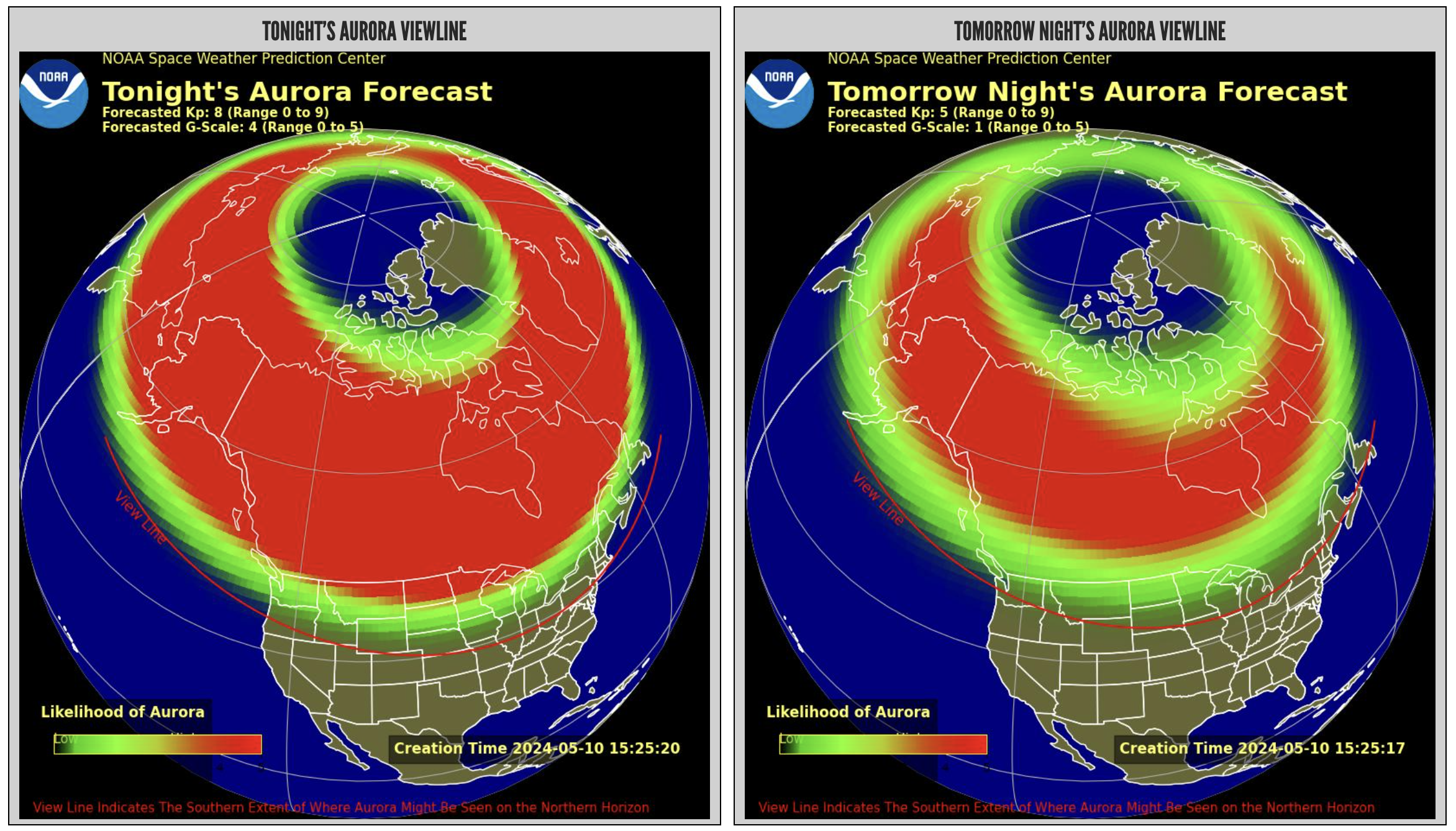
Here's where Coloradans might see 'supercharged' Northern Lights this weekend
Coloradans may once again have a unique opportunity to spot something spectacular in the night sky – that is, as long as the clouds hold off. According to the National Oceanic and Atmospheric Administration, the Aurora Borealis – also known as the Northern Lights – will be visible in a large chunk of the United […]

Colorado ski area offers $39 lift ticket deal to close out season
Ski season is far from over in Colorado – at least for one of the state’s highest elevation central mountain resorts. With Arapahoe Basin known for stretching the season into July during some particularly snowy years, it’s a safe bet they’ll stay open at least through the end of the month. And those looking to […]