




Invasive ‘eater’ as big as a 3-year-old child found in Colorado pond
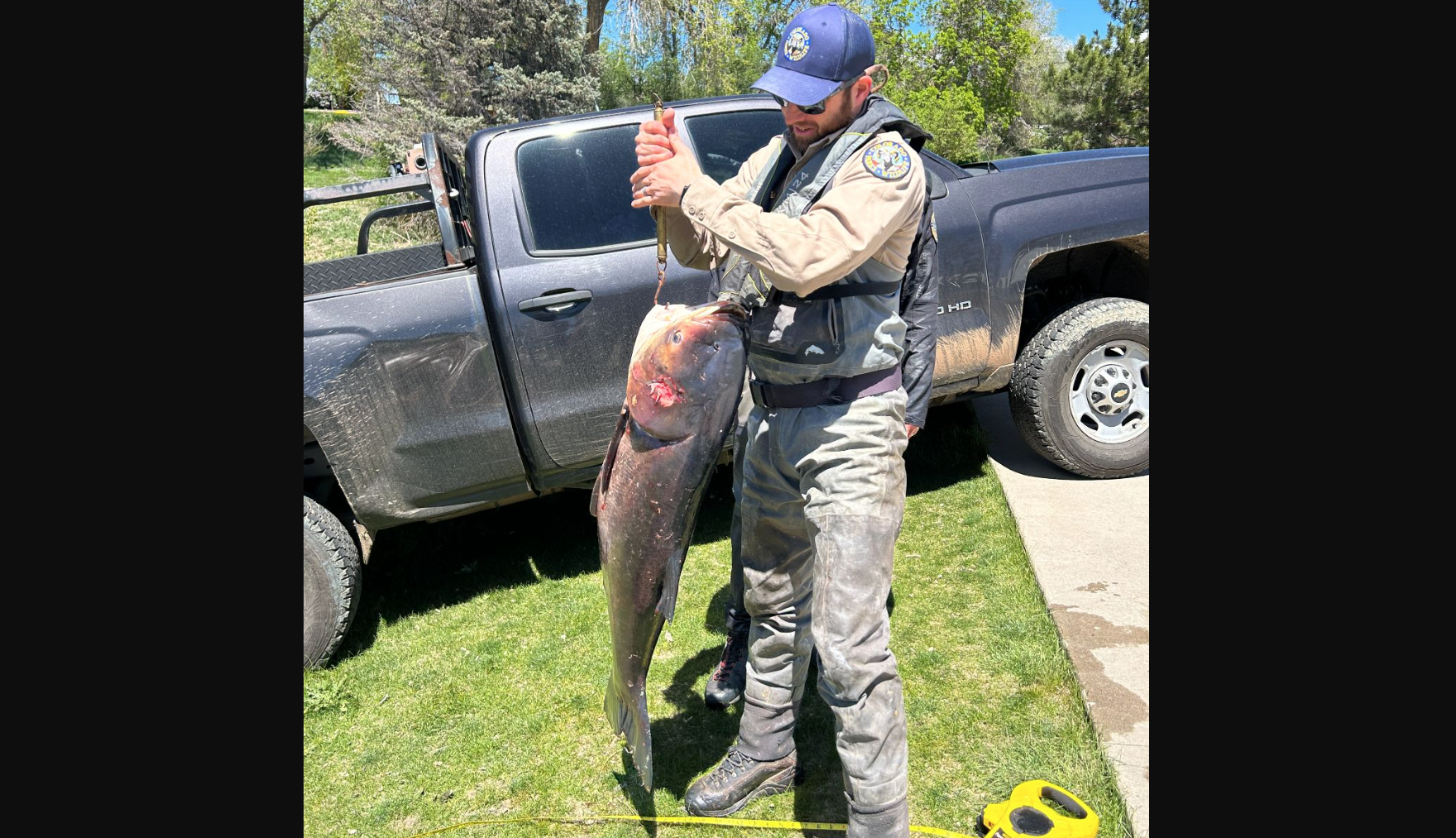
Colorado Parks and Wildlife followed up on a tip from an angler to determine that an invasive species known for causing big problems was present in one of the state’s ponds.
According to a May 13 press release on the matter, 14 bighead carp were removed from the pond at the Jack B. Tomlinson Park.
The fish were found using ‘electrofishing methods,’ which involves emitting electricity into the water to stun fish into a stupor. This technique makes it much easier to catch fish.
Bighead carp – part of the Asian carp family – can be problematic as they’ve got big appetites. Feeding mostly on plankton, this massive non-native species can outcompete species native to Colorado, making it difficult for these native species to survive and thrive.
Bighead carp caught by the team of Colorado Parks and Wildlife aquatic biologists all weighed at least 40 pounds (largest was 46), stretching at least three feet long. As those fishing in Colorado know, these fish are quite large compared to most native species. For reference, the average three-year-old human child is about three to three-and-a-half feet tall, weighing up to 38 pounds.
One silver-lining of the removal is that it’s believed the fish were not reproducing naturally in the pond – something CPW’s Kyle Battige called a “best case scenario.” That assumption was based on the size of the fish that were found.
The bighead carp species was introduced during a national study in 1992 to determine if the species could help reduce nuisance algae, later removed in 1995. That said, the species has persisted since.
Colorado Parks and Wildlife thanked the angler for reporting a potential invasive species situation and encouraged others to do the same.
Get OutThere
Signup today for free and be the first to get notified on new updates.
PREV
PREVIOUS
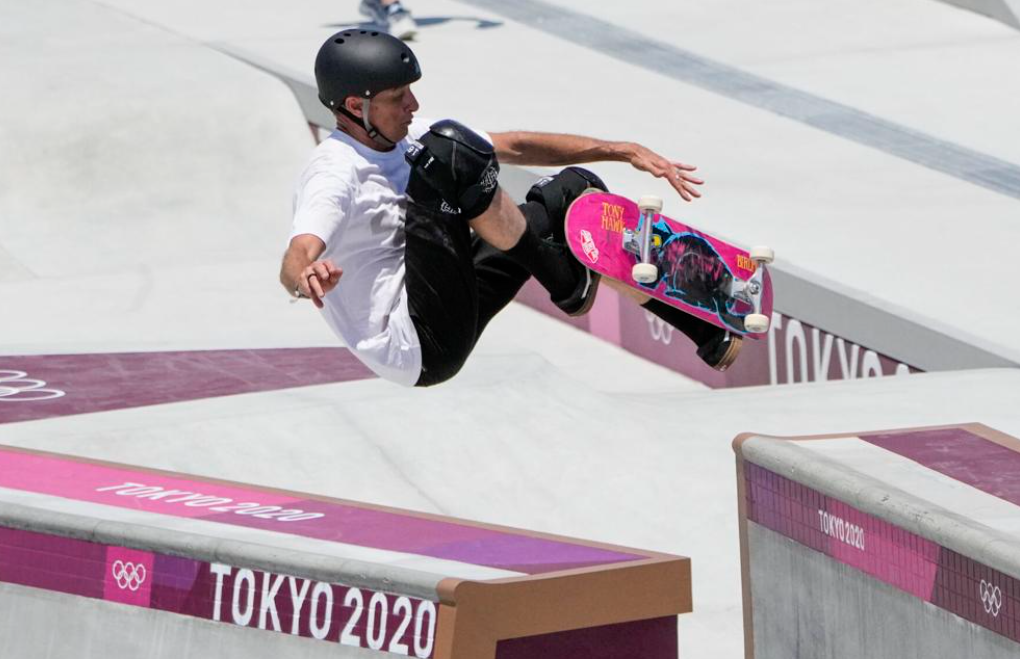
Skateboarding legend Tony Hawk attends son's graduation in Colorado
Over the weekend, skateboarding legend Tony Hawk posted photos of his recent trip to Colorado, during which he attended his son Keegan’s graduation ceremony from Colorado University Boulder. In an image from the special day that was posted by Tony Hawk, Keegan dons a stole noting his graduation from the College of Arts & Sciences […]
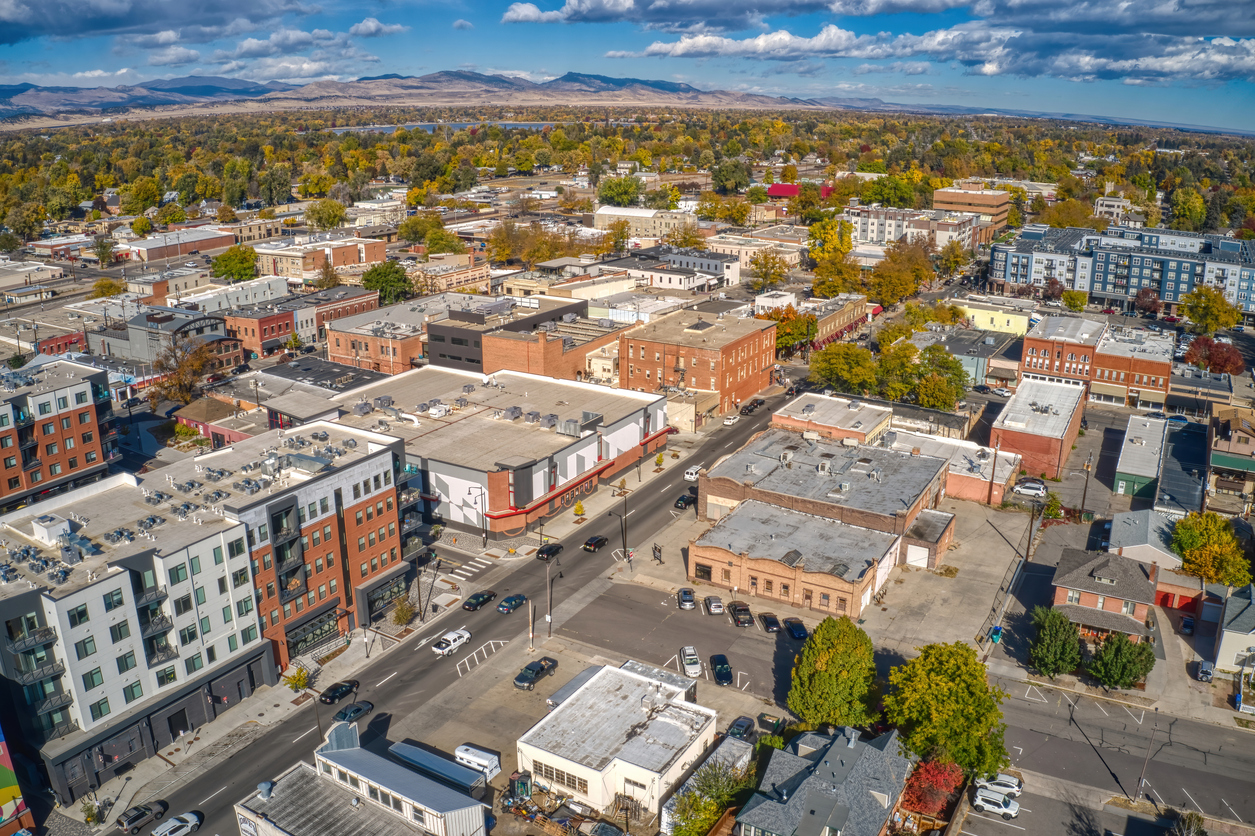
Natural area closed due to 'damage from unauthorized camping' to reopen in Colorado
After nearly two years, the City of Loveland will reopen King’s Crossing Natural Area for public use on May 16. According to a news release from Loveland, the reopening marks the “successful culmination of extensive restoration efforts taken since its closure on September 30, 2022.” Loveland closed King’s Crossing Natural Area in 2022 to restore […]