




The overlooked side of Lake Pueblo: 40-plus miles of sprawling trails through a geologic wonderland
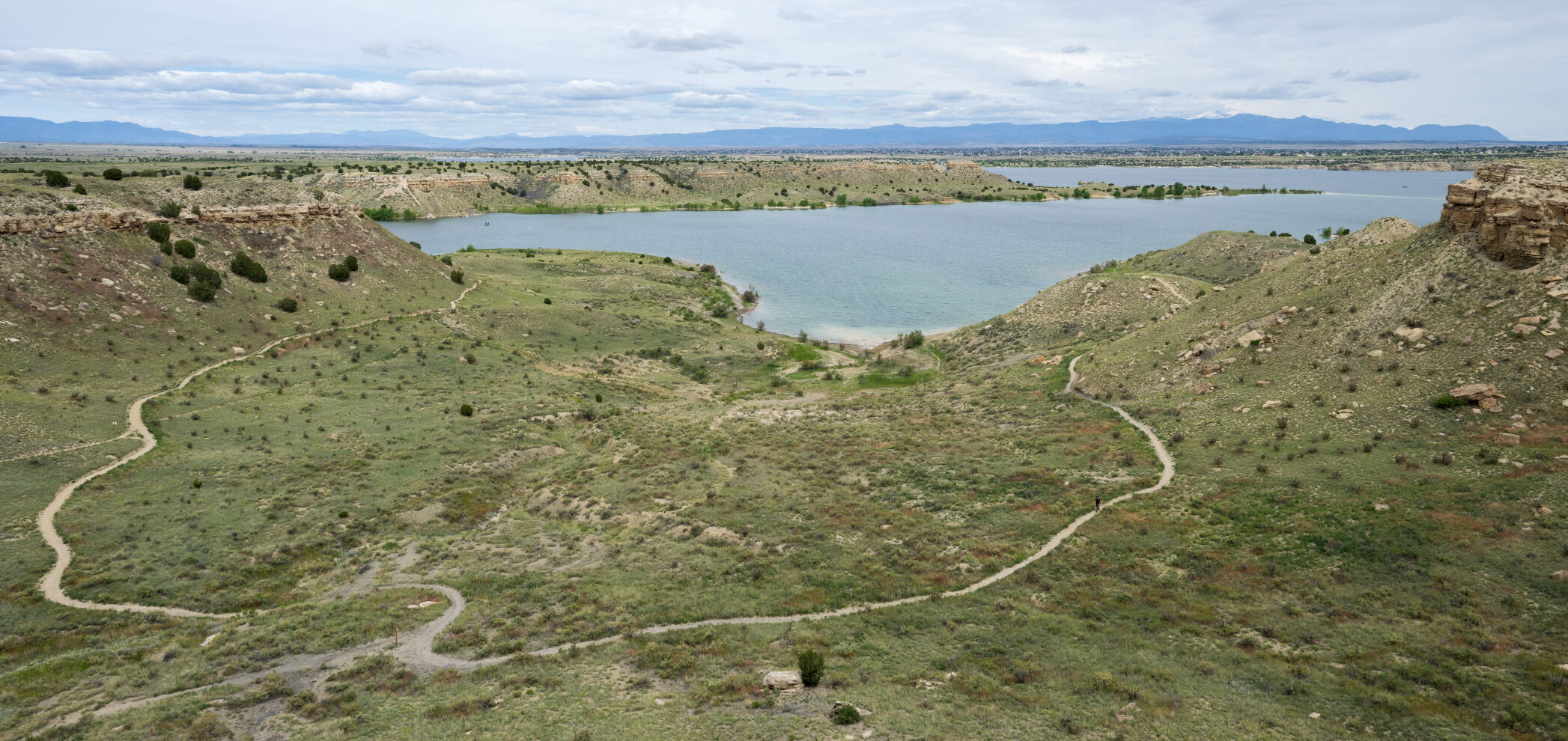
PUEBLO • The late-morning sun is rising, boats are revving up, stand-up paddleboarders are pushing out, and beach-day tents are popping up in a classic scene of Colorado summer. This is the popular scene at Lake Pueblo.
But there’s another side of the state park — a more “overlooked” side, says local outdoor enthusiast Maggie Reichel.
Overlooked even by fellow locals, she says. “Mostly because the people of Pueblo are so used to the reservoir. It’s like, you go to the state park, you go to the water.”
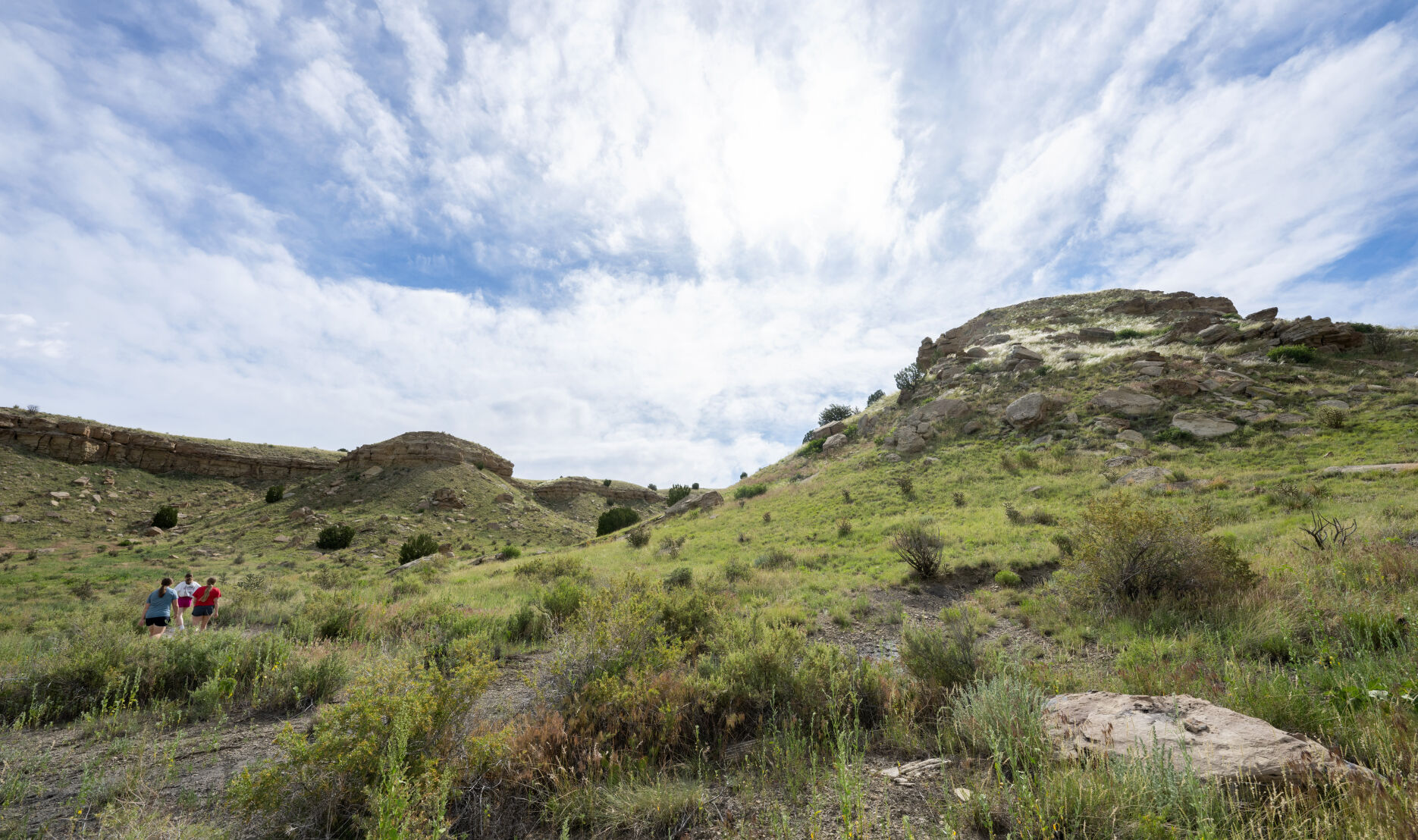
Reichel and others trend to the land — the trail system sprawling 40-plus miles through a geologic wonderland mixed between pinon and juniper and prairie.
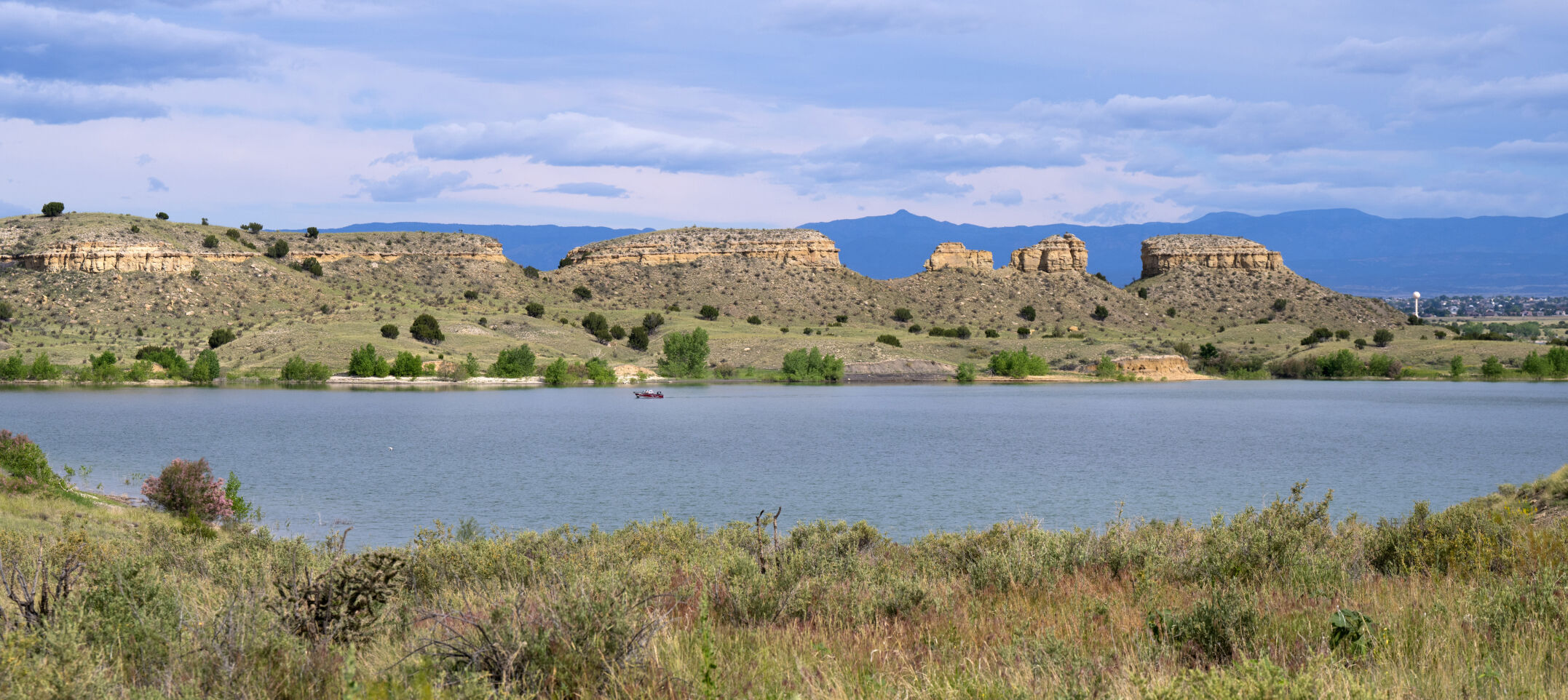
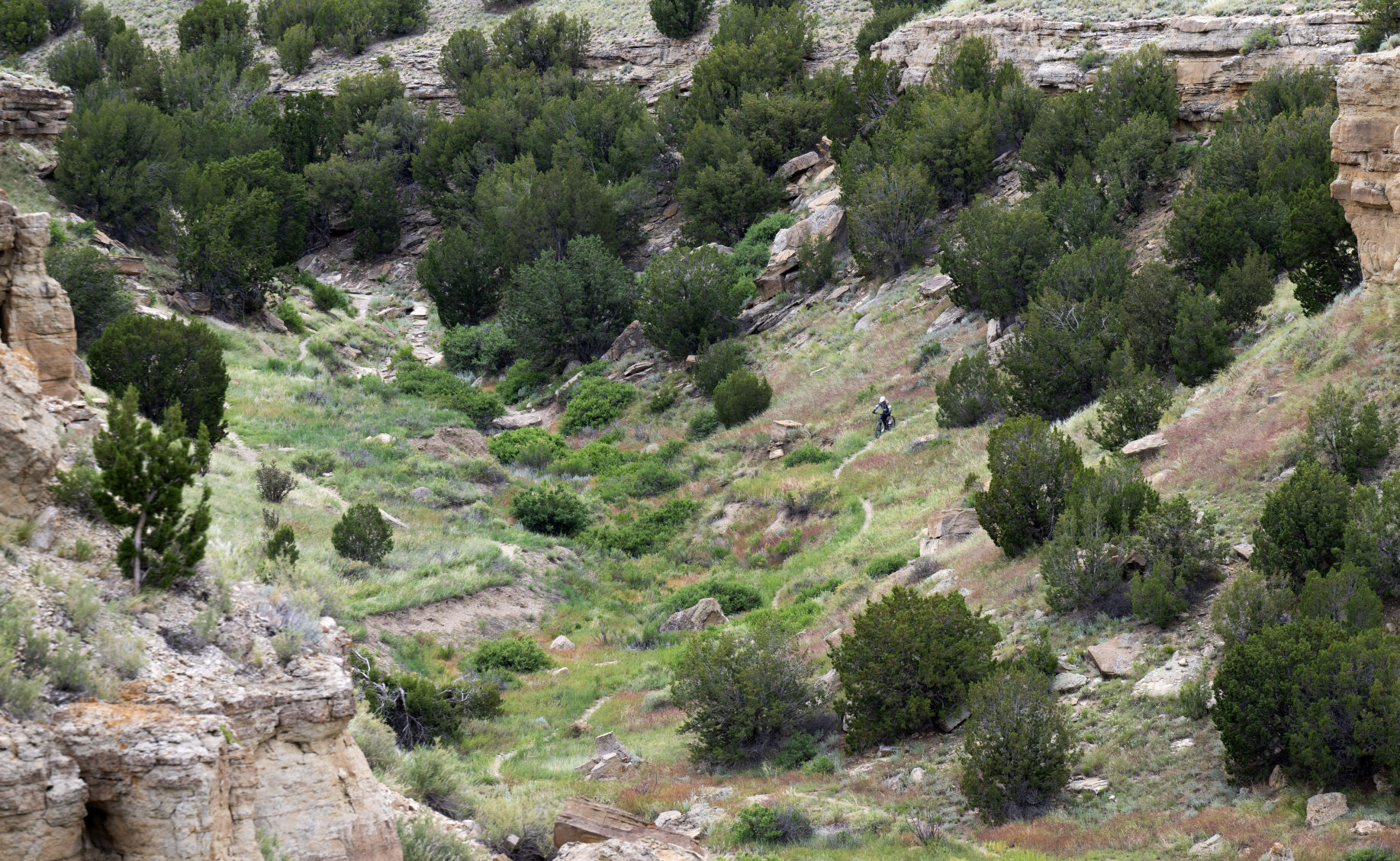
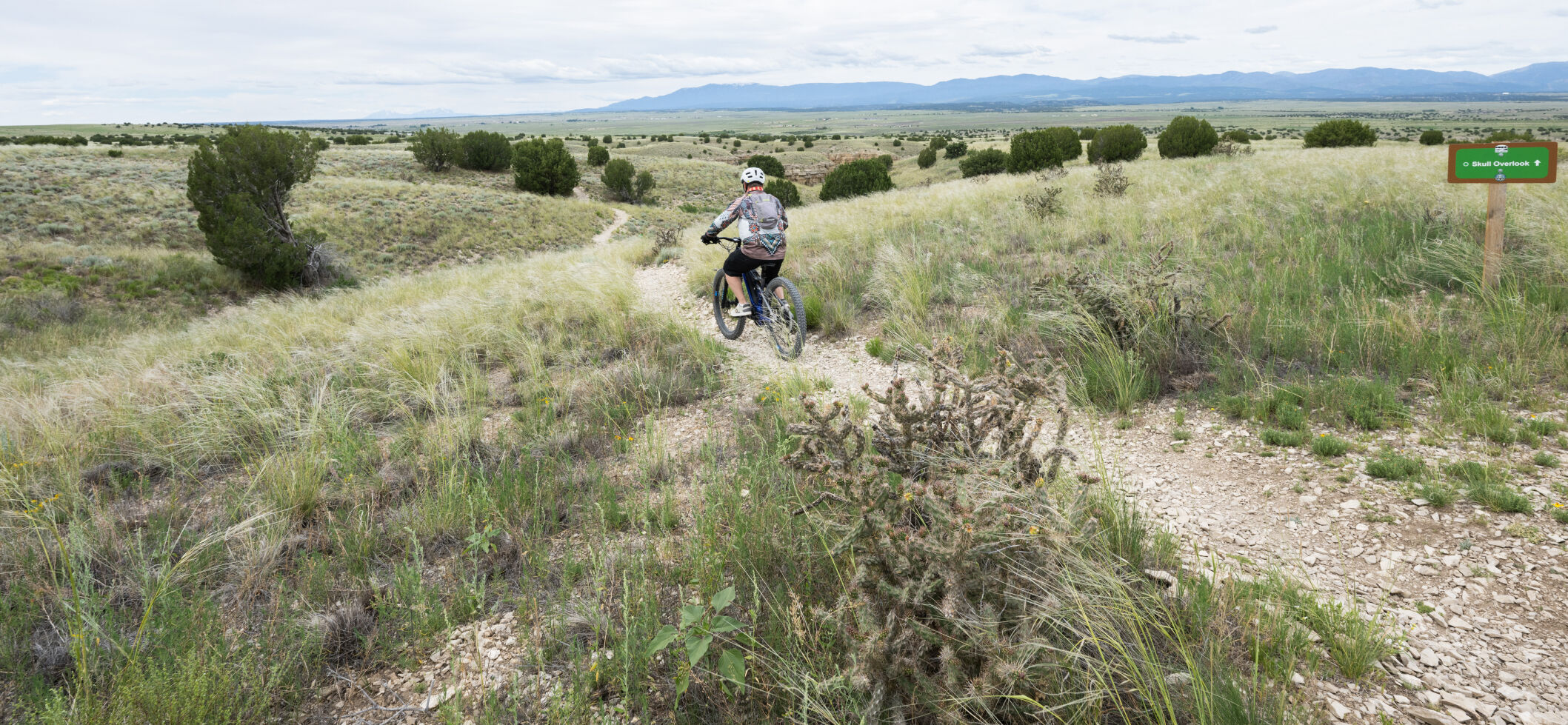
Here goes a mountain biker now along the upper bluffs, overlooking the sparkling water and surrounding panorama: Pikes Peak to the north, the Wet Mountains rolling to the west, the Spanish Peaks and Crestones scraping a big sky to the south. Here goes the biker, the trail his alone, everyone else busy on the water that defines Colorado’s busiest state park.
They don’t see what the biker sees: “That grass blowing in the wind is awesome, isn’t it?”
Those on the water don’t see the ocean of grass nor the rock up close like this. The pinnacles, buttes and castlelike promontories lend to “unique scenery found in few parts of Colorado,” says park manager Joe Stadterman.
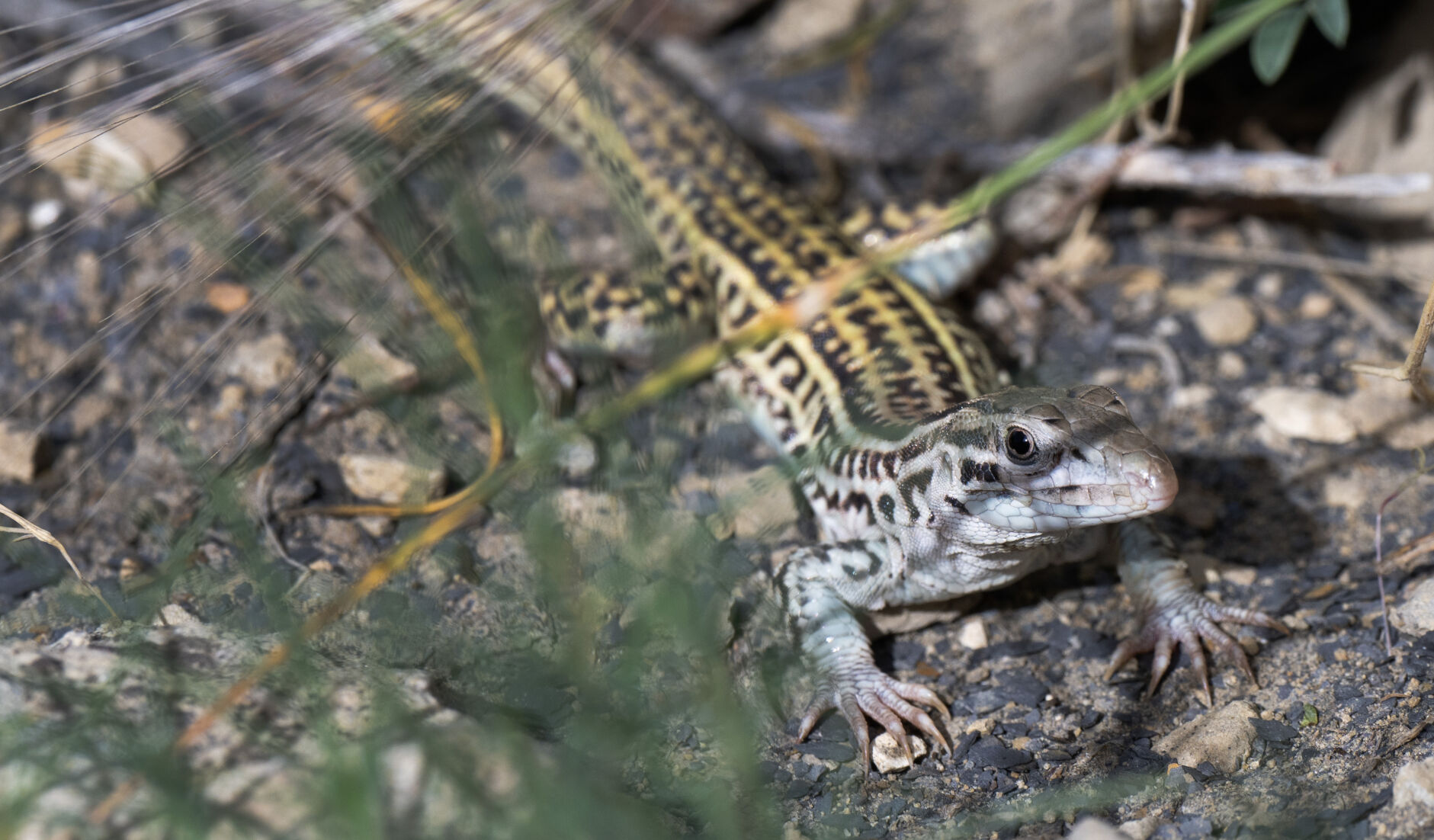
The cliffs, grasslands, woodlands and water make for an “Important Bird Area,” as defined by the National Audubon Society. Between mountain bikers and trail runners on the go, birders walk slow on the lookout for about 340 species said to appear here. They look, too, for a colorful array of lizards.
The surprises and delights go on and on like the singletrack at Lake Pueblo.
“For a lot of people who haven’t been out here, they’re gonna be pretty awestruck when they get out and see the terrain and some of the views and things,” says Mike McHenry, another local regular on the trails.
A lot of people have been out here.
“While we are not as well known as, say, Fruita, we are getting bigger and bigger following every year,” Stadterman says.
Lake Pueblo has been called “the Fruita of the Front Range,” for that desert mecca out west. And like Fruita, the trails here are much more popular in the shoulder seasons — in the cooler months, when this region’s dirt is known to stay dry unlike much of the state.
Yes, it’s notoriously hot in the summer.
“People think you can’t ride in Pueblo in the summer,” Reichel says. “If you’re smart about it and time it well, there’s plenty of opportunities.”
One is wise to bring plenty of water and start early around sunrise or late around sunset. One starts out amid the chorus of grasshoppers and birdsong.
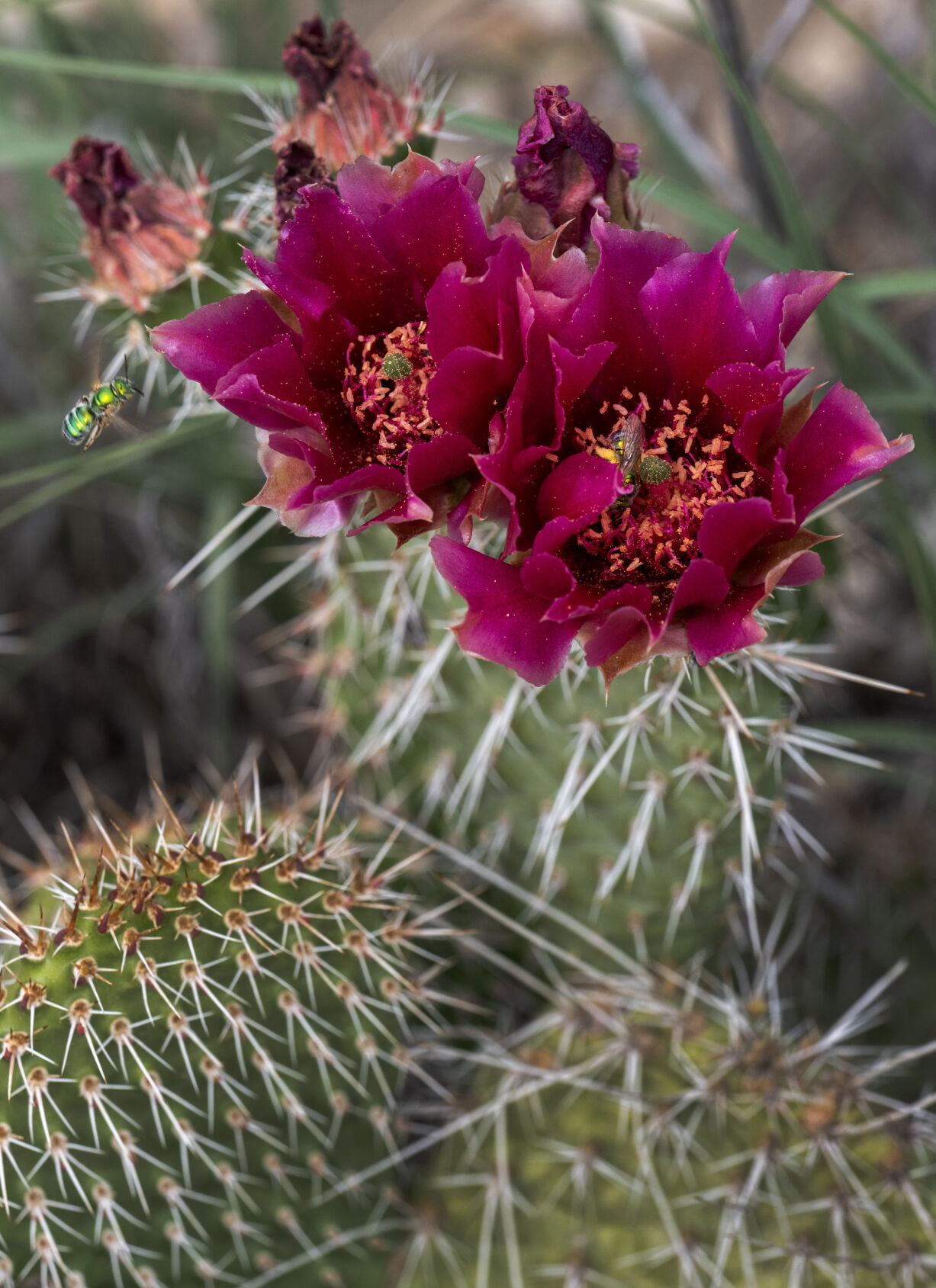
“It’s beautiful especially this time of year, when the wildflowers are popping off like crazy,” McHenry says.
No matter the temperatures, he and other regulars can’t keep themselves from the South Shore network’s signature, shale-coated trails touring side canyons and scenic peninsulas like Arkansas Point. Others venture off for longer, cross-country loops that meet more inlets and coves — and more than meets the eye.
The trail system “is a lot more varied than I think people realize,” says local “Muck” Kilpatrick.
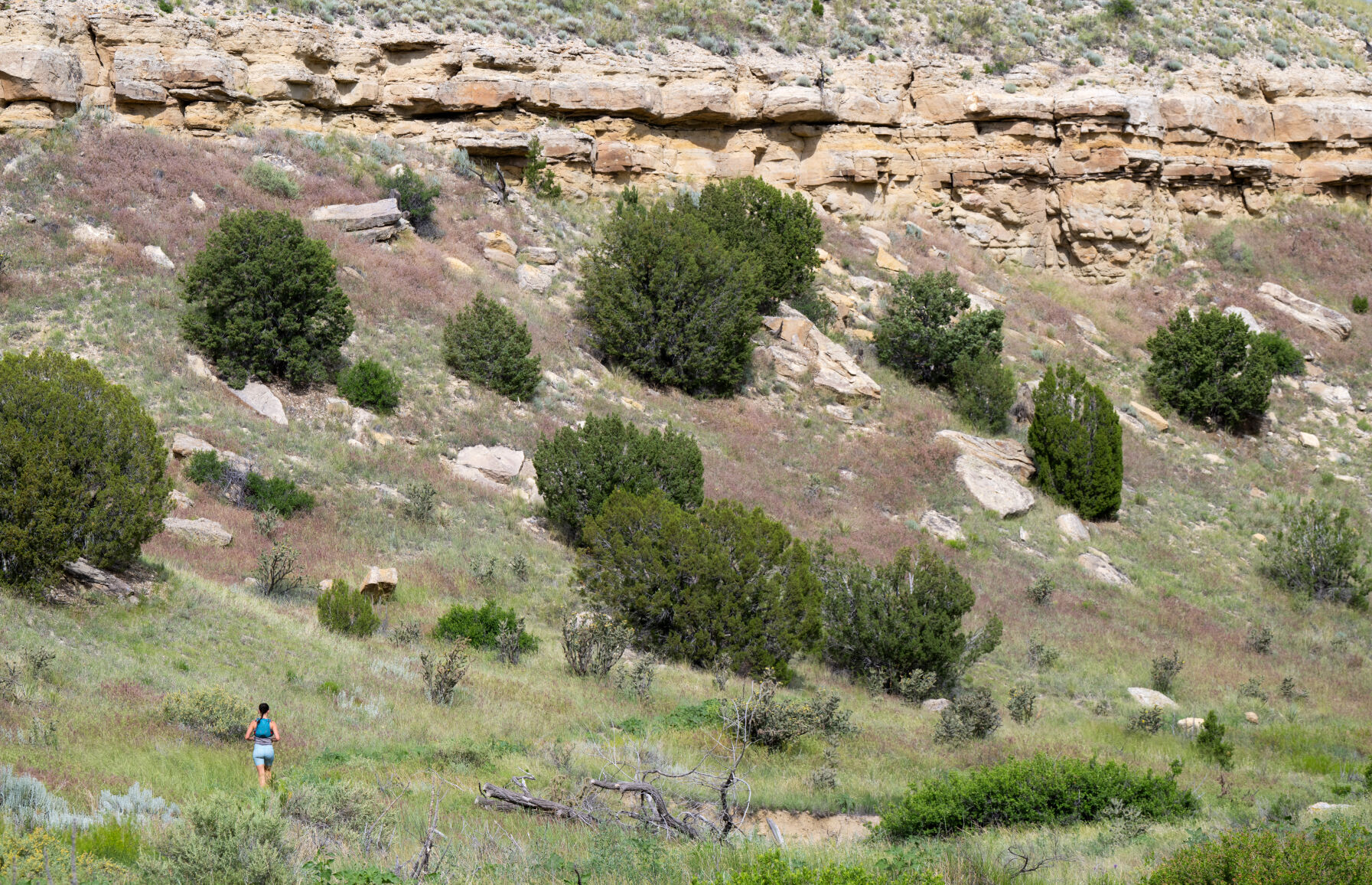
It’s not as vertical as you might expect for being the training ground of a mountain ultrarunner. But Kilpatrick racks up the mileage on “loops galore” and dashes up and down the steep, technical lines beloved by mountain bikers. Most importantly: “I can run 300-plus days a year on trail here,” Kilpatrick says.
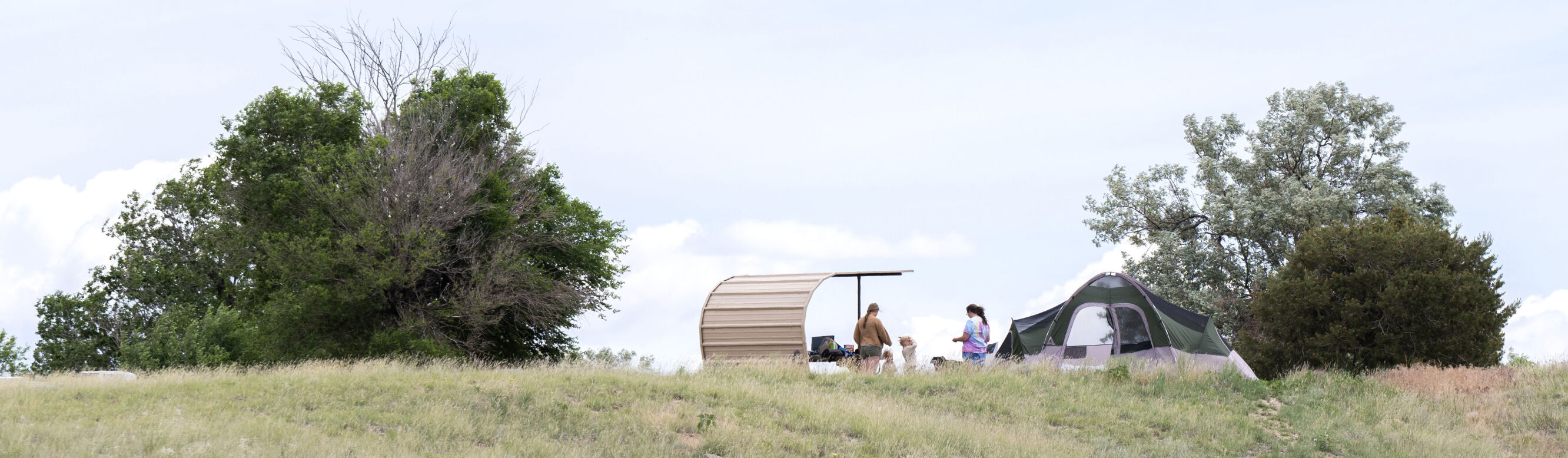
However hot in the summer, there’s always the cool, refreshing water that quintessentially differentiates the trail experience here. Campground sprinter vans are commonly seen equipped with bikes and kayaks.
“It’s a quiet, unique trail experience in Colorado for sure,” Kilpatrick says.
The experience has been assisted by signs in recent years, posted throughout the mazelike network. They were posted by Southern Colorado Trail Builders. That’s the group that formed out of an earlier, shovel-swinging bunch said to have dragged cinderblocks from their bikes to carve trails.
“Through the early 2000s, these social trails (continued) to evolve into an informal trail system developed with informal understandings with land managers and little structure,” reads a history on Southern Colorado Trail Builders’ website.
Now the group’s vice president, McHenry has been involved the past decade. It’s been a decade of diplomacy between local enthusiasts and land managers who took a hard look at those informal trails and their environmental impacts.
Riders saw an existential threat, some readying for rebellion. The tone softened, McHenry says.
“Myself but more so my colleagues there around 2014, 2015 really bought into, ‘We can’t be combative with (Colorado Parks and Wildlife) and (Bureau of Reclamation),’” he says. “We need to be partners in their management and show them that we’re capable.”
That meant surrendering some trails for closure, assisting on reroutes for others. Southern Colorado Trail Builders gained nonprofit status in 2017, the year a memorandum of understanding was signed with land managers. The nonprofit volunteers would be in charge of trail maintenance, repairs and improvements, all leading up to the 2020 management plan that pledged to keep 98% of the existing trails.
The Trail Builders’ role continues. “They are our local experts that CPW relies on to make sure we are delivering a quality experience,” says Stadterman, the park manager. He calls the partnership “a model of how local volunteers and governments can work together to create an exceptional recreational experience.”
Kilpatrick, for one, is grateful. Years after he feared the trails would be lost, he volunteers now for Southern Colorado Trail Builders.
“I will always be in their debt, because I can bring my kid there,” he says.
He hesitates to invite the masses; the trail system can feel “like this hidden gem,” he says. But he aligns with Southern Colorado Trail Builders’ hope: “The more people getting out there the better,” Kilpatrick says.
Indeed, “I think Pueblo can leverage that even further,” McHenry says. “I think (the trails) can become just as synonymous with Pueblo as the green chile.”
The economic benefit, the benefit on body, mind and spirit — Reichel, a local small-business owner who moved to Pueblo from the Denver area for the affordability and outdoor access, similarly knows the power of trails.
“Because the trails kind of started off as illegal … it’s been just recently that they became more sanctioned and promotable,” Reichel says. “So I think that’s part of our job now, too.”
Young parents make up Southern Colorado Trail Builders’ volunteer base, and perhaps that’s no coincidence. Reichel is mother to a young son, with a girl on the way.
“Being able to see my son and soon my daughter have access to these resources and appreciate them, that’s huge,” she says.
Get OutThere
Signup today for free and be the first to get notified on new updates.
PREV
PREVIOUS

North Dakota could introduce new rule for aging lawmakers
North Dakota voters will decide on a measure that could impose age limits for members of Congress. In the state’s Tuesday primary, North Dakota will vote on Measure 1, which would bar residents from being elected or appointed to serve in the House of Representatives or the Senate who are over the age of 81. […]
Jimmy Carter ‘experiencing the world as best he can’ as he spends most days not awake
On Tuesday, Jimmy Carter’s grandson gave an update on the former president’s health, saying the family cherishes each waking moment with the 99-year-old as he slips deeper into a semi-cognizant state. Jason Carter made the comments during an interview with Southern Living, telling the magazine that his grandfather is no longer awake every day during […]