




What to know about this week’s massive heatwave and how to stay safe
'Moderate' heat risk expected in the Front Range and 'major' heat risk in Southeast Colorado.

Things are about to heat up in much of the U.S., including in Colorado, with dangerously hot temperatures in the Midwest and Northeast next week, prompting health officials to urge people to make plans now to stay safe.
The heat wave follows an earlier-than-usual one in the Southwest last week, which saw triple-digit temperatures in cities like Phoenix, where there were 645 heat-related deaths last year.
In Colorado, much of the Front Range will be under “moderate” heat today, with temperatures reaching 95 degrees Fahrenheit in Denver, according to the National Weather Service’s heat risk map.
The moderate heat will cover areas in the northern Front Range such as Greely and Fort Collins, all the way down to Denver, Colorado Springs, and Pueblo, with temperatures in the mid-to-upper 90s.
Colorado’s southeast corner — Lamar, Las Animas, La Junta, and their surrounding cities — can expect “major” heat today, with temperatures up to 103 degrees Fahrenheit.
Last year the U.S. had the most heat waves — abnormally hot weather lasting more than two days — since 1936. In the South and Southwest, last year was the worst on record, according to the National Oceanic and Atmospheric Administration.
The next heat wave will ramp up this week in the center of the country before spreading eastward, the National Weather Service said, with some areas likely to see extreme heat in reaching daily records. The heat wave could last all week and into the weekend in many places.
Here are some things to know:
What areas will see extreme heat?
There will be areas of extreme heat — when there’s little or no overnight relief — from eastern Kansas to Maine, according to a National Weather Service heat risk map. Heat will build over the Plains states on Sunday, where there will be extreme heat by Monday that spreads eastward into the Great Lakes states and Northeast.
Temperatures will be in the mid- to high-90s in many areas and likely will be at daily records in the Ohio Valley and Northeast, with the dew point making some areas feel as hot as 105 degrees Fahrenheit (41 degrees Celsius), the weather service said.
It’ll be the Detroit metro area’s worst heat wave in 20 years or more, with temperatures forecasted in the mid-90s and heat indices around 100 F (38 C) starting Monday and potentially lasting into the weekend, National Weather Service meteorologist Steven Freitag said. There’s a chance the area could see its first 100-degree day since July 2012.
Although nighttime temperatures will dip into the 70s, providing some relief, the duration of the heat can have a cumulative and potentially dangerous effect on the body, Freitag said.
What are the dangers of extreme heat?
Heat-related illness can be deadly if not recognized and treated early, and often starts with muscle cramps or spasms, experts say. Heat exhaustion and heat stroke could follow.
Young children and infants, pregnant women, the elderly and people with chronic medical conditions are especially vulnerable, as are those who can’t get around well or who live alone.
Symptoms of heat exhaustion may include heavy sweating and fatigue; a weak pulse; skin that’s cool, pale or clammy; and headache, dizziness, nausea and fainting. The person should be moved to an air-conditioned space and offered sips of water. Loosen their clothing and apply cool, wet cloths or put them in a cool bath. Seek medical help if they vomit.
A person suffering heat stroke may experience headache, confusion, nausea, dizziness and a body temperature above 103 F (39.4 C). They also may have hot, red dry or damp skin; rapid pulse and faint or lose consciousness. The CDC advises people to call 911 immediately and, while waiting for help, use cool cloths or a cool bath and move them to an air-conditioned space, but do not give them anything to drink.
How can you stay safe?
Stay indoors in an air-conditioned space and limit outdoor activities, experts said. If you don’t have air conditioning, find out if your community will open cooling centers. But even those with air conditioning should plan ahead in the event of a power outage, said Freitag, from the National Weather Service. Limit outdoor activities to the morning or, better yet, don’t go outside, he said.
Other tips from the Centers for Disease Control and Prevention:
1. Drink plenty of water and take a cool shower or bath.
2. Wear lightweight, loose-fitting clothing, and use your stove and oven less.
3. Check on friends and relatives, especially those without air conditioning.
Communities also can prepare by opening cooling centers in places like schools and libraries. Some also send text messages to residents or have hotlines that people can call for help.
In Franklin County, Ohio, the office on aging is distributing fans to residents 60 and older, spokeswoman Kristin Howard said.
And some businesses whose employees work outside say they will start earlier to avoid the worst heat.
“When you get this sort of heat, any outdoor activities has to be a short duration (preferably) … in the early morning hours,” said Freitag. “But otherwise, there really shouldn’t be any outdoor activity with physical exertion during the peak of the day.”
There will be areas of extreme heat — when there’s little or no overnight relief — from eastern Kansas to Maine, according to a National Weather Service heat risk map. Heat will build over the Plains states on Sunday, where there will be extreme heat by Monday that spreads eastward into the Great Lakes states and Northeast.
Denver Gazette reporter Anya Moore contributed to this article.
Get OutThere
Signup today for free and be the first to get notified on new updates.
PREV
PREVIOUS

‘What the f***?’: Celebrities baffled voters like Trump for sounding ‘normal’
This week’s Liberal Media Scream features world-class comics expressing shock that the public connects with former President Donald Trump because he sounds normal and even funny. “What the f***?” yelped Charlamagne tha God, appearing on Friday’s Real Time with Bill Maher’s “Overtime” with liberal talker Ana Navarro. The trio were talking about Trump and answering […]
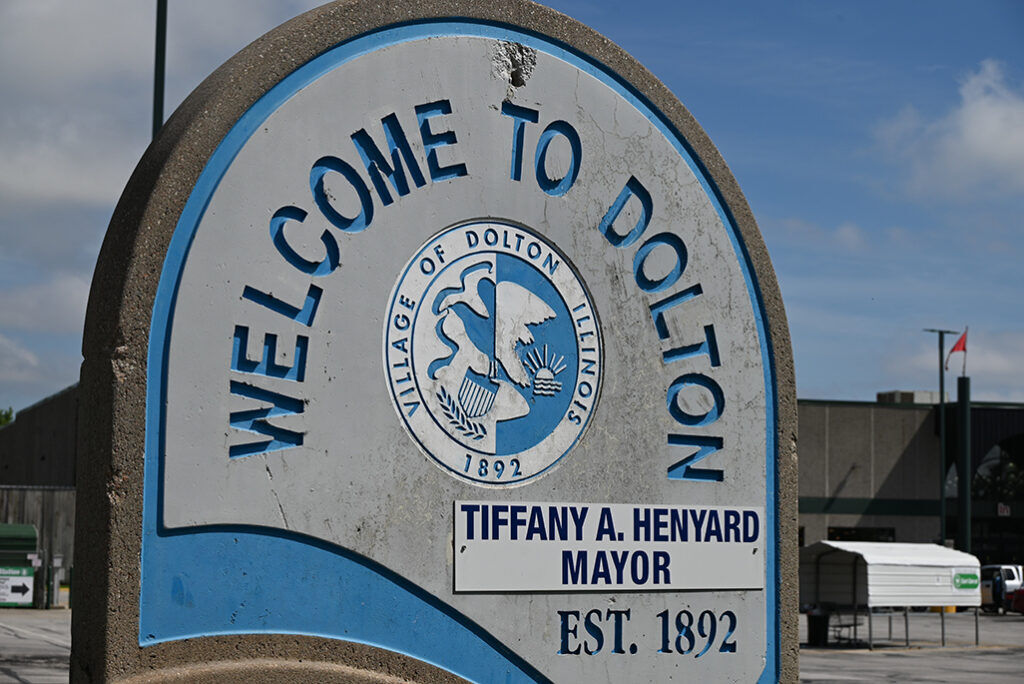
Tiffany Henyard sued for allegedly firing employee who wouldn’t cooperate with political plans
Mayor Tiffany Henyard of Dolton, Illinois, is facing a lawsuit for allegedly wrongfully terminating an employee in the latest string of controversies facing the self-described “super mayor” in the south-of-Chicago suburb. Former maintenance manager Dwayne Thrash stated that he believes his refusal to cooperate with Henyard and her assistant Keith Freeman in firing another employee […]