




Colorado to release more wolves in northern zone against wishes of ranchers

Ranchers from Grand and Jackson who have lost dozens of sheep and cattle to wolves greeted with dismay the news on Friday that the Colorado Parks and Wildlife intends to release the next batch of the apex predators in the exact zone where they are depredating.
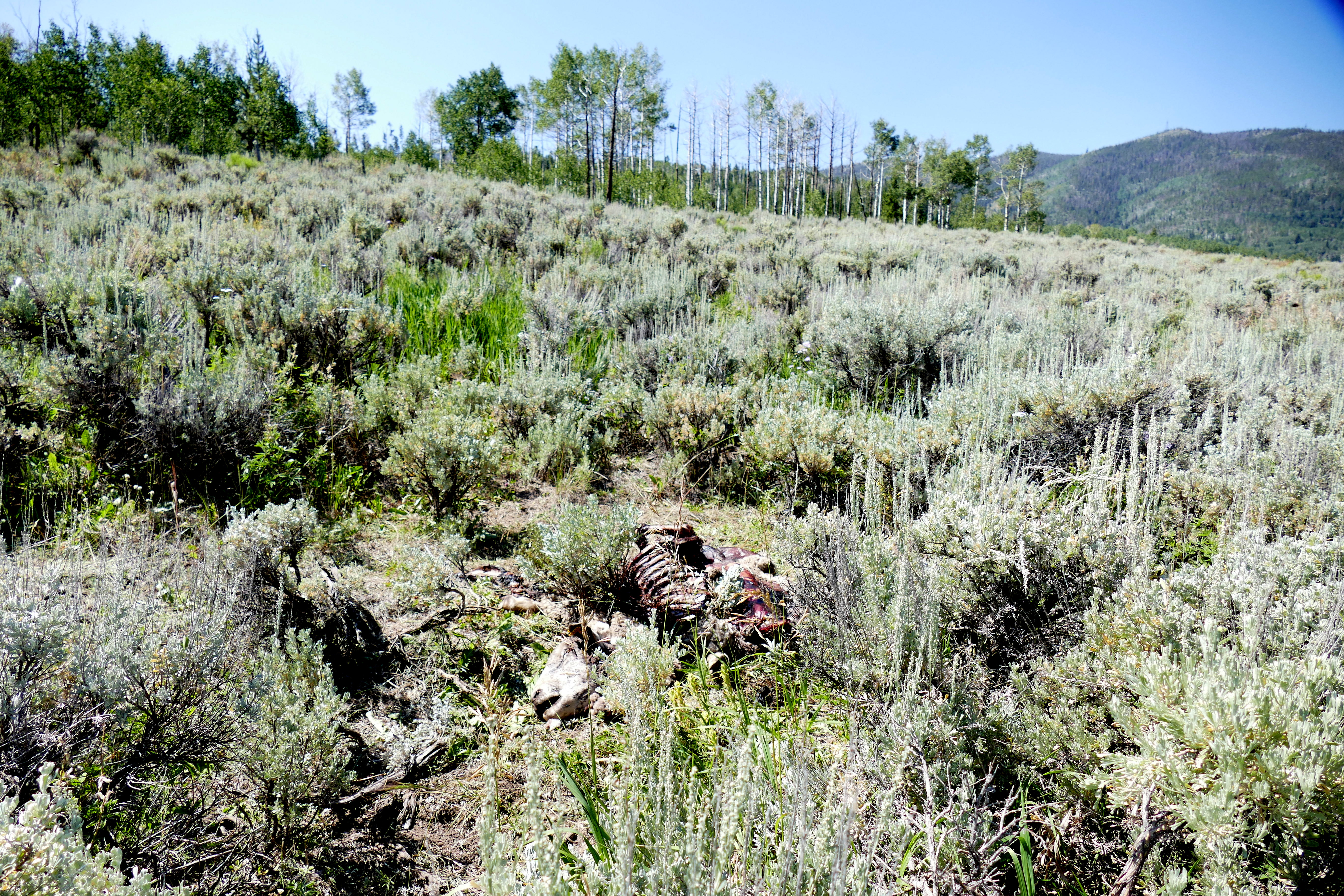
In just over four months, the death toll to livestock from wolf depredation in the area now stood in the dozens.
That’s from roughly nine out of the 10 wolves released in Grand and Summit counties last December, although most of the livestock were likely killed by just two wolves, a mating pair that has now produced at least three pups.
Reid DeWalt, assistant director for Aquatic, Terrestrial, and Natural Resources at the wildlife agency told the commission on Friday they would consider the northern zone for the next release.
CPW’s wolf restoration plan says wolves would be released in two zones: a northern zone, where the first group was released, and a southern zone, which includes Gunnison County.
DeWalt told the commission that the next release would be in the northern zone — again.
“We really need to supplement the wolves we put out (in the northern zone) and then look for opportunities to move through that zone,” he said.
The question now is where Colorado will get those wolves.
In January, the wildlife agency announced that the Confederated Tribes of the Colville Reservation had agreed to send 15 wolves to Colorado, expected either later this year or sometime in early 2025.
However, the tribe reversed its decision on June 6 based on concerns that state agency had failed to effectively communicate with the Southern Ute and Ute Mountain Ute tribes in southern Colorado.
In a letter to CPW Director Jeff Davis, the Colville tribes wrote: “It has come to our attention that necessary and meaningful consultation was not completed with the potentially impacted tribes… Out of respect for the sovereignty, cultures and memberships of Indian Tribes in Colorado and neighboring states, who this project may impact, the Colville Tribes cannot assist with this project at this time.”
CPW did not announce that decision until July 30.
DeWalt on Friday spoke about the efforts to find another source for the apex predators.
“We have a level of confidence that a new source will be found soon and that we will continue to proceed with the legally directed process with releases this winter,” he said.
Hinting at the problems that surfaced with the first release, DeWalt said, “I’m sure there will be continued questions about that and how we will outreach to the counties. We learned a lot of lessons from that and plan to reach out to those counties this summer or early fall.”
That’s a reference to the state’s communications fiasco. The agency failed to notify ranchers or local government officials when the wolves were released, leading to harsh criticism from those ranchers, elected officials, and lawmakers at the state Capitol.
The episode led several ranching groups to “close their gates” to CPW, barring staff from entering their ranches to work on conservation programs that ranchers host on their properties. The damage to the relationship between the agency and ranchers has lasted throughout the year, with letters from stock growers pleading for help from the agency to lethally manage the wolves killing their herds and refusals by Davis.
As for the issues with the Ute tribes, Davis said the agency has been in “constant communication” with them and “at some point in time, wolves are likely going to be on the reservation.” That’s exactly what the tribes have said they do not want.
In an April 2023 letter to the commission, Southern Ute chairman Melvin Baker asked that the gray wolves only be released in the northern zone.
“The additional buffer may also protect the genetically distinct Mexican gray wolf from contact with northern gray wolves, which could have consequences ranging from conspecific predation to interbreeding,” Baker wrote.
The gray wolves also present an “unacceptable risk” to the tribes’ hunting resources, he added.
The announcement that wolves would again be released in the northern zone “is not surprising to us,” said Tim Ritschard, a rancher in Grand County and president of the Middle Park Stockgrowers Association, where much of the depredation has occurred.
“We’ve seen what they’ve called success so far, with pairing,” he said. “We’ve got a pair that has been killing with pups and we have to figure it out” before the next release, he told Colorado Politics.
CPW’s wolf depredation website shows two dozen sheep and cattle killed between April and July, although ranchers say the numbers are likely much higher and that CPW has been slow to confirm wolf kills. On Facebook, the group Colorado Wolf Tracker refers to the adults in the Copper Creek pack as “Bonnie and Clyde.”
DeWalt also told the commission that an annual report on the wolf reintroduction will be released in the coming days, but that the report will not cover the depredations. That’s because the biological year runs from April 1 to March 31, and the depredations begin in April.
“You’ll find it a good overview of everything we’ve done the last year,” DeWalt said.
Commission Chair Dallas May did not mince words about the impact of the wolves on ranchers.
“I think that the producers that have been affected negatively by this have showed incredible restraints, and I think that they should be applauded for that, rather than a lot of the reports that I get,” May said. “Producers that have been negatively impacted have done everything in their power to make this successful.”
May also said the wolves were put “in an untenable situation, as they were captured, brought here and put into the situation that they have one instinct and that is to survive.”
“Rather than demonize the people on the landscape that are living with this, we should be working more closely with them,” May said. “There’s a term for what happens when you do the same thing again and expect a different result.”
May suggested that CPW develop a rapid response team, given that area and regional wildlife managers don’t have the time to take care of the wolves along with everything else on their plates. That rapid response team, according to May, would include a minimum of three individuals, specialists in biology, “human dimensions” and sociology.
When this happens again — and it will, he said — “that team can go to the producers, go to the area and begin a different process that works to resolve these conflicts.”
While Davis appeared to endorse the idea, he indicated it would take time since they would have to go to the department, the governor and the Colorado General Assembly for funding such a team.
In the meantime, Davis said the agency is training five conflict specialists who could form the core of that rapid response team.
Get OutThere
Signup today for free and be the first to get notified on new updates.
PREV
PREVIOUS
Police reveal suspect vehicle in park space incident exposure case
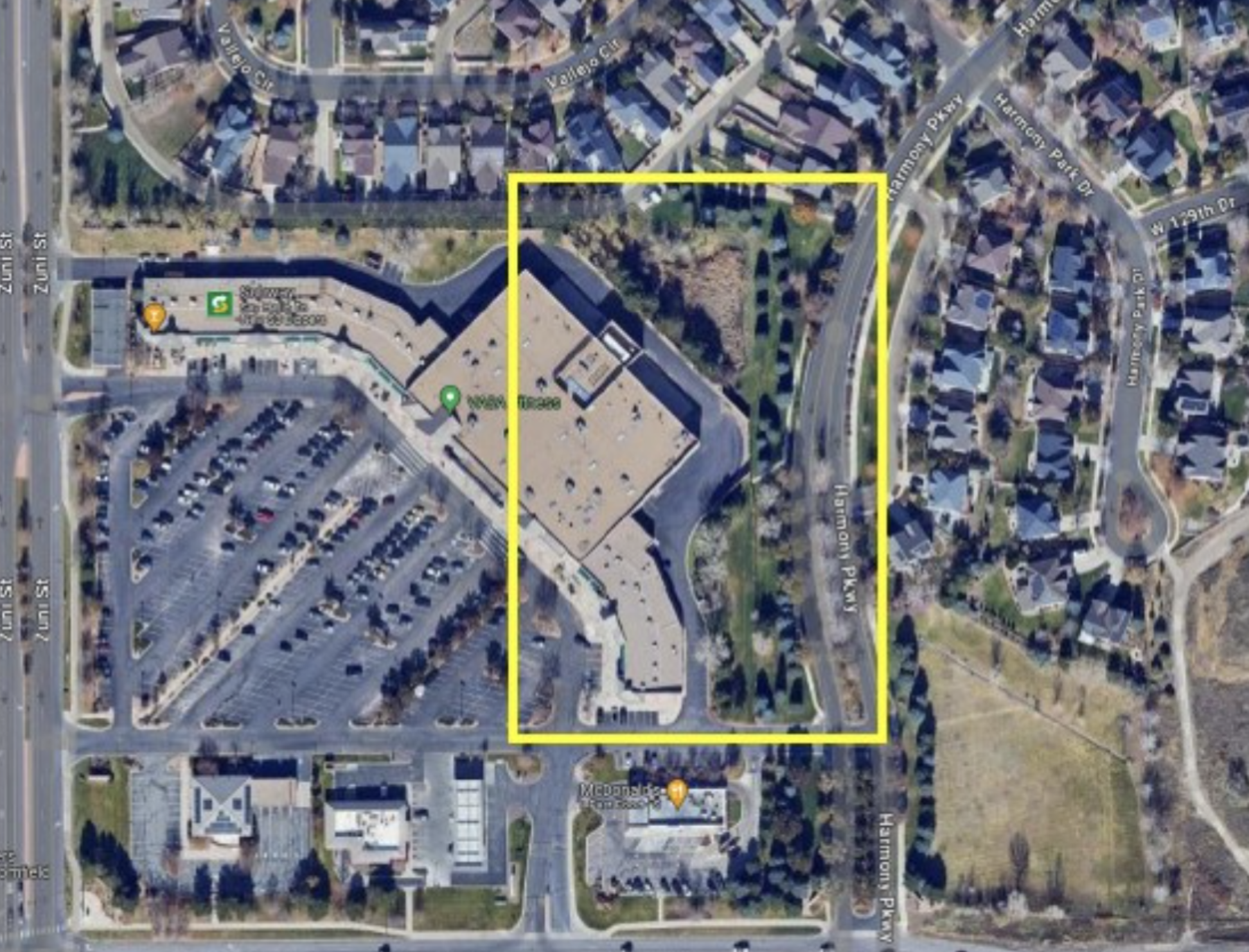
Additional information has been released related to a case that was made public in mid-July involving a man who has been allegedly indecently exposing himself in the Westminster-area Greenbelt park space near 129th and Harmony Parkway. When the case was initially report in mid-July, the incidents had been reported on three separate occasions. On August […]
Trump says administration will be ‘great for women and their reproductive rights’ in rhetorical shift
Former President Donald Trump played a much different tone than previously on the topic of abortion and women’s rights, saying his administration would be “great for women and their reproductive rights.” After delivering on his promise to anti-abortion groups to pick justices on the Supreme Court who would get Roe v. Wade overturned, the former […]