




For Colorado winters, La Niña has become the name of the game
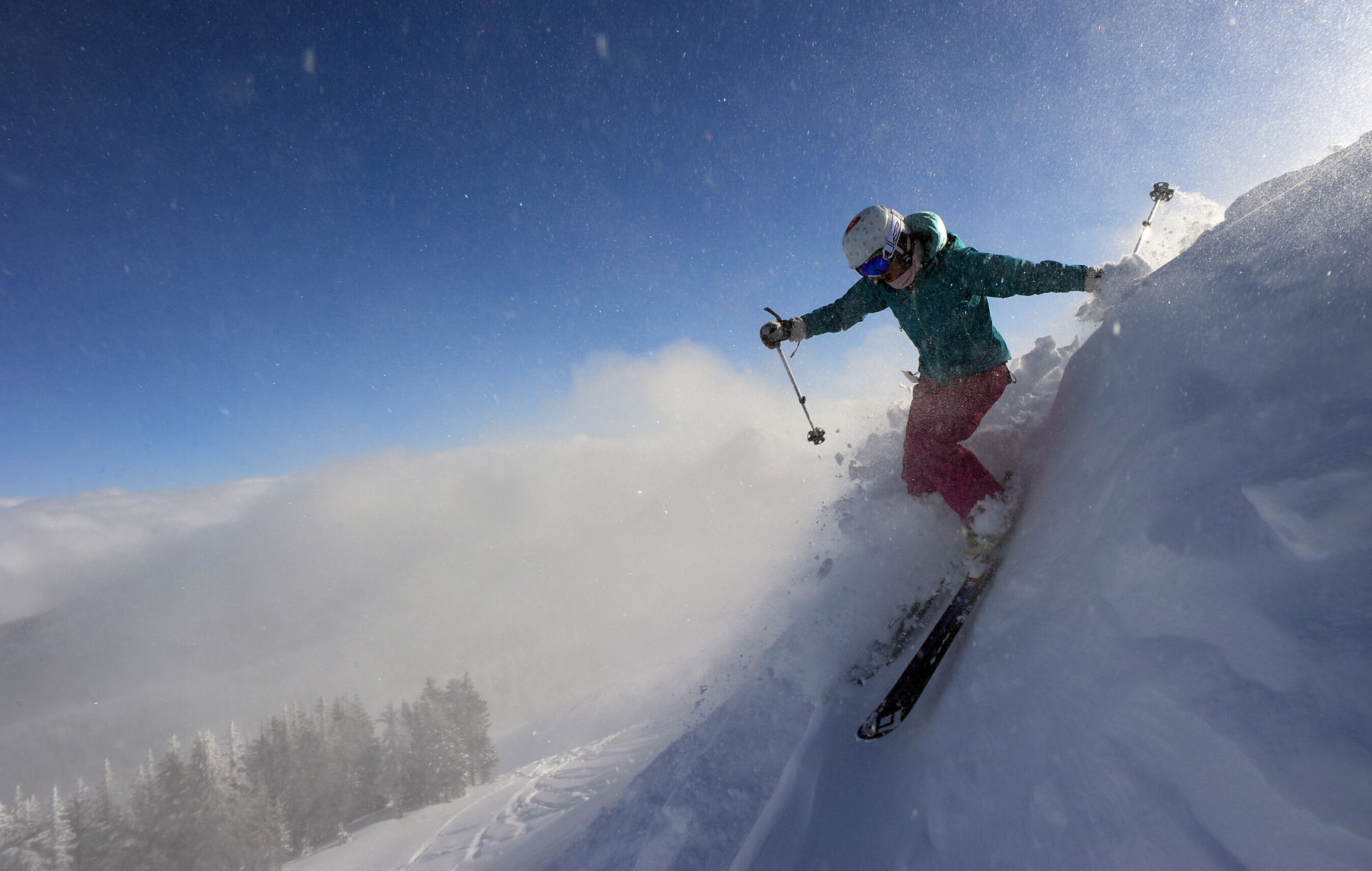
Colorado’s most powder-crazed skiers have gotten to know the term “La Nina.”
That’s because the most powder-crazed skiers pay attention to forecasts well in advance of winter, and La Niña has come to the center of those forecasts in recent years. It is again at the center of predictions for this season.
La Niña refers to surface temperatures over large parts of the Pacific Ocean being cooler than average. El Niño refers to temperatures that are warmer than average.
“These sea surface temperature fluctuations can significantly influence global weather patterns, especially during the winter for the U.S.,” OnTheSnow.com explained in a report posted this fall.
It would be the fourth time in five years for a La Niña pattern, disrupted only by last season’s El Niño. And so we return to popular thinking.
“La Niña tends to organize the wintertime jet stream in a way that favors the Pacific Northwest and northern tier of states with the most consistent winter snowfall,” Denver meteorologist Chris Tomer wrote for OnTheSnow. He continued: “La Niña tends to leave California and the southern tier of states drier and warmer than normal.”
That would include most of Colorado. But Joel Gratz, the founding meteorologist of skiers’ go-to weather source OpenSnow, has cautioned against any conclusions based on historic correlations. When it comes to Mother Nature, Gratz explained, there are any number of factors impossible to predict months in advance, let alone days in advance — the way the wind blows, for example.
“Some of this does come down to what meteorologists call internal variability, or we can just say dumb luck,” Gratz said ahead of the last La Niña pattern in 2022-23.
That season ended with snowfall well above average across the West, including much of Colorado. The previous La Niña of 2021-22 is remembered as largely below average. El Niño, said to better favor Colorado, resulted in what Gratz marked as average snowfall last season.
Translation: There is no definitive translation.
But, yes, La Niña’s historical trends favor northern states. So, party on, Oregon and Washington. Party on, northern Wyoming, Montana and Utah.
Panic not, Colorado.
Tomer predicted above-average seasons for northerly Steamboat Springs as well as Vail, with Aspen on the edge of generous storm tracks. Tomer foresaw average seasons for southerly Telluride and Wolf Creek, as well as for resorts around the central mountains, including Breckenridge, Copper Mountain and Winter Park.
Average is far from bad in Colorado ski country, Gratz has pointed out.
“The secret to getting the most powder days is going out as often as you can,” he said. “If you’re out there, you have a chance to catch it.”
Get OutThere
Signup today for free and be the first to get notified on new updates.
PREV
PREVIOUS

Colorado wind phones symbolic way to speak with lost loved ones, work through grief
Russ Young has a standing weekly telephone date with his wife, who died this year. He calls Patricia Young every Sunday from a wind phone — an old, disconnected device that hangs on a pole in the memory garden at Columbine United Church in Littleton. It’s nothing fancy: a white handset and dangling cord mounted […]
Colorado ballot measures: What passed and what didn't?
Colorado’s numerous ballot measures have produced a mix of approvals and rejections, based on the latest unofficial tally. Here’s what passed Amendment G This constitutional amendment expands the eligibility requirements for property tax exemptions for veterans with disabilities, now including veterans whose service-connected disability is not rated as 100% permanent but do have unemployability status. […]