





Colorado Parks and Wildlife release of orphaned bear cubs into the wild ‘a big win’
During the summer months, five black bear cubs, likely born in January or February, were orphaned, their mothers euthanized after getting dangerously close to humans in the Pikes Peak region.
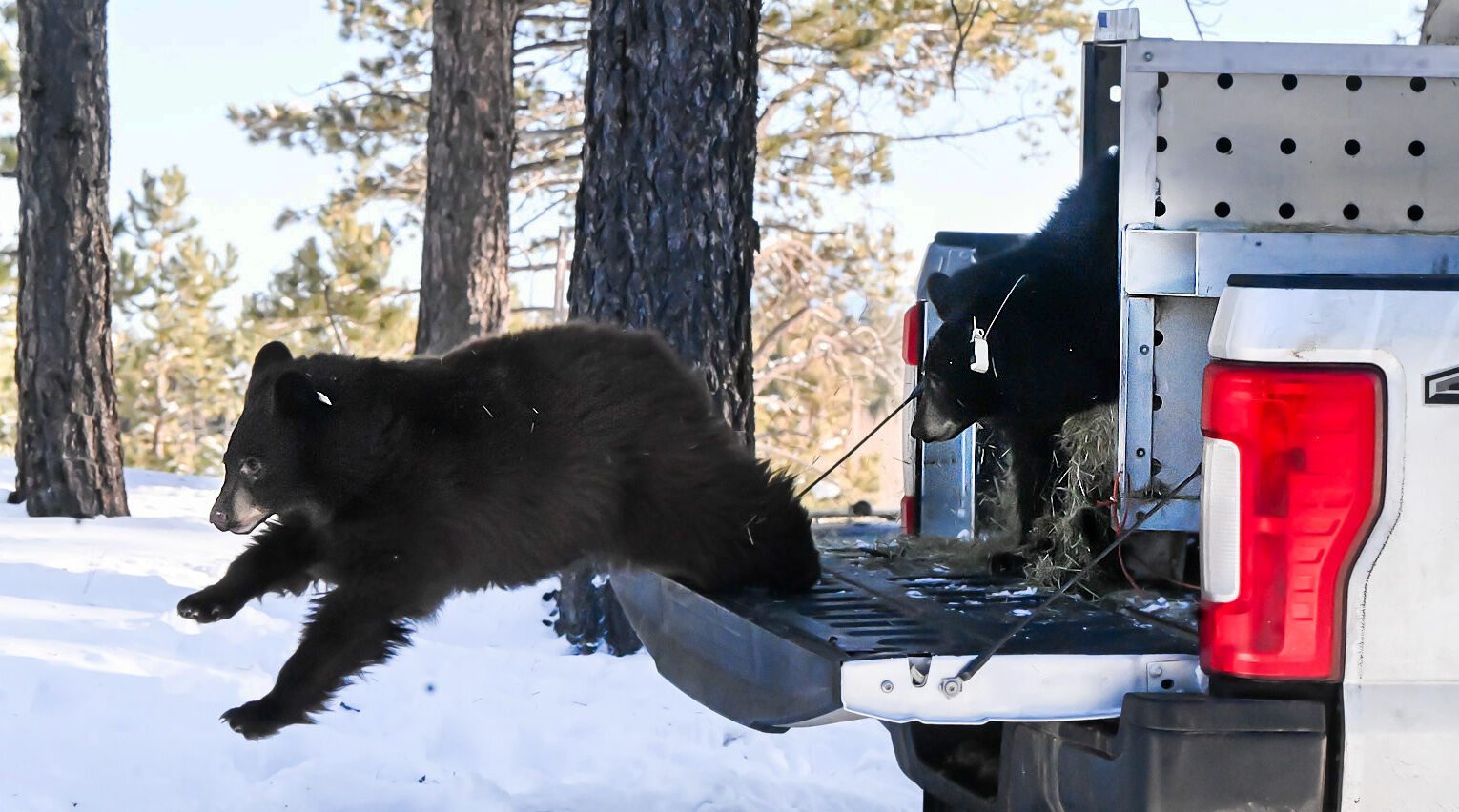
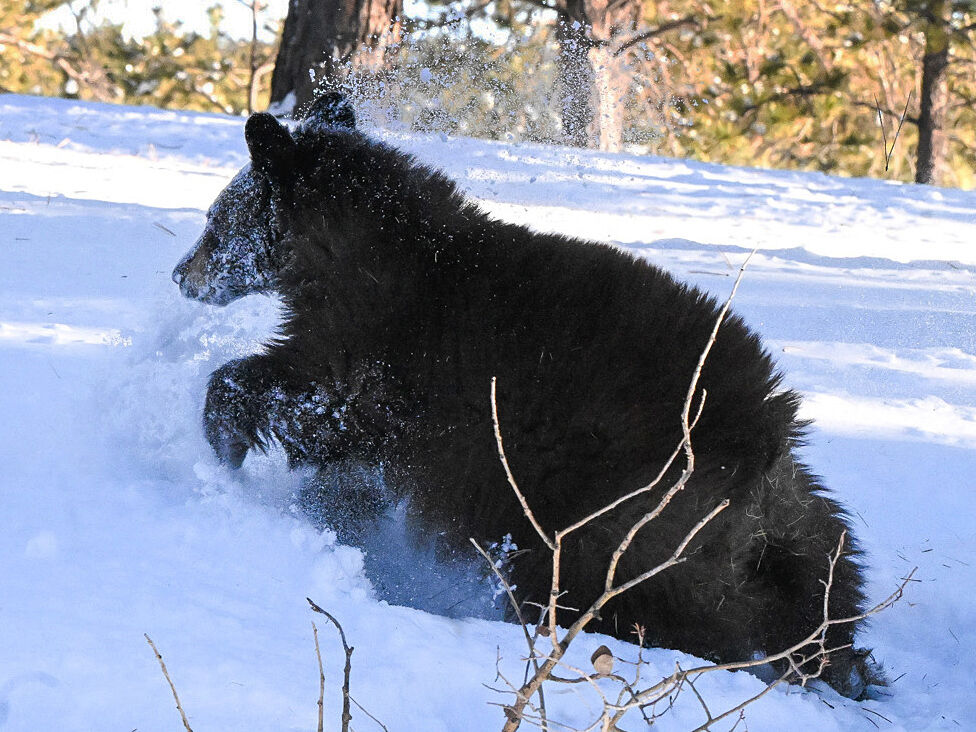
On Thursday, after a period of rehabilitation, Colorado Parks and Wildlife released the young bears into the wild, hopefully to live long, healthy lives.
“This is a big win for wildlife conservation,” said Travis Sauder, assistant area wildlife manager for Parks and Wildlife.
Colorado has seen an above-average number of reported sightings and conflicts with bears in 2025, the wildlife agency said. There have been more than 5,200 reports so far this year, the second-highest since 2019, when the state initiated a digital tracking system.
These contacts, known as “urban bear conflicts,” often take place when the bear is seeking food.
In the case of the five cubs, their mothers had to be euthanized after breaking into occupied homes, officials said.
“In that case, our policy dictates that that is a dangerous bear,” Sauder said. “They were too comfortable around humans. For human safety, we had to make the very difficult decision to euthanize the sows.”
The cubs, who were just a few months old at the time, were taken to CPW’s Frisco Creek Wildlife Rehabilitation Facility near Del Norte in the San Luis Valley, where licensed rehabilitators began the delicate process of preparing the young bears to eventually fend for themselves in the wild.
“Our rehabilitators were making sure they were eating natural foods that could be found in the landscape, but also making sure they were not becoming human-conditioned, so they don’t return to the behaviors that created this situation in the first place,” Sauder said.
Part of the process included the gradual withholding of food to mimic the conditions the young bears are likely to find in the wild. The lack of food should start the process that will lead to torpor, a state of drastically reduced activity similar to hibernation.
“Black bears in Colorado are not true hibernators,” Sauder explained. “They go into torpor, which is a really deep sleep. So, the cubs will go out, realize there’s no food, and that should start the natural process.”
On Thursday, the cubs were taken to separate release sites in northwestern and southwestern Teller County.
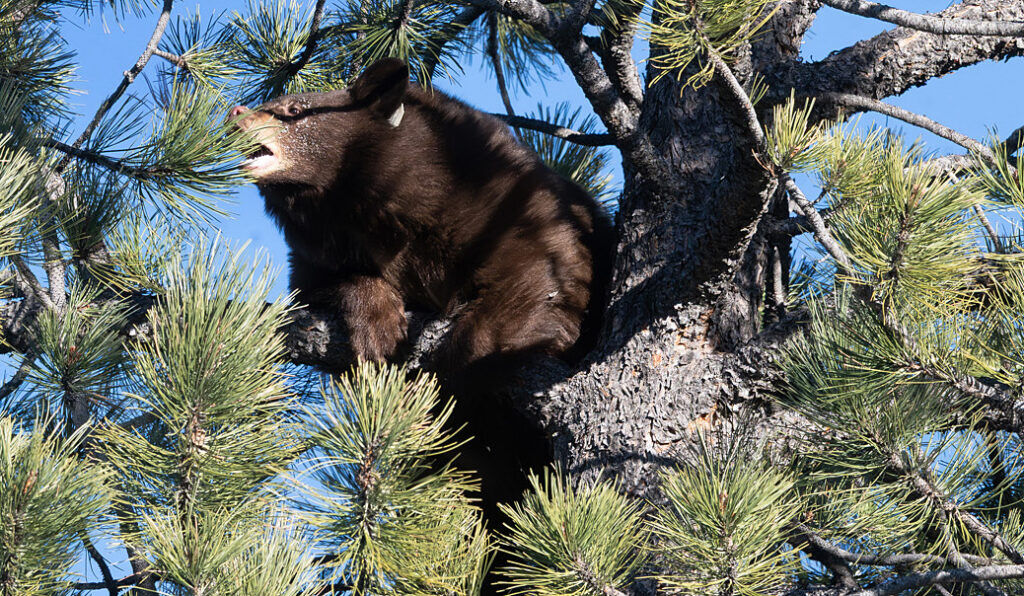
As part of a years-long partnership with Cheyenne Mountain Zoo, two of the cubs have been fitted with GPS ear tag transmitters that will help CPW track their activity, following the bears through their release, the torpor period, into springtime and early adulthood. The tags will transmit data every 10-14 days, officials said.
“We have an exciting partnership with the Cheyenne Mountain Zoo,” Sauder said. “These tags, which the zoo has provided, will allow us to monitor the bears — when they come out of their den, when they move, and ultimately, the success of the program.”
If the release is successful, the data should show the bears moving normally through their new surroundings.
“Whenever we relocate a bear, we try to find good bear habitat — where can they be successful, where can they find natural food sources, but as far away from human presence as possible,” Sauder said. “We want to set them up for success as much as we possibly can.”
Thursday was a big day for the professionals who have spent the past few months getting the bear cubs to the point where they can survive on their own. But CPW officials said Front Range residents share the responsibility for ensuring that fewer urban bear conflicts take place.
That means being intentional about securing trash, pet food, bird seed and other items that can attract bears to urban areas and residences.
“Don’t let your guard down,” Sauder said. “It’s cold today, and we just had a lot of snow, but as long as there is food for bears to find, they can still be active.”
“Be vigilant on those bird feeders. Keep your trash secured. If you’re feeding pets outside, make sure you’re picking up the bowls and cleaning those areas. We want to reduce any attractants that could bring bears into conflict,” Sauder added.
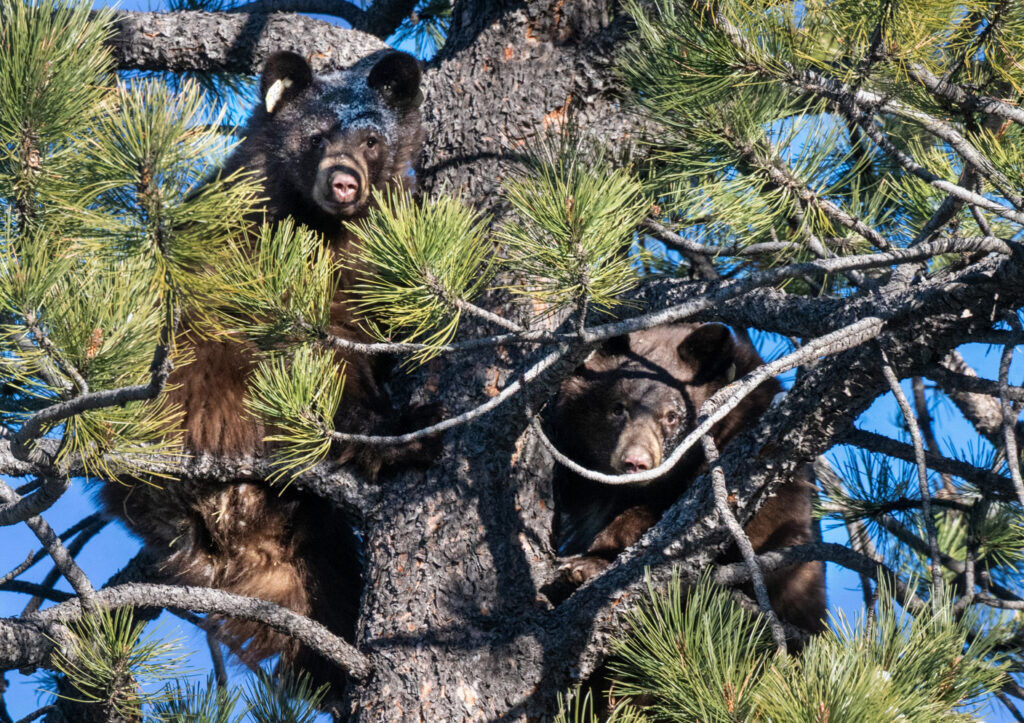
At one of the release sites, three bear siblings exited their transport crate and made a beeline for a large Ponderosa pine tree. Within minutes, they had all climbed it.
“The great thing with bears is they just naturally know what food sources to seek out there in the wild, and they can adapt to so many different environments that it gives them a very good chance at success,” Sauder said.
Get OutThere
Signup today for free and be the first to get notified on new updates.

PREV
PREVIOUS

Judge denies motion from Gov. Jared Polis to dismiss ICE lawsuit from former state employee
A Denver District Court judge has denied a request by Gov. Jared Polis to dismiss a lawsuit filed by a former state employee over disclosure of information to federal immigration authorities. The lawsuit filed against the governor by Scott Moss, then the director of the Colorado Department of Labor and Employment Division of Labor Standards […]

Denver area events for Dec. 5
If you have an event taking place in the Denver area, email information to carlotta.olson@gazette.com at least two weeks in advance. All events are listed in the calendar on space availability. Friday Chris Williamson – Self Discovery Live Show — 7:30 p.m., Paramount Theatre, 1621 Glenarm Place, Denver, $53 and up. Tickets: ticketmaster.com. 90s R&B Holiday Rewind […]