




CPW using ‘Trojan’ fish that only produce male offspring to fight back against invasive species
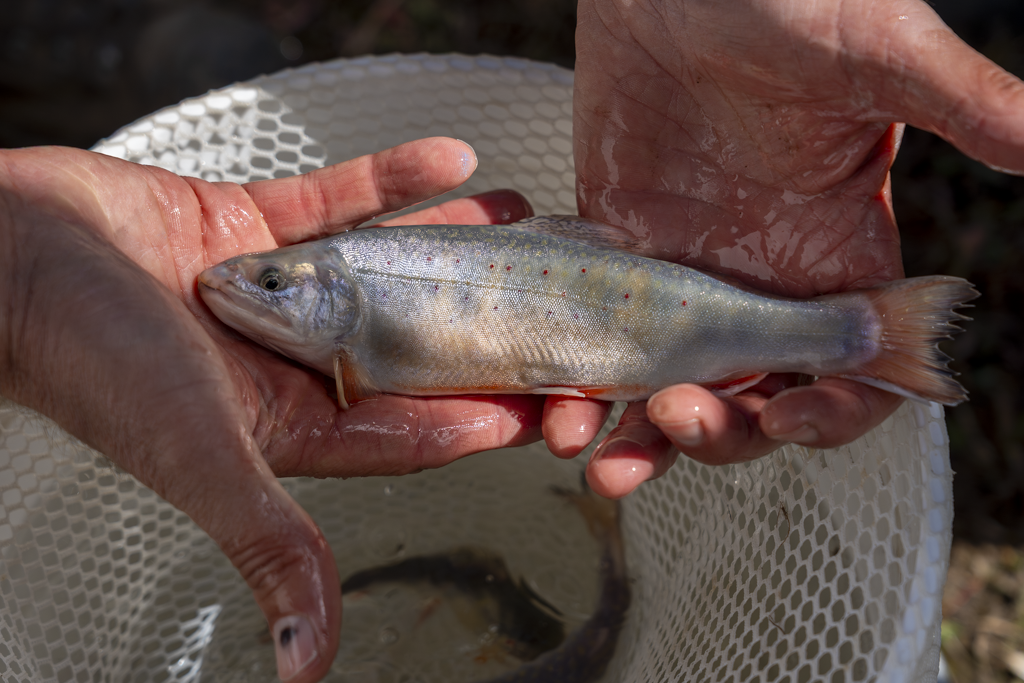
Colorado Parks and Wildlife has seen success in reducing invasive fish populations by introducing members of a species that only produce male offspring – and it might spell good things for the future of the native cutthroat trout.
According to a March 10 press release from the agency, Colorado Parks and Wildlife has been working to restore native Colorado River cutthroat trout around the state by reducing the long-term viability of the invasive brook trout species. The agency reports that early results have been positive.
The process for reducing brook trout’s presence involves introducing male brook trout with two Y chromosomes into the greater brook trout population in which males typically have one X chromosome and one Y chromosome. In the wild, these YY males – also known as Trojan male brook trout – only produce male offspring when spawning with wild fish. As a result, the breeding population of fish gets imbalanced in favor of more males, resulting in an invasive species eventually dying off. This absence of the invasive species allows the habitat to better foster the restoration of native species.
The recent news related to the results of the effort follows Colorado Parks and Wildlife stocking 480 Trojan male brook trout into Bobtail and Steelman creeks in September of 2024.
“This is yet another example of the groundbreaking work done by CPW biologists and researchers to preserve native species,” said CPW Aquatics Research Section Chief George Schisler at the time. “While Bobtail and Steelman creeks are the first to be stocked with YY brook trout, they will not be the last. This is just the first of many for Colorado.”
The 2024 effort was the culmination of a greater attempt to help the cutthroat trout re-establish their foothold in the Colorado River Basin. While it’s unknown when brook trout started to invade creeks of the area, their presence was noticed in alarming numbers in 2010 and the invasive species was blamed for having “nearly decimated the cutthroat trout population over time.”
In 2011, just 123 cutthroat trout were found in both aforementioned creeks combined, with ongoing efforts to restore the population raising that number to 1,400 by 2024. The introduction of the Trojan male brook trout then took place in hopes of furthering that success, and it sounds like it’s working thus far. In a September 2025 count that took place below the summit of Jones Pass in a remote area of Grand County, the cutthroat trout population for both aforementioned creeks combined was said to be over 1,300, which seems to indicate the cutthroat trout population is at least holding steady.
At this point, hundreds of YY brook trout have been released into the creeks with this effort set to continue. This will eventually lead “to the complete elimination of the brook trout populations in the two creeks.”
“In 2024, we did something historic for fish restoration in Colorado when we first stocked YY brook trout into Bobtail and Steelman creeks,” said Schisler. “The findings from this year’s sampling strengthen the growing body of evidence for the beneficial use of YY fish in these situations.”
Given the success seen in the early results of the effort, CPW continues to investigate other scenarios where YY fish could be used to eliminate invasive species, such as the common carp.
STAY INFORMED: Get free Colorado news with our daily newsletter (Click here)
Get OutThere
Signup today for free and be the first to get notified on new updates.
PREV
PREVIOUS

One dead after explosion and vehicle fire at trailhead in Colorado
One person died following an explosion and vehicle fire that took place at a central Colorado trailhead in recent days. According to the Summit County Sheriff’s Office, deputies and fire personnel were called to the scene of the incident just before 7 a.m. on March 6. The situation was unfolding at the Straight Creek Trailhead, […]

Colorado campground dubbed a top spot to stop along 'loneliest' road trip in U.S.
In a recent series, popular camping resource The Dyrt has highlighted top campgrounds found along iconic American road trips. One of the road trips the company tackled was dubbed ‘The Loneliest Road Trip‘ in the United States, traveling across 12 states over 3,073 miles along U.S. Highway 50 – perhaps best known for a stretch […]