




Colorado, but with a coastline: How visiting Iceland can evoke a familiar vibe
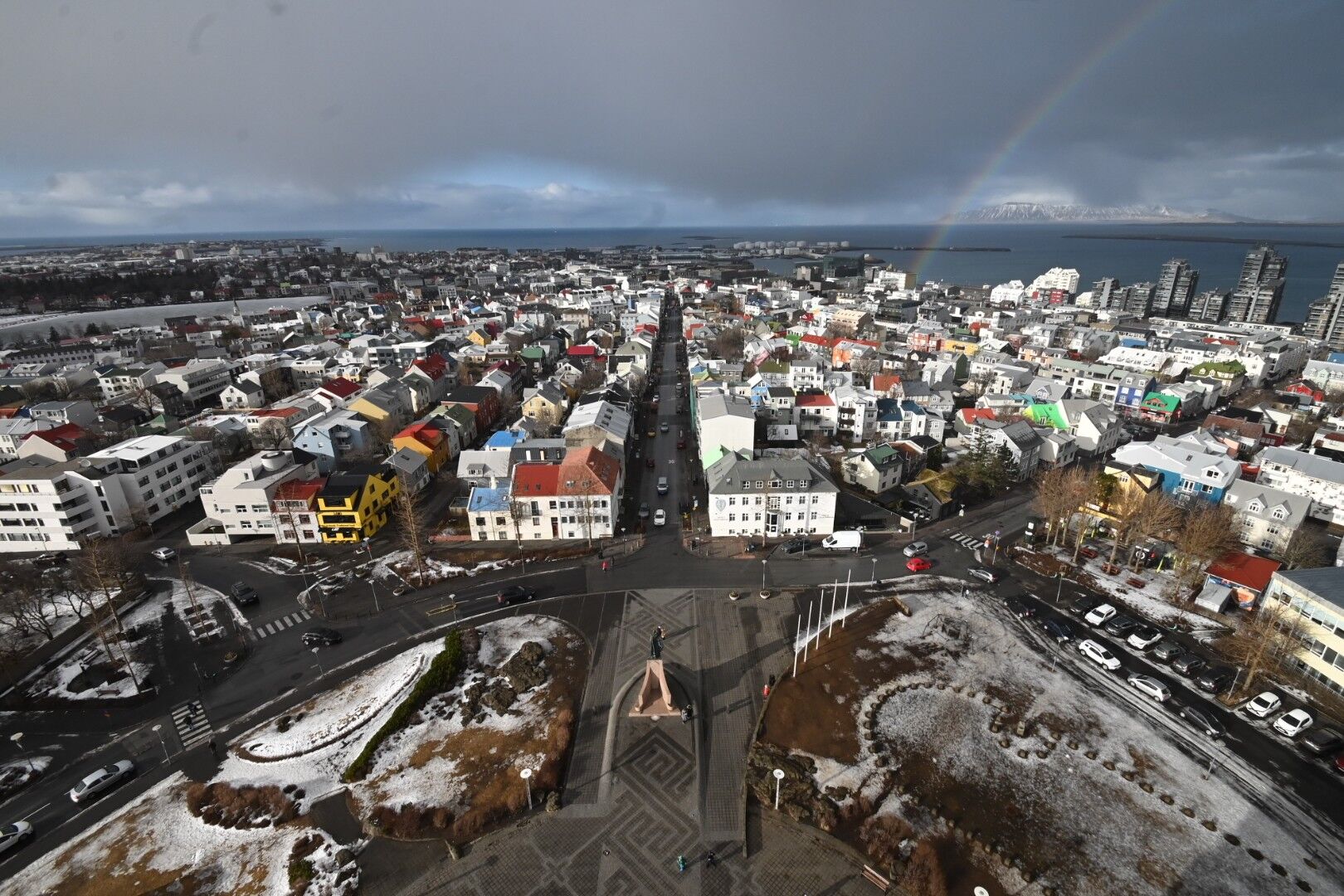
A lot of people came up to me after I’d returned from a weeklong trip to Iceland and asked: “How’d it go?”
Or, “How was the trip?”
My response always seemed to be the same.
Imagine, for a minute, what Colorado would look like if it had a coastline.
You can drive just about anywhere, and there are plenty of places to see waterfalls, places where you can see frozen tundra year-round and plenty of places to see unparalleled wildlife.
Why go to Iceland? I made a promise long ago to my daughter that if she graduated college, her graduation present would be a trip anywhere she wanted to go.
She’s an environmental studies major who, at one point in college, actually spent a full week studying snow. Naturally, Iceland seemed like a good fit.
So last summer, when it became pretty clear that she was going to pull it off, I started looking up the cost of plane tickets from Denver International Airport to Reykjavik, Iceland. I got a pretty decent rate on them since I booked eight months early, decent enough that we were even able to afford a one-day layover in London on the way there and on the way back.
It was still expensive, but it could have been worse. My joke the past four weeks has been how glad I am she didn’t want to go to the Maldives.
Still, the thousands of miles we put on our rental car and the countless hours we spent climbing and exploring that part of the world showed us things we’ve never seen before, yet provided some familiar-looking landscapes with a European flair.
There were a few hurdles we had to clear when we got there. The wind, rain, snow and extreme weather are real things. There are some credit cards that are pretty much banned throughout the island. And gas — or petrol, as it’s called there — is expensive.
But overall, the trip was pretty much priceless, and I’d love the opportunity to go back someday.
Here are five takeaways from a weeklong trip to the home of Europe’s largest glacier:
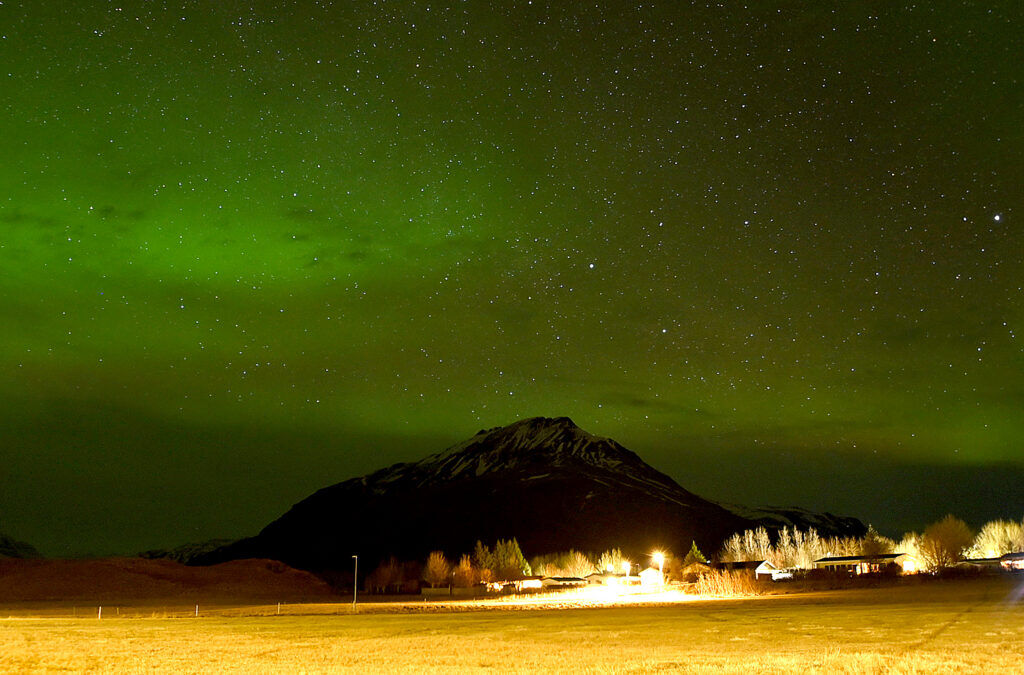
- The northern lights are incredible
We were able to land an Airbnb house that was a 15-minute drive from the town of Selfoss, a community of roughly 10,000 people that’s an hour’s drive southeast of Reykjavik. There were nights when the northern lights would pop in the sky even before the sun set. There were others when they wouldn’t come out until well after midnight, or they’d barely come out at all.
When they did come out in full force, they’d dance around the sky so bright, you could see a slight green tint on the snow below you. They swirl back and forth in waves, and the undersides look like small streamers flapping in the wind in shades of green, red and even pink.
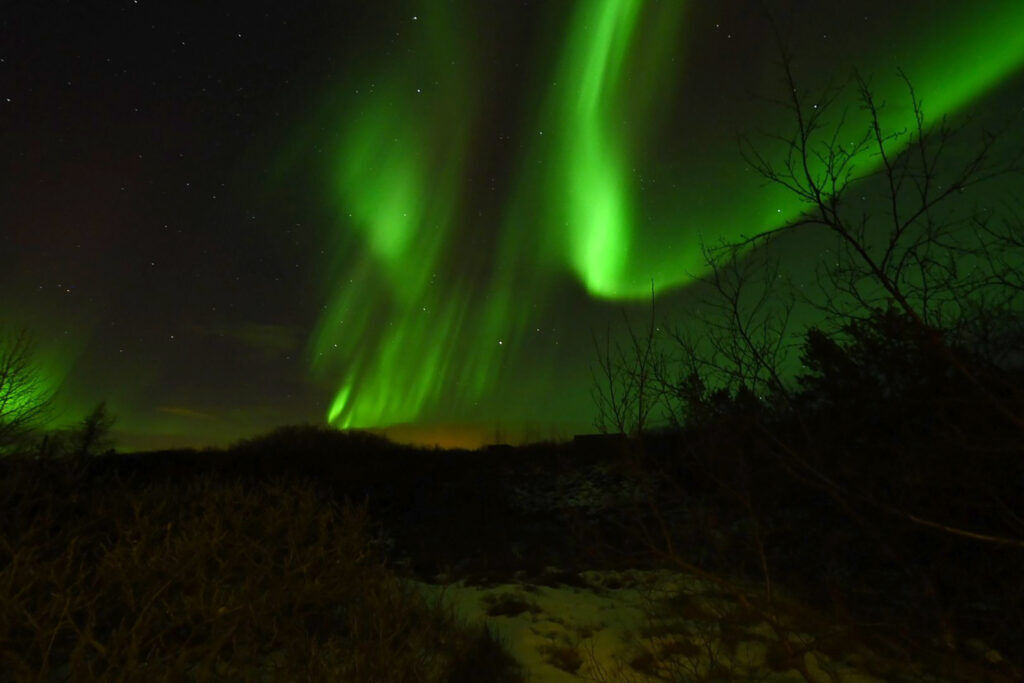
There are even phone apps to help you know when to look for them. We downloaded an app simply named “Aurora” that notifies you when aurora activity is prevalent based on your location (I still get those from time to time since I never took the app off my phone). If apps aren’t your thing, the National Oceanic and Atmospheric Administration provides daily forecasts on when and where northern lights activity will be the strongest.
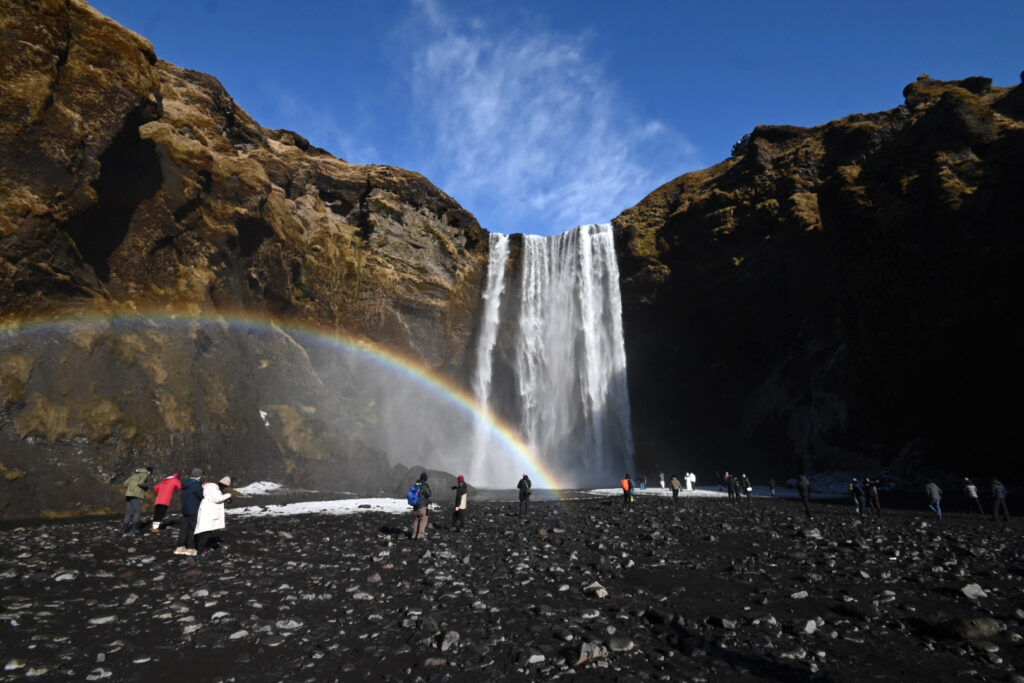
2. Waterfalls are everywhere
It would be impossible to see each of Iceland’s waterfalls in a week. Icelandair’s website says there are more than 10,000 waterfalls across the island, with almost all of them being fed by the massive glaciers that have been on the island for, in some cases, thousands of years.
Some of the most famous ones are found on the southern end of the country. Skogafoss, which was featured in season eight of “Game of Thrones” with the help of some computer enhancements, towers 197 feet above the ground and gets its water from the Eyiafjallajokull and Myrdalsjokull glaciers, which form the Skoga River that feeds the waterfall. It drops from the cliffs that were once part of the Icelandic coastline, which has since receded close to 3 miles to the south.
Seljalandsfoss, also a 197-foot-tall waterfall near the intersection of Highway 1 and Road 249, is just a half-hour drive from Skogafoss. It’s picturesque since, during the summer, you often see photos people take from behind the waterfall when the sun is setting around 11 p.m. or so. Don’t get me wrong — it’s still awesome during the winter, but you’re not allowed to go behind the waterfall since there’s a giant sheet of wet ice covering the ground.
3. Iceland is expensive
Vacations are typically reserved for spending money, but be ready for some sticker shock in some cases here.
One day we spent in Reykjavik and left late, we had to find one of the only “fast food” places in town. It wound up being a “Metro,” which might as well have been the Icelandic version of McDonald’s. Dinner for four people was the equivalent of $85. My daughter also agreed to fill up our gas tank once and just about had a heart attack when the notification on her phone said she paid $178 for 38.2 liters — or 10.1 gallons — of petrol. It turns out that was just the preliminary charge and it went back down to the “bargain” price of $69.26, which would amount to $6.90 a gallon stateside.
Even tourism trinkets and items were expensive: An authentic Icelandic sweater was around $200. And if you have an American Express card, just leave home without it. There’s almost nowhere in the country that accepts them.
The good news: If you shop there, save all of your receipts. When you go to the airport on your way home, there’s a place where you can turn those in and receive a tax refund for all of the items you’re intending to bring home. And it can be a lot depending on what you buy: The standard sales tax rate in Iceland is 24%. The refund shows up in your bank account in four to six weeks. Also, book your flight and stay well in advance. Round-trip tickets direct from DIA to Reykjavik were $600 when we bought them, but that was eight months ahead of time.
4. Seven days wasn’t enough time
We’d love to go back because in the week we were there, too many things went unseen. But aside from the aforementioned items, here are a few must-see places if you find yourself in a time crunch.
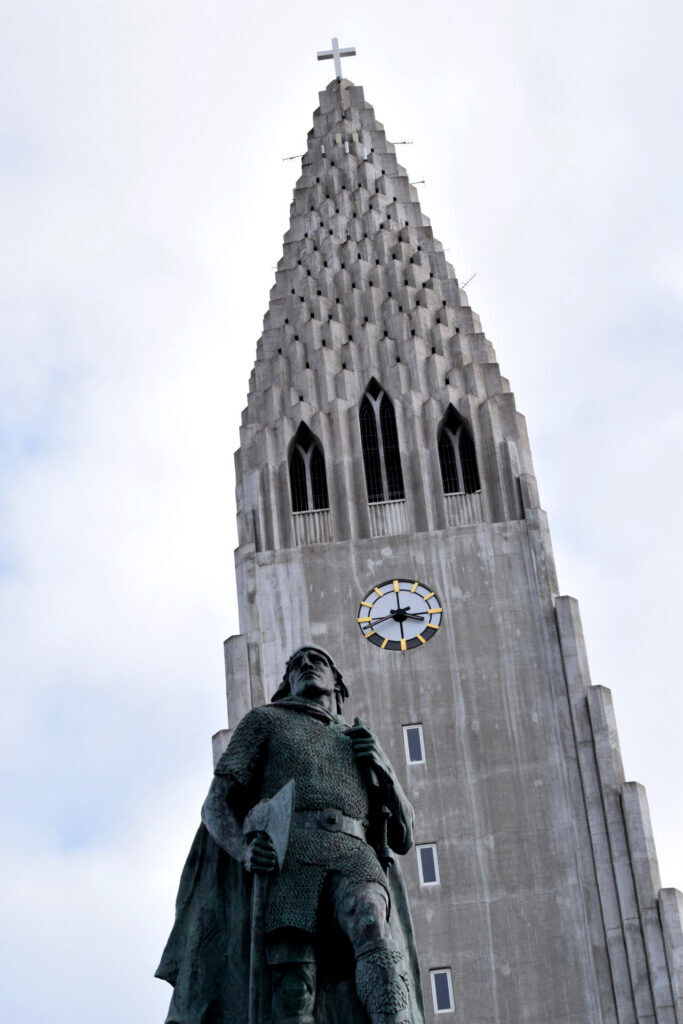
• Hallgrimskirkja Cathedral: The second-tallest structure in Iceland is approximately 244 feet tall and can be seen from just about anywhere in the city. In front of it is a statue of Leif Erickson, an Icelandic explorer who landed in the Newfoundland region of North America on Oct. 9, 1002 — nearly 500 years before Columbus reached the continent, according to ebsco.com. The inside of the cathedral is breathtaking, and it only costs $1 (or roughly 1,000 Icelandic krona) to go to the top, where the 360-degree views are absolutely breathtaking. And its denomination is Lutheran, which is the most predominant religious denomination in the country.
• Orca and whale watching tours: We drove to Olafsvik, on the northwest part of the island, for a three-hour boat tour to see the marine wildlife. We watched dozens of orcas, also known as killer whales, and their babies for almost an hour as they swam across the open ocean. Plus some humpback and fin whales — the second largest animal on the planet — made appearances too!
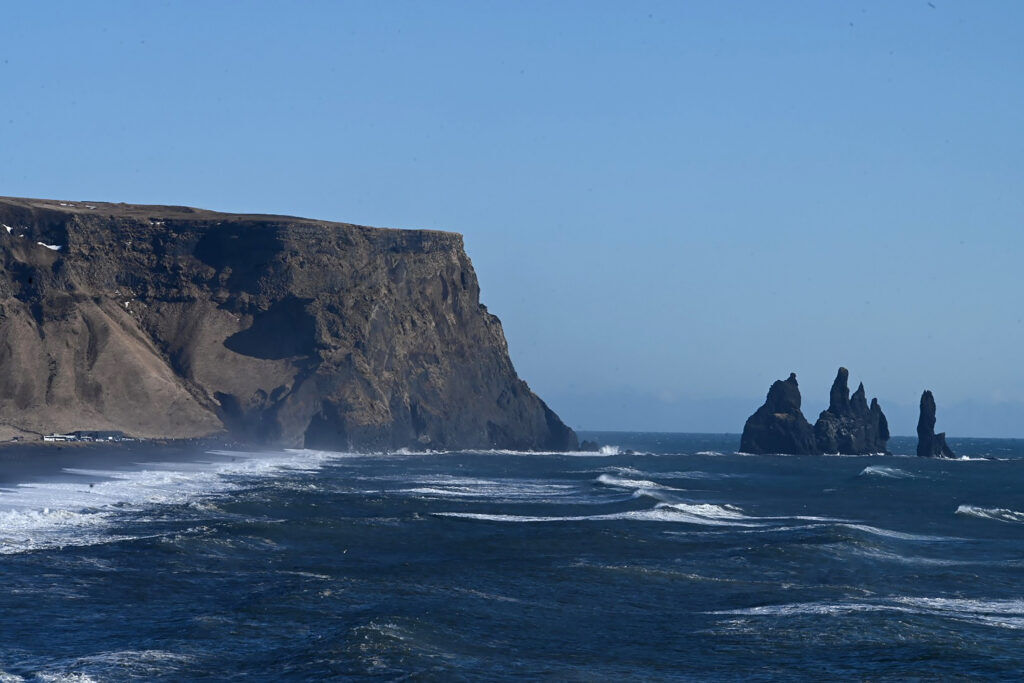
• Black sand beaches: They’re everywhere, literally, and the sand gets its color from the eroded volcanic rock that formed the island. The most famous ones can be found on Iceland’s south coast. Reynisfjara beach near Vik, which in February was reshaped by some severe erosion, is still an iconic spot even though it’s not the same place where social media influencers once flocked to. Arnardrangur viewpoint gives people a chance to see the beach’s famous rock formations and, immediately to the west, offers a view of Elephant Stone — an arch-shaped rock formation, which serves as the southernmost rock formation of Iceland.
• Diamond Beach and Glacier Lagoon: The Icelandic name for Diamond Beach is known as Fellsfajra and the beach is located on the far east end of the island about an hour’s drive south of the town of Hofn. Pieces of icebergs regularly wash up on the black sand beaches here. They’ll often flow into, or out of, Glacier Lagoon, where pieces from the Jokulsarlon glacier often break off and float around before drifting off to sea.
• The American Schoolbus Cafe: A very random thing you’ll see just above the town of Hella is this well-done eatery that widely displays nostalgic Americana. It doesn’t have a kitchen in it, but it does have quick pick-me-up snacks, board games, neon lights and some old-school TVs that play “Seinfeld” reruns to help draw in anyone from the U.S.
5. The people are awesome
In the entire week we were there, I can’t think of even one unfriendly encounter we had with any of the locals. One woman went out of her way to help my wife do laundry at a laundromat. Store clerks were often very friendly. Even the woman I spoke with when I was hopping mad about the initial charge of $178 to fill up our rental car was very friendly with me and calmed me down quickly. And one nice surprise: We almost never ran into people who didn’t speak English.
So halfway into the trip, we found out how to say “thank you” in Icelandic: Takk fyrir.
Takk fyrir, Iceland.
Get OutThere
Signup today for free and be the first to get notified on new updates.
PREV
PREVIOUS

From brain surgery to finding a home on stage
‘Come From Away’ tells the story of radical hospitality – which is exactly what the Arvada Center showed in standing by an actor with epilepsy After two dormant years, it happened: A nightmare ending to Elizabeth Harlen’s fairy-tale comeback. This was, literally – a fairy tale. The cast and crew of the Arvada Center’s “Once Upon […]

Injured backcountry skier evacuated by helicopter from peak in Pitkin County
An injured backcountry skier was successfully rescued from Mace Peak, in the Elk Range near Aspen, on Saturday morning. According to a post from Mountain Rescue Aspen, the Pitkin County Regional Emergency Dispatch Center received a medical SOS at about 9:45 a.m. on Saturday after one member of a group of four people was injured […]