




Age group most likely to ‘no-show’ at a campsite? Camping report reveals that and more
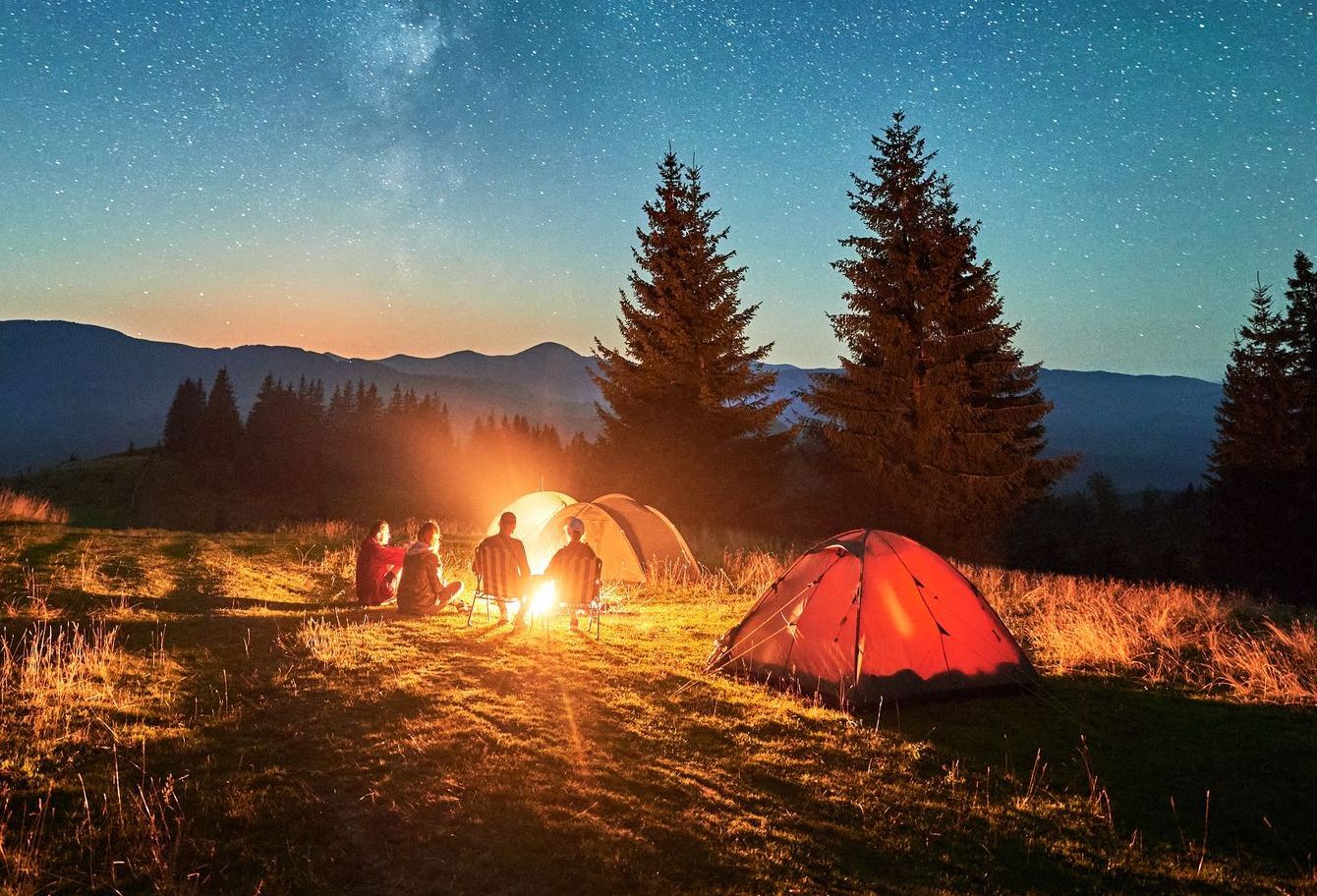
Popular online camping resource The Dyrt has released their annual report related camping industry trends and data – and a lot of the takeaways from the report’s 2026 edition are fascinating.
From politics to technology to how campers feel about saving space at a first-come, first-served campground, let’s dive in:
It might not be surprising, but the finding that’s likely to snag the most headlines is that 33.6 percent of campers trust artificial intelligence tools when it comes to finding the right campsite. This was said to align with recent data from GuideGeek that indicates many consumers trust artificial intelligence for travel-related queries, though it also shows that this behavior extends to an activity that tends to get associated with escape from technology and connectivity. That said, the Dyrt report also reported that while one-third of campers would – in theory – trust artificial intelligence for advice, only about 10 percent have used it to actually plan a trip – though another 10 percent noted that they plan to use it as camping season hits in 2026.
CEO of The Dyrt, Kevin Long, noted that these findings show a gap between trust and implementation that implies there’s significant room for growth when it comes to camping and artificial intelligence.
Also related to technology was that roughly one in three campers utilized satellite internet while camping in 2025, up from one in four in 2024. It looks like this technology’s role in camping is set to grow, as well, with more than half of all campers who were involved in the survey reported being open to trying Starlink or a similar product during the 2026 camping season. It’s likely that the increase in remote work opportunities over the past half-decade has played a key role in campers seeking better connectivity in the backcountry. Per the report from The Dyrt, more than a quarter of all campers worked from a campsite in 2025.
Last year saw the second-highest number of campers ever, according to The Dyrt, at 82.4 million. This is an uptick from 2024, but not quite as high as record-setting numbers that were seen in 2023 when 84.8 million people reportedly camped. It’s also worth noting that many people who camp tend to camp quite a bit – the median number of camping trips for campers in 2025 was six. There were plenty of newcomers to the camping scene, too – The Dyrt reported that 2.6 million people camped for the first time last year and that members of the ‘Black, Indigenous, People of Color (BIPOC)’ community were 53 percent more likely to have camped for the first time.
Age groups of 25 to 34 and 35 to 44 accounted for roughly 51 percent of all campers at roughly an even split. The lowest share of campers fell in the 65-plus age group, at about 6.2 percent of all campers. That said, four out of five campers in this older demographic said they were camping more frequently or planned to camp more frequently amid retirement.
Another key takeaway from the report was that finding a campsite got easier in 2025 compared to 2024. Roughly 52.3 percent of campers reported difficulty in finding a campsite because spaces were full compared to 56.1 percent the prior year. Oddly enough, despite 2023 having a record-setting number of campers, just 45.5 percent of campers reported difficulty finding a site amid crowding that year. It’s also crucial to mention that difficulty in finding a campsite has seen a major uptick since the COVID-19 pandemic – in 2019, only 10.6 percent of campers struggled to find space.
Glamping saw an uptick in popularity in 2025, with an eight percent year-over-year increase in the share of campers who went glamping at least once compared to 2024.
The expansion of spaces at campsites was also something that was considered in the report. With roughly one in five private campsites adding more spaces in 2025, 51.6 percent prioritized adding more RV sites. This compares to 27.4 percent adding more tent sites and 21 percent adding more glamping options.
Campers were more likely to show up for their camping reservation in 2025 compared to 2024 (72.9 percent showed up last year compared to 70.7 percent the year prior), but they were also 27 percent more likely to leave a day or more early (16.2 percent of campers left early in 2025). The most likely demographic to no-show were those age 25 to 34.
The report from The Dyrt also addressed a viral TikTok question – what’s sufficient enough to hold a space at a ‘first-come, first-served campsite?’ A whopping 66 percent of respondents said a vehicle or tent was needed, while 16 percent said a camping chair and 13 percent said a personal item like a backpack or water bottle.
The camping report also looked at how politics can impact camping. One in six respondents said actions of the federal government impacted their camping experience in 2025, though there was an uptick to one in five among members of the BIPOC community and an uptick to one in three when it came to those identifying with the LGBTQ-plus community. Also related to politics, it was determined that campers tend to identify as politically independent at higher rates – 23 percent compared to the national norm of 11 percent.
Explore the full 2026 Camping Report from The Dyrt and presented by Toyota Trucks here.
STAY INFORMED: Get free Colorado news with our daily newsletter (Click here)
Get OutThere
Signup today for free and be the first to get notified on new updates.
PREV
PREVIOUS
Authorities provide instruction for those seeking to help in search for missing man
The search effort to find 27-year-old Kaden Sites continues, with the latest update indicating that future plans are in place to continue the search for weeks if necessary. The large-scale effort to find Sites has been taking place in the area of Chaffee County’s Mount Shavano since Sites was first reported missing on the evening […]
Man falls to death during notorious chained stretch of Angels Landing trail
According to an April 20 press release from the National Park Service, a 68-year-old man from Laredo, Texas died after falling from the chained section of the notorious Angels Landing trail at Utah’s Zion National Park. The man was identified as Gilberto Ramos, with the fall occurring on April 17 at about 2 p.m. The […]